30+ Best White Label Products For Your Brand [2026 Guide]

Looking to launch your own brand without building a product from scratch? white label products are one of the fastest, most cost-effective ways to start. In this guide, you’ll learn what white label really means, which categories work best, how to source reliably, and how to launch a brand with speed and control.
Key Takeaways:
- Made to sell: White label products are standardized products produced by a manufacturer and offered to resellers who add their own branding and packaging.
- Faster market entry: You skip most R&D and leverage proven manufacturing, which reduces time, complexity, and upfront risk.
- Simpler execution: The winning workflow is: pick a category, validate demand, qualify suppliers, lock packaging, then scale distribution.
If you read only one thing: treat white label sourcing like a process, not a “supplier hunt”. Your speed and hit rate will go up immediately.
What are white label products?
White label products are items produced by one company (so called White Label Manufacturers) that are then rebranded and sold by another company under its own name. Essentially, these products are manufactured without a consumer-facing brand, allowing businesses to apply their own branding, marketing, and packaging to offer a finished product without investing in production or research and development.
This approach helps companies expand product lines quickly and enter new markets while leveraging the quality and efficiency of established manufacturers.
Typical white label product categories include:
- Skincare & cosmetics
- Supplements & vitamins
- Food & beverage
- Home goods & kitchenware
- Pet care
- Personal care
In practice, the best categories are the ones where you can win with branding, distribution, and unit economics — not only with a “unique product idea”.
Benefits of white label products
1. Faster Time to Market
White label products are already developed and tested by the manufacturer, so there’s no need to go through long R&D phases. You can place your first order, apply your branding, and get your product into customers’ hands in weeks instead of months.
2. Lower Product Development Costs
Since the formulation, testing, and compliance work are already completed by the manufacturer, you avoid costly upfront expenses. This lets you focus your budget on branding, packaging, and marketing instead of product development.
3. Low MOQs (Minimum Order Quantities)
Many white label manufacturers offer low minimum order quantities, making it accessible for small brands or first-time founders. You can start lean, test the market, and avoid tying up capital in large inventory purchases.
4. Pre-Validated Product Formulations
The products have usually been sold successfully under other brands, meaning their quality and consumer acceptance have been proven. You benefit from this validation, reducing risk and increasing your chance of success.
White label is ideal for brands that want to focus on branding and distribution while minimizing R&D and production risk.
Why white label products are trending this year?
White label products allow businesses to focus on branding and customer engagement while leveraging established manufacturing processes. With growing consumer interest in sustainability, smart technology, and wellness, white label has become a popular option for entrepreneurs who want speed without sacrificing quality.
One nuance most beginners miss: the “product” is only half the game. Packaging, compliance documentation, and fulfilment often determine whether a white label SKU is actually scalable.
White Label vs. Private Label: What’s the Difference?
There is a clear difference between white label vs. private label manufacturing. Here are the key differentiators:
| Feature | White Label | Private Label |
|---|---|---|
| Product customization | Minimal (mostly branding/packaging, sometimes minor tweaks) | High (formula/features/variants/packaging/claims) |
| Time to market | Fast | Slower |
| Upfront investment | Low | Medium to High |
| Scalability | Easy to reorder standardized SKUs | Requires planning (tooling, approvals, supply chain setup) |
| R&D needed | No (or limited) | Yes |
| Best for | Speed, testing, catalog expansion | Differentiation, defensibility, long-term brand moat |
Many brands start with white label to validate demand, then graduate to private label as they grow and want more control and defensibility.
15+ Best profitable white label products to sell in 2026
Below are practical white label categories that consistently perform well for new brands. Treat the MOQs and margins as directional benchmarks — your actual numbers will depend heavily on packaging, certifications, and supplier type (manufacturer vs. trader).
1. Organic Skincare Products

Develop a comprehensive range of white label organic skincare products, such as face cleansers, moisturizers, serums, and masks that harness the power of natural, non-toxic ingredients.
These products are designed to cater to consumers seeking a clean beauty routine that improves skin health while minimizing exposure to harsh chemicals.
By leveraging botanical extracts, essential oils, and natural antioxidants, your organic skincare line can address diverse skin types and concerns while positioning your brand as a leader in eco-friendly beauty solutions.
MOQs: 100–500 units per SKU
Margins: 60–80%
Why it works:
- High perceived value, driven by wellness and self-care trends
- Emotional purchase: tied to beauty, self-esteem, and routine
- High repeat purchase frequency (daily use products)
- Room for premium pricing with minimal differentiation
Execution tip: skincare scales when you nail packaging, claims, and a clean re-order process — not when you overcomplicate the formula from day one.
2. Health and Wellness Supplements
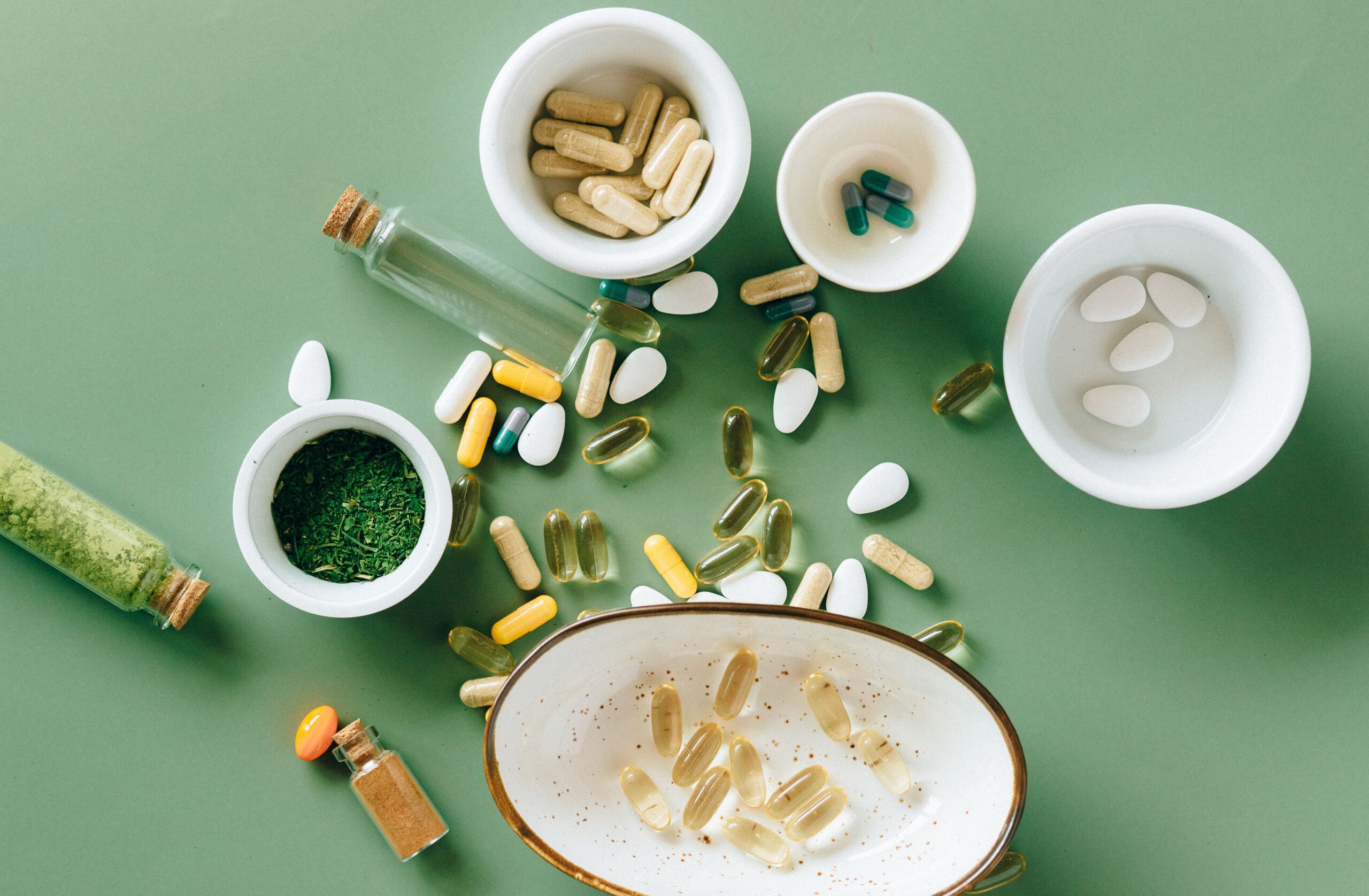
Capitalize on the growing trend toward holistic health by offering a variety of supplements such as multivitamins, herbal extracts, and probiotics. These products can be formulated to support energy levels, immune function, and overall well-being.
Emphasize transparent sourcing and documentation (specs, COAs, stability where relevant) to build trust in a crowded market.
MOQs: 250–1,000 bottles
Margins: 70–90%
Why it works:
- High repeat purchase (monthly supply model)
- Can be positioned as science-backed or holistic
- High margins due to low production cost vs. retail price
- Easily brandable with lifestyle positioning
Execution tip: compliance and labeling are not “later problems” in supplements. Build your supplier shortlist based on documentation quality first.
3. Eco-Friendly Cleaning Solutions

Introduce a line of green cleaning products that include multipurpose cleaners, dish soaps, and laundry detergents made from biodegradable and naturally derived ingredients.
By highlighting sustainable packaging and strong cleaning performance, your brand can attract environmentally conscious consumers who still want “it works” outcomes.
MOQs: 200–500 liters (bulk) or 500+ units (retail)
Margins: 50–70%
Why it works:
- Growing demand from eco-conscious households
- Consumable = recurring revenue
- Great for subscription models
- Strong B2B potential (hotels, offices, co-living spaces)
Execution tip: packaging is often the real MOQ driver in household. Validate bottle, cap, and label minimums early.
If you are looking for white label or private label household product manufacturers, Wonnda is the right solution for you. Just create a free account on Wonnda and start sourcing.
4. Reusable Food Storage Containers
Offer sustainable food storage solutions that help reduce single-use plastic waste. Think BPA-free plastic, glass containers, or silicone bags designed for durability and convenience. These containers can be marketed as stylish and practical, appealing to consumers committed to sustainability.
MOQs: 500–1,000 units
Margins: 40–60%
Why it works:
- Durable product = lower return rates
- Highly giftable and Instagram-friendly
- Retailers like it due to high perceived utility
- Appeals to sustainability-conscious buyers
Execution tip: differentiation usually comes from design, sets/bundles, and packaging — not from the container itself.
Looking for the right white label manufacturers to launch food storage containers? Just create a free Wonnda account and start sourcing.
5. Natural Personal Care Items

Launch a range of personal care products, including shampoos, conditioners, body washes, and lotions, all formulated with natural and gentle ingredients.
Emphasizing purity and performance helps you connect with consumers who are increasingly mindful of what they use daily.
MOQs: 250–500 units
Margins: 60–80%
Why it works:
- Repeat purchases (shampoo, soap, etc.)
- Emotional trigger: clean, safe for family or sensitive skin
- Broad audience appeal (men, women, kids)
- Opportunity to upsell bundles
Execution tip: your “hero SKU” should be easy to reorder and easy to explain. Complexity kills momentum in personal care launches.
Wonnda has the best white and private label personal care manufacturers for your brand. You can simply create a free account and start sourcing with Wonnda.
6. Plant-Based Snack Bars
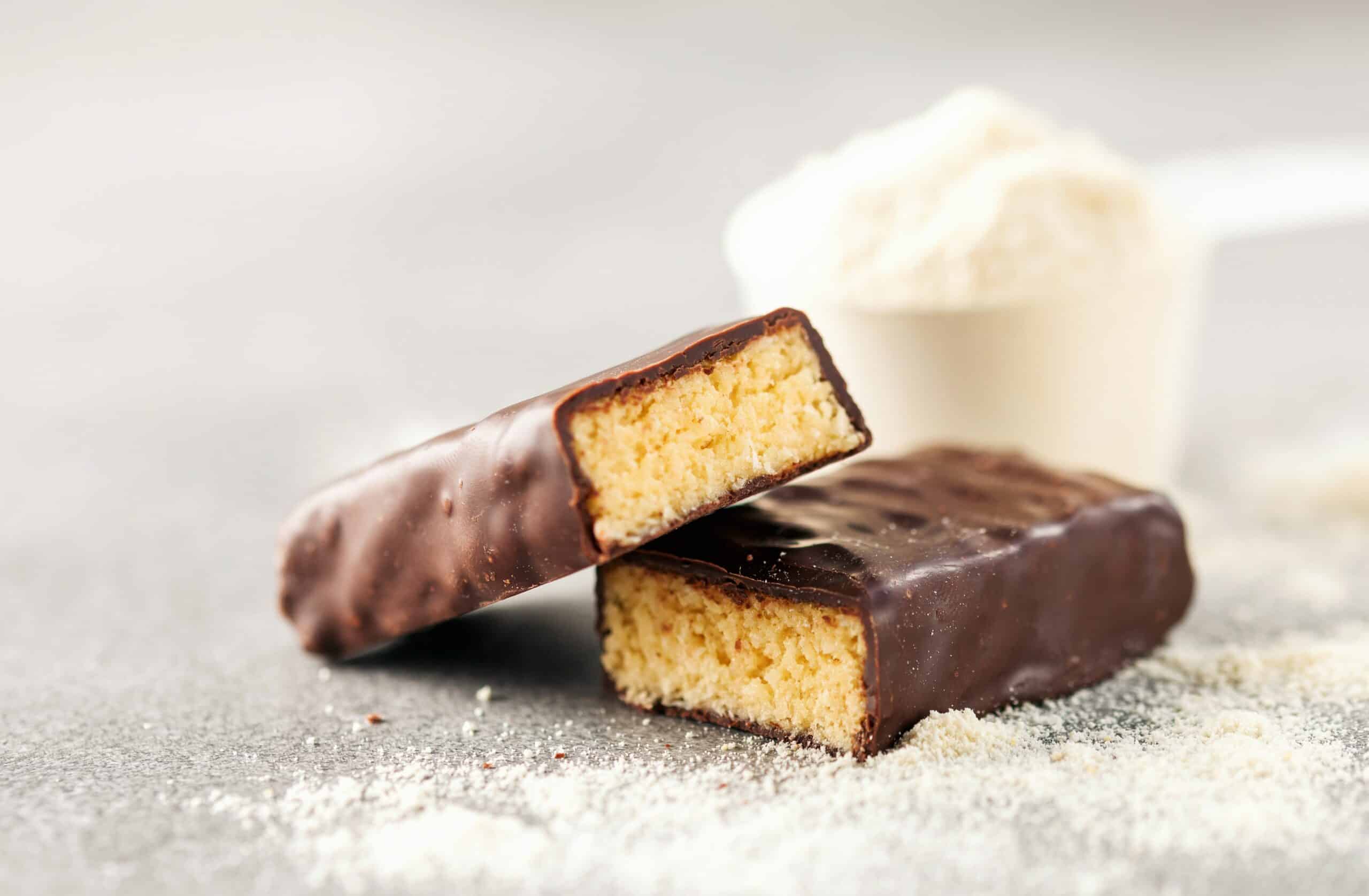
Develop snack bars made from whole foods such as nuts, seeds, dried fruits, and whole grains. Plant-based bars cater to busy, health-conscious consumers who want convenient nutrition without compromise.
MOQs: 1,000–2,000 bars
Margins: 35–55%
Why it works:
- On-the-go product with health and wellness branding
- Impulse-buy potential in retail
- Works well in D2C subscriptions or office snack boxes
- Easy to localize (e.g. superfoods from your region)
Execution tip: bars win by taste + packaging + distribution. If it tastes “okay”, it will not scale.
Looking for snack bar manufacturers for your brand? Just create a free Wonnda account and start sourcing.
7. White Label Coffee
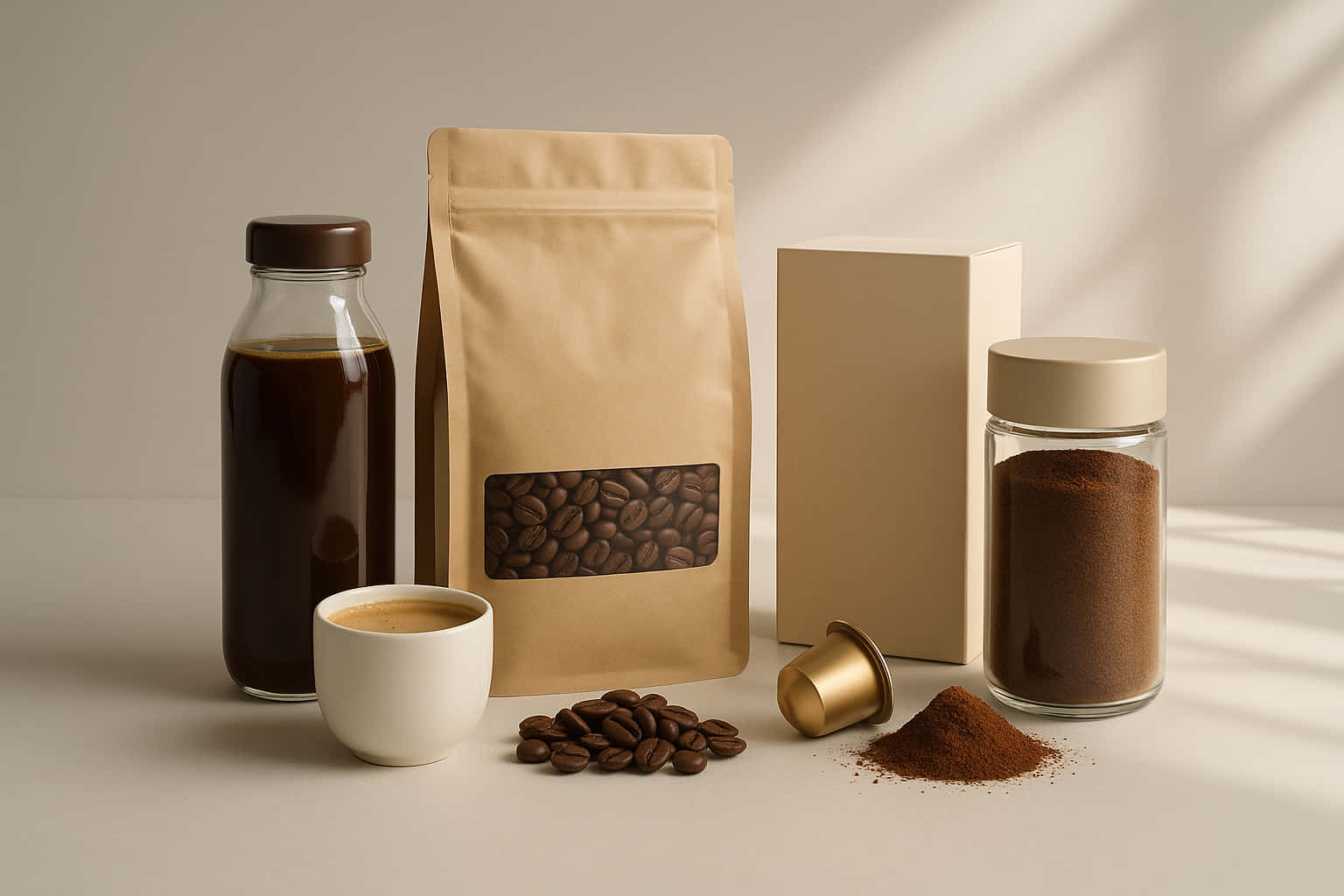
Offer a curated selection of white label coffee products, such as coffee capsules and specialty blends. Ideal for starting a coffee subscription business. Emphasize unique flavor profiles and ethical sourcing.
MOQs: 500–1,000 bags
Margins: 50–75%
Why it works:
- High emotional engagement & brand loyalty
- Subscription-friendly (daily consumption)
- Strong gifting potential
- Premium packaging drives higher price points
Execution tip: coffee is a brand game. Your story, positioning, and retention mechanics matter as much as the beans.
Are you looking for the best private label coffee manufacturers or white label coffee suppliers? Wonnda has the best coffee manufacturers for your brand. Create a free account and launch your white label coffee brand.
8. Sustainable Fashion Essentials
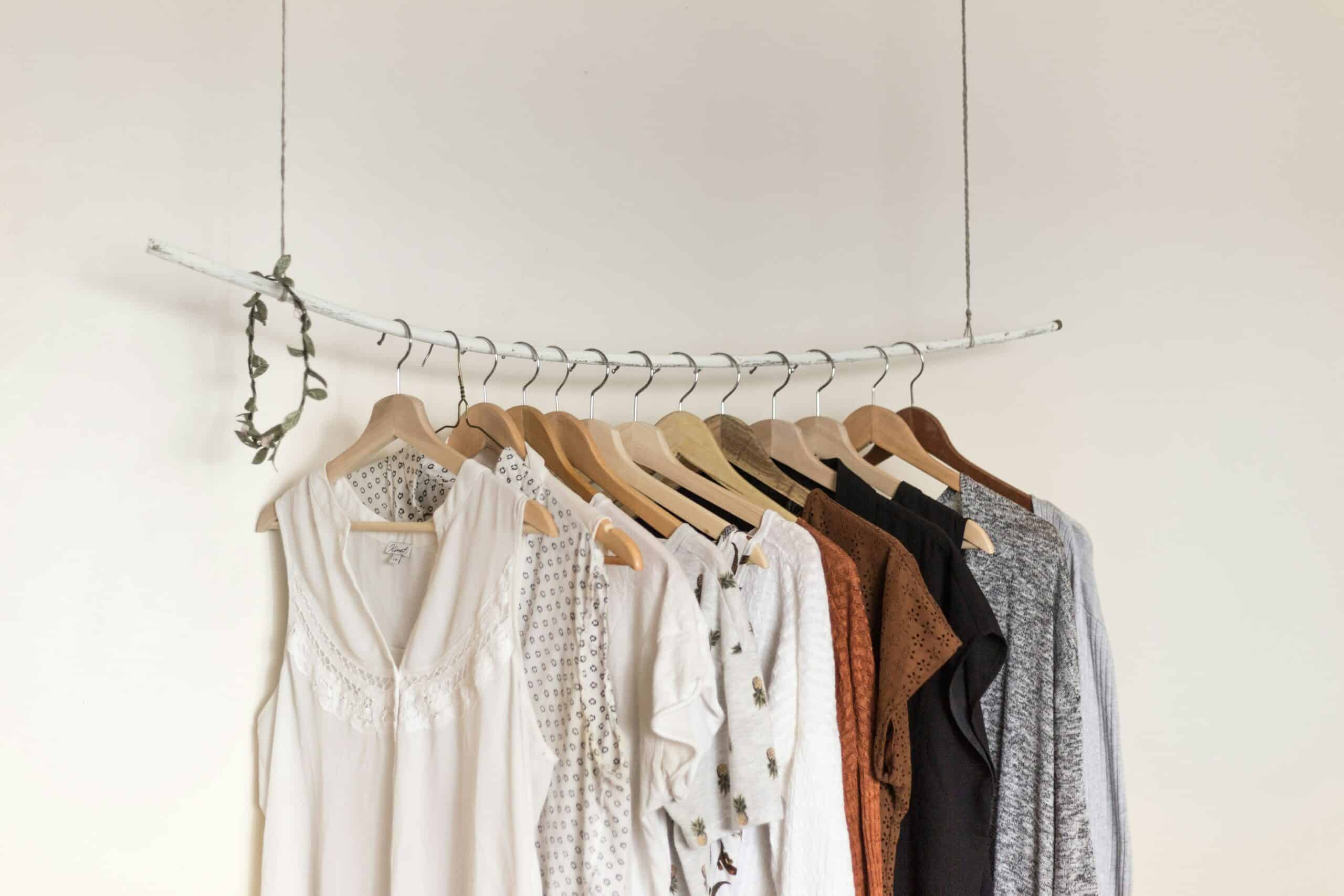
White label apparel offers brands an opportunity to enter fashion efficiently. From basics like t-shirts and hoodies to seasonal collections, white label helps brands move fast and adapt to trends.
The ability to customize with logos, colors, and design elements adds exclusivity. Clothing manufacturers in Europe are a great choice for brands wanting to get started.
MOQs: 50–100 units per style
Margins: 50–70%
Why it works:
- Lifestyle-driven purchase, tied to identity
- Margin-friendly if positioned as premium/sustainable
- High upsell potential (bundles, limited editions)
- Influencer collab friendly
Execution tip: for apparel, consistent sizing, fabric quality, and low defect rates are more important than “cool designs”.
9. Eco-Friendly Baby Care Products
Cater to new parents by offering a gentle range of baby care items, such as hypoallergenic lotions, shampoos, and wipes. These products should be free from harsh chemicals and designed to support sensitive skin.
Highlighting eco-friendly packaging and sustainable sourcing can further appeal to parents who care about their child’s health and the environment.
MOQs: 100–500 units
Margins: 60–80%
Why it works:
- High trust category: emotional safety play for parents
- Repeat purchases with fast consumption
- Retailers love “organic baby” as a strong value prop
- Good D2C and retail crossover potential
Execution tip: baby categories win with trust signals — clear documentation, clean labeling, and conservative claims.
10. Aromatherapy and Essential Oils
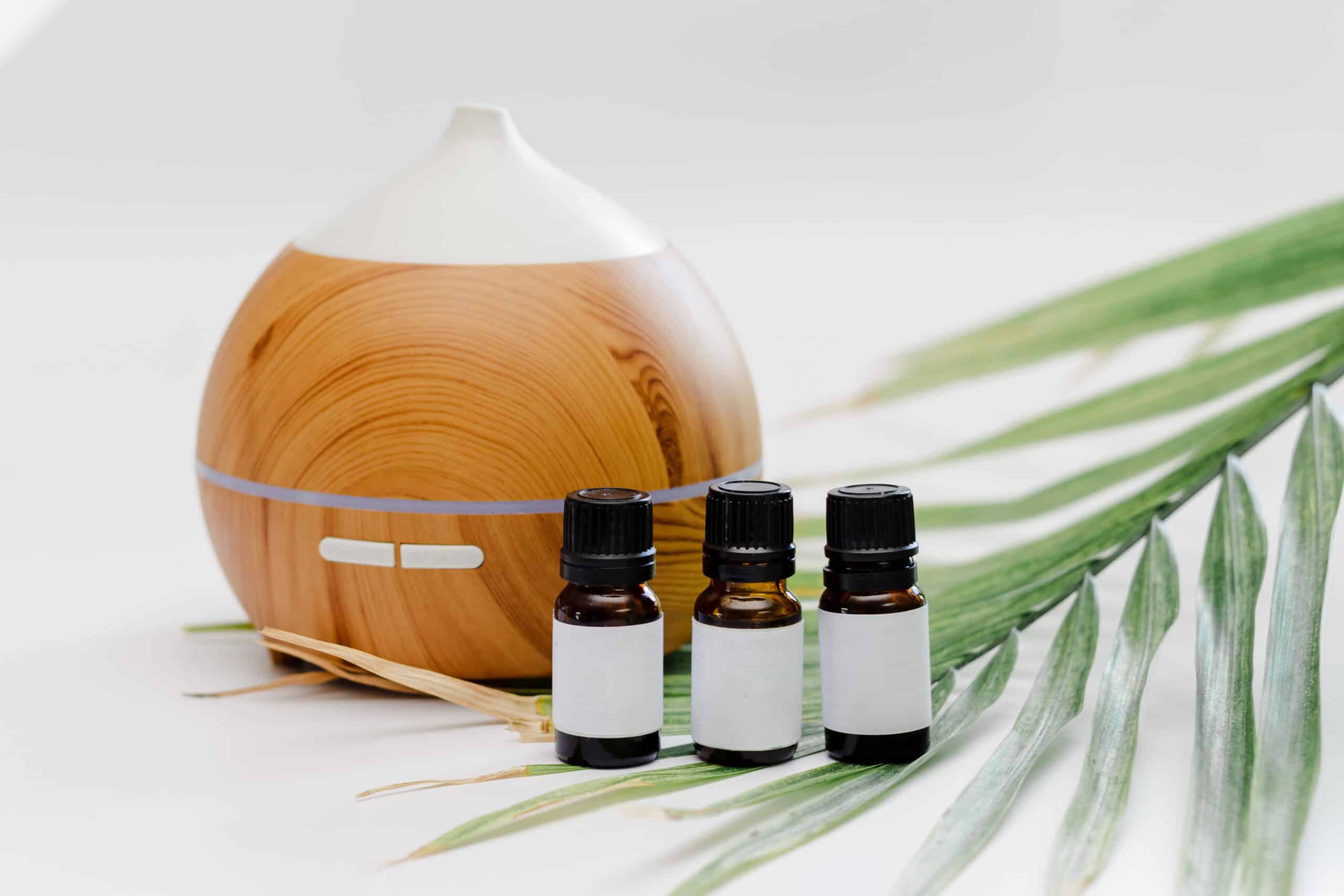
Create a line of essential oils and aromatherapy products that promote wellness and relaxation. Offer blends designed for stress relief, improved sleep, or enhanced focus, supported by clear usage guidance.
MOQs: 250–500 bottles
Margins: 70–85%
Why it works:
- Tied to wellness, mood, and lifestyle branding
- Strong gifting potential
- High price elasticity based on packaging and story
- Shelf-stable and low-cost to produce
Execution tip: the packaging and scent story often sell more than the ingredient list. Build a clear “collection logic” (sleep, calm, focus).
11. Reusable Drinkware
Introduce reusable drinkware, including stainless steel water bottles, insulated travel mugs, and eco-friendly cups. These products support a sustainable lifestyle by reducing reliance on disposable options.
MOQs: 500–1,000 pieces
Margins: 40–60%
Why it works:
- Functional + emotional (eco-conscious lifestyle)
- Customizable and easy to brand
- Popular as branded merch / corporate gifting
- Great for influencer giveaways
Execution tip: drinkware wins with design, durability, and bundling (caps, sleeves, accessories). Build a “system”, not a single bottle.
12. Premium Home Decor

Develop home decor that combines style with sustainability. This could include linen bedding, throw pillows, and eco-friendly furnishings made from recycled or natural materials.
MOQs: 50–500 units
Margins: 50–70%
Why it works:
- High aesthetic impact and brand storytelling
- Great for curated D2C brands
- Opportunity for influencer co-creation
- Appeals to luxury & sustainability consumers
Execution tip: home decor is “curation”. Your advantage is taste, not manufacturing — so build a strong collection narrative.
13. Organic Herbal Teas
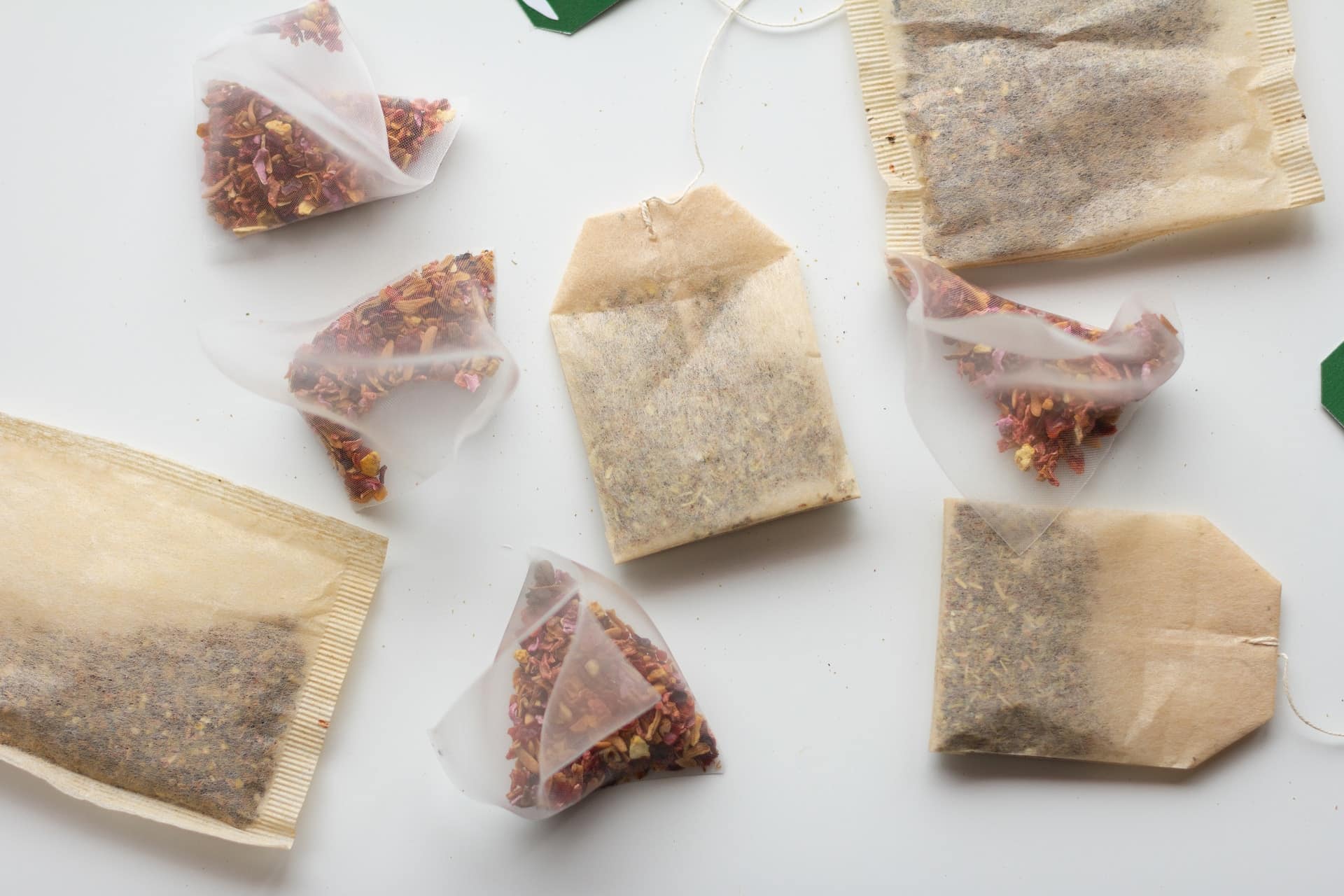
Offer organic herbal teas targeting moods and functional needs, such as relaxation, digestion, or energy. With strong packaging and a clear routine angle, tea can become a retention-driven product line.
MOQs: 500–1,000 units
Margins: 50–75%
Why it works:
- Ritual-based consumption = loyalty
- High price flexibility based on sourcing/story
- Appealing in wellness, ayurvedic, or detox niches
- Perfect for bundles or seasonal kits
Execution tip: teas scale with bundles and routines (morning/afternoon/evening). Build a “set” that makes reordering easy.
14. Natural Laundry Detergents
Introduce natural laundry detergents that are effective, gentle on fabrics, and better for the environment. Plant-based formulas appeal strongly to families and eco-conscious consumers.
MOQs: 500–1,000 liters or 500+ bottles
Margins: 50–70%
Why it works:
- Fast-moving essential with recurring need
- Subscription model friendly
- Low perceived competition in D2C
- Families and eco-shoppers love it
Execution tip: detergent is heavy. Shipping and fulfilment economics can make or break profitability. Model this early.
15. Sustainable Kitchen Accessories
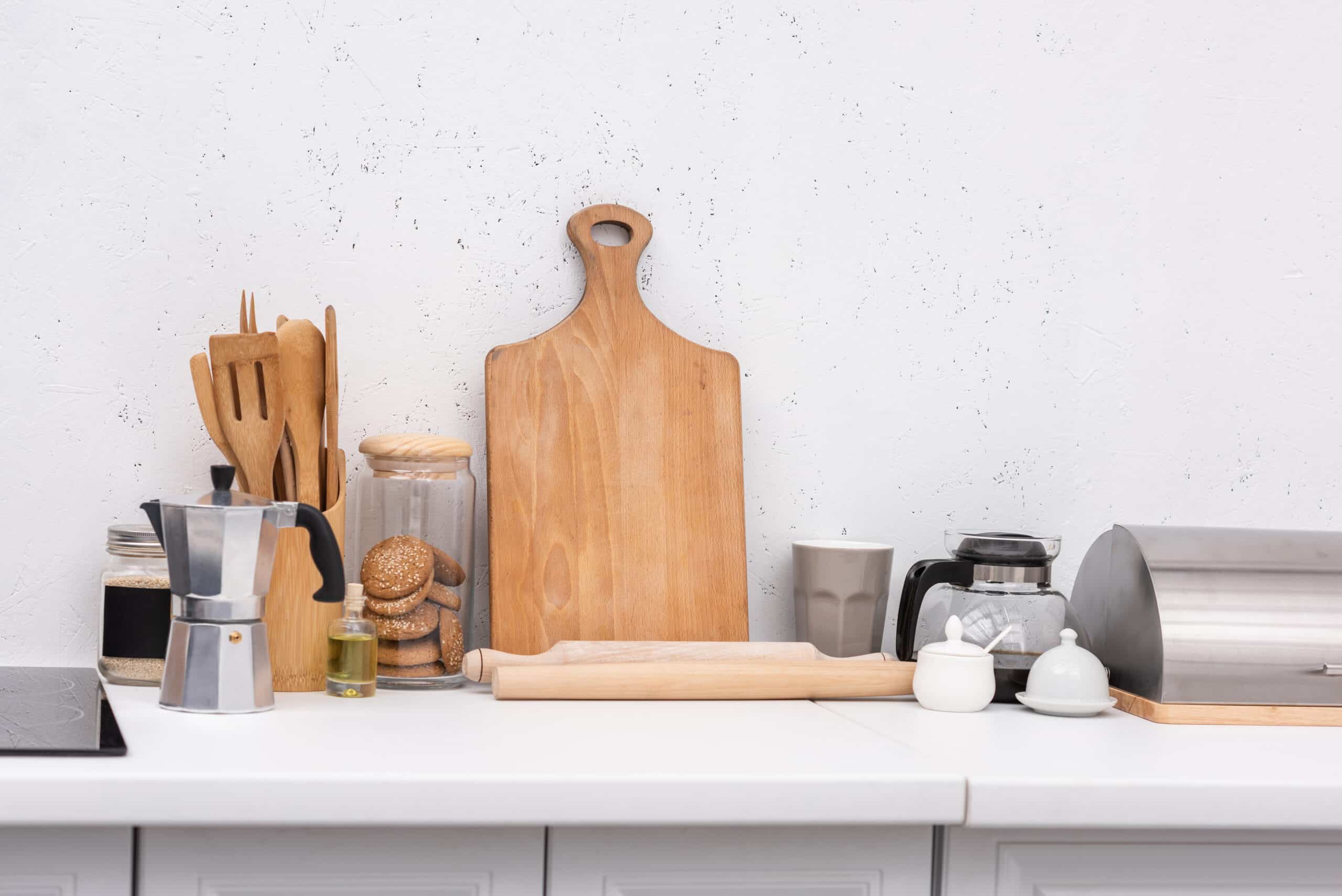
Offer kitchen accessories made from renewable materials like bamboo or recycled composites. Products might include cutting boards, utensils, and storage solutions that emphasize durability and design.
MOQs: 100–500 units
Margins: 40–60%
Why it works:
- Low competition in niche product lines (e.g. bamboo utensils)
- Giftable and visual-friendly
- Broad use cases (kitchen, home, picnics)
- Ideal for curated box concepts
Execution tip: kitchen accessories sell through sets. Bundling improves AOV and makes you harder to compare on price.
16. Natural Pet Care Products
Develop natural pet care products, including grooming supplies, shampoos, and nutritional treats, designed to support the health and well-being of pets. This fits the “pets are family” consumer shift.
MOQs: 300–800 units
Margins: 60–80%
Why it works:
- Strong emotional link with pet owners
- Growing trend in human-grade pet wellness
- Recurring purchase potential (treats, shampoo)
- Shelf-ready for pet stores and vet clinics
Execution tip: pet categories scale with trust signals (reviews, clear ingredients, safety positioning) and strong repeat purchase mechanics.
More White Label Products
To truly outpace the competition, you need to look at high-growth niches that are currently underserved. The following 15 additional product ideas are selected based on our own consumer trend data in wellness, sustainability, and Wonnda's core consumer categories with the highest repeat purchase rates in the European market.
| # | Product Idea | Winning Angle for 2026 | Typical MOQ |
|---|---|---|---|
| 16 | Mushroom Coffee / Elixirs | Focus on "Nootropics" & mental clarity claims. | 500 units |
| 17 | Biodegradable Pet Wipes | High-frequency consumable for the eco-pet niche. | 1,000 packs |
| 18 | Magnesium Sleep Sprays | The "Natural Sleep" trend is exploding on social media. | 250 units |
| 19 | Recycled Yoga Blocks | Bundle with mats to increase Average Order Value (AOV). | 100 units |
| 20 | Cold Brew Concentrates | Perfect for high-margin subscription box models. | 500 bottles |
| 21 | Bamboo Bed Linens | The luxury "Eco-Hotel at Home" lifestyle play. | 50 sets |
| 22 | Vegan Protein Gummies | Solves "pill fatigue" for health-conscious Gen Z. | 1,000 units |
| 23 | Microfiber Hair Towels | Lightweight, low shipping cost, high giftability. | 200 units |
| 24 | Natural Beard Oil Kits | High loyalty category; essential for men's grooming brands. | 100 sets |
| 25 | Eco-Friendly Dish Tabs | A "boring" essential that guarantees monthly revenue. | 5,000 tabs |
| 26 | Artisan Hot Sauces | The "Hot Ones" effect; strong brand-identity potential. | 500 bottles |
| 27 | Solid Shampoo Bars | Zero-waste hero product for plastic-free travelers. | 300 units |
| 28 | Silk Sleep Masks | Entry-level luxury item with high perceived value. | 100 units |
| 29 | Organic Nut Butters | Clean-label snack play for fitness-focused families. | 500 jars |
| 30 | Beeswax Food Wraps | Visual, "Instagrammable" kitchen sustainability. | 250 sets |
Pro Tip: When selecting from the table above, prioritize consumables (items 16, 17, 18, 20, 22, 25, 27, 29). These products build a predictable "Brand Flywheel" where customers return every 30-60 days to replenish their stock.
MOQs, packaging, and unit economics: what most founders underestimate
In white label, the “MOQ” you hear first is often the product MOQ. The real MOQ is frequently driven by packaging: labels, bottles/jars, caps, cartons, and printing minimums. This is why two suppliers can quote the same product but require very different starting quantities.
If your strategy depends on low inventory risk, qualify packaging early: ask what parts are stock items, what parts are custom, and what the true minimums are for each component.
How to launch your white label brand
Launching a white label brand is straightforward, if you follow the right steps.
Step 1: Choose Your Product Category
- Align with your passion or area of expertise
- Analyze existing customer demand and trends
- Start narrow — don’t go broad too early
Pick one primary category and one “adjacent” expansion category. Winning brands scale by depth first, then breadth.
Step 2: Validate Your Market
Use:
- Google Trends – to verify search demand
- TikTok / Instagram – to spot emerging micro-trends
- Amazon reviews – to uncover product gaps
Validation is not only “is there demand?” — it’s also “can I win distribution and margin in this category?”
Step 3: Find Verified Manufacturers
Look for suppliers with:
- Low MOQs (including packaging minimums)
- Compliance certifications (e.g., GMP, ISO, vegan, cruelty-free)
- Transparent lead times and documentation readiness
Pro Tip: Use Wonnda to access verified manufacturers with a workflow layer for briefs, messaging, and sourcing projects.
Step 4: Customize Packaging & Branding
Decide:
- Primary vs. secondary packaging
- Eco-friendly materials vs. conventional
- Labels, EAN codes, ingredients, lot numbers
Packaging is not only design. It defines shelf readiness, compliance, and often your real MOQ. Treat it as a core product decision.
Step 5: Set Up Your Supply Chain & Logistics
- Align on Incoterms (EXW, FOB, DDP, etc.)
- Plan for warehousing and fulfillment early
- Consider bundled shipping or 3PL solutions
Unit economics often break at shipping and storage, not at manufacturing. Model your fulfilment and return costs before scaling SKU count.
Step 6: Launch & Promote
Start with:
- A D2C e-commerce store (Shopify, WooCommerce)
- Paid ads on TikTok, Instagram, Google
- Influencer collabs
- Subscription offers or gift bundles
The first launch goal is not perfection — it’s a repeatable acquisition channel plus a repeatable reorder cycle.
A practical supplier qualification checklist (copy/paste)
Use these five questions in every supplier call. They force clarity and prevent “marketing conversations”.
- Are you the manufacturer? If not: what’s your role and where is production?
- What are MOQs and lead times? Ask for realistic ranges, including packaging minimums.
- What can be customized? Packaging, label, variants, sizes, ingredients, claims (category-dependent).
- What documentation do you provide? Specs, test reports, allergens, safety docs, label support.
- How do samples and quotes work? Sample lead time, cost, and a firm quote timeline.
Leave every conversation with a defined next step and date. If there’s no timeline, there’s no deal.
Where Can I Find White Label Manufacturers?
Here are the best places to discover and partner with reliable white label manufacturers:
Wonnda
The leading B2B platform for white label and private label manufacturing in Europe and the US. Wonnda connects you with verified suppliers across major product categories and includes integrated project management tools to handle communication, briefs, and orders.
👉 Find white label manufacturers on Wonnda
Trade Shows
Attending industry trade shows like PLMA, Biofach, or Cosmoprof gives you access to many manufacturers in one place. It’s ideal for in-person sampling, relationship building, and trend discovery.
Google (Advanced Search)
Targeted keyword searches like “white label skincare manufacturer Europe” can work. Always verify references, certifications, and documentation readiness before committing.
Many manufacturers maintain a strong presence on LinkedIn. Searching by product category and filtering by region can surface relevant partners and enable direct outreach to decision-makers.
Direct Outreach via Product Packaging
Find products you admire in your niche. Check packaging for manufacturer clues or use barcode databases to trace producers. Many brands use similar white label sources.
Sourcing Agents
For complex supply chains or hybrid white/private label setups, sourcing agents can assist with vetting and negotiations — usually at a higher cost and with less direct control.
10 Examples of Successful White Label Brands
White label is not just a shortcut for beginners. Many of the world’s most successful consumer brands and retailers use white label or near-white label sourcing as a core operating model. Below are 10 well-known examples across e-commerce, retail, beauty, food, supplements, and household categories, with clear lessons you can apply to your own brand.
1. Amazon Basics (Household, Electronics, Office)
Amazon Basics is the most scaled white label brand globally. Amazon sources standardized, high-demand products from experienced manufacturers and sells them under a single, trust-based brand.
Why it works: Price transparency, logistics dominance, and social proof matter more than differentiation in commodity categories.
White label lesson: White label thrives where availability, price, and reliability beat innovation.
2. Kirkland Signature (Costco – Food, Supplements, Household)
Kirkland Signature is Costco’s private label powerhouse. Many Kirkland products are manufactured by the same producers behind leading national brands — often with equal or better specifications.
Why it works: High volumes, limited SKUs, and strict quality control create scale advantages.
White label lesson: White label does not mean low quality. It means shifting value from marketing to sourcing discipline.
3. Trader Joe’s (Food & Beverage)
Trader Joe’s sells most of its assortment under proprietary labels. Products are sourced from specialist manufacturers and positioned as exclusive, curated discoveries.
Why it works: Strong brand voice, tight assortment, and constant innovation through curation.
White label lesson: Curation + brand storytelling can outperform national brands.
4. Rossmann Private Label Brands (Germany)
Rossmann, one of Germany’s largest drugstore chains, operates multiple successful private and white label-style brands such as ISANA (personal care), Alterra (natural cosmetics), and enerBiO (organic food).
Why it works: Strong shelf placement, aggressive pricing, and trusted retail distribution.
White label lesson: Retail-owned brands can win by combining scale, trust, and fast product iteration.
5. dm-drogerie markt Private Label Brands (Germany)
dm operates one of Europe’s most advanced private label portfolios, including Balea (personal care), alverde (natural cosmetics), and dmBio (organic food).
Why it works: Consistent quality, transparent ingredient communication, and strong sustainability positioning.
White label lesson: Compliance, trust, and brand values can differentiate white label products at scale.
6. Glossier (Beauty & Skincare – Early Phase)
Glossier built a cult beauty brand by focusing on community, design, and D2C distribution while leveraging established cosmetic manufacturing routes, especially early on.
Why it works: Beauty buyers value brand identity and peer validation as much as formulation.
White label lesson: White label is a powerful launch vehicle before moving into deeper private label development.
7. Myprotein (Supplements)
Myprotein scaled globally by offering standardized supplement formats at competitive prices, paired with aggressive performance marketing and broad SKU coverage.
Why it works: Supplements reward speed, trust, and consistency more than novelty.
White label lesson: In regulated categories, experienced manufacturers reduce risk and time to market.
8. Gymshark (Apparel – Early Phase)
Gymshark used fast fashion-style sourcing and rapid iteration to test products, build demand, and scale — before investing deeper into proprietary product development.
Why it works: Apparel is trend-driven; speed and distribution matter more than manufacturing IP at launch.
White label lesson: White label minimizes inventory risk in fast-moving lifestyle categories.
9. Aldi Private Label Brands (Europe)
Aldi sells the majority of its assortment under private and white label-style brands. Products are sourced from established manufacturers and optimized for price-performance.
Why it works: Extreme focus on cost efficiency, scale, and limited assortment.
White label lesson: Operational excellence can outperform brand advertising.
10. Sephora Collection (Beauty & Personal Care)
Sephora Collection is a global private label beauty brand developed by Sephora using contract and white label-style manufacturing partners.
Why it works: Premium retail environment + trusted curation + competitive pricing.
White label lesson: White label brands gain credibility when paired with strong distribution and retail trust.
What All Successful White Label Brands Have in Common
Across industries, successful white label brands consistently share these traits:
- Speed to market beats perfect differentiation.
- Experienced manufacturers handle quality and compliance.
- Brand, pricing, and distribution create defensibility.
- Operational discipline (MOQs, lead times, documentation) matters more than hype.
These examples prove that white label is not a compromise — it is a scalable, repeatable business model when executed with clarity and intent.
10+ Best White Label Suppliers in 2026
Here are 10 top-rated suppliers covering various product categories.
Each of these suppliers offers proven expertise and access to trending categories. Always qualify whether they manufacture in-house, what documentation they provide, and what the true MOQs are (including packaging).
1. Essentia Pura
A leading European manufacturer specializing in white label CBD products, supplements, and wellness formulas. Known for strong regulatory compliance and innovative formulations.
👉 Contact supplier and find thousands more on Wonnda
2. Biotiva
German-based supplier offering certified organic supplements, herbal extracts, and superfoods. Focus on transparency, sustainability, and low MOQs for fast-moving brands.
👉 Contact supplier and find thousands more on Wonnda
3. Azba Cosmetics
Premium white label cosmetics made in Europe, with a focus on skincare, body care, and luxury formulations. Flexible quantities and beautiful ready-made packaging options.
👉 Contact supplier and find thousands more on Wonnda
4. Ecodis
Specialized in white label sustainable household and cleaning products. Their eco-certifications and zero-waste packaging options make them ideal for green brands.
👉 Contact supplier and find thousands more on Wonnda
5. Aliness
European supplement powerhouse offering capsules, powders, and functional blends. Excellent for white label nutraceuticals with fast turnaround.
👉 Contact supplier and find thousands more on Wonnda
6. Amalthea
Mediterranean dairy and snack manufacturer delivering premium white label options with artisanal appeal. Known for organic quality and regional sourcing.
👉 Contact supplier and find thousands more on Wonnda
7. Soria Natural
A heritage brand from Spain offering herbal remedies, teas, and plant-based nutrition under white label contracts. Deep catalog and strong EU compliance.
👉 Contact supplier and find thousands more on Wonnda
8. Ellemental
DIY beauty meets white label innovation. Ellemental offers cosmetic bases, raw ingredients, and ready-to-sell formulations in skincare and personal care.
👉 Contact supplier and find thousands more on Wonnda
9. Comline
White label pet product supplier with a wide portfolio—supplements, grooming, accessories—trusted by major retailers across Europe.
👉 Contact supplier and find thousands more on Wonnda
10. Swiss Pack Europe
Sustainable packaging expert for white label brands. Offers biodegradable, recyclable, and custom-printed packaging ideal for CPG and e-commerce.
👉 Contact supplier and find thousands more on Wonnda
Tip: if you’re serious about speed, build a shortlist of 10–15 suppliers, then filter down using documentation + MOQ/lead time + sample performance.
Where can I find white label products?
Finding white label products can be achieved through various channels. Trade shows and industry-specific exhibitions are excellent places to connect with manufacturers offering white label services. Another approach is to join forums or networks where businesses share experiences and recommendations. Yet, online B2B marketplaces like Wonnda provide the ability to source and scale faster with structured workflows.
Wonnda is a leading platform in the consumer goods industry that specializes in bridging the gap between ambitious brands and reliable white label manufacturers.
The fully digital solution streamlines sourcing and launching new product lines, ensuring efficiency and transparency. With a network of verified suppliers, alongside global partners, Wonnda offers a diverse range of premium products tailored to meet your brand’s needs.
Will white labeling be profitable this year?
White labeling can be highly profitable, but it depends on the market, product selection, and execution. One major advantage is reduced cost and time associated with product development. Instead of creating a product from scratch, you can introduce a proven product under your brand with faster iteration cycles.
The brands that win are the ones that secure consistent quality, build a compelling brand narrative, and control unit economics through packaging and fulfilment decisions.
Choose Wonnda for a seamless, efficient, and premium white label sourcing experience. Bring your product vision to life with verified manufacturers and discover how Wonnda can transform your brand’s potential into real execution.
FAQ: White Label Products
What is a white label product?
A white label product is made by a manufacturer and sold under your brand name. The supplier produces the product; you control branding, packaging, positioning, and distribution.
What are the benefits of white label?
Faster time-to-market, lower upfront development costs, reduced risk (proven products), and often lower starting quantities compared to fully custom manufacturing.
Where can I find white label suppliers?
On B2B platforms like Wonnda, at trade shows, via LinkedIn outreach, or through targeted category searches. Always verify whether the supplier is the actual manufacturer and what documentation they provide.
Are white label products legal?
Yes. The key requirement is compliance with your target market: correct labeling, permissible claims, and category-specific documentation from the manufacturer.
What is the MOQ for white label products?
Often 100–1,000 units depending on category — but the true minimum is frequently driven by packaging components (labels, jars, caps, cartons). Ask for “product MOQ” and “packaging MOQ”.
Related articles

Best Clothing Manufacturers in Europe - 2026 Guide by Wonnda
10+ Best Beauty Manufacturers in the US (2026 List)

How to Find a Manufacturer for Your Product (2026 Guide)

European Suppliers: How to find the best EU suppliers in 2026

10 Best European Sourcing Agencies To Find Suppliers & Launch Your Product
How to Start a Premium Private Label Cookware Brand: The Complete Guide
5+ Best Private Label Nonstick Cookware Manufacturers
5+ Best Private Label Cookware Manufacturers in the USA (2026)