
What Are D2C Brands and How Do They Work?

Key Takeaways:
- D2C (Direct-to-Consumer) brands sell their products directly to customers without relying on traditional retailers, distributors, or wholesalers.
- This model allows brands to control their customer experience, pricing, and brand story while collecting valuable customer data.
- Successful D2C brands often leverage digital marketing, social media, and e-commerce platforms to build strong relationships and scale quickly.
What Does D2C (Direct-to-Consumer) Mean?
D2C stands for Direct-to-Consumer, a business model where brands sell their products straight to the end customer without going through traditional sales channels like wholesalers, distributors, or retailers. This approach allows brands to have complete control over how their products are marketed, sold, packaged, and delivered.
Instead of relying on third-party stores, D2C brands use their own sales platforms, most commonly e-commerce websites, to manage the entire customer experience.
How Does the D2C Business Model Work?
The D2C model puts the brand directly in touch with the customer. The product is developed, manufactured, marketed, and sold by the brand itself - with no intermediaries in the process.
The key components of the D2C model include:
- Selling through an owned e-commerce site or direct sales platform
- Using digital marketing channels like social media ads, influencer partnerships, and content marketing
- Handling logistics, fulfillment, and customer service directly or through third-party partners
- Collecting and analyzing customer data to refine products and marketing efforts
This model provides flexibility to test new products, pricing strategies, and marketing campaigns faster than traditional retail models.
What’s the Difference Between B2C and D2C?
While both B2C (Business-to-Consumer) and D2C (Direct-to-Consumer) models focus on selling products to the end customer, the key difference lies in how the products reach the consumer. In a traditional B2C model, products often go through multiple intermediaries such as wholesalers, distributors, or retail stores before they are sold to customers. The brand may not have direct control over the customer experience or full access to customer data.
In contrast, the D2C model removes these middle layers by allowing brands to sell directly through their own channels, typically via an e-commerce website or branded store. This direct approach gives D2C brands complete control over their pricing, marketing, and customer relationships. While all D2C brands are technically B2C (since they sell to consumers), not all B2C brands operate using the direct-to-consumer model. The D2C approach is defined by this direct relationship, which enables faster feedback loops, stronger brand loyalty, and more agile business strategies.
Why Are D2C Brands So Popular?
The D2C approach has gained popularity thanks to the rise of e-commerce tools, social media platforms, and online payment solutions that lower the barrier to entry for new brands. Platforms like Shopify, BigCommerce, and WooCommerce make it easy to set up an online store without heavy upfront investment.
In addition, social platforms like Instagram, TikTok, and Facebook provide cost-effective ways to reach targeted audiences. Combined with influencer marketing and user-generated content, these channels give D2C brands the ability to scale quickly and create strong emotional connections with their audience.
Consumers also appreciate the transparency and authenticity that D2C brands often provide. From ingredient sourcing to sustainability practices, many D2C brands focus on clear communication and direct engagement with their customers.
Consumer products.
Key Advantages of the D2C Model
The Direct-to-Consumer (D2C) model offers several strategic benefits that make it attractive to both emerging startups and established brands looking to connect more deeply with their audience. By cutting out the middlemen and selling directly to customers, D2C brands gain significant control and flexibility over their operations. Here’s why the D2C model works so well for modern brands:
Full Brand Control
One of the biggest advantages of the D2C model is complete ownership over your brand’s story, pricing, and customer experience. Unlike traditional retail where your product sits on a shelf alongside competitors, D2C allows you to fully design how your products are presented, packaged, and marketed. You decide how your audience interacts with your brand at every touchpoint - from your website’s tone of voice to your packaging design and post-purchase communication.
Direct Access to Customer Data
Selling directly gives you invaluable access to first-party dat, including who your customers are, how they shop, what they buy, and how often they return. This data allows you to personalize marketing campaigns, improve product offerings, and foster deeper relationships. Unlike selling through retailers, where data is often owned by the store, D2C gives you clear insights that can drive smarter decision-making and product innovation.
Speed and Flexibility
Because D2C brands control their own sales channels, they can quickly respond to consumer trends, seasonal demand, and market feedback. Whether it’s launching a new product line, testing limited-edition flavors, or pivoting your marketing strategy, the D2C model allows for agile decision-making without the delays that often come with retail distribution negotiations.
D2C products.
Higher Profit Margins
Without the added costs of wholesalers, distributors, or retail partners, D2C brands can retain a larger share of each sale. This enables better profit margins, which can be reinvested into product development, marketing, or customer service. While operational costs like fulfillment and digital advertising still exist, many D2C brands find that their direct sales channels offer healthier margins overall.
Stronger Customer Relationships
The D2C approach fosters direct communication between your brand and your customers. Whether through personalized email marketing, loyalty programs, subscription services, or social media engagement, D2C brands can build stronger, longer-lasting relationships with their audience. This connection drives repeat purchases and creates brand advocates who share their positive experiences through word-of-mouth and user-generated content.
Challenges of Running a D2C Brand
While the D2C model offers powerful advantages, it also comes with its own set of challenges. Building a successful direct-to-consumer brand requires thoughtful planning, reliable operations, and a well-balanced marketing strategy. Here are some of the most common challenges D2C brands face:
High Customer Acquisition Costs (CAC)
One of the biggest obstacles for D2C brands is the rising cost of acquiring new customers through digital channels. Competition for ad space on platforms like Google, Facebook, and Instagram has driven up prices, making it expensive to reach and convert new audiences, especially for emerging brands that don’t yet have strong brand awareness.
To manage CAC effectively, successful D2C brands often combine paid advertising with organic growth strategies, including SEO, influencer partnerships, email marketing, and community building.
Complex Logistics and Fulfillment
Unlike traditional retail where products are shipped in bulk to stores, D2C brands are responsible for fulfilling individual orders directly to customers. This adds complexity in areas like warehousing, inventory management, packaging, shipping, and returns. Poor fulfillment experiences can quickly damage your brand reputation, so investing in reliable logistics solutions is crucial.
Some brands choose to work with third-party logistics (3PL) providers to handle these processes efficiently, while others manage fulfillment in-house, especially in the early stages.
Scaling Production While Maintaining Quality
As your brand grows and order volumes increase, scaling production without sacrificing product quality becomes a key challenge. Not all manufacturers are equipped to scale flexibly while maintaining consistency. Working with the right partners, including manufacturers who understand your product category and growth plans, is essential to ensure smooth scaling.
It’s also important to plan for quality control measures as production volumes rise, including regular product testing, batch sampling, and documentation.
Overreliance on Paid Advertising
While digital ads can help D2C brands scale quickly, relying too heavily on paid acquisition can be risky and unsustainable in the long term. Without a differentiated product or strong organic marketing strategy, many brands struggle to maintain profitability once ad costs rise or platform algorithms shift.
How to Overcome D2C Challenges
While these challenges may seem daunting, they are manageable with the right approach. Here’s how to navigate them effectively:
- Focus on building brand differentiation and a compelling value proposition to reduce dependency on paid ads.
- Develop a multi-channel marketing strategy that includes organic search, content creation, influencer partnerships, and email marketing.
- Partner with reliable manufacturers and logistics providers who can scale with your business while maintaining quality.
- Use data analytics to make informed decisions about your product offerings, pricing strategies, and customer engagement efforts.
- Prioritize customer experience at every touchpoint, from your website to unboxing and post-purchase support.
By understanding both the advantages and challenges of the D2C model, brands can make smarter decisions and build a foundation for sustainable growth and long-term success.
Examples of Successful D2C Brands
Many of today’s most recognized consumer brands began as small D2C startups, and disrupted their industries by bypassing traditional retail channels. These brands built success not just through great products, but by focusing on authentic storytelling, innovative offerings, and meaningful customer relationships. Their growth stories highlight what’s possible when brands leverage the direct-to-consumer model effectively.
Glossier (Beauty and Skincare)
Glossier is often cited as one of the best examples of a modern D2C success story. Founded as an offshoot of the beauty blog Into The Gloss, Glossier used its deep understanding of its audience to develop products that were co-created with its community. By focusing on simple, effective formulations and clean, minimalistic packaging, the brand built massive loyalty through social media engagement and user-generated content. Glossier’s rise shows how customer-centric product development and direct engagement can drive both hype and sustained growth.
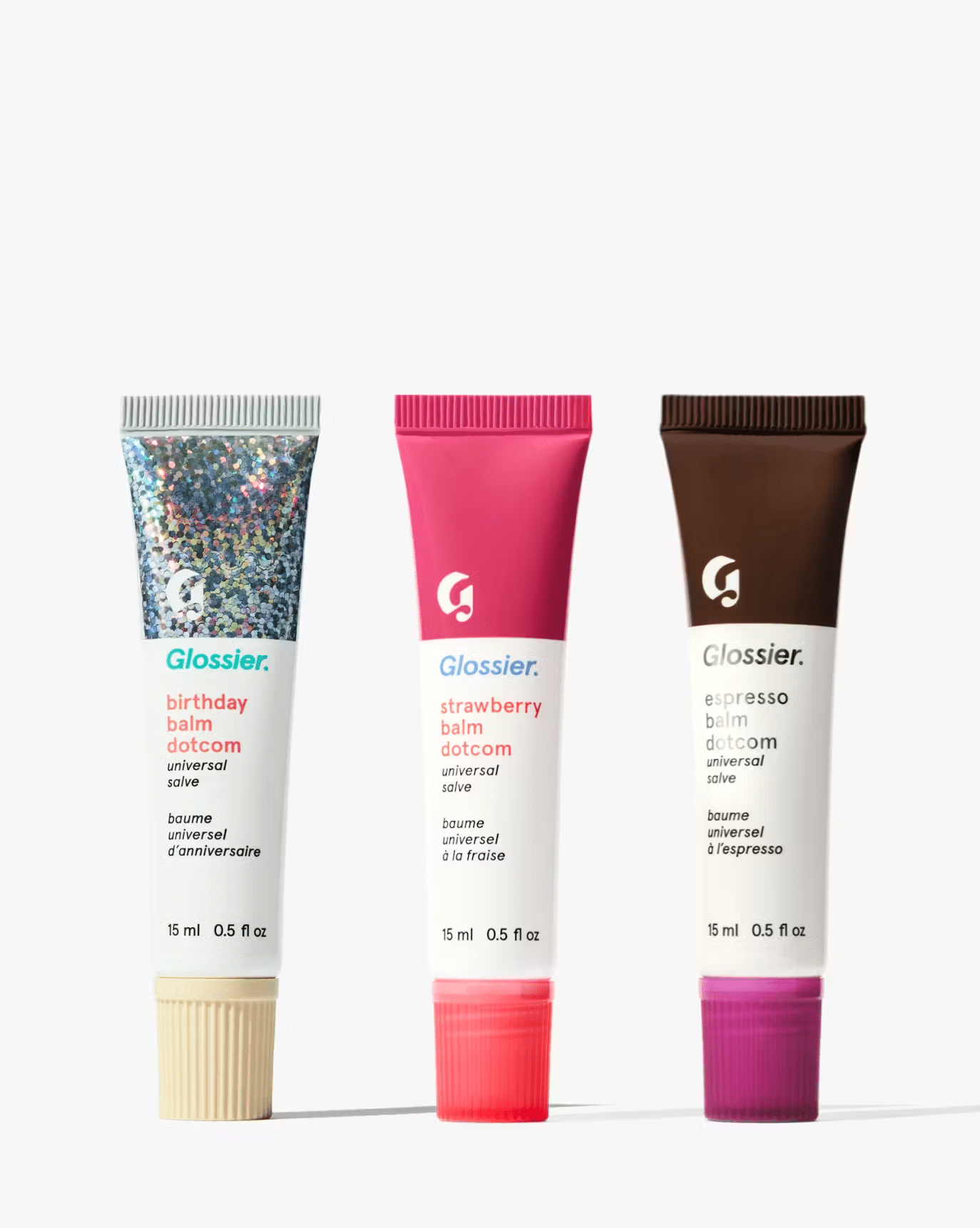
Glossier lip balms.
Warby Parker (Eyewear)
Warby Parker disrupted the eyewear industry by selling stylish, affordable glasses directly to consumers online cutting out the traditional markups of opticians and retail chains. Their home try-on program allowed customers to choose several frames, test them at home, and return what they didn’t like, making the online shopping experience feel personal and risk-free. Warby Parker also leaned into strong brand values, including social impact through their “buy a pair, give a pair” program, which helped build trust and goodwill among customers.
HelloFresh (Meal Kits)
HelloFresh brought the concept of meal kits into the mainstream by offering ready-to-cook meals with pre-portioned ingredients delivered directly to customers’ doors. By eliminating the need for grocery shopping and meal planning, HelloFresh appealed to busy consumers looking for convenience, healthier eating, and variety. The brand leveraged data-driven personalization, subscription models, and targeted digital marketing to quickly scale across markets and become a leader in the meal kit sector.
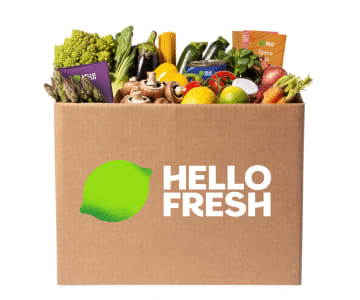
HelloFresh box.
Allbirds (Sustainable Footwear)
Allbirds became a footwear phenomenon by focusing on sustainability, comfort, and simplicity. Their direct-to-consumer model allowed them to introduce innovative materials like merino wool and sugarcane-based soles while maintaining affordable prices and transparency about their environmental impact. Allbirds’ focus on ethical sourcing, carbon footprint reduction, and sleek, functional design resonated strongly with eco-conscious consumers showcasing how mission-driven branding can drive loyalty and word-of-mouth growth.
What These D2C Success Stories Have in Common
While these brands operate in very different industries, they share several key strategies that contributed to their success:
- Customer-First Product Development: Listening to their audience and creating products that solve real problems.
- Strong Digital Presence: Leveraging social media, content marketing, and influencer partnerships to build communities and brand awareness.
- Clear Brand Purpose and Storytelling: Communicating not just what they sell, but why they exist - often tied to sustainability, transparency, or social impact.
- Direct Customer Engagement: Using feedback loops, UGC (user-generated content), and personalized marketing to foster loyalty and improve products.
- Flexible Business Models: Adopting subscription services, referral programs, and digital-first strategies that enhance convenience and customer retention.
These examples illustrate how the D2C model offers not only a way to sell products but also a platform for building lasting relationships and meaningful brands. Whether through innovative product design, mission-driven values, or exceptional customer experience, D2C brands have reshaped the landscape of modern consumer goods and continue to influence how future brands are built.
The Future of D2C: Hybrid Models and Omnichannel Strategies
While pure D2C brands have disrupted many traditional markets, the future is moving toward hybrid models. Many D2C brands are now combining direct sales with select retail partnerships, marketplaces like Amazon, or physical experiences like pop-up shops.
This hybrid approach allows brands to expand their reach while maintaining the direct relationships and control that made D2C successful in the first place.
Omnichannel strategies that blend online, offline, and social experiences help future-proof D2C brands against rising ad costs and evolving consumer behaviors.
Final Thoughts: Why D2C Works
D2C brands aren’t just selling products - they’re building relationships, delivering experiences, and telling authentic stories directly to their customers. This business model empowers brands to stay flexible, innovate quickly, and foster loyal communities.
With the right balance of quality products, strong branding, and data-driven marketing, D2C remains a powerful path for entrepreneurs looking to disrupt traditional markets and build meaningful consumer connections.
Related articles

10+ Top Supplement Trends in 2026 (Exclusive Wonnda Data)

PPWR Regulation: What EU Brands Must Do by 2030

White Label Mushroom Coffee: The 2026 Sourcing Guide for Brands
Made in USA Cookware: Why More Brands Are Reshoring Production

10+ Best European Supplement Brands in 2026

10+ Best German Supplement Brands in 2026

Top 5 D2C Trends to Watch for in 2026

10 Best German Skincare Brands Everyone Should Know