
Best private label face serum manufacturers
Source private label face serum suppliers through Wonnda. These high-active concentrates can be formulated as lightweight water-based gels or anhydrous systems, often packaged with droppers or in airless pump bottles. Key sourcing considerations include the stability of active ingredients like vitamin C, niacinamide, hyaluronic acid, or peptides, which directly impacts the product's efficacy and shelf life. Suppliers must demonstrate strong formulation expertise in delivering specific headline claims whether for brightening, pore refinement, hydration, or firming. Lead times are influenced by ingredient availability and the rigorous stability testing required for these complex formulations.
- Global facial serum market — the fast-growing, high-value serum segment of skin care
- 5.84 billion USD
- Facial serum market CAGR — outpacing the broader skin care market, driven by actives demand
- 6.7%
- Global skin care products market — serums punch above their volume share on value within this category
- 155.84 billion USD
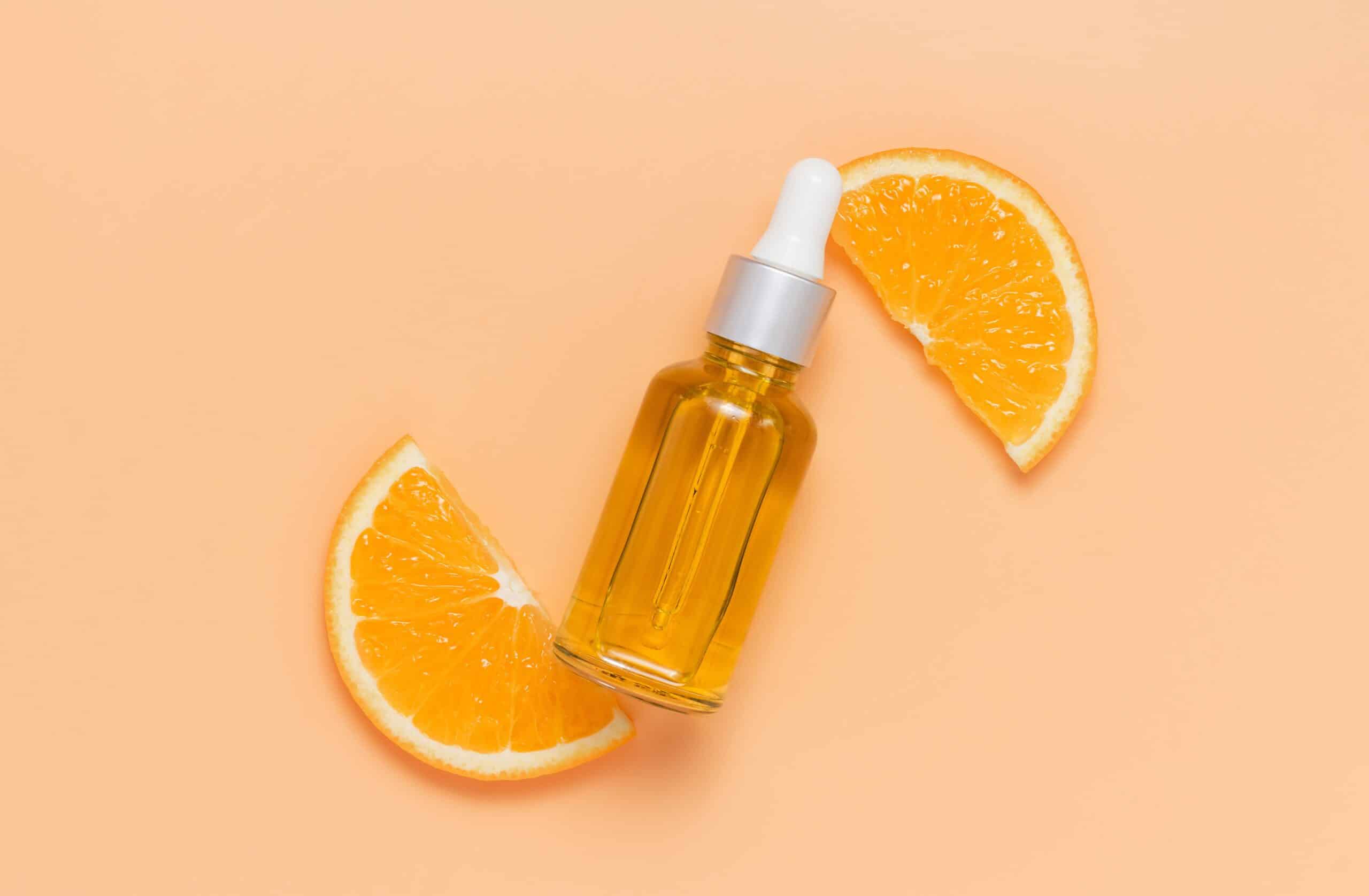
9+ Top private label face serum manufacturers
Wonnda works with the best private label face serum manufacturers. Here is a list of trusted suppliers from our network.
- Featured
Tsilkov
4.7Private LabelContract ManufacturingBulgaria-based manufacturer producing face sheet masks, tattoo aftercare creams, intimate skincare products, available to brands sourcing face serum.
- Country
- Bulgaria
- MOQ
- Lead time
- Featured
 Contract ManufacturingPrivate LabelWhite Label
San Marino manufacturer of supplements, medical devices and aesthetic skincare
- Country
- San Marino
- MOQ
- From 100 units for cosmetics; 500 units for injectables; 5,000 units for food supplements.
- Lead time
- About 4 weeks
- Featured
 Contract ManufacturingPrivate Label
ISO 22716 cosmetics contract manufacturer with in-house R&D lab in Poland
- Country
- Poland
- MOQ
- From 1,000 units for most creams, lotions, shampoos and toners; 3,000 units for perfumes; about 10,000 units for lip balms.
- Lead time
- 3-6 months new formula; 4-8 weeks repeat
- Featured
 Contract ManufacturingPrivate LabelWhite Label
Polish GMP manufacturer of dermocosmetics, skincare and supplements
- Country
- Poland
- MOQ
- From 5,000 units per product.
- Lead time
- Featured
 Private LabelContract Manufacturing
Germany-based manufacturer producing dietary supplements, natural cosmetics, hybrid cosmetics, available to brands sourcing face serum.
- Country
- Germany
- MOQ
- Lead time
- Featured
Panaka
4.7Private LabelContract ManufacturingSwitzerland-based manufacturer producing private label skincare serums, private label spf products, private label toothpaste, available to brands sourcing face serum.
- Country
- Switzerland
- MOQ
- Lead time
 Private LabelContract Manufacturing
Slovakia-based manufacturer producing dead sea body creams, dead sea body lotions, shampoos with dead sea minerals, available to brands sourcing face serum.
- Country
- Slovakia
- MOQ
- Lead time
 Private LabelContract Manufacturing
Germany-based manufacturer producing body wash, intensive moisturizing treatments, private label cosmetics, available to brands sourcing face serum.
- Country
- Germany
- MOQ
- Lead time
 Private LabelContract Manufacturing
Italy-based manufacturer producing facial creams, eye care products, lip care products, available to brands sourcing face serum.
- Country
- Italy
- MOQ
- Lead time
Compare MOQs and lead times
Quick side-by-side of the shortlist. Missing values shown as a dash.
| Supplier | Location | Types | MOQ | Lead time |
|---|---|---|---|---|
| Tsilkov | Bulgaria | PL · CM | ||
| PromoPharma | San Marino | CM · PL · White Label · WS | From 100 units for cosmetics; 500 units for injectables; 5,000 units for food supplements. | About 4 weeks |
| Cosmetics Laboratories | Poland | CM · PL | From 1,000 units for most creams, lotions, shampoos and toners; 3,000 units for perfumes; about 10,000 units for lip balms. | 3-6 months new formula; 4-8 weeks repeat |
| Equalan Pharma Europe | Poland | CM · PL · White Label | From 5,000 units per product. | |
| Azba Cosmetics | Germany | PL · CM | ||
| Panaka | Switzerland | PL · CM | ||
| BIO-ROM s.r.o | Slovakia | PL · CM | ||
| Atinacosmetics GmbH | Germany | PL · CM | ||
| NEW IDEA S.r.l. | Italy | PL · CM |
Buyer criteria
- Active-stabilization expertise
A serum's value is its concentrated active, so verify the manufacturer can keep that active potent, through pH control, antioxidants, chelators or encapsulation, and prove it with stability data including active assay over time. Ask specifically how they stabilize the active you want. A house that can compound a high concentration but cannot demonstrate it survives shelf life is selling a number on a label, since a degraded serum delivers nothing despite its claim.
- Water-based versus anhydrous capability
Confirm the manufacturer can build the system your active actually needs, recognizing that unstable actives like L-ascorbic acid often require an anhydrous base while water-soluble actives suit aqueous serums. Ask whether they run anhydrous serum production, which is a specialist capability. A house that only makes water-based serums cannot properly deliver a stable pure vitamin C, so match the manufacturer's system capability to your hero active before committing.
- Honest, effective concentration
Verify the active is dosed at a concentration that actually works and that the manufacturer can assay the finished serum to confirm it. Ask for the exact percentage and the assay method. Serums are marketed heavily on concentration, so a number on the front of pack that the formula does not actually deliver, or cannot be measured, is both misleading and a claim risk. Effective, verifiable concentration is the heart of a credible serum.
- Oxygen-protective packaging logic
Confirm the packaging recommendation protects the active rather than just looking premium, since a glass dropper reintroduces air on every use and oxidizes sensitive actives, while an airless pump seals them. Ask how the packaging ties to the stability data for your specific active. A house that defaults to a classic glass dropper for an oxygen-sensitive vitamin C without flagging the trade-off lacks the protection logic a serum demands.
- pH and tolerability control
Many serum actives, vitamin C, AHAs, some retinoids, depend on a precise pH for both efficacy and skin tolerability, so confirm the manufacturer controls and validates pH and has considered irritation potential at the chosen concentration. Ask how they balance the highest effective dose against tolerability. A serum that is potent but irritating, or that drifts in pH over shelf life, will lose customers and risk safety concerns.
- Texture and layering performance
Serums sit under moisturizer and makeup, so they must absorb quickly and layer without pilling, tackiness or a sticky film. Assess the manufacturer's ability to deliver a light, fast-absorbing feel at your active load, and test production-representative samples on skin under a moisturizer. A high-active serum that feels sticky or pills under subsequent products loses the daily-routine fit that drives reorder, so sensory performance is a core qualification.
- ISO 22716 GMP and EU compliance wrap
Require ISO 22716 GMP with a scope covering active-led skin care, and confirm the manufacturer handles or arranges the safety assessment, PIF, CPNP notification and Responsible Person. For high-active serums, ask how concentration limits, tolerability and efficacy claims are documented. A house fluent in Regulation 1223/2009 manages the heightened scrutiny that potent serums attract and keeps both the formula and its headline claim defensible.
Red flags
- No active assay over shelf life
If a manufacturer cannot assay the active and show it holds across shelf life, the serum's headline concentration is unverified and may degrade to ineffective levels before use. For a product sold on its active, this is the central failure mode. Browning in a vitamin C serum is a visible warning. Refuse to scale any high-active serum without stability data including active assay proving the labeled concentration actually survives.
- Aqueous pure vitamin C with no stability proof
Pure L-ascorbic acid in a water-based serum oxidizes rapidly unless expertly stabilized, so a manufacturer offering an aqueous high-percentage vitamin C without robust stability and assay data is likely shipping a serum that browns and dies in the bottle. Either an anhydrous base, a proven stabilized aqueous system, or a stable derivative is needed. Treat an unstabilized aqueous vitamin C claim as a serious competence warning.
- Glass dropper for an oxygen-sensitive active
Recommending a classic glass dropper for a vitamin C or retinol serum signals a manufacturer prioritizing aesthetics over protection, since the dropper draws air into the bottle on every use and accelerates oxidation. The serum loses potency long before the consumer finishes it. Indifference to the dropper-versus-airless trade-off for a sensitive active reveals a lack of genuine high-active serum experience.
- Concentration claimed but not measurable
A bold percentage on the front of pack that the manufacturer cannot verify by assay in the finished product is a marketing number, not a formulation fact. Ask how the stated concentration is confirmed in the actual serum. A house that markets a high concentration but cannot or will not measure it is exposing your brand to a misleading-claim challenge in a category where concentration is the primary purchase driver.
- No pH control or tolerability consideration
A serum with actives that depend on pH, vitamin C, acids, certain retinoids, shipped without pH validation and irritation consideration risks being either ineffective or irritating, and pH drift over shelf life worsens both. A manufacturer that does not discuss pH and tolerability at your chosen concentration lacks active-formulation rigor, which in a potent leave-on product is both an efficacy and a safety failure.
- Sticky or pilling texture ignored
A serum that feels tacky or pills under a moisturizer or makeup breaks the daily routine and kills reorder, yet some houses treat texture as secondary to the active. If samples feel sticky or roll up under subsequent products and the manufacturer cannot refine the base to fix it, the serum will fail in real use regardless of its active. Refusal to provide layering-representative samples is a clear warning.
Manufacturing process
- 01
Active selection and system decision
The brand fixes the hero active and the manufacturer determines whether it lives in a water-based or anhydrous system, since the active dictates the chemistry. Niacinamide, hyaluronic acid and many peptides suit aqueous serums, while unstable actives like pure L-ascorbic acid vitamin C need an anhydrous base or a stable derivative. This active-to-system decision precedes everything and sets the stability strategy, the feel and the achievable concentration.
- 02
Concentration and base formulation
The active is dosed to an effective, studied concentration and the base, gelling agents and humectants in water-based serums, or carrier esters and silicones in anhydrous ones, is built to deliver it with the target light, fast-absorbing feel. pH is critical for actives like vitamin C and acids. The chemist balances the highest credible active dose against stability, tolerability and sensory feel.
- 03
Stabilization and antioxidant strategy
Concentrated actives degrade easily, so the formula incorporates pH control, chelators, antioxidants and sometimes encapsulation to protect potency. Vitamin C may be paired with vitamin E and ferulic acid, retinoids encapsulated, peptides buffered. This stabilization work is the defining serum competence, since a high concentration on the label means nothing if the active oxidizes or hydrolyzes before the consumer uses it.
- 04
Stability and active-assay validation
The serum undergoes accelerated and real-time stability testing with active assay at intervals to confirm the concentration holds across shelf life, and color and clarity are monitored since browning signals vitamin C oxidation. This is more demanding than for low-active products. The output is data proving the labeled concentration survives, which underpins both the efficacy claim and the price the serum commands.
- 05
Packaging selection for oxygen control
Packaging is chosen to protect the active: airless pumps and opaque or violet-glass components for oxygen- and light-sensitive serums, glass droppers only where the active tolerates repeated air exposure. Packaging-compatibility testing confirms no interaction with the concentrate. For a vitamin C or retinol serum the airless choice is functional, since a dropper reintroduces air to the bottle on every single use.
- 06
Safety assessment, PIF and CPNP
A qualified safety assessor produces the Cosmetic Product Safety Report and PIF under EU Regulation 1223/2009, checking active concentration against restricted limits, pH safety and allergens, and the serum is notified on CPNP under a Responsible Person. High-active serums draw particular scrutiny on tolerability and concentration limits, so this wrap ties the potent formula to a defensible safety and claims position.
- 07
Compounding and filling under ISO 22716
Approved serum is compounded under ISO 22716 GMP, often under conditions that limit oxygen and light exposure for sensitive actives, then filled into droppers, airless pumps or vials on the matched line. Anhydrous serums require handling suited to water-free systems. In-process checks cover pH, appearance, viscosity and fill volume, with batch records documenting each lot and its active handling.
- 08
QC, labeling and batch release
Finished serum is tested for microbiology where relevant, pH, appearance, and active assay against the labeled concentration, the strongest proof the serum delivers its claim, then labeled with INCI, allergens, period-after-opening, batch code and Responsible Person details. Anhydrous serums have lower microbial risk but still need full QC. Batches release with documentation linking the assay to the marketed concentration.
Understanding face serum private-label manufacturing
Formulation Types
A face serum is a high-active concentrate, typically a lightweight water-based gel or an anhydrous (water-free) system. It is designed to deliver a high dose of actives into the skin quickly and with minimal occlusion.
Serums split into two primary formulation worlds. Water-based serums are aqueous or gel systems suitable for water-soluble actives such as niacinamide, hyaluronic acid, and many peptides. They feel light and absorb quickly.
Anhydrous serums contain no water, which is the only reliable way to keep highly unstable actives potent. These include pure L-ascorbic acid vitamin C or certain retinoids, as water drives their degradation. The active itself dictates the system; a brand must decide on the stability implications when choosing a vitamin C serum, for example.
MOQs and Lead Times
MOQs for a stock-formula serum can start around 1,000 to 3,000 units. Bespoke high-active serums have higher MOQs due to development and the stability testing required for concentrated actives.
Lead times typically run 8 to 16 weeks. These times can extend when a sensitive active needs stability validation.
Cost drivers, in order of impact, include the active grade and dose (e.g., a high-percentage stable vitamin C or a patented peptide). Other factors are stability and protective packaging, the delivery system and base, and the regulatory wrap.
Manufacturing and Market
European serum contract manufacturing clusters are located in Italy, France, Germany, Poland, and Spain. France and Germany are particularly strong in active-led and dermo-cosmetic formulation.
The global facial serum market was valued at approximately 5.84 billion USD in 2024. It is projected to grow at about 6.7 percent CAGR to 2030, which is faster than the broader skin care market.
Within a global skin care market near 155.84 billion USD in 2025, serums have a disproportionately high value share compared to their volume share. This is due to their high active load and price per milliliter.
Quality and Certifications
Sourcing serums primarily focuses on actives and the packaging that protects them. The choice between a dropper and an airless pump for packaging is a stability and dosing decision.
A glass dropper exposes oxygen-sensitive actives to air with each use, while an airless pump protects them. Qualifying a partner requires assessing their active-stabilization expertise and the packaging logic that protects those actives.
EU compliance is essential, requiring ISO 22716, CPNP, and a Responsible Person. If a serum's vitamin C oxidizes or a peptide degrades, the product delivers nothing, and the high price point makes such a failure especially damaging to consumer trust.
How private label works for face serums
Serum private label is an active-stabilization business. A brand briefs a contract manufacturer on the hero active, the target concentration, the positioning and the feel, and the manufacturer determines the system, water-based or anhydrous, that can carry that active stably and develops or customizes the formula around it. The decision that governs everything is the active-to-system match, because the whole purpose of a serum is concentration, and concentrated actives are the hardest to keep potent. The core competence a brand buys is the ability to stabilize a high active dose and prove it survives to the consumer.
The sequence runs from active selection to system decision, then concentration and stabilization, then stability validation with active assay, then oxygen-protective packaging. A brand that picks a glass dropper or a bold percentage before settling the active's stability strategy usually has to unwind those choices, since an unstable active in an air-exposed package, or a headline concentration the formula cannot hold, defeats the product.
The hero active also dictates the texture a brand can promise. A water-light vitamin C serum, a richer oil-serum carrying a fat-soluble active, and a niacinamide gel feel entirely different on the skin, and the active and its system set those constraints before texture is even discussed. Briefing the active and the desired feel together lets the manufacturer find a workable system, while demanding a particular sensory result that the chosen active cannot support is a common cause of stalled development.
Premium versus commodity serums
A premium serum is defined by an effective, verifiable active concentration that stays stable, none of which is visible at the point of sale. A commodity serum stamps an impressive percentage on the front, doses or stabilizes the active poorly, and ships it in whatever package looks the part. A premium serum doses the active to a studied, tolerable level, stabilizes it with pH control, antioxidants or encapsulation, proves the concentration by assay over shelf life, and packages it to keep air out.
Verifiable, surviving concentration is the integrity line in serums. Because the active is the dominant cost and its degradation is invisible until results never appear, or until a vitamin C browns, the easiest way to cut corners is to under-deliver or under-stabilize while keeping the label number. Brands that dose honestly, stabilize properly and package to protect the active earn the reorder that a high price per milliliter demands.
The headline percentage deserves particular scrutiny because it is so easily gamed. A high number is meaningless if the active is poorly stabilized and degrades within weeks, or if it is dosed above the level the skin tolerates and simply causes irritation. A premium house treats concentration as a target to hit and hold, validated by assay across shelf life, while a commodity approach treats it as a marketing figure to print, indifferent to whether the active is still present when the customer opens the bottle.
Sourcing geography for serums
European serum manufacturing concentrates in Italy, France, Germany, Poland and Spain, with France and Germany particularly strong in active-led and dermo-cosmetic formulation and the stability and assay capability that high-active serums require. South Korea is a major global force in trend-led actives and serum textures, often setting ingredient trends, which EU brands weigh against lead time and import-and-notification documentation.
For EU brands, formulating serums within Europe keeps the Responsible Person, Product Information File and notification machinery close, shortens the longer stability-iteration cycles that concentrated actives need, and eases audits. An actives-led or dermo-cosmetic serum story almost always stays in Western European production, where stabilization depth and compliance control justify the higher unit cost, which the serum's price per milliliter readily supports.
Cost structure of a serum
The serum cost stack is led, even more than other skin care, by the active and the work to keep it stable. For a typical serum it runs active grade and dose, then stability and protective packaging, then the delivery base, then the regulatory wrap.
- Active grade and dose: the dominant cost; a stable high-percentage vitamin C or a patented peptide can exceed everything else combined.
- Stability and packaging: stabilization systems plus airless or opaque components to control oxygen and light.
- Delivery base: aqueous gel systems or anhydrous carriers tuned for a light, fast-absorbing feel.
- Regulatory and testing: safety assessment, Product Information File, notification, plus the heavier stability and active-assay work serums require.
- Filling and quality control: dropper or airless filling, often under oxygen control, plus pH and assay checks.
Sourcing discipline means investing in active grade, stabilization and protective packaging, since these, not the base, are where a serum's efficacy, its price justification and its real cost all sit.
Compliance and certification landscape
EU serums are governed by Regulation 1223/2009, requiring a Responsible Person, a Product Information File, a Cosmetic Product Safety Report, notification and good manufacturing practice, with ISO 22716 the recognized standard. High-active serums draw particular scrutiny on concentration limits for regulated actives, pH and tolerability, all assessed in the safety report. Labeling covers the ingredient list, the declarable allergens, period-after-opening and Responsible Person details, and efficacy claims, often built around the active and its concentration, must meet the common criteria and be substantiated.
Some actives sit near the cosmetic-medicine borderline, and retinoid concentrations in particular face evolving EU limits, so a manufacturer must keep formulas within permitted levels. For clean or natural serums, standards such as COSMOS constrain stabilizers and preservatives, complicating active stability. For sales beyond the EU, the UK regime and the US framework under the modernized cosmetics rules add further duties. A manufacturer fluent in these rules keeps a potent serum both compliant and its concentration claim defensible.
Packaging as part of the formula
For a serum, the package is not a container around the product but a working part of the stabilization system. Oxygen and light are the principal enemies of concentrated actives, and a glass dropper bottle, attractive though it is, repeatedly exposes the contents to air every time it is opened. Airless pumps, opaque or amber glass, and tightly sealed components extend the working life of a sensitive active far more than any preservative can, which is why packaging is settled alongside the formula rather than after it.
The trade-off is between visual appeal and protection. A clear dropper sells the look of a serum but suits stable, robust actives, while a vitamin C or a retinoid generally needs an airless or opaque format to survive its shelf life. A brand that chooses packaging on aesthetics alone can undo the stabilization work it paid for, browning a vitamin C or oxidizing a retinoid before the customer sees a result. Matching the package to the active's sensitivity is one of the clearest tests of whether a manufacturer is treating the serum as a system or as a label.
Industry insights
Frequently asked questions
Why are some serums water-based and others anhydrous?+
How do I keep a high-percentage vitamin C serum from oxidizing?+
Should my serum use a glass dropper or an airless pump?+
What concentration of an active actually works in a serum?+
Can I combine multiple actives like vitamin C, niacinamide and hyaluronic acid in one serum?+
How is a serum different to formulate than a face cream?+
What MOQ and lead time should I expect for a private label serum?+
How do I make sure my serum absorbs well and layers under other products?+
Explore adjacent product types
Get a vetted shortlist of face serum suppliers in 48 hours.
Post a brief on Wonnda. Free, no commitment. We match you with vetted manufacturers that fit your MOQ, format and market.