
New Product Development Process: Everything You Need to Know

Key Takeaways
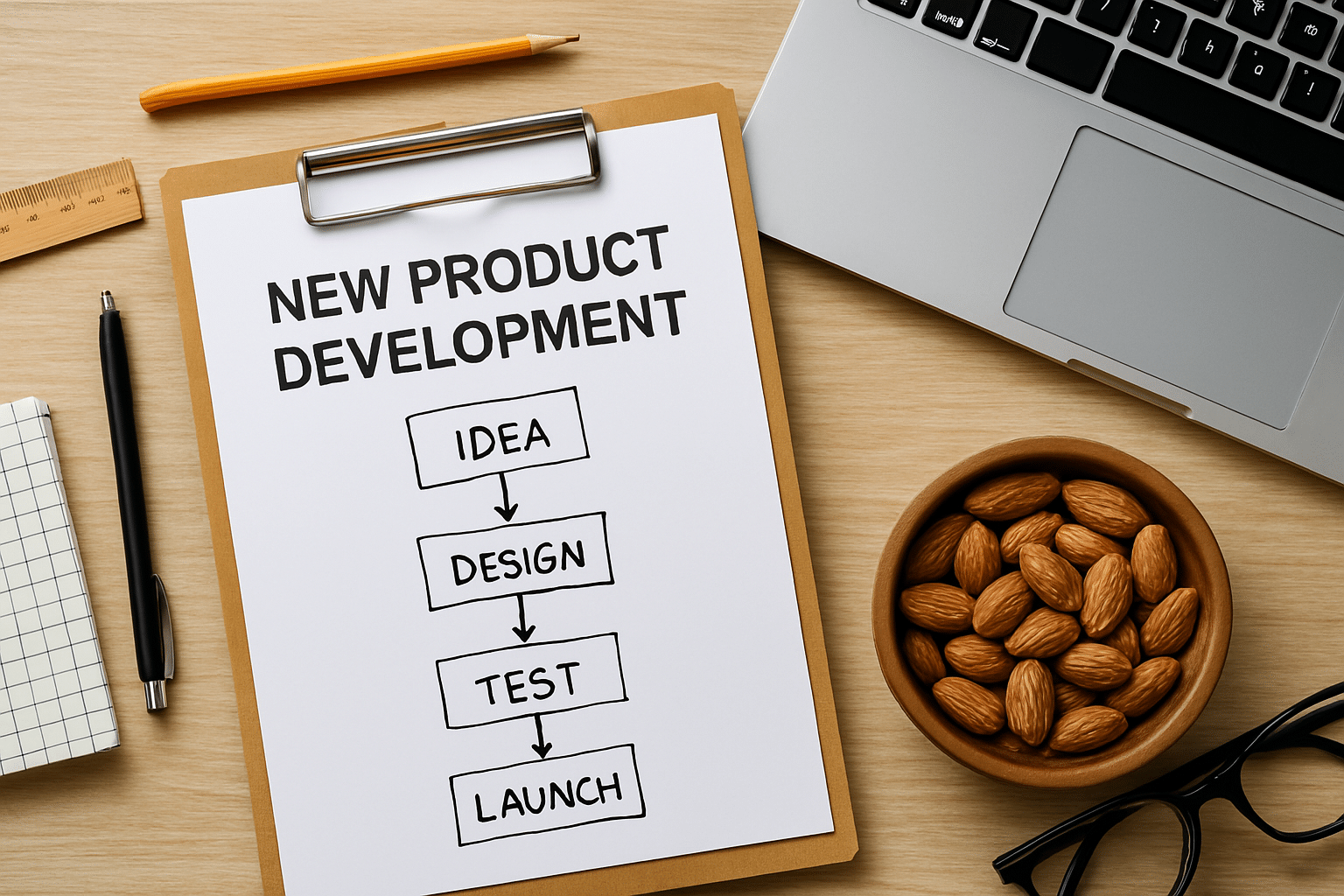
- The new product development (NPD) process turns a product idea into a market-ready item through structured stages.
- It includes steps like idea generation, concept testing, development, and commercialization.
- Different types of product development allow brands to innovate, expand, or improve what they offer.
Why the Product Development Process Matters
In today’s fast-paced market, launching a product without a clear plan is risky. Whether you're a startup creating your first private label product or a growing brand adding to your line, following a structured development process helps you bring ideas to life with confidence.
The new product development process is a practical framework that guides you from idea to launch. It helps you test what works, avoid costly mistakes, and stay aligned with customer needs.
Let’s explore how it works - and how you can use it to build products that succeed.
What Is the New Product Development Process?
New product development (NPD) is the step-by-step process companies use to turn an idea into a final product that’s ready for the market. It covers everything from concept validation and business planning to formulation, prototyping, and launch strategy.
This process applies across many industries - including food and beverage, skincare and beauty, wellness, household products, and fashion - especially for physical consumer products.
Each step helps reduce risk and ensures your product is viable, desirable, and profitable.
The 7 Stages of the New Product Development Process
Idea Generation
Every product starts with an idea. This stage is all about exploration, curiosity, and creativity. The goal is to uncover problems you can solve, needs you can meet, or trends you can build on.
You might find ideas through:
- Customer feedback or recurring questions
- Social media trends or online communities
- Gaps in your current product line
- Competitive analysis or market research
- Inspiration from suppliers or trade shows
At this point, don’t worry about cost, feasibility, or scale. You’re simply generating possibilities and filling your product development pipeline.
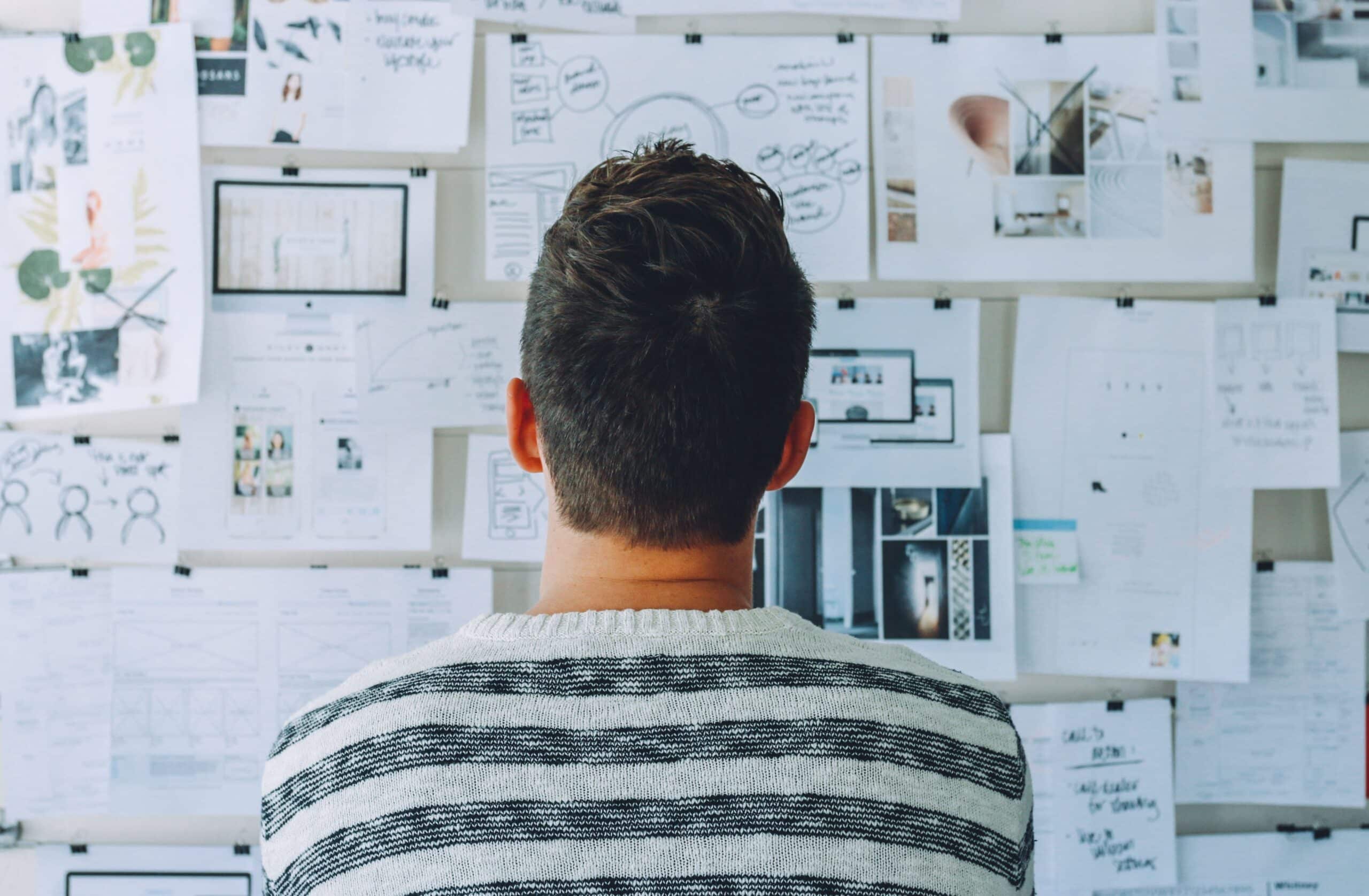
Brainstorming new product ideas.
Idea Screening
Not every idea is worth developing. The screening stage helps you evaluate which concepts have real potential and which don’t align with your business goals or resources.
This is where you begin asking practical questions:
- Does this product solve a clear problem or meet a demand?
- Can we produce it within budget and timeline?
- Does it match our brand values and capabilities?
- Is the market already oversaturated with similar options?
The goal is to avoid wasted resources. You’ll come out of this stage with a short list of viable ideas that are ready to become real concepts.
Concept Development and Testing
Now it’s time to bring your chosen idea to life in more detail. This means turning it into a defined product concept with a clear purpose, audience, and point of difference.
You’ll start by describing the product: what it is, how it works, and who it’s for. This can include sketches, mood boards, packaging drafts, and positioning statements. Once your concept is clear, you test it with real people - ideally those in your target audience.
Good concept testing helps you answer:
- Do people understand the product and its value?
- Are they interested in buying it?
- What would they change or improve?
Their input helps you refine your idea before moving into development, saving time and reducing risk later.
Business and Feasibility Analysis
Even if the idea is exciting, it has to make business sense. This stage is where you crunch the numbers and look at operational fit. You’ll estimate the cost of goods, including raw materials, packaging, manufacturing, and logistics. Then, you compare that to your intended retail price and assess your profit margins.
Other factors to consider include:
- Minimum order quantities (MOQs)
- Production lead times
- Required certifications or compliance steps
- Break-even point and ROI
- Scalability and supply chain readiness
If the numbers don’t work, it doesn’t mean the idea is dead. You might need to adjust ingredients, size, packaging, or price to make it viable.
Product Development
This is the hands-on creation phase where your idea becomes a tangible product. You’ll collaborate with manufacturers or suppliers to create samples, refine the formula or structure, and test packaging.
This process may include:
- Choosing materials or ingredients
- Formulating and testing samples
- Designing packaging and labels
- Ensuring quality, safety, and regulatory compliance
- Revising based on test results or feedback
Expect a few rounds of sampling and tweaks. Each version brings you closer to the final product. Communication with your production partner is critical here - clear specifications, timelines, and expectations will help everything run smoothly.
Market Testing
Before going all-in, you test the product on a small scale. This is your chance to see how it performs in the real world, gather feedback, and catch any issues before a full launch.
You might:
- Offer a limited drop through your website
- Test in a local store or pop-up
- Partner with a small group of brand ambassadors or early adopters
Through this, you can measure customer reactions, identify pain points, and refine messaging or pricing. It’s also a smart way to build buzz and gather testimonials ahead of your full launch.
Commercialization and Launch
With a tested product and solid plan, you're ready to launch. This final stage is where everything comes together - production, logistics, marketing, and distribution.
You prepare your website, retail listings, or distributor materials. You finalize packaging, stock inventory, and launch promotional campaigns. Your product is now available to customers.
Post-launch, it’s important to track performance. Look at sales, reviews, reorder rates, and customer feedback. These insights will help you fine-tune future versions or develop new products based on what you’ve learned.
A successful launch isn’t the end - it’s the beginning of your product’s real journey in the market.
Proven Best Practices for Successful Product Development
Bringing a new product to market takes more than just a great idea. The most successful brands follow thoughtful, repeatable practices that help them launch faster, avoid costly mistakes, and build products people actually want.
Here’s what to keep in mind as you develop your next product:
Start with the customer - always
The best products solve real problems or fulfill unmet needs. Before you invest in development, make sure you understand who your customer is, what they care about, and how your product fits into their life. Build around their pain points, not just trends.

Understand your customers.
Validate early and often
Don’t wait until production to get feedback. Test your ideas, concepts, and samples with real users as early as possible. The sooner you identify what works - or what doesn’t - the easier it is to pivot without losing time or money.
Focus on clarity and communication
Miscommunication is one of the biggest risks in product development. Be clear with your suppliers and partners about specs, expectations, and timelines. Document everything, from ingredient lists to packaging sizes, and confirm changes in writing.
Track your costs from day one
Margins matter. Keep a close eye on cost of goods, packaging, production, shipping, and marketing - not just individually, but together. Make sure your pricing strategy leaves enough room for sustainable growth and profitability.
Partner with experienced manufacturers
Working with the right production partner can make or break your launch. Choose suppliers who specialize in your category, understand regulatory requirements, and can support you as you grow. Vet them thoroughly and start with smaller runs before scaling.
Plan for testing, revisions, and delays
Even well-managed projects hit snags. Build flexibility into your timeline and budget for a few rounds of revisions. Allow time for real-world testing, compliance reviews, and small fixes before going to market.
Launch is just the beginning
Once your product is live, pay close attention to customer feedback, reviews, and reorder data. This information is invaluable for refining your current product and inspiring your next one. Think of your launch as a learning opportunity, not a final destination.
How Wonnda Helps You Launch Products Faster
At Wonnda, we support brands through every stage of product development in FMCG categories. Whether you’re launching a private label line or developing a custom formula, our platform helps you connect with verified manufacturers.
You can browse suppliers by category, request samples and quotes, compare capabilities, and manage sourcing in one place. With Wonnda, you launch smarter - with less risk, more speed, and full control over your brand.
Related articles
15+ Best Longevity Supplements - 2026 List

10+ Best Products to Sell from Home in 2026
Best Products to Sell on Instagram in 2026
10 Innovative Creator Economy Startups to Watch in 2026

How to Start a Skincare Line: 2026 Guide
The 10 Best Brain-Boosting Focus Supplements in 2026
Cannabis Benefits, Regulations, and CBD Ideas in 2026
The Top 5 Natural Ingredients for Your Supplement Brand in 2026