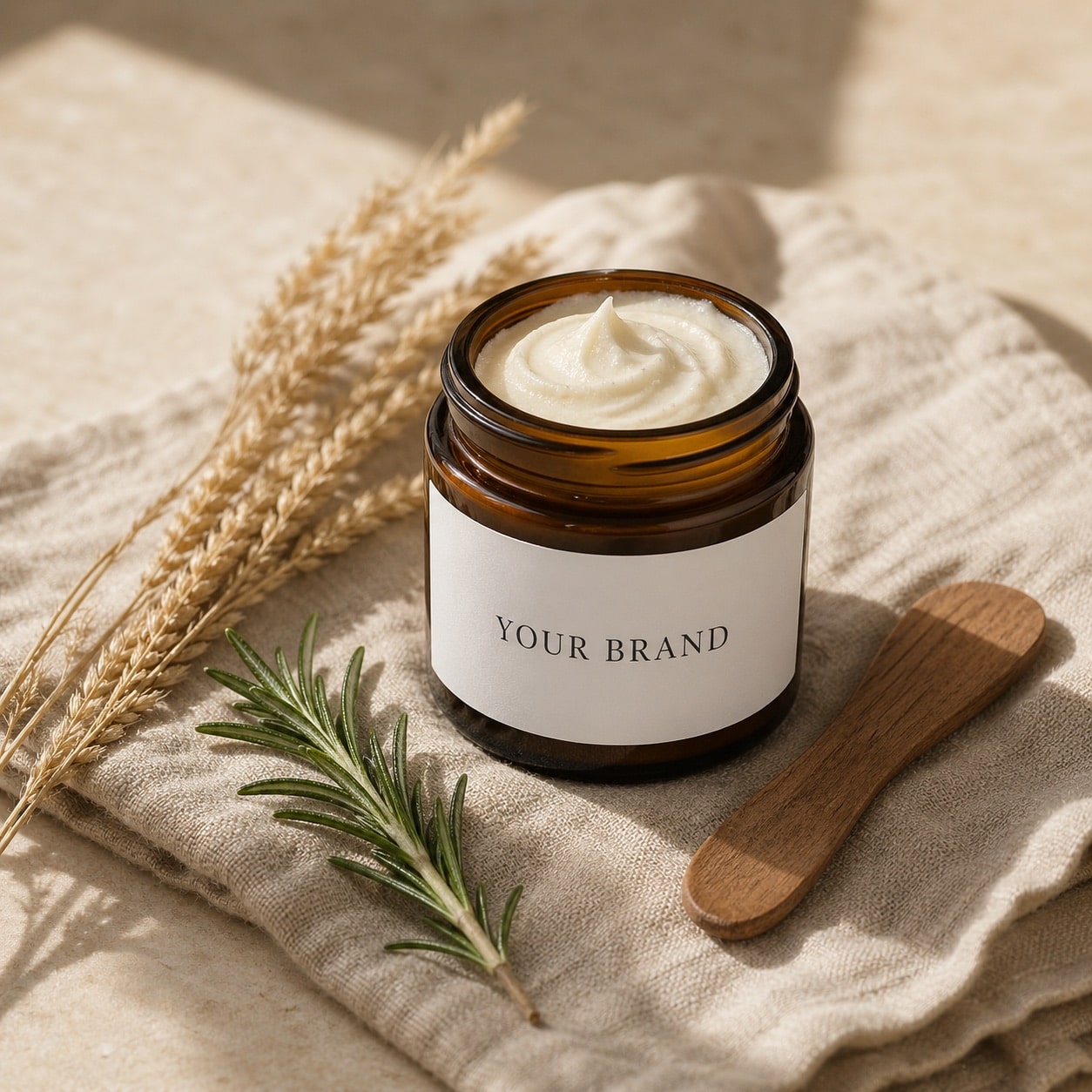
How to Launch Private Label Skincare Products: A Step-by-Step Guide

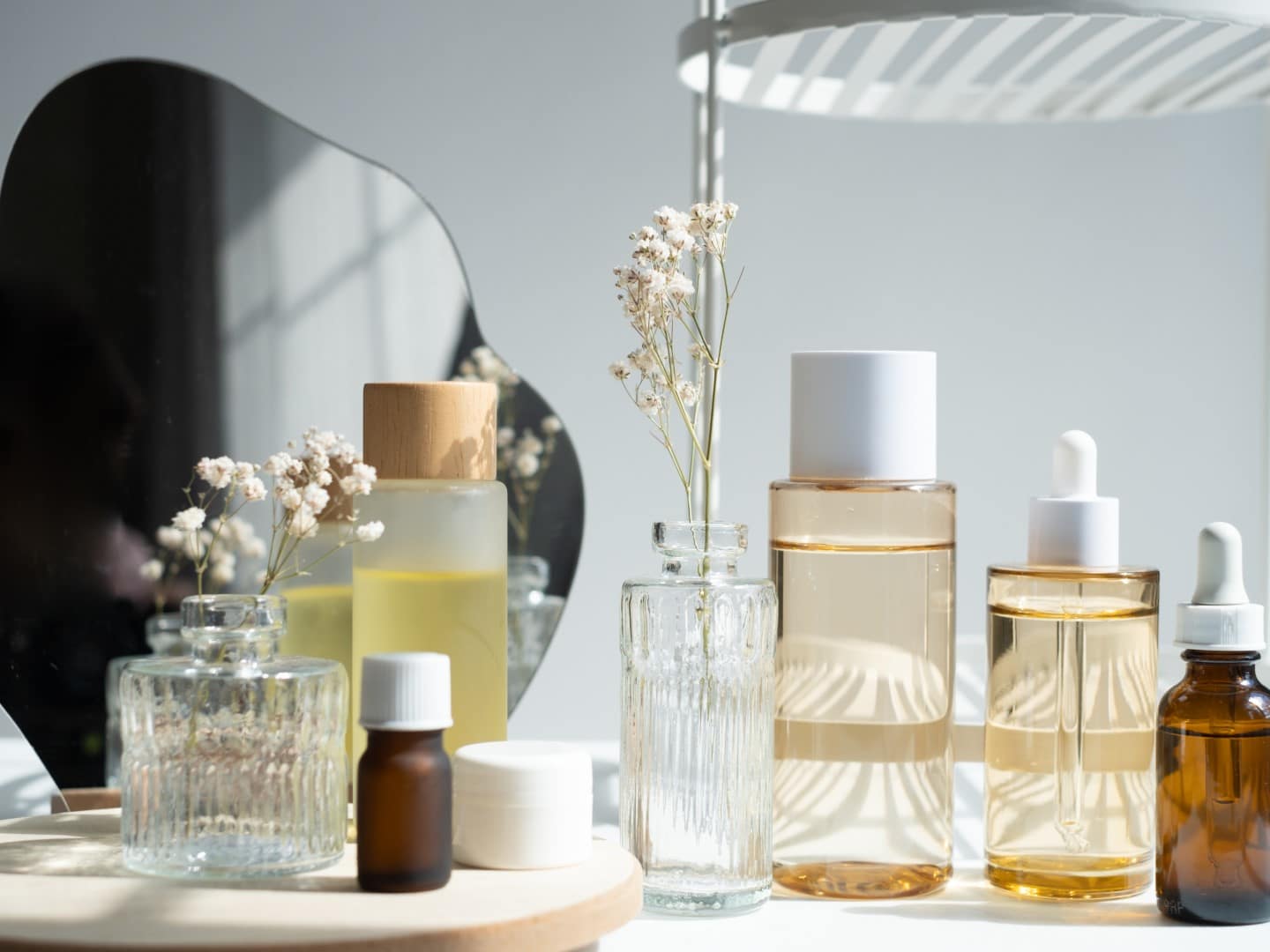
Key Takeaways:
- Private label skincare allows you to launch high-quality products under your own brand without investing in formulation or manufacturing.
- The key to success lies in having a clear brand vision, choosing the right manufacturer, and ensuring product quality and compliance.
- Platforms like Wonnda streamline the process by connecting you with vetted skincare suppliers
The skincare industry is booming, and private label manufacturing is making it easier than ever for new brands to enter the market. Whether you’re launching a clean beauty line, creating a wellness-inspired range, or offering affordable everyday essentials, private label is a fast, scalable, and low-risk way to bring high-quality skincare products to life without building your own lab or production facility.
In this article, you'll learn how private label skincare works, how to choose a manufacturer, and what steps you need to take to build and launch a skincare brand customers will trust.
What Is Private Label Skincare?
Private label skincare is when a product is manufactured by a third-party company and sold under your own brand name. The manufacturer typically offers ready-to-go, tested formulations that you can brand and package according to your vision. You handle the branding, marketing, and sales - the supplier handles the production.
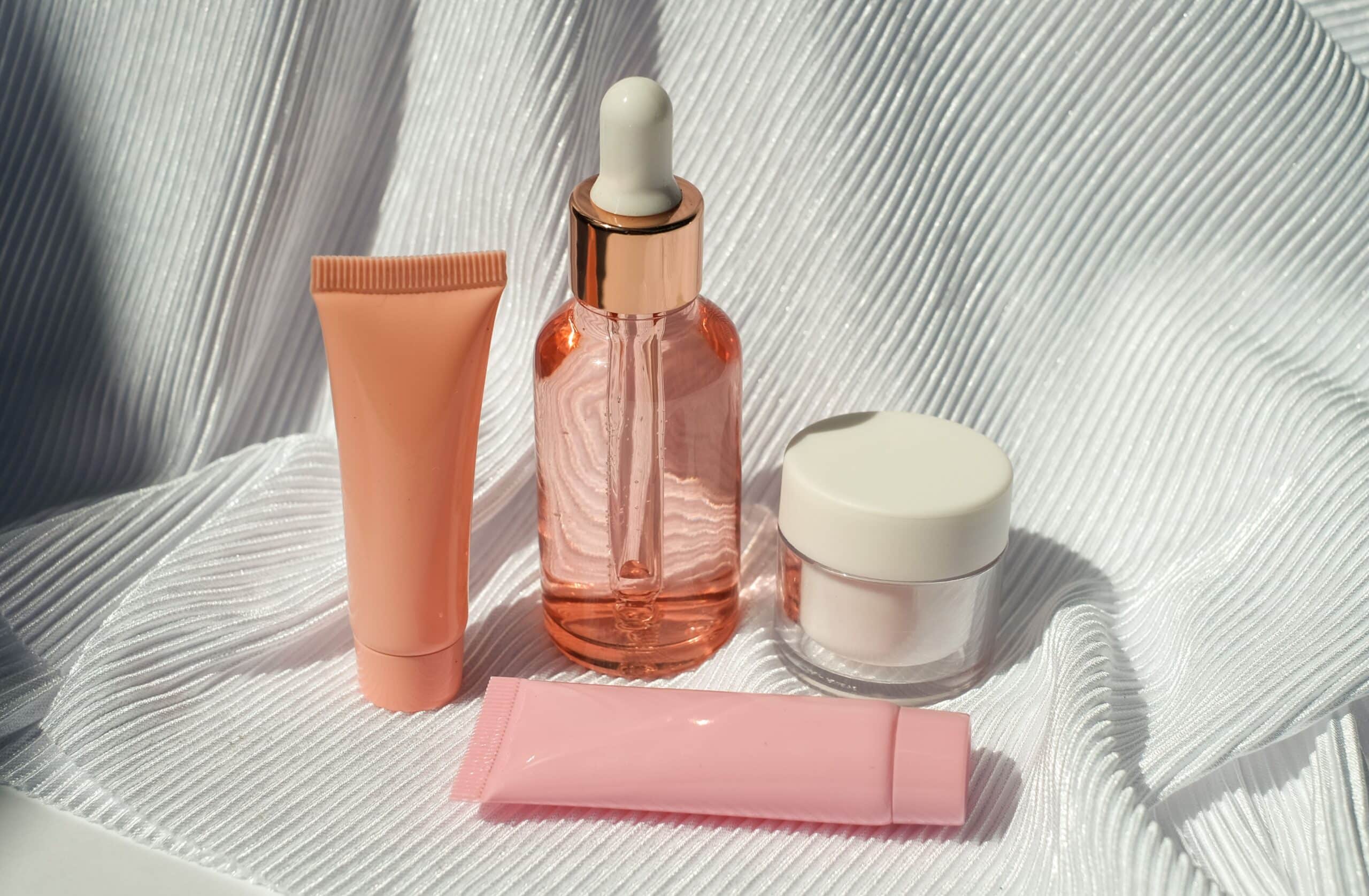
Private label skincare.
This allows you to launch products much faster and with less upfront cost than developing a custom formula from scratch.
Step-by-Step: How to Launch Your Private Label Skincare Brand
Step 1: Define Your Brand Identity and Product Concept
Before selecting formulas or choosing packaging, you need a strong foundation and that begins with brand identity. In a crowded skincare market, having a clear point of view helps you stand out, attract loyal customers, and communicate your value effectively.
Start by identifying your target customer. Are you creating a routine for Gen Z skincare beginners? Are you solving common concerns like adult acne or hyperpigmentation? Are you targeting busy professionals, eco-conscious shoppers, or people who want effective but gentle routines? Be as specific as possible. The more focused your target audience is, the easier it will be to make product and branding decisions that resonate.
Next, define the problem your brand solves and how your products will make customers feel. Is your line all about simplicity - a no-fuss, three-step solution? Or are you offering premium self-care experiences with rich textures and elegant packaging? Will your products highlight active ingredients, or will you take a more natural or holistic approach?
Consider your brand values. These are the principles that will influence your messaging and your choices around sourcing, packaging, and marketing. For example:
- Sustainability: Will you use recyclable or refillable packaging?
- Transparency: Will you clearly explain every ingredient on your label?
- Inclusivity: Will your products work across different skin types and tones?
Then, determine your tone of voice and visual identity. Are you playful or scientific? Minimalist or bold? Affordable or luxury? This tone will shape your product names, website copy, and social media style.
Finally, outline your product concept. Will you launch with a full routine, or start with one standout product like a hydrating serum, exfoliating cleanser, or SPF moisturizer? What makes your product line different and why will people care?
Step 2: Find a Trusted Private Label Manufacturer
The quality of your product depends heavily on the manufacturer you choose. Look for a skincare manufacturer that specializes in private label and is comfortable working with your target volumes and markets.
Key factors to look for include:
- Experience producing skincare in your desired format (e.g., creams, serums, masks)
- Certifications like GMP, FDA registration (for the U.S.), cruelty-free, or organic
- Transparent pricing and minimum order quantities (MOQs)
- Willingness to send product samples and support compliance requirements
How Wonnda Helps You Launch Smarter
Wonnda is a digital sourcing platform built for modern product brands. If you're looking to launch a skincare line without spending months searching for reliable partners, Wonnda connects you with vetted best private label manufacturers - all in one place.
On Wonnda, you can:
- Browse by product category, MOQ, certifications, and production capability
- Request quotes and samples directly through the platform
- Track your communication, quotes, and production progress in one dashboard
It’s the easiest way to go from idea to shelf with fewer risks and more control over your sourcing journey.
Step 3: Choose Your Product Range and Test It
Once you’ve defined your brand identity and chosen a manufacturing partner, it’s time to select the actual skincare products you’ll bring to market. Most private label manufacturers offer a wide catalog of pre-developed formulations, which may include everything from simple cleansers to advanced anti-aging treatments.
Common product types include:
- Cleansers and toners: The foundation of any skincare routine, offered in foaming, gel, cream, or micellar formats.
- Serums and face oils: Often positioned as treatment products with active ingredients like hyaluronic acid, vitamin C, niacinamide, or retinol.
- Moisturizers and creams: Available in lightweight day creams, rich night formulas, or specialty moisturizers for dry, oily, or sensitive skin.
- Eye creams, masks, and exfoliators: Popular add-ons that target specific concerns like puffiness, fine lines, dullness, or clogged pores.
- SPF and sunscreen-infused products: Essential for modern skincare lines, especially those targeting anti-aging or daytime routines.
Rather than launching with a full range, focus on depth over breadth. Many successful brands begin with just one or two standout products - a hero serum, for example, or a simple 3-step system that’s easy to market and explain. A focused launch reduces complexity, keeps costs manageable, and helps you fine-tune your positioning before expanding.
Once you’ve shortlisted potential products, request samples from your manufacturer. This is a critical step that allows you to evaluate:
- Texture: Is it smooth, greasy, thick, or fast-absorbing?
- Scent: Does it align with your brand tone (neutral, botanical, luxurious)?
- Skin feel: How does it feel after application — tacky, silky, fresh?
- Packaging usability: Are the containers easy to open, dispense from, and store?
Test the products yourself and, ideally, with a small group of target users. Get real feedback on skin reactions, performance, and user satisfaction. This can help you refine your final choices and even guide your messaging later.
Also, don’t forget to ask your manufacturer for documentation on batch consistency and shelf life. Products should perform the same across multiple runs and remain safe and stable over time - something especially important if you plan to sell through retail or stock inventory.
Step 4: Design Your Branding and Packaging
Once your product selection is finalized, it’s time to bring your brand to life visually. In the skincare space, where appearance and trust are everything, your branding and packaging will play a critical role in how customers perceive your product often before they ever try it.
Your packaging is your first impression, both online and on the shelf. It needs to clearly communicate your brand identity, reflect the product’s quality, and appeal to your target customer. Shoppers today are looking for more than just functionality, they’re drawn to packaging that feels purposeful, premium, or aligned with their lifestyle values.
Start by defining your visual identity. This includes your:
- Logo: Simple, memorable, and adaptable across formats (digital and physical).
- Color palette: Do you want earthy tones for a natural vibe? Or clean, clinical whites for a science-backed look?
- Typography: Choose fonts that reflect your tone - soft and minimal, bold and modern, or classic and elegant.
- Brand voice: The tone of your messaging should be consistent across packaging, website, and marketing - whether it's calm and supportive or energetic and empowering.
Next, think through your packaging format. Your choices should reflect your brand’s positioning and the needs of your customer. For example:
- Glass jars or dropper bottles may signal a premium or sustainable product.
- Airless pumps can protect sensitive formulations and support a modern, high-tech look.
- Minimalist tubes are ideal for travel-friendly, clean beauty products.
- Recyclable or refillable options appeal to eco-conscious shoppers and elevate your sustainability credentials.
Consider how the packaging will feel in the hand, weight, texture, ease of use, and how well it photographs, especially for e-commerce or social media. You’ll also need to make space for important label elements: product name, ingredients, instructions, certifications, and legal disclaimers.
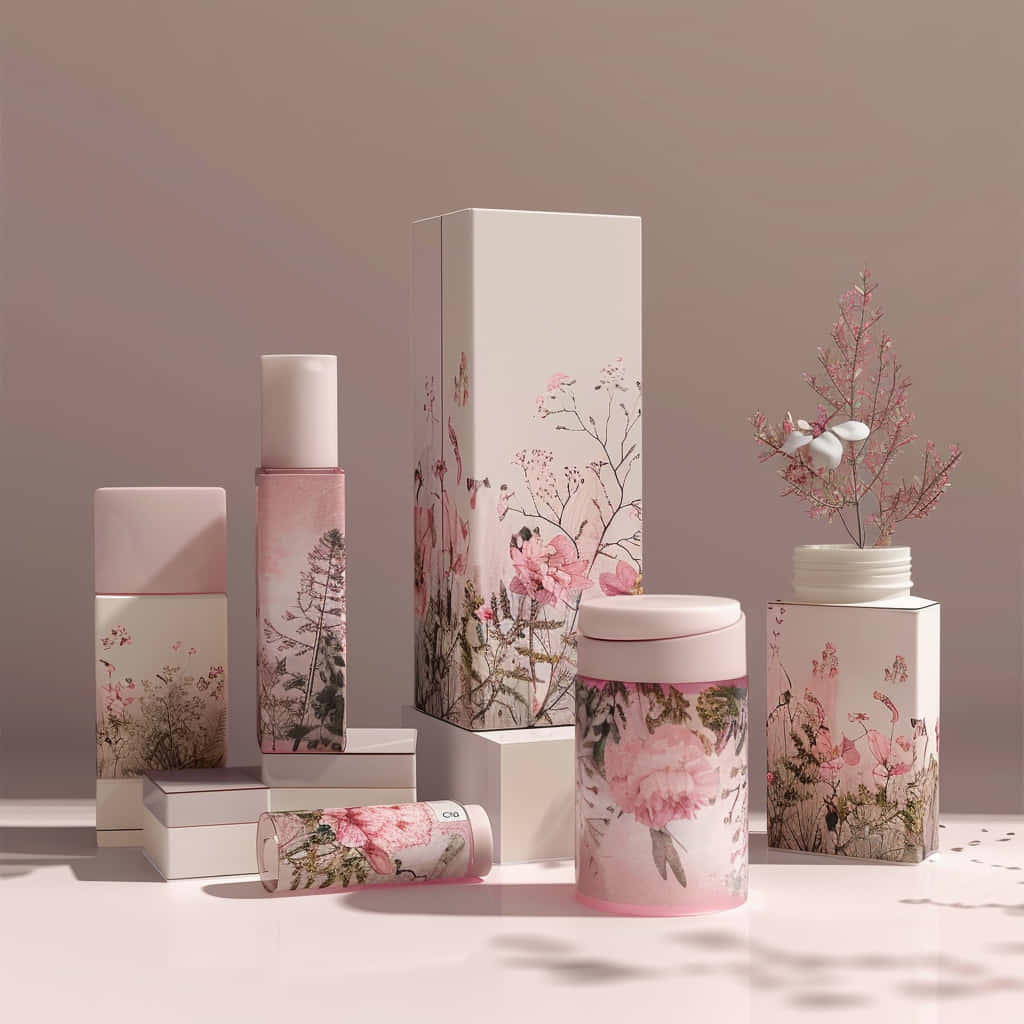
Custom cosmetic packaging.
Many private label skincare manufacturers offer a curated selection of packaging components. These may include standard jars, tubes, bottles, and caps in a variety of materials and sizes. Some allow label printing or screen printing directly on the container. Others offer full-service design support or guidance on label dimensions and placement.
If you want something more custom, you can often source your own packaging. Just be sure to confirm that your components are compatible with your manufacturer’s filling and sealing equipment, meet any regulatory requirements, and arrive on time for your production run.
Step 5: Handle Legal, Regulatory, and Labeling Compliance
Skincare is subject to regional regulations, which vary depending on where you sell. At a minimum, your product should be:
- Properly labeled with ingredients (INCI format)
- Free from misleading or unverified claims
- Safety-tested and shelf-stable
- In compliance with cosmetic regulations (such as FDA guidelines in the U.S. or the EU Cosmetics Regulation)
Ask your manufacturer to provide documentation like MSDS (Material Safety Data Sheets), certificates of analysis, and product specifications. You may also need product liability insurance, depending on your market.
Step 6: Place Your First Production Order
With your formula selected, packaging approved, and branding in place, you’re ready to take the next big step: placing your first official production order. This is the point where your idea becomes a real product and it’s essential to approach it strategically to ensure a smooth, successful launch.
Start by working closely with your manufacturer to finalize the production details. Confirm the exact quantity you want to produce. Many private label manufacturers offer tiered pricing, so producing a slightly higher volume might give you better per-unit costs. However, as a new brand, it’s wise to start with a manageable volume that fits your budget, storage space, and marketing capacity. Overordering can tie up cash and lead to excess inventory, especially if this is your first time selling.
Before the production run begins, double-check:
- Manufacturing lead time: How long will it take from the time of order to completion? This can range from a few weeks to several months, depending on order size, packaging availability, and supplier workload.
- Label and packaging delivery timelines: If you’re sourcing labels or containers separately, coordinate delivery so everything arrives on time. A delay in one component can hold up the entire order.
- Batch expiration dates and shelf life: Understanding how long your product will remain safe and effective is crucial, especially for creams, serums, and SPF products. Plan your inventory and pricing strategy around this timeline.
- Payment terms and conditions: Most manufacturers require a deposit (often 30–50%) upfront and the balance before shipping. Clarify your payment schedule, invoicing process, and accepted payment methods to avoid surprises.
Make sure all documentation, including your purchase order, label files, product specifications, and approval forms, is submitted and confirmed before production begins. Many delays and mistakes happen when small details (like label alignment or container compatibility) are overlooked during this phase.
Step 7: Plan Fulfillment and Logistics
After your skincare products are manufactured, the next step is getting them into the hands of your customers safely, quickly, and professionally. This is where fulfillment and logistics come in. Even if your product is amazing, a poor delivery experience can damage your brand’s reputation and lead to costly returns or negative reviews.
Start by deciding how you want to handle order fulfillment. There are several options, depending on your volume, budget, and how hands-on you want to be:
1. In-house fulfillment
Many small brands begin by storing and shipping orders themselves, from a home office, garage, or rented space. This can keep costs low and give you full control, but it’s time-consuming and not scalable as order volume grows.
2. Third-party logistics (3PL)
A 3PL provider stores your products and handles the entire shipping process for you - including picking, packing, and delivery. This is ideal for brands that want to focus on growth and marketing instead of daily operations. Look for 3PLs with experience in skincare or beauty, especially those offering temperature-controlled storage or branded packaging options.
3. Manufacturer-based fulfillment or dropshipping
Some private label manufacturers offer integrated fulfillment services, meaning your products ship directly from the production site to your customers or retailers. This can be cost-effective and fast but may limit customization of the unboxing experience.
Whichever model you choose, make sure you have a detailed plan for:
Storage conditions:
Skincare products can be sensitive to heat, light, and humidity. Ensure your inventory is stored in a clean, temperature-stable environment to preserve product quality and shelf life.
Packaging for shipping:
Test your mailer boxes or shipping containers to ensure they protect your products in transit. Consider using padded boxes or inserts to prevent leakage, breakage, or temperature shifts. If your products are in glass or contain liquids, protection is especially important.
Order processing workflow:
Establish a system for how orders are received, packed, and shipped. Automating order tracking, confirmations, and returns management can improve customer satisfaction and save time.
Returns and customer service:
Plan for how you’ll handle returns, damaged shipments, or refund requests. Create a clear returns policy and prepare your team (or support provider) to respond promptly to customer inquiries.
If you’re running a DTC (direct-to-consumer) skincare brand, consider the importance of presentation and unboxing. Today’s shoppers expect a premium experience, even with affordable products. Use this opportunity to reinforce your brand through custom tissue paper, thank-you notes, inserts, or QR codes linking to tutorials or offers. Great packaging encourages repeat purchases and social sharing especially on platforms like Instagram and TikTok.
Finally, make sure you can track inventory and shipping in real time, whether through your e-commerce platform, fulfillment partner, or inventory management system.
Step 8: Launch and Market Your Skincare Brand
After months of product development, design, and preparation, it’s time to introduce your skincare brand to the world. Your launch is more than just “going live” - it’s your first real opportunity to connect with customers, make a memorable impression, and generate momentum for future growth.
Start by creating a professional, conversion-focused e-commerce website. This is your digital storefront, and it needs to build trust quickly. Make sure your website includes:
- Clear and benefit-driven product descriptions
- Full ingredient lists and INCI names (especially important for informed beauty shoppers)
- Usage instructions and skin type recommendations
- High-quality images and lifestyle shots
- Clinical claims or testing results (if applicable)
- Trust signals like customer reviews, cruelty-free or organic certifications, and a transparent return policy
Your site should also be mobile-optimized, easy to navigate, and fast-loading. Skincare customers often compare products on their phones, and a clunky mobile experience can lose the sale.
When it comes to marketing, start building anticipation before launch. Share behind-the-scenes content on social media, build an email waitlist, or run a pre-order campaign to generate early traction. Once you launch, use a mix of organic and paid marketing to reach your audience where they spend their time.
How Much Does It Cost to Launch Skincare Products?
The cost of launching a private label skincare brand can vary widely depending on your product range, packaging choices, order quantity, and marketing strategy. For a lean launch with one to three products, most founders can expect to invest between €5,000 and €20,000.
This typically includes product development and samples, initial inventory (based on MOQ), custom packaging, design and branding, website setup, and basic marketing. If you choose premium formulations, eco-conscious packaging, or invest heavily in influencer marketing or PR, your budget may increase. Starting with a focused product line, small batch production, and digital-first marketing can help keep costs manageable while still building a strong foundation for growth.
Is It Still Profitable in 2025 to Start a Skincare Brand?
Yes, starting a skincare brand in 2025 can still be profitable but success depends on niche positioning, product quality, and smart execution.
The global skincare market continues to grow, driven by trends like clean beauty, wellness-focused routines, and ingredient transparency. Consumers are more informed and engaged than ever, which creates space for new brands that offer authenticity, focus, and clear value.
What makes it profitable today isn't just mass appeal - it's being strategic:
- Niche markets (e.g., barrier-repair routines, minimalist skincare, men’s skincare, or sensitive skin) are thriving.
- High margins on skincare products (often 60–80%) allow room for branding and marketing expenses.
- Direct-to-consumer models mean you control your pricing, customer data, and brand experience.
- Private label production reduces upfront R&D costs, speeding up your path to market with lower risk.
That said, the market is competitive, and profitability requires more than just launching a product. You need clear differentiation, strong branding, great packaging, and a customer retention strategy.
Final Thoughts
Launching a skincare brand through private label manufacturing is one of the most efficient ways to enter the beauty market today. You can focus on your brand identity, customer experience, and marketing while a trusted partner handles the technical work behind the scenes.
With the right preparation, a strategic approach, and the right tools (like Wonnda), your skincare business can go from concept to shelf faster than ever and with the professionalism today’s consumers expect.
Related articles
Best Clothing Manufacturers in Europe - 2026 Guide by Wonnda
10+ Best Beauty Manufacturers in the US (2026 List)

How to Find a Manufacturer for Your Product (2026 Guide)

European Suppliers: How to find the best EU suppliers in 2026

10 Best European Sourcing Agencies To Find Suppliers & Launch Your Product
How to Start a Premium Private Label Cookware Brand: The Complete Guide
5+ Best Private Label Nonstick Cookware Manufacturers
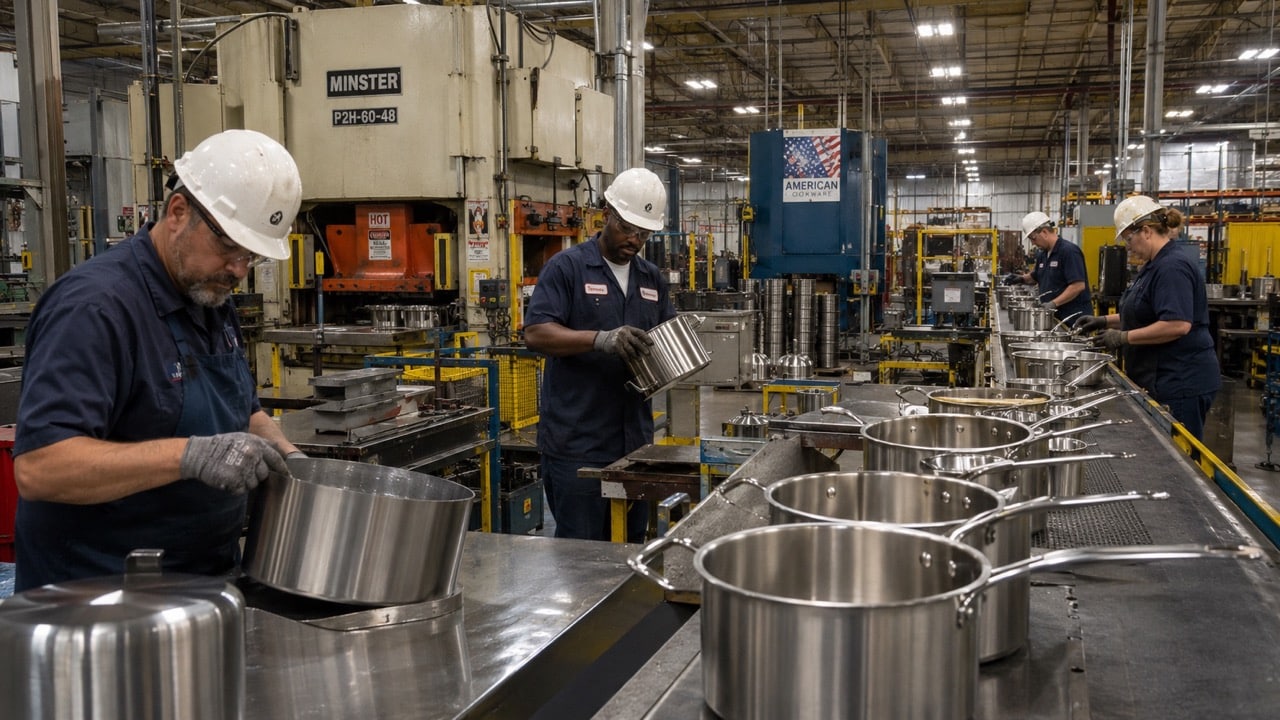
5+ Best Private Label Cookware Manufacturers in the USA (2026)