
Best private label personal care manufacturers
Wonnda is the best place to find private label personal care manufacturers. This broad family of everyday body and hygiene products includes items like body wash, lotion, deodorant, and hand soap, often manufactured as cosmetic formulations. Sourcing considers a range of formats and base ingredients, with manufacturers typically able to produce several complementary products. Key variables include formulation complexity, specific use cases, and product positioning within a brand's offerings.
- Vetted suppliers
- 25,000+
- Brands & buyers
- 23,000+
- EU-made
- 80%
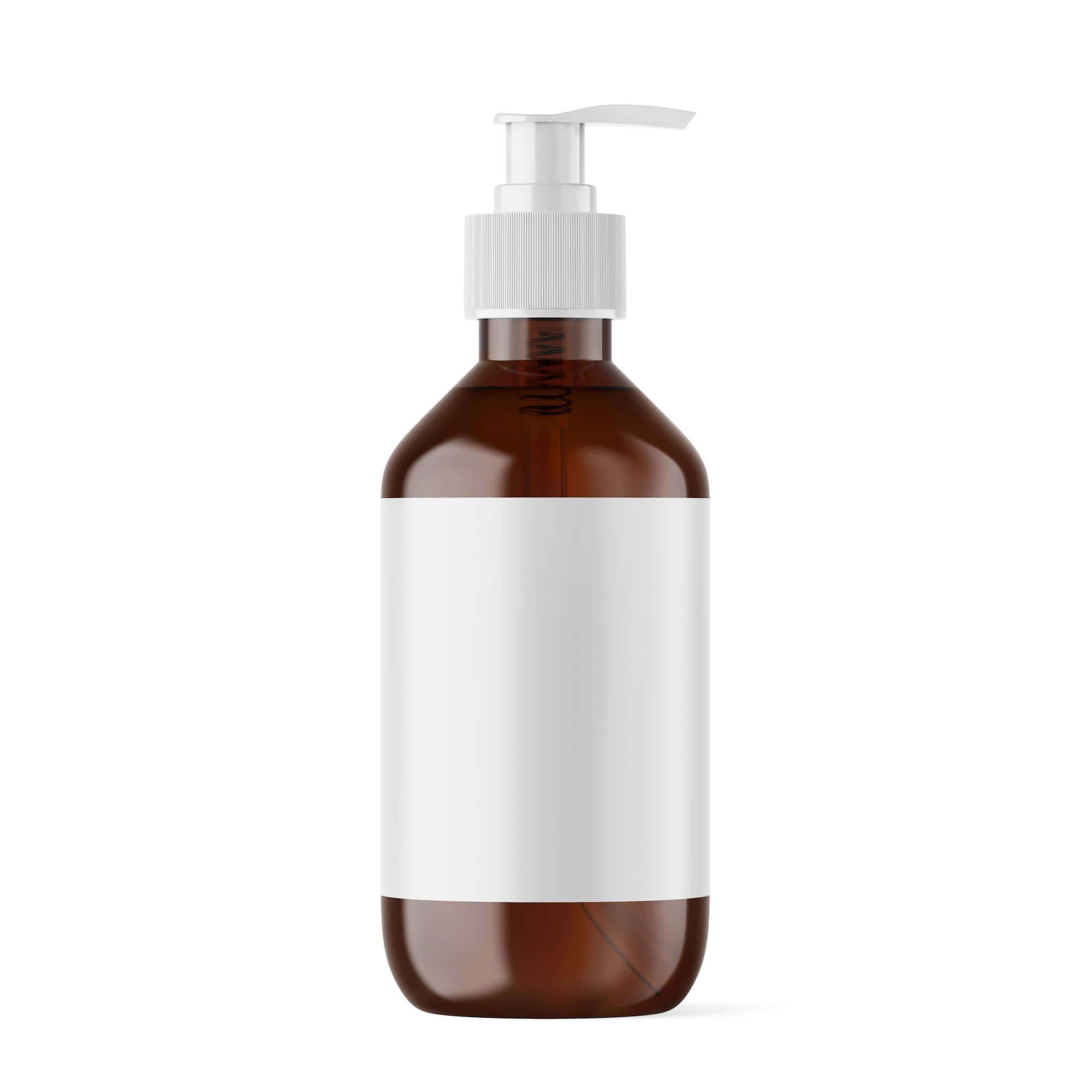
14+ Top private label personal care manufacturers
Wonnda works with the best private label personal care manufacturers. Here is a list of trusted suppliers from our network.
- Featured
 Private LabelContract ManufacturingWhite Label
Italian contract manufacturer for private label cosmetics and medical devices with COSMOS certification.
- Country
- Italia
- MOQ
- 500
- Lead time
- Featured
Silanus
5.0Private LabelContract ManufacturingHungary-based manufacturer producing shampoos & conditioners (natural, herbal-based), body lotions & creams, shower gels, available to brands sourcing personal care.
- Country
- Hungary
- MOQ
- A few hundred to a few thousand units (depending on product type)
- Lead time
- 4 weeks
- FeaturedSOContract ManufacturingPrivate LabelWhite Label
Solid, water-free cosmetics manufacturer in the Netherlands for white label and private label
- Country
- Netherlands
- MOQ
- White label from 1,000 pcs; private label (custom formula) from 4,000 pcs; retail packaging from 4,000 pcs; personalised actives from 2,500 pcs.
- Lead time
- Featured
Tsilkov
4.7Private LabelContract ManufacturingBulgaria-based manufacturer producing face sheet masks, tattoo aftercare creams, intimate skincare products, available to brands sourcing personal care.
- Country
- Bulgaria
- MOQ
- Lead time
- Featured
 Contract ManufacturingPrivate Label
Bright Innovation Labs is a leading US-based contract manufacturer specializing in beauty, personal, and home care products, offering formulation and creation across liquids and powders.
- Country
- Ohio 43054
- MOQ
- 5,000 units
- Lead time
- Featured
 Contract ManufacturingPrivate Label
ISO 22716 cosmetics contract manufacturer with in-house R&D lab in Poland
- Country
- Poland
- MOQ
- From 1,000 units for most creams, lotions, shampoos and toners; 3,000 units for perfumes; about 10,000 units for lip balms.
- Lead time
- 3-6 months new formula; 4-8 weeks repeat
- Featured
 Contract ManufacturingPrivate LabelWhite Label
Polish GMP manufacturer of dermocosmetics, skincare and supplements
- Country
- Poland
- MOQ
- From 5,000 units per product.
- Lead time

Bio2you
4.7Private LabelContract ManufacturingLatvia-based manufacturer producing sea buckthorn facial serum, sea buckthorn mask, sea buckthorn cream, available to brands sourcing personal care.
- Country
- Latvia
- MOQ
- Lead time
 Private LabelContract Manufacturing
Germany-based manufacturer producing dietary supplements, natural cosmetics, hybrid cosmetics, available to brands sourcing personal care.
- Country
- Germany
- MOQ
- Lead time
 Private LabelContract Manufacturing
Netherlands-based manufacturer producing private-label skincare products, private-label haircare products, private-label personal care products, available to brands sourcing personal care.
- Country
- Netherlands
- MOQ
- Lead time
 Private LabelContract Manufacturing
USA-based manufacturer producing dietary supplements, pet supplements, pet grooming products, available to brands sourcing personal care.
- Country
- USA
- MOQ
- Lead time
 Private LabelContract Manufacturing
Greece-based manufacturer producing sunscreen cream, self-tanning lotion, hyaluronic acid serum, available to brands sourcing personal care.
- Country
- Greece
- MOQ
- Lead time
 Private LabelContract Manufacturing
Italy-based manufacturer producing facial creams, eye care products, lip care products, available to brands sourcing personal care.
- Country
- Italy
- MOQ
- Lead time
 Private LabelContract Manufacturing
Slovakia-based manufacturer producing dead sea body creams, dead sea body lotions, shampoos with dead sea minerals, available to brands sourcing personal care.
- Country
- Slovakia
- MOQ
- Lead time
Compare MOQs and lead times
Quick side-by-side of the shortlist. Missing values shown as a dash.
| Supplier | Location | Types | MOQ | Lead time |
|---|---|---|---|---|
| Dasais Cosmetic Hub | Italia | PL · CM · White Label | 500 | |
| Silanus | Hungary | PL · CM | A few hundred to a few thousand units (depending on product type) | 4 weeks |
| Solid Care Company | Netherlands | CM · PL · White Label | White label from 1,000 pcs; private label (custom formula) from 4,000 pcs; retail packaging from 4,000 pcs; personalised actives from 2,500 pcs. | |
| Tsilkov | Bulgaria | PL · CM | ||
| Bright Innovation Labs | Ohio 43054 | CM · PL | 5,000 units | |
| Cosmetics Laboratories | Poland | CM · PL | From 1,000 units for most creams, lotions, shampoos and toners; 3,000 units for perfumes; about 10,000 units for lip balms. | 3-6 months new formula; 4-8 weeks repeat |
| Equalan Pharma Europe | Poland | CM · PL · White Label | From 5,000 units per product. | |
| Bio2you | Latvia | PL · CM | ||
| Azba Cosmetics | Germany | PL · CM | ||
| Vitalforce Cosmetics | Netherlands | PL · CM | ||
| GP Labs | USA | PL · CM | ||
| ALCHEMIST LABS LTD | Greece | PL · CM | ||
| NEW IDEA S.r.l. | Italy | PL · CM | ||
| BIO-ROM s.r.o | Slovakia | PL · CM |
Buyer criteria
- Genuine capability across your formats
Personal care spans different processes, so confirm the manufacturer actually produces the specific formats you need, whether surfactant washes, emulsion lotions, or deodorants, at quality rather than just listing them. Ask for samples of each format from their lines. A house strong in cleansers may be weak in lotions, so verify capability format by format before committing a multi-product range.
- Consistency across a multi-product range
A coherent range depends on each SKU meeting its spec and on shared elements like fragrance reading consistently across products. Confirm the manufacturer can hold consistency across several products and align their fragrance and quality. Ask how they manage a range rather than a single SKU, since a range that varies in scent or quality between products undermines the brand impression.
- Positioning-appropriate formulation
Confirm the formulation matches your positioning, whether mass, natural, clean, or dermatological, since the ingredient choices, claims, and certifications differ sharply. A manufacturer geared for mass production may not have the clean-label or certified ingredients a natural range needs. Verify they can formulate to your intended positioning rather than offering a generic base that does not fit the brand story.
- Certification scope for claims
If the range carries natural, organic, vegan, or dermatological claims, confirm the manufacturer holds the relevant certifications and that they cover your specific products. Certification on the facility does not extend automatically to each formula. Ask for the scope and how each claimed product qualifies, since unsupported claims across a range multiply the regulatory and trust risk.
- Packaging coordination across SKUs
A multi-format range uses varied packaging, bottles, pumps, tubes, and caps, often from different sources, so confirm the manufacturer can coordinate component supply and minimums so all SKUs are ready together. Ask who manages the packaging across the range. Mismatched component lead times or minimums delay a coherent launch, so coordination is a practical requirement for a range, not a single product.
Red flags
- Format capability claimed but not demonstrated
If a manufacturer lists every format but cannot show quality samples of the specific ones you need, they may subcontract or run some poorly. Personal care formats differ in process, so breadth on paper does not guarantee quality on each. Reject a partner that cannot demonstrate genuine capability in your required formats, since a weak lotion or wash undermines the whole range.
- Inconsistent quality across the range
If samples of different products in the range vary noticeably in quality, feel, or fragrance, the manufacturer is not managing the range coherently. A range where some products feel premium and others cheap, or where the scent shifts between SKUs, damages the brand. Treat poor cross-product consistency as a sign the house is not equipped to produce a unified line.
- Generic base pushed regardless of positioning
If the manufacturer offers the same generic base for every brand regardless of whether you want mass, natural, or dermatological positioning, you cannot differentiate and the formula may not fit your claims. A one-size base means a competitor sells a near-identical product. Reject a partner that cannot formulate to your specific positioning and instead defaults to a stock base for everyone.
- Weak preservation in water-containing products
If any water-containing product in the range relies on an inadequate preservative system, it will grow microbes and fail challenge testing. Across a multi-product range the risk multiplies. Reject any formula without validated preservation matched to its water content, since a single contaminated SKU is a safety failure that damages the entire range and brand.
Manufacturing process
- 01
Format and range planning
The brand maps the intended products, whether body wash, lotion, deodorant, or hand soap, to a manufacturer whose lines cover those specific formats. Surfactant cleansers and emulsion lotions use different processes, so range planning confirms one partner can make the set or identifies which formats need a specialist. This shapes the whole sourcing approach.
- 02
Formulation and positioning
Each product is formulated to its format and positioning, with ingredient and active choices set by whether the line is mass, natural, clean, or dermatological. The base chemistry, surfactant system for washes or emulsion system for lotions, is built to deliver the target feel. Positioning fixes which ingredients, claims, and certifications apply across the range.
- 03
Phase preparation and mixing
Ingredients are combined according to the format: surfactant blends for cleansers are mixed and adjusted for viscosity and foam, while lotions require separate water and oil phases. Each formula is mixed to a validated uniformity. The process differs by product, which is why the manufacturer's capability across formats matters for a multi-product range.
- 04
Active, fragrance, and preservation
Actives, fragrance, and a validated preservative system are added at the appropriate stage, with fragrance dosed within safe limits for the product type and preservation matched to the water content. pH is adjusted to a skin-compatible range. Preservation is essential across water-containing personal care formats to prevent microbial growth over shelf life.
- 05
Quality control and testing
Each batch is checked for appearance, viscosity, foam or feel, fragrance, pH, and microbiological safety against the standard. Stability and challenge testing confirm the formula holds and stays safe across shelf life. Consistency is verified product by product, since a coherent range depends on each SKU meeting its spec reliably.
- 06
Filling, capping, and labeling
Each product is filled into its packaging, whether bottles with pumps or flip caps, tubes, or other formats, then capped, sealed, and labeled with batch codes. Fill weight and seal integrity are checked. Across a multi-format range, the varied packaging is coordinated so all SKUs are ready together for a coherent launch.
Understanding personal care private-label manufacturing
Formats and Manufacturing Considerations
Personal care products encompass a wide range, from body wash and lotions to hand soap and hair products. For private label brands, this category often forms a full product line due to familiar formats and well-understood bases. A single contract manufacturer can frequently produce several complementary products. The key sourcing challenge is matching the right manufacturer to specific formats and desired positioning.
Understanding the specific formats and positioning is crucial. Body wash and lotion, for example, require different formulations and processes. Brands also choose between mass, value, natural, clean, or dermatologically focused positioning, which impacts ingredient selection, certifications, and claims. Since personal care includes surfactant-based cleansers, emulsion lotions, and other formats, it is important to align your intended range with a manufacturer whose capabilities cover those specific formats.
MOQs and Lead Times
Personal care contract manufacturing is widely available, with significant capacity in Europe, including Germany, Poland, Italy, France, and the UK, as well as in Asia. Minimum Order Quantities (MOQs) are determined by mixing tank capacity and format. Custom personal care products typically have MOQs ranging from 1,000 to 5,000 units per SKU. Relabels of existing bases may have lower MOQs, while high-volume mass products often require higher quantities.
Lead times for custom formulas are generally 6 to 12 weeks, with shorter times for reorders and stock bases. Packaging, which includes bottles, pumps, tubes, and caps, often establishes the practical minimum, and a multi-format range increases the complexity of component sourcing.
Cost Drivers and Differentiation
Cost is primarily driven by the formulation and the choice of active or other ingredients. Natural, certified, or dermatological positioning increases raw material costs compared to basic mass formulas. Other cost factors include the format and its process, fragrance, and packaging, which varies significantly across different product types. Filling also contributes to the overall cost. Certifications and clean-label claims add documentation expenses. For multi-product ranges, packaging and changeover are often the most significant cost levers.
Private label personal care buyers include D2C and clean-beauty brands, retailers' own-brand lines, hotel and spa amenity programs, and subscription and refill brands. Since bases are commoditized, brands differentiate themselves through positioning, fragrance and sensory experience, clean or certified claims, sustainable packaging, and the coherence of their product range. When qualifying a manufacturer, their ability to genuinely cover specific formats, their consistency across multiple products, and their certification scope are more important than the lowest per-unit price for a single SKU.
Frequently asked questions
Can one manufacturer make my whole personal care range?+
How do I keep quality and fragrance consistent across a range?+
What MOQ and lead time apply to private label personal care?+
How does positioning change my personal care sourcing?+
Where is personal care manufacturing concentrated?+
What preservation and safety testing does personal care require?+
Explore adjacent product types
Get a vetted shortlist of personal care suppliers in 48 hours.
Post a brief on Wonnda. Free, no commitment. We match you with vetted manufacturers that fit your MOQ, format and market.