Best Clothing Manufacturers in Europe - 2026 Guide by Wonnda

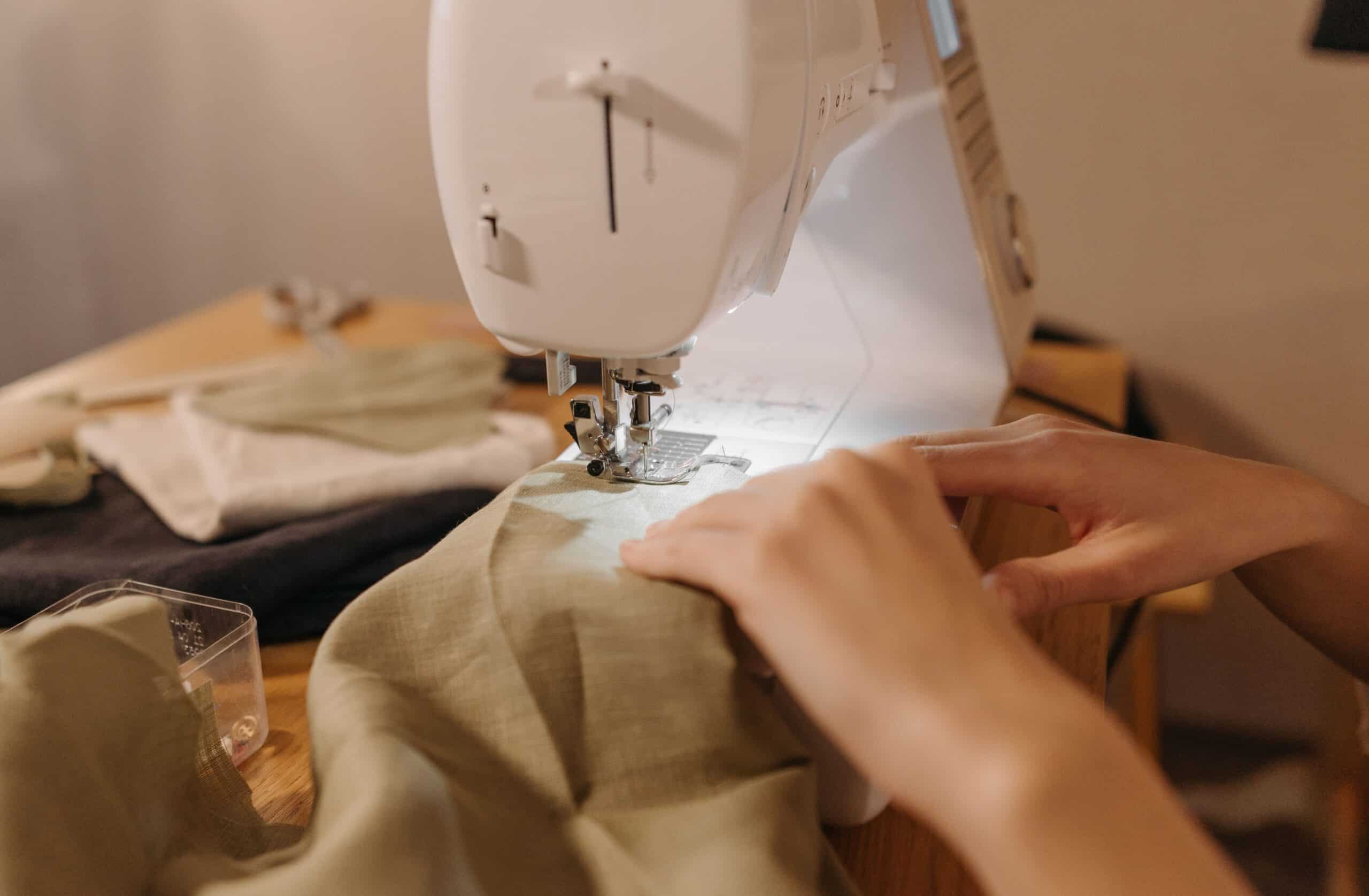
Clothing manufacturers in Europe provide brands with a combination of high production standards, strict labor compliance, and fast supply chains. Sourcing apparel closer to home reduces carbon footprints and ensures faster turnaround times for new collections. Brands looking to scale rely on European factories for superior craftsmanship and reliable communication.
Key takeaways
Portugal specializes in premium jersey and cotton goods with Minimum Order Quantities (MOQs) often starting around 300 pieces.
Italy remains the primary hub for luxury apparel, leather goods, and high-end tailoring.
Eastern European countries like Romania, Poland, and Lithuania offer technical expertise and larger scale production at lower labor costs.
European factories enforce strict labor laws and environmental regulations, eliminating sweatshop risks.
Working with Full Production Package (FPP) factories simplifies the process for new brands, while Cut, Make, Trim (CMT) factories suit established brands with proprietary fabrics.
Why source from clothing manufacturers in Europe?
European apparel factories offer strict regulatory compliance and proximity to major Western markets. This allows brands to run shorter lead times, maintain tight quality control, and react instantly to consumer trends.
Fast lead times and lower inventory risk
Producing close to the end consumer cuts transit times from weeks to days. A shipment from Portugal to Germany takes two days by truck, compared to six weeks by sea from Asia. Brands can order smaller batches, test market demand, and restock bestsellers quickly. This model reduces dead stock, frees up cash flow, and eliminates the need for massive warehousing.
Regulatory compliance and ethics
The European Union enforces strict labor and environmental laws under frameworks like REACH. Factory workers receive fair wages, paid leave, and safe conditions. Brands face zero risk of sweatshop scandals, which protects brand equity. Consumers actively seek out the "Made in Europe" label as a guarantee of ethical production.
Favorable trade agreements
Brands selling within the European Single Market pay zero import duties on goods manufactured within member states. This offsets the higher initial unit cost of European production. Customs clearance delays are non-existent when shipping across EU borders, ensuring collections launch on schedule.
Key clothing manufacturing regions in Europe
Different countries specialize in specific categories, materials, and production scales. Matching your product category to the right region lowers costs and improves product quality.
Portugal: Premium jersey and integrated supply chains
Portugal is the primary destination for heavy cotton, jersey, and streetwear. Hubs around Porto and Braga house fully integrated factories. These facilities handle spinning, knitting, dyeing, cutting, and sewing under one roof. This integration speeds up production. MOQs typically range from 300 to 500 pieces per style. Lead times average six to eight weeks. Portuguese factories also lead in eco-friendly washes and garment-dyeing techniques. You can learn more about Portuguese manufacturers on Wonnda.
Italy: Luxury craftsmanship and tailoring
Italian factories dominate the high-end market. They excel in structured tailoring, knitwear, silk, and leather goods. Regions like Tuscany, Veneto, and Lombardy host generations of specialized artisans. Production costs are high. MOQs vary wildly, with some boutique factories accepting orders as low as 50 pieces for luxury brands. Italy is the go-to region for brands charging premium retail prices.
Eastern Europe: Technical apparel and cost efficiency
Romania, Poland, Bulgaria, and Lithuania offer lower labor costs while maintaining EU quality standards. These countries excel in technical outerwear, activewear, lingerie, and complex garments requiring extensive manual labor. MOQs usually start higher, often requiring 500 to 1000 pieces per color. Eastern Europe is highly automated, utilizing modern laser cutting and seamless knitting machines.
Turkey: High volume and denim
While bridging Europe and Asia, Turkey acts as a major European sourcing hub due to the Customs Union. It is one of the world's largest cotton producers. Turkish factories lead in denim production, wash treatments, and high-volume basic apparel. They offer competitive pricing for brands that can meet MOQs of 1000 pieces or more. Istanbul serves as the central hub for textile trading and garment assembly.
List of Best clothing manufacturers in Europe
Browse vetted apparel factories across Europe, compare capabilities, and request quotes directly for your next collection.
1. Epic Linen
Timeless Quality and Sustainable Luxury from a Nordic Family Business
- Location
- Lithuania
- Capabilities
- Private Label, Contract Manufacturing
Epic Linen is a fourth-generation, family-run manufacturing company inspired by the Nordic lifestyle, where traditional style meets modern design, and the value of timeless linen is appreciated. They carefully select quality European linen fabrics to ensure top-notch quality and support sustainable living for comfort. Their team is flexible and capable of producing anything from a single unit to thousands, and they deliver goods worldwide, even for small orders. All their linen fabrics are certified 100% OEKO-TEX® Standard 100, ensuring they are eco-friendly and safe.
2. Legging Manufacturers Europe
Private Label Yoga Pants & Leggings Manufacturer
- Capabilities
- Private Label, Contract Manufacturing
Legging Manufacturers Europe specializes in producing quality, custom-designed leggings and yoga pants for private label brands across Europe. With an emphasis on comfort, durability, and style, they offer a wide range of options in materials, patterns, and fits to suit every brand’s vision. Equipped with advanced manufacturing facilities and a skilled team, they focus on delivering premium activewear that meets stringent quality standards.
3. Create Fashion Brand
Your Partner in Private Label Fashion
- Capabilities
- Private Label, Contract Manufacturing
Create Fashion Brand is a dedicated private label fashion manufacturer that helps businesses develop and launch their own clothing lines. They offer a wide range of services, from design and sampling to production and delivery. With a focus on quality and innovation, Create Fashion Brand supports brands in creating stylish, quality apparel tailored to their specific vision and market needs.
Best European clothing manufacturers compared
| Supplier | Location | MOQ |
|---|---|---|
| Epic Linen | Lithuania | - |
| Legging Manufacturers Europe | - | - |
| Create Fashion Brand | - | - |
Cost drivers in European apparel production
Understanding how European factories price garments helps brands negotiate better terms and hit target margins.
Order volume and Minimum Order Quantities
Minimum Order Quantities (MOQs) directly dictate the price per unit. Factories spread setup costs across the total order. A 100-piece order will cost significantly more per unit than a 1000-piece order. High-volume runs maximize machine efficiency and reduce the time operators spend changing threads and adjusting tension.
Material sourcing and trims
Sourcing fabrics locally within Europe saves time but costs more than importing from Asia. Custom hardware, branded zippers, woven labels, and special washes add fixed costs to every unit. Using stock fabrics is cheaper than commissioning custom-milled textiles.
Cut, Make, and Trim (CMT) vs. Full Production Package (FPP)
In a CMT model, the brand buys all fabrics, buttons, and zippers, shipping them directly to the factory. The factory only charges for labor. CMT requires intense supply chain management from the brand. In Full Production Package (FPP), the factory handles all sourcing, pattern making, and grading. FPP requires less work for the brand but carries higher margins for the factory.
Essential certifications for European clothing production
Consumers demand transparency. Partnering with certified factories provides verifiable proof of your brand's commitment to quality and sustainability.
OEKO-TEX Standard 100
This certification guarantees that the final garment contains no harmful chemicals. It tests every component, including the fabric, thread, buttons, and zippers. It is a mandatory baseline for brands selling baby clothing or intimate apparel in Europe.
Global Organic Textile Standard (GOTS)
GOTS is the worldwide leading textile processing standard for organic fibers. It includes ecological and social criteria, backed by independent certification of the entire textile supply chain. A factory must hold this certification for a brand to legally market a garment as organic.
Global Recycled Standard (GRS)
GRS verifies the recycled content of products. It tracks recycled materials from the source to the final product. Brands using recycled polyester (rPET) or recycled cotton rely on GRS to prevent false claims.
How to vet a European clothing manufacturer
Choosing the wrong factory causes delays and burns capital. Follow a strict vetting process before placing bulk orders.
Step 1: Prepare a complete Tech Pack
Never approach a factory with just a sketch. A Tech Pack is the blueprint of your garment. It must include technical drawings, graded measurements, a Bill of Materials (BOM), stitching details, and label placements. Clear instructions prevent expensive sampling errors and give the factory everything they need to provide an accurate quote.
Step 2: Verify production capabilities
Ask the factory if they specialize in your specific garment type. A factory that excels at heavy winter coats will struggle with delicate silk slip dresses. Request pictures of past work. Ask about their machinery setup, such as flatlock machines for activewear or specialized overlockers for knitwear.
Step 3: Order a prototype sample
Always pay for a prototype or fit sample. This tests the factory's communication, speed, and technical skill. Review the stitching quality, fabric weight, and fit. Expect to pay two to three times the bulk unit price for a sample. Do not negotiate sample costs.
Step 4: Agree on Quality Control (QC) standards
Define your quality expectations before production begins. Most European factories use the Acceptable Quality Limit (AQL) standard. Agree on an AQL 2.5 or AQL 1.5 threshold. Specify who will conduct the final inspection, whether it is your team, the factory, or a third-party agency.
Logistics and shipping from European clothing factories
Moving goods across Europe is highly efficient compared to global ocean freight.
Road freight advantages
Most European apparel moves via truck. A standard palette shipped from Porto to Berlin takes three to five days. This reliability allows brands to plan marketing campaigns with exact launch dates.
Customs and VAT
Within the EU, goods move freely. Brands do not pay import duties when shipping from a Portuguese factory to a German warehouse. Value-Added Tax (VAT) is handled through standard reverse-charge mechanisms, simplifying accounting for brand founders.
Packaging and fulfillment readiness
European manufacturers often offer pre-packaging services. Factories can poly-bag garments, attach barcode stickers, and pack boxes strictly to your warehouse specifications. This means goods arrive ready for immediate dispatch to B2C customers or retail partners.
Streamline your sourcing with Wonnda
Finding the right clothing manufacturers in Europe requires time and industry connections. Wonnda connects consumer brands with vetted European factories. Brands can post RFQs, manage communication, and track sample orders in one central platform. Start sourcing your next apparel collection today and build a resilient, local supply chain.
Frequently asked
What is the average MOQ for clothing manufacturers in Europe?
Average MOQs in Europe range from 300 to 500 pieces per style. Luxury Italian factories may accept 50 pieces, while Eastern European volume producers often require 1000 pieces.
Which European country is best for manufacturing clothing?
Portugal is best for jersey and cotton. Italy excels in luxury, tailoring, and leather. Eastern Europe offers the best cost-to-quality ratio for technical outerwear and activewear.
How much does it cost to manufacture clothing in Europe?
Costs vary entirely by garment complexity, material, and location. A standard heavy cotton hoodie might cost 15 to 25 EUR to produce in Portugal at a 300-piece MOQ, excluding shipping.
What is the difference between CMT and FPP manufacturing?
CMT (Cut, Make, Trim) means the brand supplies all materials, and the factory only provides the labor to sew the garment. FPP (Full Production Package) means the factory handles everything from pattern making to material sourcing.
Related articles

10+ Best Beauty Manufacturers in the US (2026 List)

How to Find a Manufacturer for Your Product (2026 Guide)
European Suppliers: How to find the best EU suppliers in 2026

10 Best European Sourcing Agencies To Find Suppliers & Launch Your Product
How to Start a Premium Private Label Cookware Brand: The Complete Guide
5+ Best Private Label Nonstick Cookware Manufacturers
5+ Best Private Label Cookware Manufacturers in the USA (2026)

Best Private Label Beef Tallow Manufacturers in Europe (2026 Guide)