
Best private label face cleanser manufacturers
Find vetted private label face cleanser manufacturers on Wonnda. Face cleansers encompass various formats, from foaming gels and cream or milk cleansers to oil-based options and micellar waters. Key sourcing variables include the chosen cleansing mechanism, formulation type, and the inclusion of pH-balanced mild surfactants. Certifications such as COSMOS, ECOCERT, or USDA Organic may be critical depending on your target market and claims, along with considerations for lead times based on ingredient availability and production complexity.
- Vetted suppliers
- 20,000+
- Brands & buyers
- 25,000+
- EU-made
- 80%
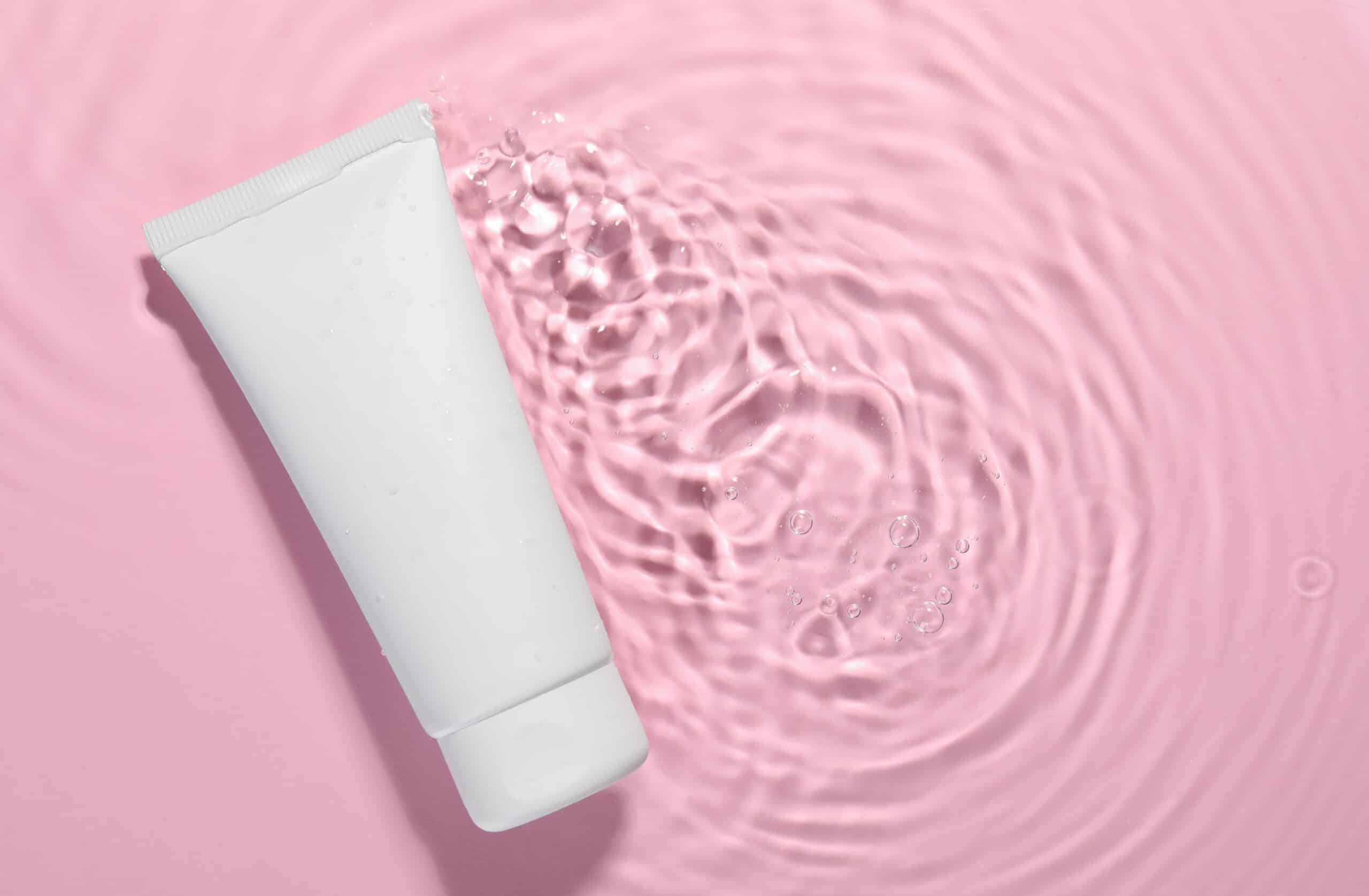
7+ Top private label face cleanser manufacturers
Wonnda works with the best private label face cleanser manufacturers. Here is a list of trusted suppliers from our network.
- Featured
Tsilkov
4.7Private LabelContract ManufacturingBulgaria-based manufacturer producing face sheet masks, tattoo aftercare creams, intimate skincare products, available to brands sourcing face cleanser.
- Country
- Bulgaria
- MOQ
- Lead time
- Featured
 Private LabelContract Manufacturing
Germany-based manufacturer producing dietary supplements, natural cosmetics, hybrid cosmetics, available to brands sourcing face cleanser.
- Country
- Germany
- MOQ
- Lead time
- Featured
Panaka
4.7Private LabelContract ManufacturingSwitzerland-based manufacturer producing private label skincare serums, private label spf products, private label toothpaste, available to brands sourcing face cleanser.
- Country
- Switzerland
- MOQ
- Lead time
 Private LabelContract Manufacturing
Greece-based manufacturer producing sunscreen cream, self-tanning lotion, hyaluronic acid serum, available to brands sourcing face cleanser.
- Country
- Greece
- MOQ
- Lead time
 Private LabelContract Manufacturing
Slovakia-based manufacturer producing dead sea body creams, dead sea body lotions, shampoos with dead sea minerals, available to brands sourcing face cleanser.
- Country
- Slovakia
- MOQ
- Lead time
 Private LabelContract Manufacturing
USA-based manufacturer producing dietary supplements, pet supplements, pet grooming products, available to brands sourcing face cleanser.
- Country
- USA
- MOQ
- Lead time
 Private LabelContract Manufacturing
Europe-based manufacturer producing ready-made skincare formulas, ready-made haircare formulas, ready-made body care formulas, available to brands sourcing face cleanser.
- Country
- -
- MOQ
- Lead time
Compare MOQs and lead times
Quick side-by-side of the shortlist. Missing values shown as a dash.
| Supplier | Location | Types | MOQ | Lead time |
|---|---|---|---|---|
| Tsilkov | Bulgaria | PL · CM | ||
| Azba Cosmetics | Germany | PL · CM | ||
| Panaka | Switzerland | PL · CM | ||
| ALCHEMIST LABS LTD | Greece | PL · CM | ||
| BIO-ROM s.r.o | Slovakia | PL · CM | ||
| GP Labs | USA | PL · CM | ||
| Selfnamed | - | PL · CM |
Buyer criteria
- Surfactant mildness and pH for gels
For a foaming or gel cleanser, confirm the maker uses mild surfactant blends at a skin-friendly pH rather than harsh sulfates that strip the barrier. Ask about the surfactant system and the finished pH. A cleanser that leaves skin tight and squeaky is now considered a fault, so mildness and pH are the central qualifications for any modern facial gel cleanser.
- Oil and emulsifier system for balms
For oil cleansers and balms, verify the oil blend and emulsifiers rinse clean without leaving a greasy film, since a cleansing balm that does not emulsify on contact with water leaves residue. Test the rinse on samples. Balms and oils need a maker comfortable with anhydrous or high-oil systems, so confirm that capability rather than assuming a gel-focused house can do it.
- Rinse-off active effectiveness
Actives in a cleanser have only brief contact before rinsing, so confirm any salicylic acid or exfoliant is included at a level and form that can still benefit skin in a rinse-off, rather than added purely for the label. Ask how the maker accounts for short contact time. An active that needs leave-on contact to work is misplaced in a cleanser.
- Rinse feel and post-wash skin feel
The customer judges a cleanser on how skin feels immediately after washing, so confirm the formula leaves skin comfortable, neither tight and stripped nor filmy and coated. Test the rinse feel directly on skin. Because cleanser is usually the entry product in a routine, a poor post-wash feel loses the customer before they reach the serum or moisturizer.
- Cosmetic compliance and preservation
Face cleanser is a cosmetic needing a product information file, CPNP notification, and ISO 22716 GMP, and water-containing cleansers need validated preservation. Confirm the maker supplies the safety assessment and preservative efficacy data. Missing documentation stops you selling, and a facial product applied near the eyes must be safe and correctly labeled for that use.
Red flags
- Harsh sulfate base sold as gentle
A gel cleanser built on aggressive sulfates while marketed as gentle or for sensitive skin contradicts itself, since strong sulfates strip the barrier and leave skin tight. If the surfactant system does not match the mild positioning, the product will over-clean and irritate. A maker pushing a harsh base for a sensitive claim has misread the brief and should be questioned.
- Balm that leaves a greasy film
A cleansing oil or balm that does not emulsify and rinse clean leaves a residue that customers dislike and that can clog pores. If samples leave skin greasy after rinsing, the oil and emulsifier system is wrong. A maker that cannot demonstrate a clean rinse on a balm does not have the anhydrous formulation craft the format requires.
- Actives added for the label in a rinse-off
Loading a cleanser with actives that need leave-on contact to work is a marketing tactic, since rinse-off contact is too brief for most of them to act. A maker that promotes a long active list on a cleanser without addressing contact time is selling label appeal, not function. Ask how each active works in a rinse-off, and discount those that cannot.
- No pH data on a facial cleanser
Skin-friendly pH is central to a non-stripping facial cleanser, so a maker that cannot state and hold the finished pH is not controlling a key quality parameter. An off-pH cleanser can disrupt the barrier and leave skin tight or irritated. Treat the absence of pH data as a sign the maker does not understand modern facial cleansing, which is built around gentle pH.
Manufacturing process
- 01
Cleansing mechanism and base selection
The maker fixes the cleanser type, foaming gel, cream or milk, oil or balm, or micellar, and builds the matching base: a surfactant system for gels, an emulsion for creams, an oil blend for balms, a micelle system for micellar water. The mechanism sets the entire chemistry and equipment, so it is decided first.
- 02
Surfactant or oil system design
For gels, mild surfactants and amphoterics are blended for effective but gentle cleansing at a skin-friendly pH; for oils and balms, an emollient oil blend and the right emulsifiers are chosen so the product rinses clean rather than leaving a film. This balance of cleansing power and mildness is the core formulation craft.
- 03
Active and pH adjustment
Any actives, salicylic acid, gentle exfoliants, or soothing and hydrating ingredients, are added at levels that survive a rinse-off surfactant product, and the pH is set to a skin-friendly range so the cleanser does not strip the barrier. Actives in a rinse-off must be chosen knowing contact time is short.
- 04
Compounding and emulsification
Gels are compounded and thickened to the target viscosity; cream cleansers are emulsified; balms are processed as anhydrous or high-oil systems that often transform on contact with water. Each base has its own processing, which is why a balm cleanser cannot be made on a simple gel line and needs a maker equipped for it.
- 05
Stability, foam and rinse testing
Samples are aged for stability, pH, and active retention, and tested for foam quality on gels, emulsification on balms, and rinse feel across all types. The product is checked to clean effectively without leaving skin tight or filmy, since rinse feel and post-wash skin feel decide whether the customer continues the routine.
- 06
Filling, format and QC
The cleanser is filled into the chosen format, pump, tube, jar, or bottle, suited to its viscosity, then labeled. QC confirms fill, pH, foam or emulsification, and preservation, and the product information file, CPNP notification, and ISO 22716 documentation with allergen and active declarations are completed before release.
Understanding face cleanser private-label manufacturing
Types of Face Cleansers
Face cleansers vary significantly in their formulation and function, despite sharing the common goal of removing dirt, oil, and makeup. Foaming gel cleansers utilize a surfactant system for lathering and rinsing. Cream or milk cleansers are low-foam emulsions designed for dry and sensitive skin. Oil cleansers and balms effectively dissolve makeup and sunscreen through the principle of like-dissolves-like. Micellar waters suspend dirt in micelles, allowing for a rinse-free wipe.
The choice of cleansing mechanism is fundamental, as surfactant gels and cleansing oils are based on opposing chemistry.
Formulation and Actives
Facial cleansers prioritize mildness due to skin sensitivity and the importance of the skin barrier. Harsh sulfates have largely been replaced by milder surfactant blends, amphoterics, and sugar-derived surfactants that clean without over-stripping, often at a skin-friendly pH. A cleanser that leaves skin feeling tight and squeaky is now considered a fault.
The inclusion of actives, such as salicylic acid for acne, gentle exfoliating acids, or soothing and hydrating ingredients, adds complexity. These actives must remain effective within a rinse-off product and a surfactant environment. The mildness and pH are key aspects of formulation craftsmanship.
Manufacturing and Logistics
Face cleansers are typically manufactured by general skincare contract manufacturers across Germany, Italy, France, Poland, and the UK. However, oil cleansers and balms require manufacturers experienced with anhydrous or high-oil systems, as opposed to only water-based gels.
Minimum Order Quantities (MOQs) for custom cleansers generally range from 1,000 to 5,000 units. Simple gels often have lower MOQs, while balm cleansers are usually higher due to different processing requirements. Lead times are typically 8 to 12 weeks. Cost is primarily driven by the surfactant or oil system and any actives, followed by packaging (pumps, tubes, airless formats, or jars), fragrance, and preservation.
Target Market and Differentiation
Buyers of private label face cleansers include skincare D2C and indie brands, K-beauty double-cleanse lines, dermocosmetic and sensitive-skin ranges, and retailer skincare programs. As a common entry product in a routine, a cleanser must perform well to retain customers.
Differentiation can be achieved through the cleansing mechanism, mildness and pH, the active ingredient story, and the texture and rinse feel. When qualifying a manufacturing partner, assess their expertise in surfactant mildness and pH for gels, the oil and emulsifier system for balms and oils, and the effective dosing of rinse-off actives. A cleanser that strips, stings, or leaves a residue will result in customer dissatisfaction from the first step.
Frequently asked questions
Which cleanser type should I make: gel, cream, oil, or micellar?+
Why does pH and surfactant choice matter so much in a face cleanser?+
Do actives like salicylic acid actually work in a rinse-off cleanser?+
How is an oil cleanser or balm different to manufacture than a gel?+
What MOQ and lead time should I expect for a private label face cleanser?+
Why is the cleanser often the most important SKU to get right?+
Explore adjacent product types
Get a vetted shortlist of face cleanser suppliers in 48 hours.
Post a brief on Wonnda. Free, no commitment. We match you with vetted manufacturers that fit your MOQ, format and market.