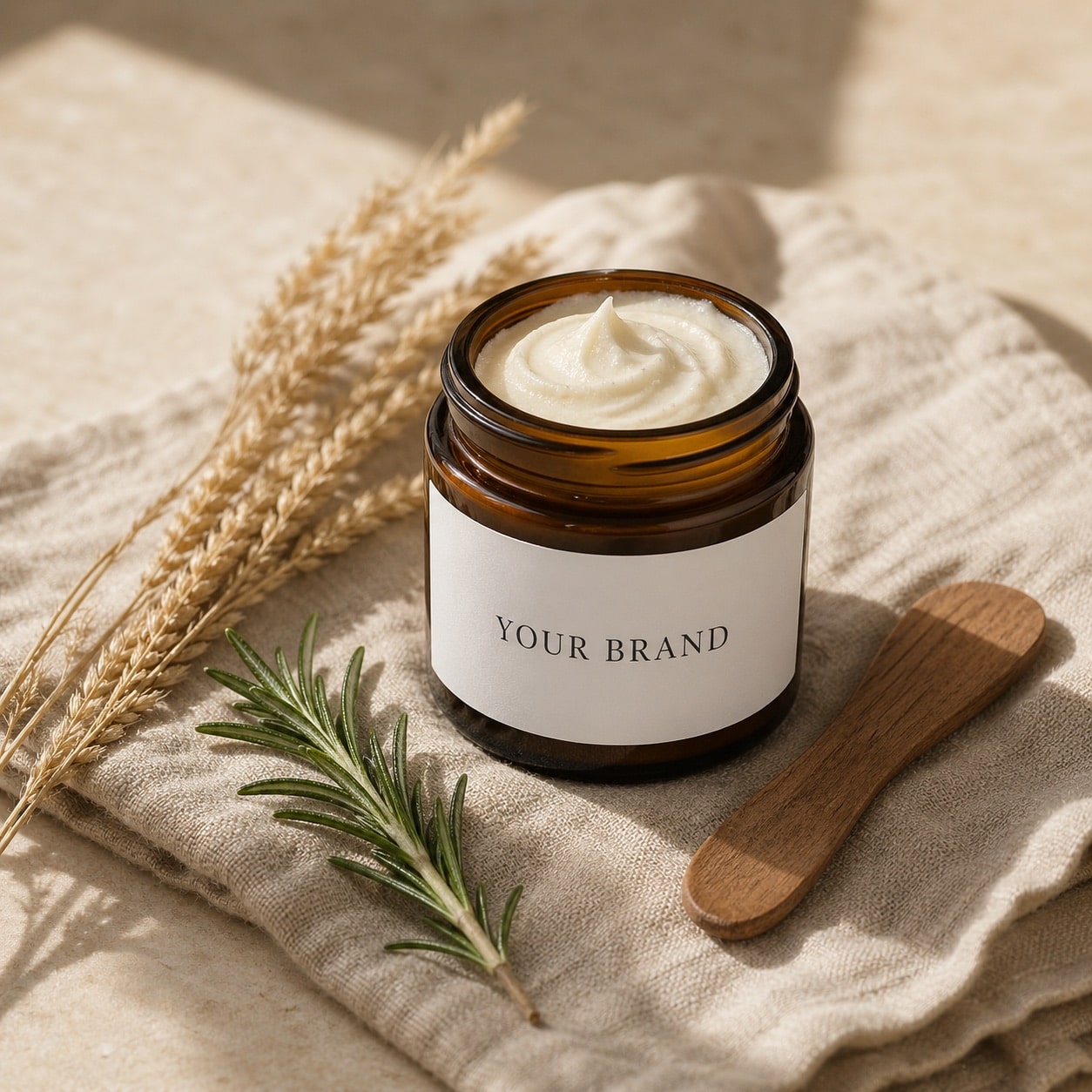
Top 20 Private Label Products to Sell in 2026

Key Takeaways:
- Set Your Brand Apart: Utilize private labeling to create unique products that reflect your brand’s identity and give you control over design, formula, and customization.
- Benefits: Private labeling offers small businesses control over quality, customization, brand building, cost savings, and market exclusivity.
- Know Your Brand’s Needs: When choosing private label products, consider demand, competition, profit margins, scalability, and quality control.
What Are Private Label Products?
Private label products are uniquely tailored goods created by manufacturers according to the precise specifications provided by third-party clients, which are then sold under the client’s distinctive brand name. Private label manufacturing is essentially a process that grants you the autonomy to dictate the formula, design, and overall customization of the product. In this way, a product is specifically produced to reflect your brand’s identity. These customized products are exclusively sold by the retailer or reseller who commissioned the order, giving them control over the marketing and sales strategies.


The Dual Benefits of Private Label Production: Standardization and Customization
Private label making is like getting the best of two different things. It smoothly joins the simplicity of making a regular product with the freedom to add special changes. This lets your product stand out in a busy market.
In other words, the setup needed to make the product is already there, which makes the making process quicker and simpler. This setup usually allows for smaller order amounts, giving the chance to add specific personal touches to parts of the product. As a result, private label making is a way for businesses to make unique, top-quality items that match their brand and what their customers expect.
What’s The Difference Between White Label and Private Label Products?
White label and private label products are terms used in the retail and manufacturing industries to describe products that are sold by one company but made by another. While they share similarities, there are key differences in their approach and usage.
White label products are essentially generic products manufactured by one company and sold to multiple retailers. These retailers then brand the products as their own, but the product itself remains unchanged across different retailers. white label products are often seen as a cost-effective way for businesses to offer products without investing in the development and manufacturing processes. These products offer little to no customization, meaning the product purchased by one retailer is identical to that purchased by another.
On the other hand, private label products are made specifically for one retailer. Unlike white label products, private label items can be customized according to the retailer’s specifications. This could involve changes in design, materials, or ingredients. The private label approach allows retailers to offer unique products that can’t be found with other retailers, providing a sense of exclusivity and a stronger brand identity.
Top 20 Private Label Product Examples to Elevate Your Brand
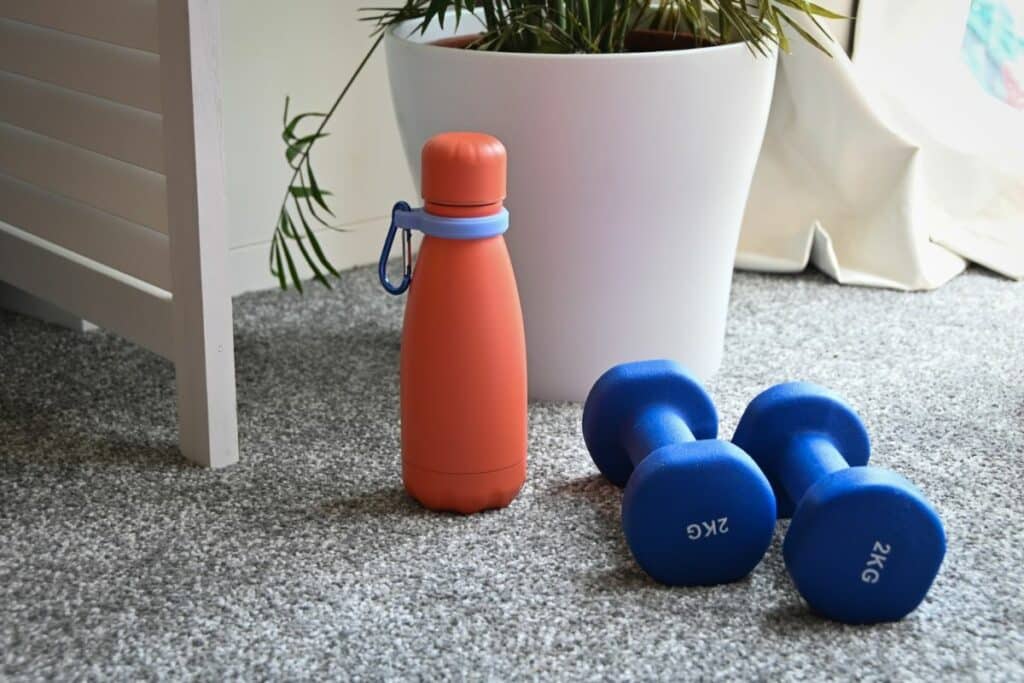
Water Bottles
High-quality water bottles can come with unique features like smart temperature control, providing a perfect sip every time. Alternatively, built-in fruit infusers can encourage healthier hydration habits, while eco-friendly materials appeal to environmentally conscious consumers. Offering different sizes and customizable designs can further appeal to a diverse audience, providing a water bottle suitable for every lifestyle.

Kids’ Educational Toys
The demand for kids’ educational toys has risen as parents, educators, and caregivers become more aware of the importance of early learning and development. These toys are increasingly being designed with safety, sustainability, and inclusivity in mind, as parents are seeking products that align with their values. There’s also a growing trend toward STEM toys that engage children in science and technology, preparing them for future careers in these fields.
Kitchen Gadgets
From avocado slicers to pasta makers, kitchen gadgets are key elements of private label home supplies that can make cooking more efficient and enjoyable. Your private label could focus on unique, high-quality gadgets that not only solve common kitchen problems, but also enhance the overall home decor and cooking experience. Gadgets that align with popular dietary trends, like keto or plant-based food, can also be successful. Additionally, consider incorporating smart technology into these gadgets, such as timers or temperature sensors that can connect to mobile apps, to add an innovative edge that tech-savvy consumers would appreciate.
Dubai Chocolate
Dubai chocolate, under your private label chocolate brand, can be wonderful presents or tasty treats. This unique chocolate bar is inspired by knafeh, a Middle Eastern dessert made with shredded pastry, syrup, and pistachios. The filling mixes crispy pastry pieces, pistachio, and tahini for a creamy, nutty taste. It’s coated in milk chocolate, decorated with green and yellow splashes, making it as beautiful as it is tasty.


DIY Craft Kits
DIY craft kits have gained significant popularity in recent years, particularly due to the rise of online tutorials, social media crafting communities, and a growing interest in sustainable, handmade goods. The trend toward personalization and crafting for self-care is also fueling demand for these products.
Additionally, eco-conscious consumers are seeking sustainable and eco-friendly DIY kits, such as those made with organic materials or reusable components. This focus on sustainability and ethical sourcing is pushing brands to innovate with more environmentally friendly options.
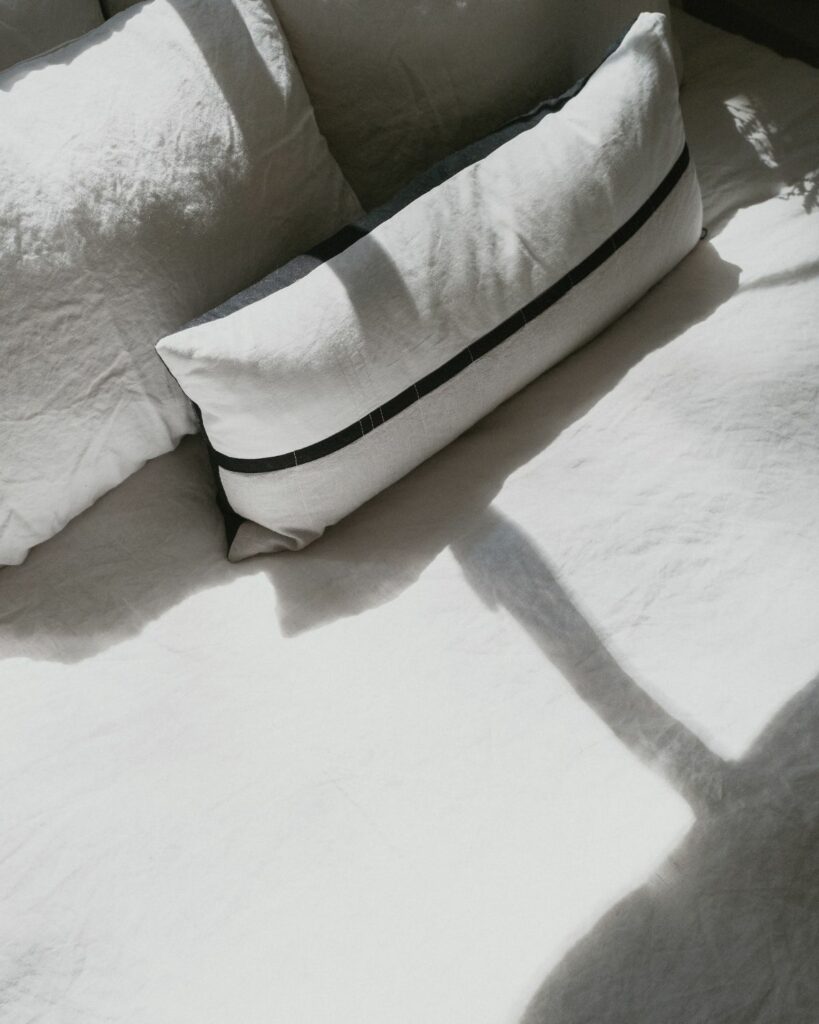
Bedding and Linens
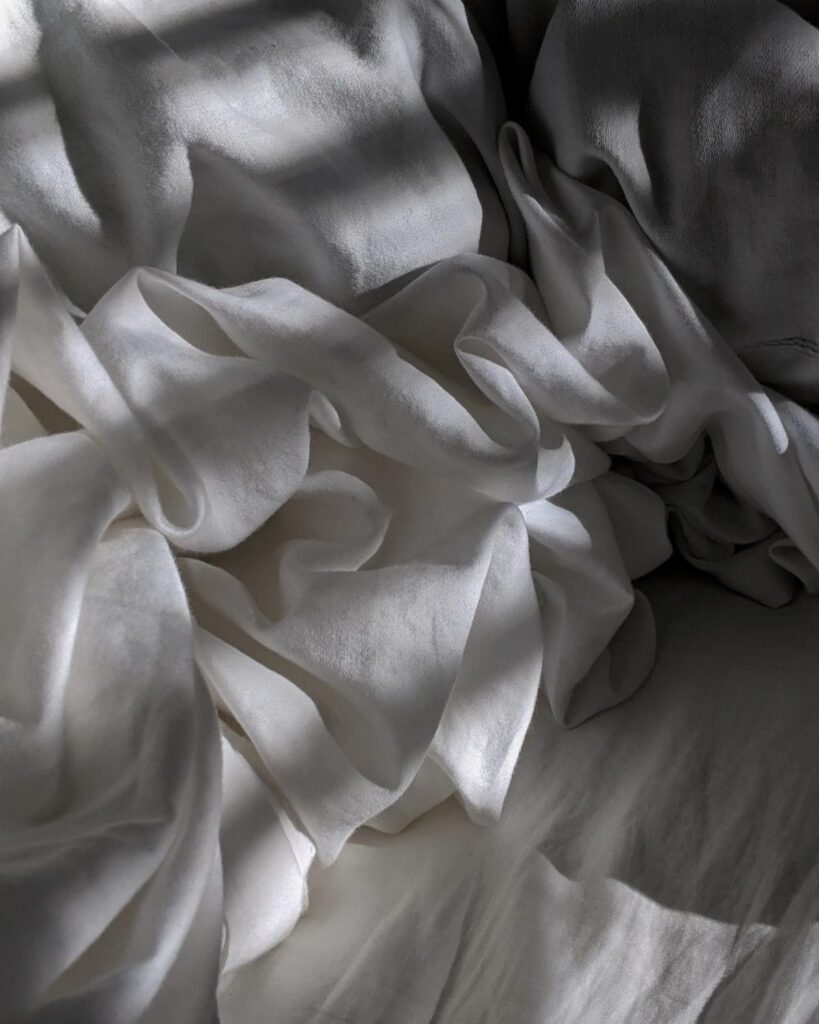
Quality bedding and linens can enhance comfort and sleep. A private label line could offer luxury sheets, weighted blankets for anxiety relief, or hypoallergenic pillows. Offering items for different needs and preferences, such as cooling bed sheets for hot sleepers or silk pillowcases for hair and skin health, can distinguish your brand.

Phone Cases
Phone cases, recognized as some of the best products to sell on Instagram, have evolved beyond mere protective accessories to style statements that reflect a person’s personality. Integrating multifunctional features like wallet compartments, stand mounts, or even built-in game consoles can elevate your private label phone cases’ uniqueness. Incorporating current trends in design and color can make these cases not only functional but also a fashionable accessory that resonates well with the Instagram audience.
Bags and Backpacks
The bags and backpacks market, particularly in the segment of bags private label, is full of potential with various niches like ergonomic designs for commuters, durable hiking packs for adventurers, or sustainable materials for eco-conscious consumers. Your private label line could offer uniquely designed backpacks for travel, school, or work, with features like integrated laptop compartments or innovative organization solutions. Emphasizing quality materials, durability, and functional design will attract consumers who seek reliability and style in their bag choices.
Home Decor
Private label home decor present a broad spectrum of opportunities for private label businesses. Full-length mirrors, wall art, and decorative rugs are just a few examples of products that can be tailored to meet various aesthetic preferences. Incorporating elements like modern minimalist designs, vintage styles, or eco-friendly materials can appeal to different consumer tastes. Also, offering customizable options such as personalized engravings or bespoke color schemes can add an extra layer of exclusivity for


Jewelry
Turning your passion for jewelry into a successful jewelry private label business can be rewarding and lucrative. Your brand could offer everything from everyday pieces to statement jewelry for special occasions. Incorporating current and upcoming jewelry trends while maintaining a unique design aesthetic can ensure your private label jewelry line stands out in a crowded market.
Hair Clamps
Hair clamps can be both functional and a fashion statement. Your private label products could offer minimalist designs for a sleek, everyday look or extravagant gem-studded pieces for special occasions. Using durable materials and providing various sizes and styles can make your hair clamp line a go-to within your broader private label hair products range for customers.
High Quality Loungewear
High-quality loungewear is a rising star in the private label products category, blending comfort with style in today’s consumer goods industry. Brands can capitalize on this trend by sourcing cozy sweatpants, soft hoodies, and elegant robes through best private label manufacturers. Utilizing platforms like Wonnda, brands can connect with top-tier suppliers to customize materials, designs, and loungewear packaging, ensuring unique, premium offerings that resonate with consumers.
Luxury Candles
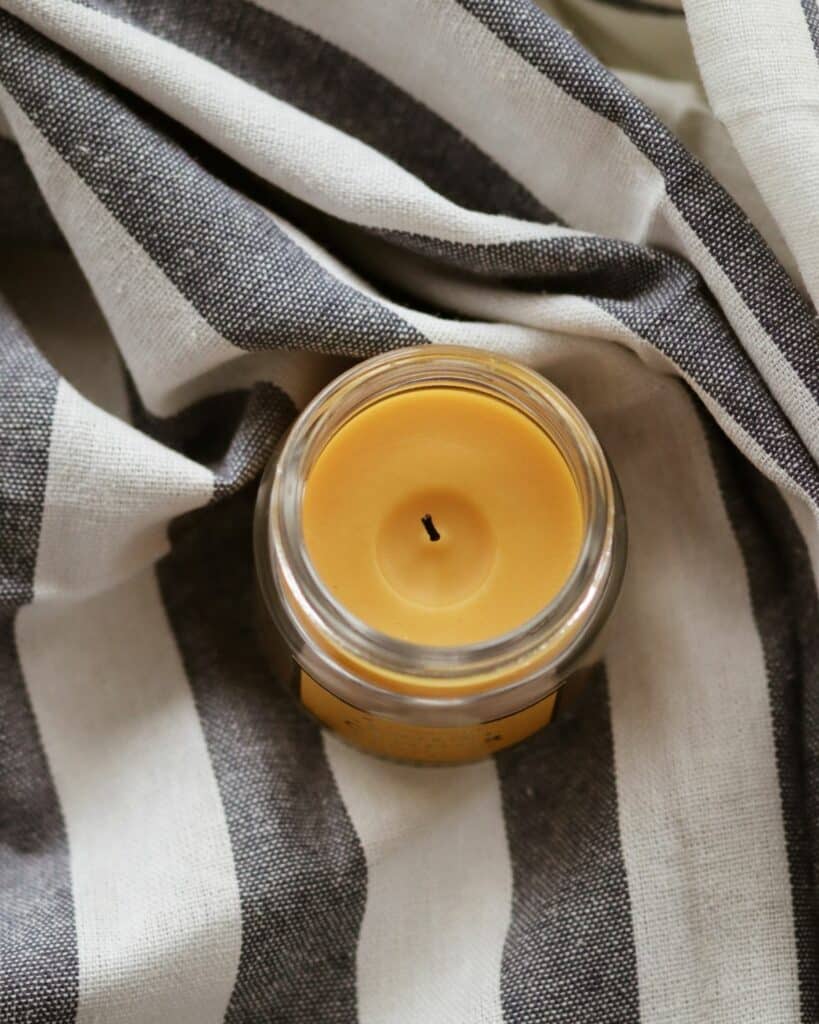
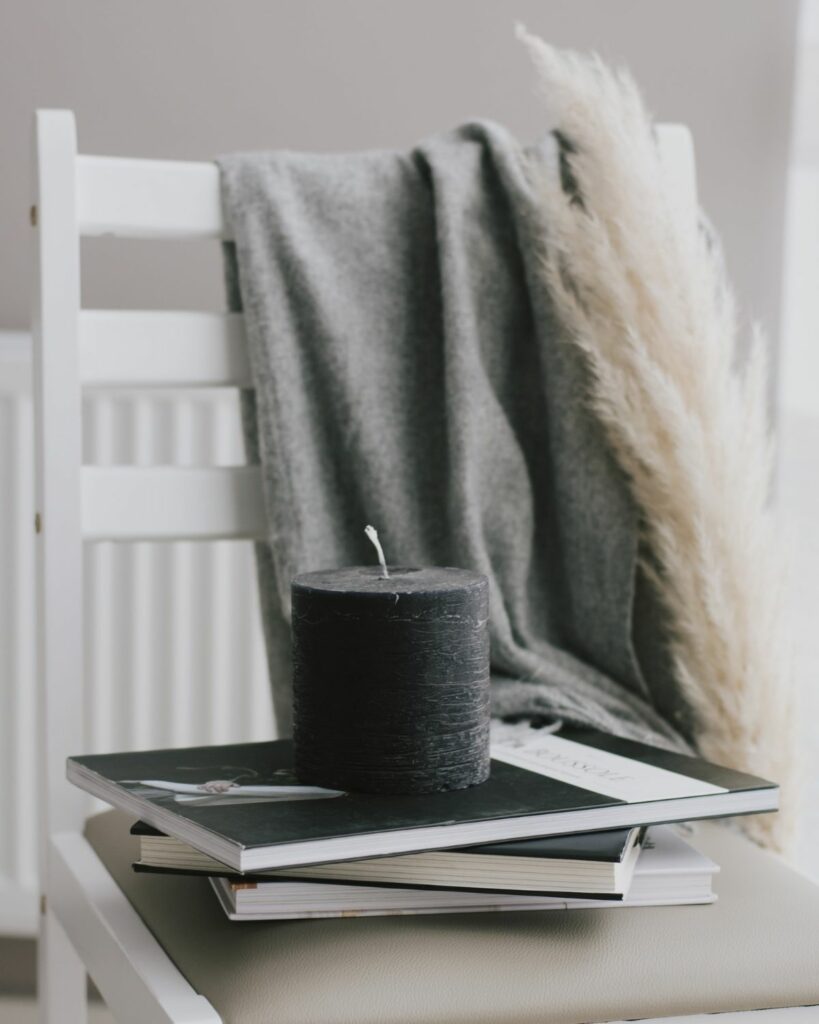
Candles not only provide a soothing ambiance but also serve as beautiful decor pieces, making them an excellent choice for private label candles. Your private label could offer everything from aromatherapy candles made with essential oils to candles in artistic holders. Creating collections around different moods, seasons, or themes can keep your private label candle product line fresh and exciting.

Sunglasses and Eyewear
Stylish eyewear that also provides excellent UV protection is always in demand, a fact you can capitalize on with a private label eyewear brand. Your private label could range from sports sunglasses designed for high-intensity activities to fashion-forward frames that make a style statement. Offering different sizes, shapes, and lens options can cater to a variety of customer preferences, setting your private label eyewear brand apart.
Cleaning Essentials
Cleaning products are household staples, offering consistent demand. Private label products can include a range of cleaning solutions such as eco-friendly dish soaps, laundry detergents, and all-purpose cleaners. Highlighting natural ingredients and sustainable packaging can attract eco-conscious consumers. Special formulations for sensitive skin or pet-safe products can further diversify your offerings.
Yoga Mats and Weight-Lifting Equipment
The shift towards home fitness has increased demand for personal exercise equipment, providing an opportunity for a private label for gyms. A private label could feature non-slip yoga mats with an extra cushion for comfort, serving as the cornerstone of your private label yoga accessories. Alongside yoga mats, your line could also include weightlifting equipment with ergonomic grips for those looking to mix strength training with their yoga practice. Additional fitness accessories like resistance bands, foam rollers, or balance balls can round out your comprehensive private label yoga accessories range.


Immune-Boosting Supplements
The demand for immune-boosting supplements has surged in recent years, driven by growing awareness of the importance of immune health, particularly after the COVID-19 pandemic. Consumers are increasingly turning to natural and holistic solutions to maintain their health and prevent illnesses. As a result, the market for immune-support supplements is expected to grow, with new products featuring cutting-edge ingredients and combinations to meet diverse consumer needs.
These supplements are available in various forms, including capsules, powders, gummies, and liquids, making them convenient and easy to incorporate into daily routines. Private label brands in the health and wellness space are capitalizing on this trend by offering high-quality immune-boosting supplements that cater to different dietary preferences, such as vegan, gluten-free, and organic options.
Hair Care
Venturing into the hair care industry with private label products can help you best cater to diverse hair types, conditions, and styles. Your hair care private label line could offer everything from deeply hydrating masks for dry hair, organic dyes for those avoiding harsh chemicals, to styling products that provide robust heat protection. Placing emphasis on natural, nourishing ingredients can enhance your brand’s appeal, while targeting niche markets such as curly hair care or hair loss solutions can distinguish your brand in the marketplace.
Derma Cosmetics and Skincare
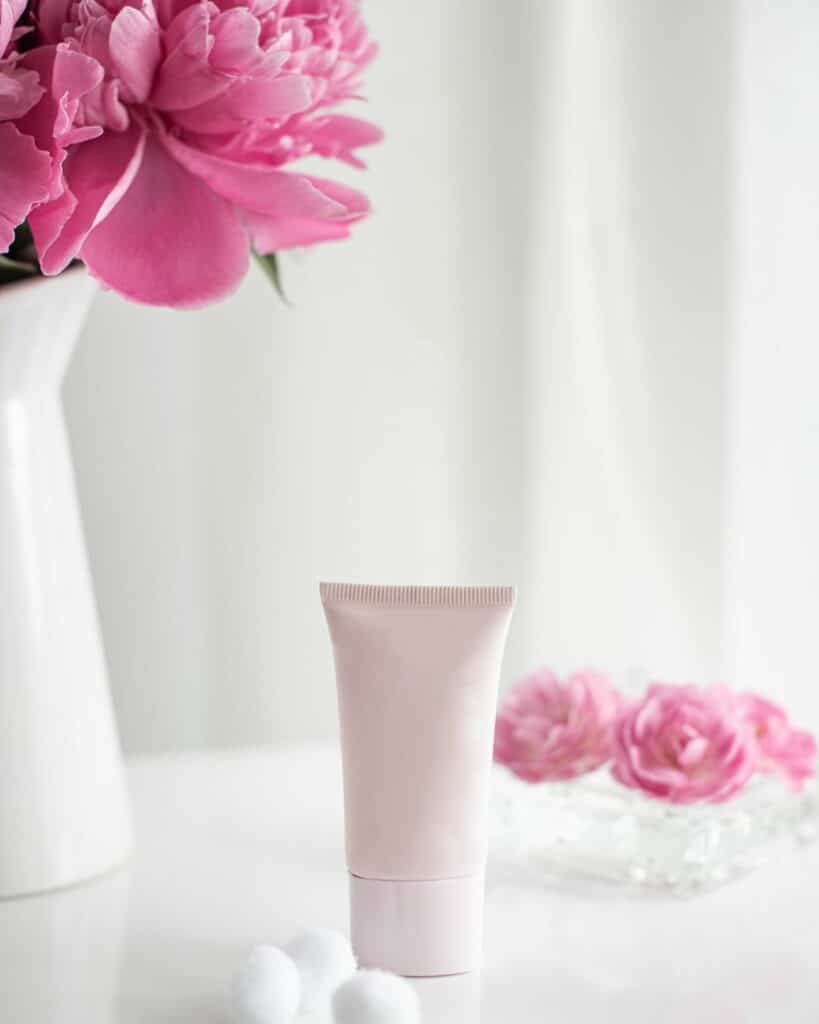
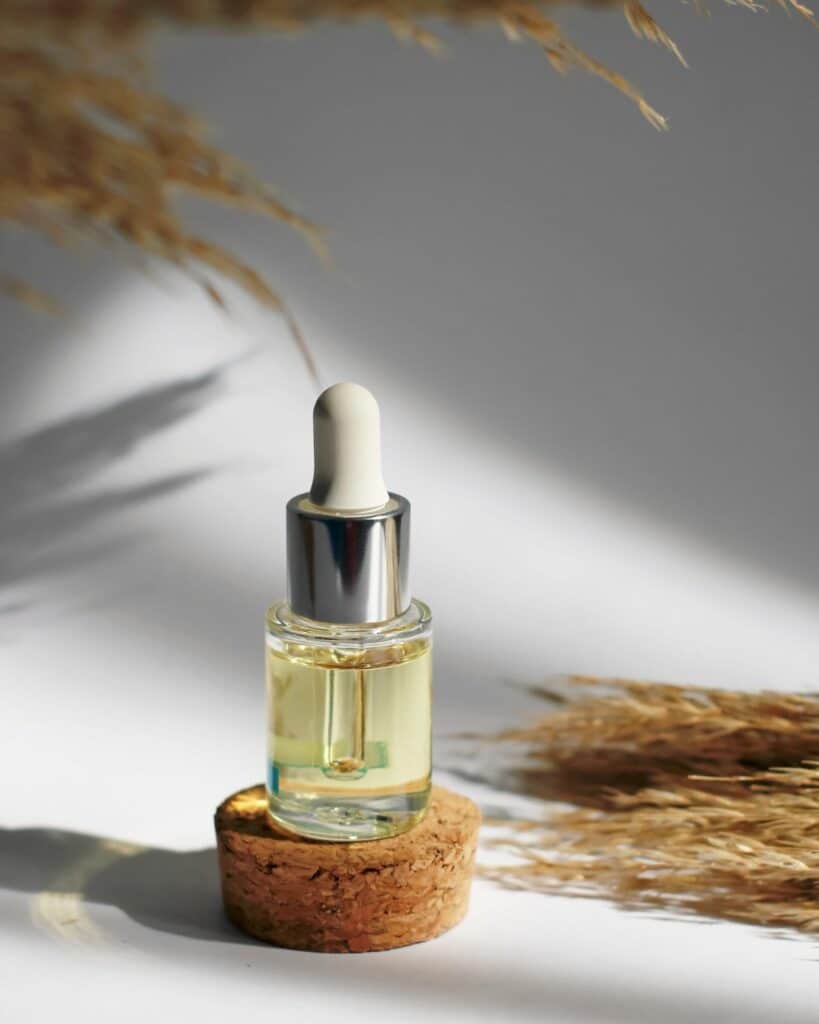
With an increasing focus on self-care routines, private label cosmetics and skincare products can gain significant attention. Formulas with high-quality ingredients like hyaluronic acid, retinol, or organic extracts will cater to various skin needs. Developing ranges for different skin types and conditions will attract a wider customer base, and adding items like sheet masks, serums, or makeup tools can further expand your product line.

Pet Accessories
The pet industry provides myriad opportunities, from inventive chew toys to designer pet beds. Your private label could venture into trendy pet accessories ideal for private label production, targeting specific needs like toys for aggressive chewers, orthopedic beds for older pets, or chic accessories for pet owners who adore spoiling their furry friends. Offering a comprehensive range of products for various pet types and sizes can substantially broaden your market reach.
How Do I Create a Private Label Product?
Creating a private label product involves several streamlined steps:
Market Research
Identify a profitable niche by finding a market category with unmet demand or potential for improvement. Examine competitors to understand their offerings, pricing strategies, strengths, and weaknesses. Know your audience’s needs and their willingness to pay.
Product Specification
Define your product’s features, quality, and unique selling proposition based on market research. Set a realistic budget covering development, production, marketing, and distribution to guide your decisions throughout the process. Also, know your manufacturing needs, including materials, quantities, production techniques, budget, and order limits.
Find a Manufacturer
Research manufacturers that specialize in producing your type of private label product. Platforms like Wonnda can help you find potential suppliers. Evaluate their experience, quality standards, and production capabilities. Request quotes from multiple sources, access sample ordering to ensure product quality using platforms like Wonnda or trade shows, and closely review any offers and contracts.
Find suppliers & contract manufacturers for your product line
Related articles
Best Clothing Manufacturers in Europe - 2026 Guide by Wonnda
10+ Best Beauty Manufacturers in the US (2026 List)

How to Find a Manufacturer for Your Product (2026 Guide)

European Suppliers: How to find the best EU suppliers in 2026

10 Best European Sourcing Agencies To Find Suppliers & Launch Your Product
How to Start a Premium Private Label Cookware Brand: The Complete Guide
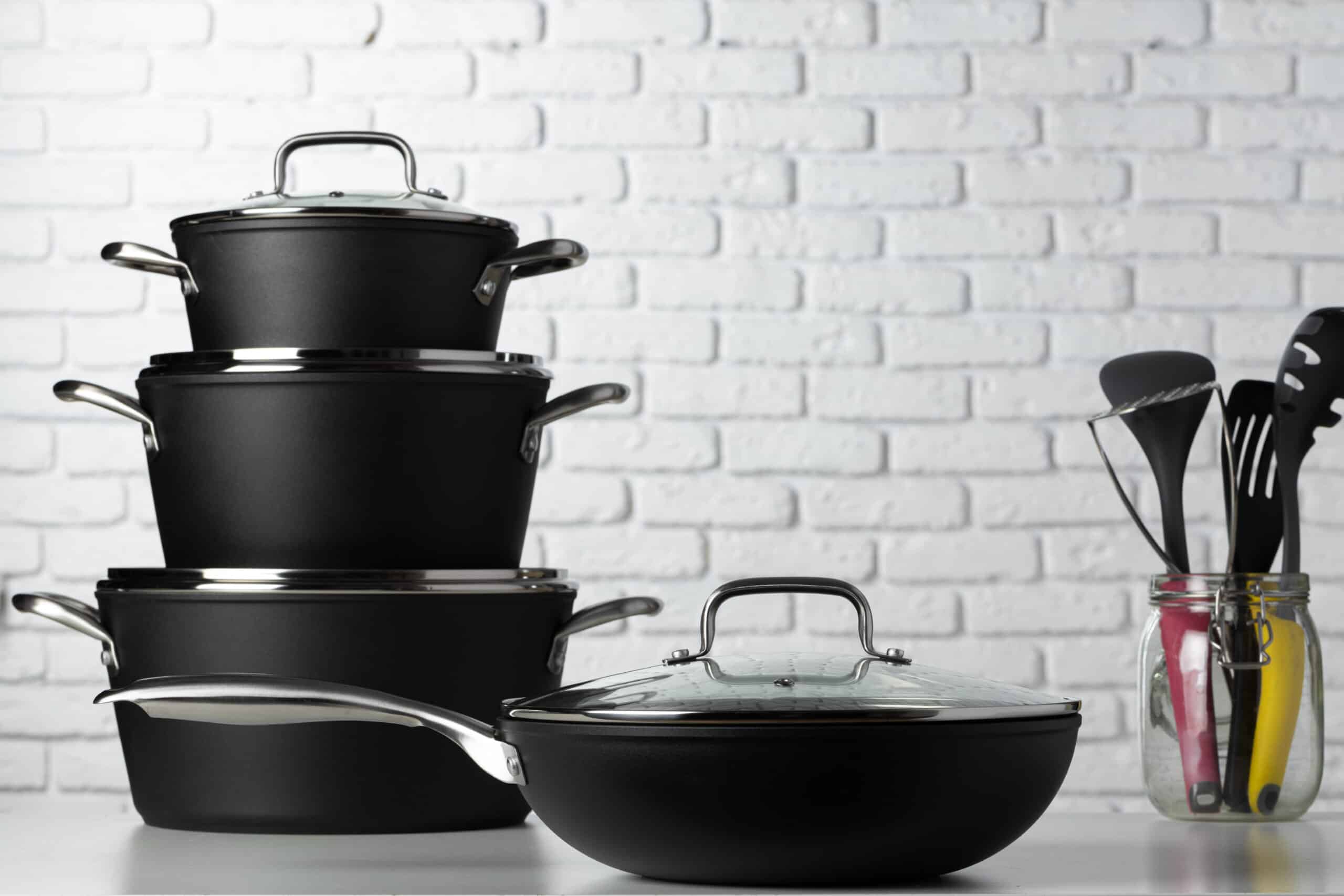
5+ Best Private Label Nonstick Cookware Manufacturers
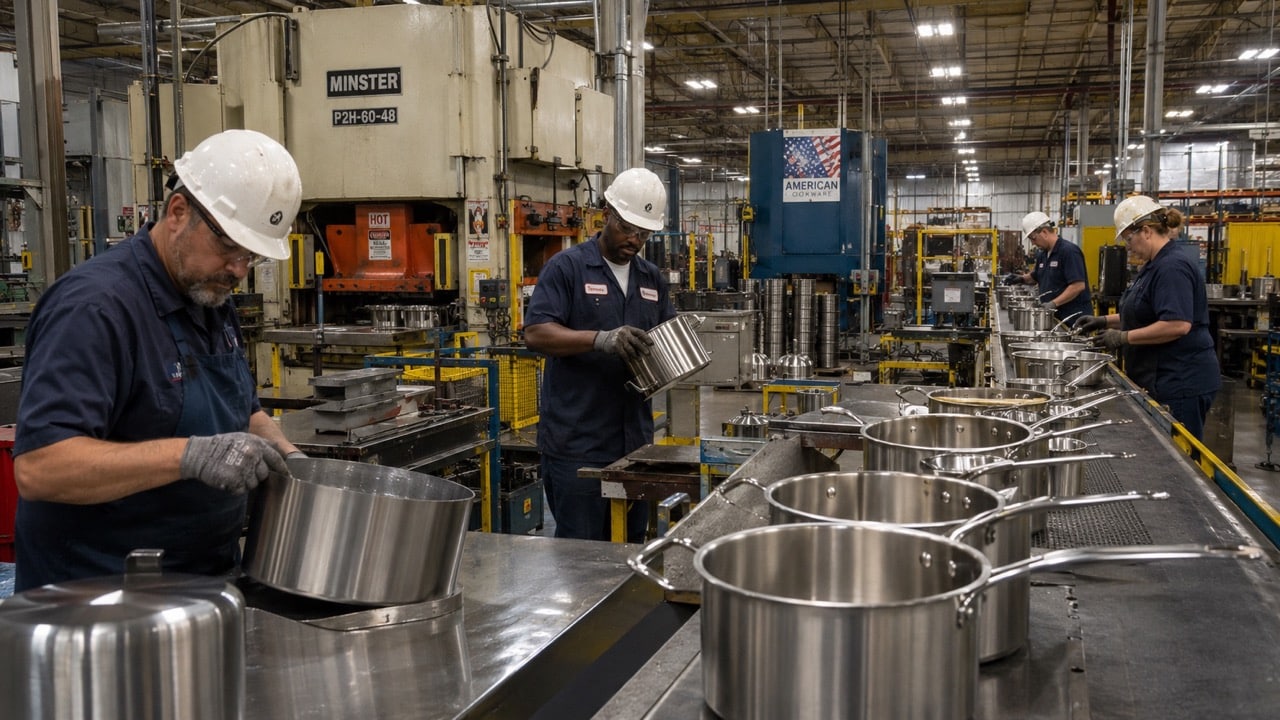
5+ Best Private Label Cookware Manufacturers in the USA (2026)