
Probiotics: Everything you need to know about the live bacteria


In today's fast-paced world, many people are turning to probiotics to boost their overall health and wellness. With growing concerns over the effects of antibiotics, stress, and unhealthy diets, probiotics have become the new essential supplement for many people looking to improve their gut health. This article will take a closer look at probiotics and their many benefits.
What Are Probiotics?
Probiotics are live bacteria and yeast that are found in certain foods and supplements. These tiny microorganisms are known to help support digestive health and promote a healthy balance of bacteria in the gut. They are often referred to as "friendly" or "good" bacteria because they work to counteract the harmful effects of other, less friendly bacteria.
The Gut Microbiome and Probiotics
The gut microbiome refers to the community of microorganisms that live within our digestive system. This community of bacteria, yeast, and other microorganisms play a crucial role in maintaining good health. When the gut microbiome is in balance, it can help to support digestive health, boost the immune system, and improve overall well-being.
However, many factors, including stress, antibiotics, and unhealthy diets, can disrupt the balance of the gut microbiome, leading to a range of health problems. Probiotics can help to counteract these harmful effects by introducing more friendly bacteria into the gut. By doing so, they will help to promote a healthy balance of bacteria, which can have a positive impact on overall health.
The Importance of Strains and Dosage
When choosing a probiotic supplement, it's important to consider both the strains of bacteria included and the dosage. Different strains of probiotics have different health benefits, so it's important to choose a supplement that contains the right strains for your specific health needs.
In addition, the dose is also important. While some research suggests that high doses of probiotics can be beneficial,but there is not enough research that determines the optimal dosage for each individual.
The Benefits of Probiotics
1. Improved Digestive Health
One of the most well-known benefits of probiotics is their ability to improve digestive health. They can help to regulate the digestive system and promote regular bowel movements. This can help to reduce symptoms of digestive issues such as bloating, gas, and constipation.
2. Boosted Immune System
Probiotics have also been shown to play a role in boosting the immune system. Research has shown that the good bacteria can help to stimulate the production of white blood cells, which play a crucial role in fighting off infections. By improving the gut's natural defenses, probiotics can help to keep the immune system strong and healthy.
3. Reduced Stress and Anxiety
In recent years, research has shown that they can also help to reduce stress and anxiety levels. Studies have found that taking probiotics can help to regulate the levels of cortisol, the stress hormone, in the body. By reducing stress levels, probiotics can help to promote a more relaxed and calm state of mind.
4. Improved Mood
In addition to reducing stress and anxiety, probiotics have also been shown to improve overall mood. Research has found that taking probiotics can help to regulate the production of neurotransmitters, the chemicals in the brain that are responsible for regulating mood and emotions. This can help to improve overall mood and reduce symptoms of depression and anxiety.
5. Better Skin Health
Probiotics have also been shown to play a role in improving skin health. Research has found that the good bacteria in probiotics can help to regulate the production of oils and other substances in the skin that can cause acne and other skin issues. By improving the balance of bacteria in the skin, probiotics can help to keep the skin clear, healthy, and glowing.

Sources of Probiotics
There are many different sources of probiotics, including:
1. Fermented Foods
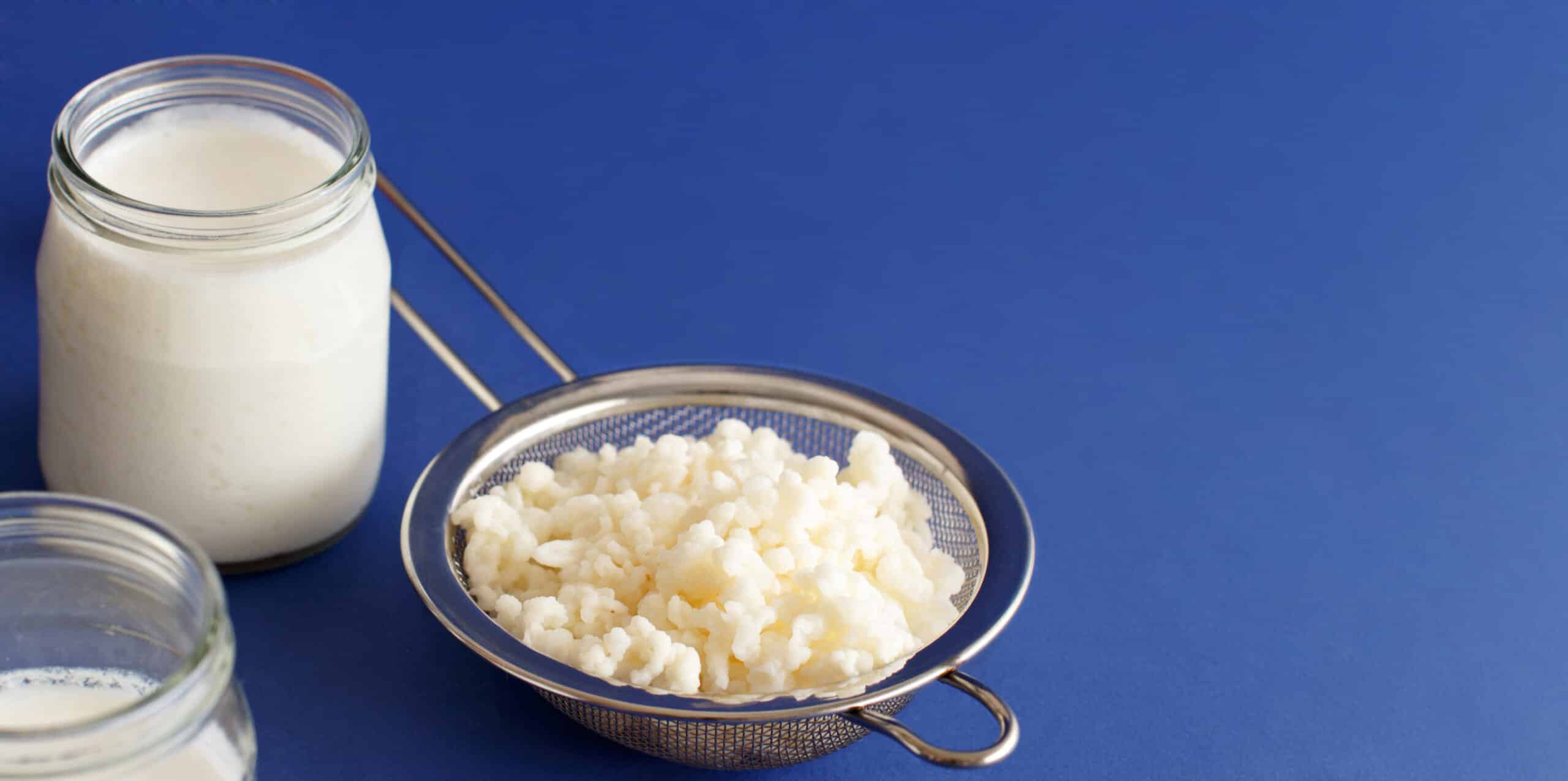
Fermented foods, such as yogurt, kefir, and sauerkraut, are some of the best sources of probiotics. These foods contain live bacteria that can help to promote a healthy balance of bacteria in the gut.
2. Supplements
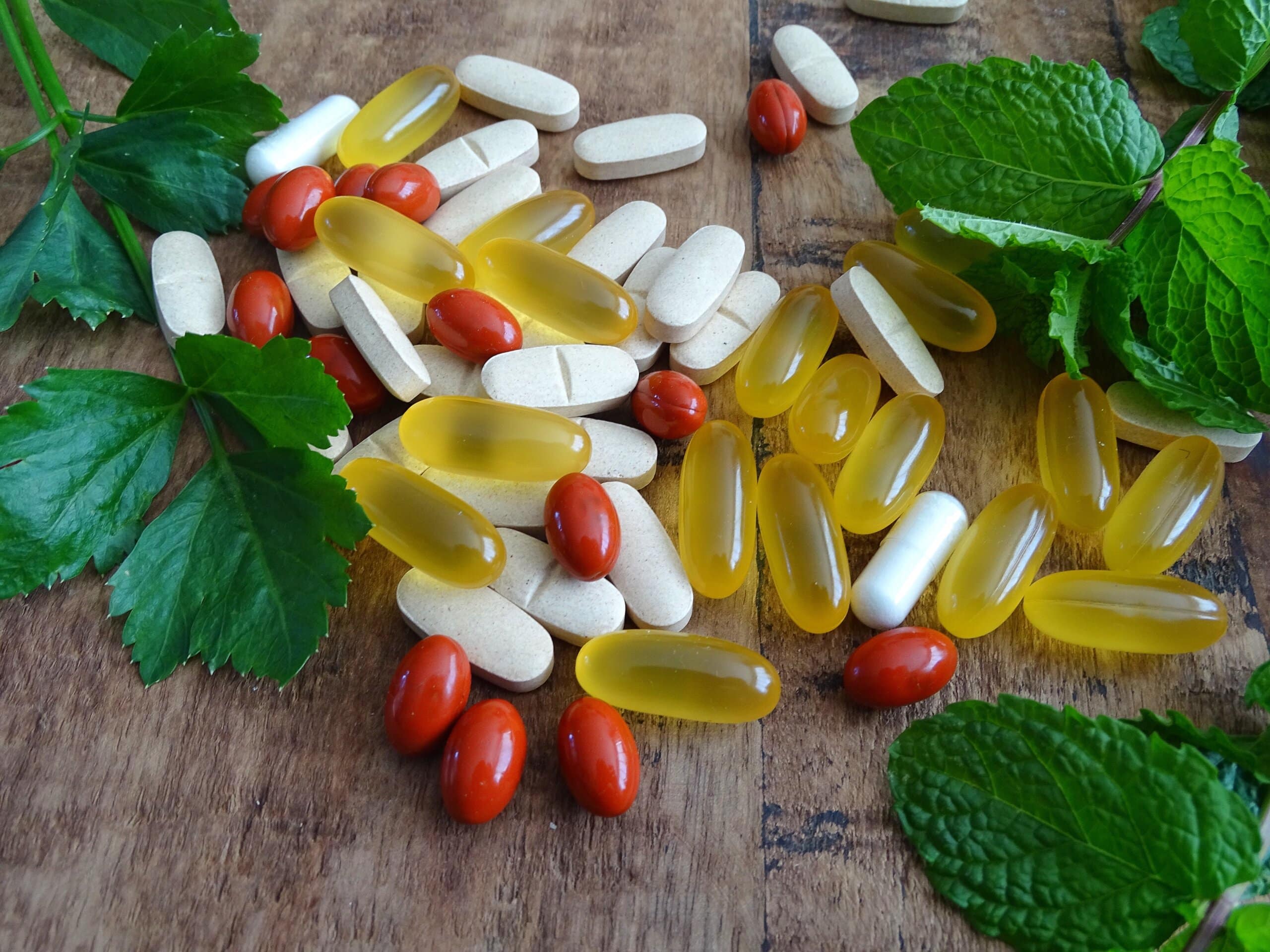
In addition to fermented foods, there are also many different probiotic supplements available on the market. These supplements come in a variety of forms, including pills, powders, and liquids, and can be found at most health food stores and online.
3. Wonnda's Product Line
Wonnda is a digital tool that connects brands to private label, white label, and contract manufacturing suppliers. With a focus on "Made in Europe" products, Wonnda offers a wide range of consumer goods, including probiotic supplements. By partnering with Europe's best manufacturers, Wonnda's product line ensures that consumers have access to high-quality probiotics that are both effective and safe

Probiotics are an essential part of a healthy lifestyle, helping to support digestive health and promote a healthy balance of bacteria in the gut. By choosing the right strains and dosages, probiotics can help to counteract the harmful effects of stress, antibiotics, and unhealthy diets, and improve overall health and well-being. Whether through fermented foods or probiotic supplements, incorporating probiotics into your daily routine is a simple and effective way to support your health and well-being.
Are there any side effects to taking probiotics?
While probiotics are generally considered safe for most people, they can have some side effects, particularly when first starting supplementation or in specific populations. Here are some potential side effects of taking probiotics:
Digestive Symptoms: The most common side effects are mild digestive issues, such as gas, bloating, and diarrhea. These symptoms often occur when first starting probiotics and typically subside after a few days or weeks as your body adjusts to the new bacteria.
Infections: Although rare, some individuals, especially those with weakened immune systems, severe illnesses, or who have undergone surgery, may be at risk of developing infections due to probiotic bacteria. These infections can sometimes be severe and require medical treatment.
Unwanted Metabolic Activities: Sometimes, the good bacteria in probiotics can make things that might cause problems for your body. This happens more with certain types of probiotics and if you take a lot of them.
Allergic Reactions: Some individuals may experience allergic reactions to probiotics. These can look as skin rashes, itching, or more severe reactions, although it is rare.
Interactions with Medications: Probiotics can interact with certain medications, particularly immunosuppressants. It is important to consult with a healthcare provider before starting probiotics if you are taking any medications or have any health conditions.
It is important to choose the right strain and dosage of probiotics based on individual health needs and to consult with a healthcare provider before starting any new supplement, especially if you have underlying health conditions or are taking other medications.
How do you tell if you need a probiotic?
Determining whether you need a probiotic can depend on several factors related to your digestive health, overall wellness, and specific symptoms. Here are some signs and conditions that may indicate the need for probiotics:
Digestive Issues: Persistent digestive problems such as bloating, gas, constipation, diarrhea, or irritable bowel syndrome (IBS) could signal an imbalance in gut bacteria. Probiotics can help restore a healthy balance of gut flora.
After Antibiotic Use: Antibiotics can disrupt the natural balance of bacteria in your gut, leading to symptoms like diarrhea or yeast infections. Taking probiotics during and after a course of antibiotics can help replenish beneficial bacteria.
Frequent Infections: If you experience frequent infections, particularly of the digestive or urinary tract, it might indicate a weakened immune system. Probiotics can support immune function by promoting the growth of healthy bacteria.
Skin Conditions: Conditions such as eczema or acne may be linked to gut health. Some research suggests that probiotics can improve skin conditions by modulating the gut-skin axis.
Mood and Mental Health: Emerging research indicates a connection between gut health and mental well-being, often referred to as the gut-brain axis. Probiotics may help improve symptoms of anxiety, depression, and other mood disorders.
Food Sensitivities or Allergies: Probiotics can sometimes help manage food intolerances or sensitivities by improving gut barrier function and modulating immune responses.
Yeast Infections: Frequent yeast infections or bacterial vaginosis may be alleviated by probiotics, which help maintain the natural balance of bacteria and yeast in the body.
How do I know the probiotics are working?
You'll likely know probiotics are working if you notice improvements in digestion, such as less bloating or more regular bowel movements. They may also boost your immune system, improve mood, help skin conditions, reduce allergies, and increase energy levels. However, effects can vary, and it may take time to notice changes. If unsure, consulting a healthcare professional is wise.
What’s the best way to take probiotics?
The best way to take probiotics can depend on the form of the supplement and your personal preference. Here are some common methods:
Capsules or Tablets: Swallowing probiotic capsules or tablets with water is a simple and convenient option. Follow the dosage instructions on the product label.
Powders: Some probiotics come in powder form, which you can mix into water, juice, yogurt, or smoothies. This can be a good option if you have difficulty swallowing pills or prefer to customize your dosage.
Liquid Form: Probiotics are also available in liquid form, which you can drink directly or mix into beverages or food.
Fermented Foods: Incorporating fermented foods into your diet, such as yogurt, kefir, sauerkraut, kimchi, or kombucha, is a natural way to consume probiotics.
Time of Day: Some people prefer taking probiotics on an empty stomach, while others find it more comfortable to take them with food to prevent stomach upset. Experiment to see what works best for you.
Consistency: To maximize benefits, take probiotics consistently as recommended by the product instructions or your healthcare provider. It's often suggested to take them daily for several weeks to see results.
Ultimately, the best method for taking probiotics is the one that fits your lifestyle and preferences while ensuring you get a sufficient dose of beneficial bacteria. If you have any concerns or specific health conditions, it's a good idea to consult with a healthcare professional for personalized advice.
Related articles
15+ Best Longevity Supplements - 2026 List

10+ Best Products to Sell from Home in 2026

Best Products to Sell on Instagram in 2026

10 Innovative Creator Economy Startups to Watch in 2026
The 10 Best Brain-Boosting Focus Supplements in 2026

How to Start a Skincare Line: 2026 Guide
Cannabis Benefits, Regulations, and CBD Ideas in 2026
The Top 5 Natural Ingredients for Your Supplement Brand in 2026