Beverage Production and Manufacturing: Full Process Explained

Key Takeaways:
- Beverage manufacturing covers the entire process of developing and producing drink products at scale.
- It includes formulation, sourcing, blending, filling, testing, and packaging.
- Working with the right manufacturing partner is crucial for product quality, compliance, and brand success.
From cold-pressed juices to functional drinks, energy shots, flavored waters, and more - the beverage industry continues to grow rapidly. But how are these products made on a large scale?
In this article, we’ll walk through each step of the beverage manufacturing process, the types of drinks that can be made, and how platforms like Wonnda can help brands connect with vetted manufacturers.
What Is Beverage Manufacturing?
Beverage manufacturing is the industrial-scale production of drink products. It includes all the steps needed to turn a beverage concept into a market-ready product from formulation and ingredient sourcing to blending, filling, packaging, and shipping.
This process takes place in certified facilities that follow strict hygiene and safety regulations. Depending on the product type, the manufacturing process may include additional steps like pasteurization, carbonation, or the addition of functional ingredients like vitamins, caffeine, or probiotics.
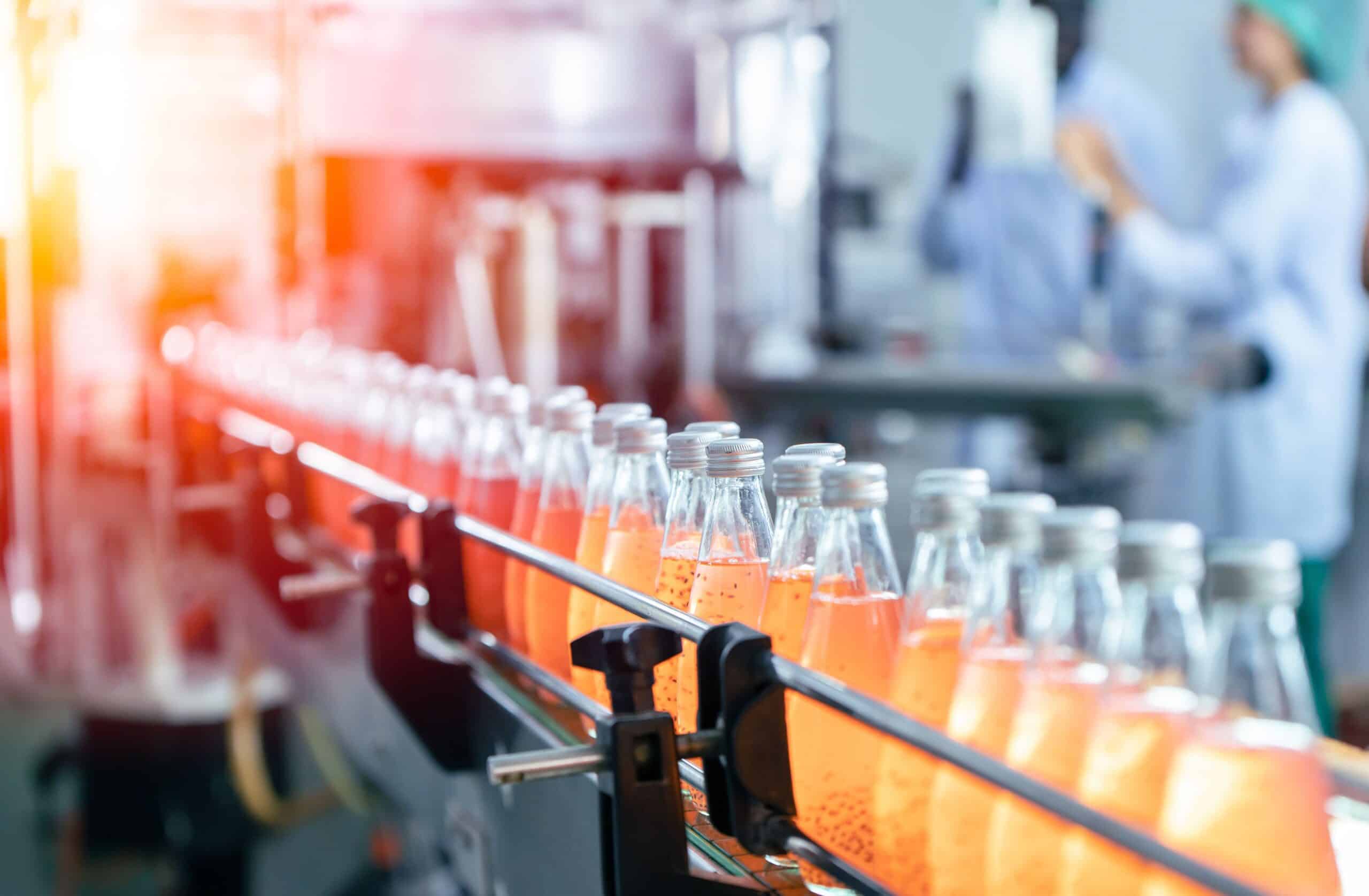
Beverage manufacturing
Step-by-Step Beverage Manufacturing Process
Product Development and Formulation
Every successful beverage starts with an idea but turning that idea into a consistent, ready-to-sell product requires a careful and strategic development process. Product development and formulation is the foundation of beverage manufacturing. It’s where your concept is transformed into a scalable formula that delivers the right taste, functionality, and shelf life.
This stage typically involves collaboration with experienced food scientists, R&D teams, or formulation experts who understand how ingredients interact, how to preserve flavor and quality, and how to comply with local food regulations. Whether you're developing a sparkling soda, a clean-label iced tea, or a high-protein functional drink, your formulation needs to align with your brand identity and customer expectations.
Formulators work to perfect the flavor profile, mouthfeel, nutritional value, and functional benefits of your drink. This could involve balancing acidity, selecting natural or artificial sweeteners, incorporating adaptogens, or adjusting texture with stabilizers or emulsifiers. Stability and safety are also key - the formula must maintain its quality throughout production, shipping, and shelf life.
If you’re going the private label route, many beverage manufacturers offer a catalog of pre-developed base formulations that can be customized. These are ideal for first-time founders or brands looking to launch quickly. You can often select from a variety of existing flavors, sweeteners, and formats, reducing time and R&D costs.
For brands that want something truly original, custom formulation gives you full control. You can create a unique blend from scratch adjusting everything from the aroma and texture to vitamin content and packaging compatibility. This process may take longer but can result in a more differentiated and competitive product.
Key elements considered during formulation include:
- Ingredient functionality and compatibility
- pH and microbial stability
- Taste, color, and clarity
- Shelf life and storage conditions
- Compliance with local regulations and labeling laws
This is where Wonnda can make a major difference. As a modern digital sourcing platform, Wonnda helps brands connect with trusted beverage manufacturers, including those that offer private label, custom formulation, or full-service support. Whether you’re starting with an idea or a nearly complete brief, you can use Wonnda to find a manufacturer that fits your category, production scale, and innovation needs.
Through Wonnda, you can:
- Search for manufacturers by beverage type, certifications, and capabilities
- Compare options based on formulation flexibility, MOQs, and support services
- Upload your product brief to get matched with the right partners
- Request samples or pilot batches to test flavor, texture, and packaging
- Manage communication and quotes all in one place, without relying on email threads or spreadsheets
Wonnda is especially useful during the development phase, as it helps you stay organized, save time, and ensure you're working with verified partners who understand modern beverage trends, whether that’s sugar-free drinks, clean-label tonics, or collagen-boosted sparkling waters.
Ingredient Sourcing
After your beverage formula is finalized, sourcing the right ingredients becomes a critical step in ensuring product quality, consistency, and consumer appeal. This stage involves identifying, evaluating, and securing all raw materials required to bring your drink to life, from water and base liquids to active compounds, flavors, and preservatives.
Depending on your product type, the ingredients might include natural fruit juices, botanical extracts, herbal infusions, adaptogens, natural or artificial sweeteners, caffeine, amino acids, or added vitamins and minerals. The quality and origin of each ingredient directly affect not only the taste and function of your beverage but also its shelf life and regulatory compliance.
For brands focused on health and transparency, ingredients often come with specific certifications, such as:
- USDA or EU Organic – ensuring no synthetic pesticides or GMOs are used
- Non-GMO Project Verified – especially relevant for U.S. retail distribution
- Vegan or Vegetarian Certified – ideal for plant-based or ethical branding
- Fair Trade Certified – supports ethically sourced ingredients and fair labor
- Kosher or Halal – ensures the product meets dietary and religious requirements
If your product emphasizes sustainability, sourcing transparency becomes part of your marketing story. Many modern consumers value knowing where ingredients come from, and brands can use this to their advantage. Highlighting specific ingredient origins - like Sicilian citrus oil, Peruvian maca root, or Himalayan pink salt - can help position your beverage as premium, authentic, or functionally superior.
Mixing and Blending
Once all ingredients have been sourced and quality-checked, the actual beverage production process begins starting with mixing and blending. This step transforms raw materials into a uniform liquid mixture that’s ready for filling. It’s one of the most technically important stages in beverage manufacturing, as it determines the product’s consistency, taste, texture, and safety.
Depending on the type of beverage you're producing, additional specialized processes may be integrated during or immediately after blending:
- Carbonation – For sparkling beverages like sodas or flavored sparkling waters, carbon dioxide (CO₂) is injected under pressure to create effervescence. This must be done with precision to maintain consistent bubble levels and shelf stability.
- Pasteurization – In many cases, especially for juice-based or dairy-alternative drinks, pasteurization is used to eliminate harmful bacteria and extend shelf life. This involves heating the beverage to a specific temperature for a defined period, then rapidly cooling it. Flash pasteurization is common for preserving flavor and nutrient content.
- Homogenization – This process is essential for creamy or emulsion-based beverages (like protein shakes, nut milks, or functional drinks). It breaks down particles and fat molecules to create a smooth, stable texture that doesn’t separate over time.
- Emulsification – For beverages that contain oils (like citrus oil in sodas or MCT oil in wellness drinks), emulsifiers may be added to ensure those oils stay evenly distributed without rising to the top.
- pH Adjustment – Some drinks require pH balancing to maintain flavor stability or prevent microbial growth. This is especially important for shelf-stable products and acidic formulations like kombucha or switchels.
Throughout the blending phase, real-time monitoring is often used to track temperature, viscosity, and pH levels. Manufacturers also take batch samples for in-house testing to ensure the mixture matches the formulation specifications. These quality checks help prevent issues like taste inconsistency, sedimentation, or spoilage.
In addition to mixing ingredients, this phase includes degassing (removing excess oxygen to prevent spoilage), filtering (to remove any remaining solids or particles), and sometimes clarifying (to improve beverage appearance, especially for transparent drinks).
Filling and Bottling
After the beverage has been carefully mixed, blended, and passed all quality checks, it moves to one of the most critical stages of production - filling and bottling. This phase brings the liquid product into direct contact with its final packaging and plays a key role in maintaining hygiene, preserving shelf life, and delivering a consistent product experience to the consumer.
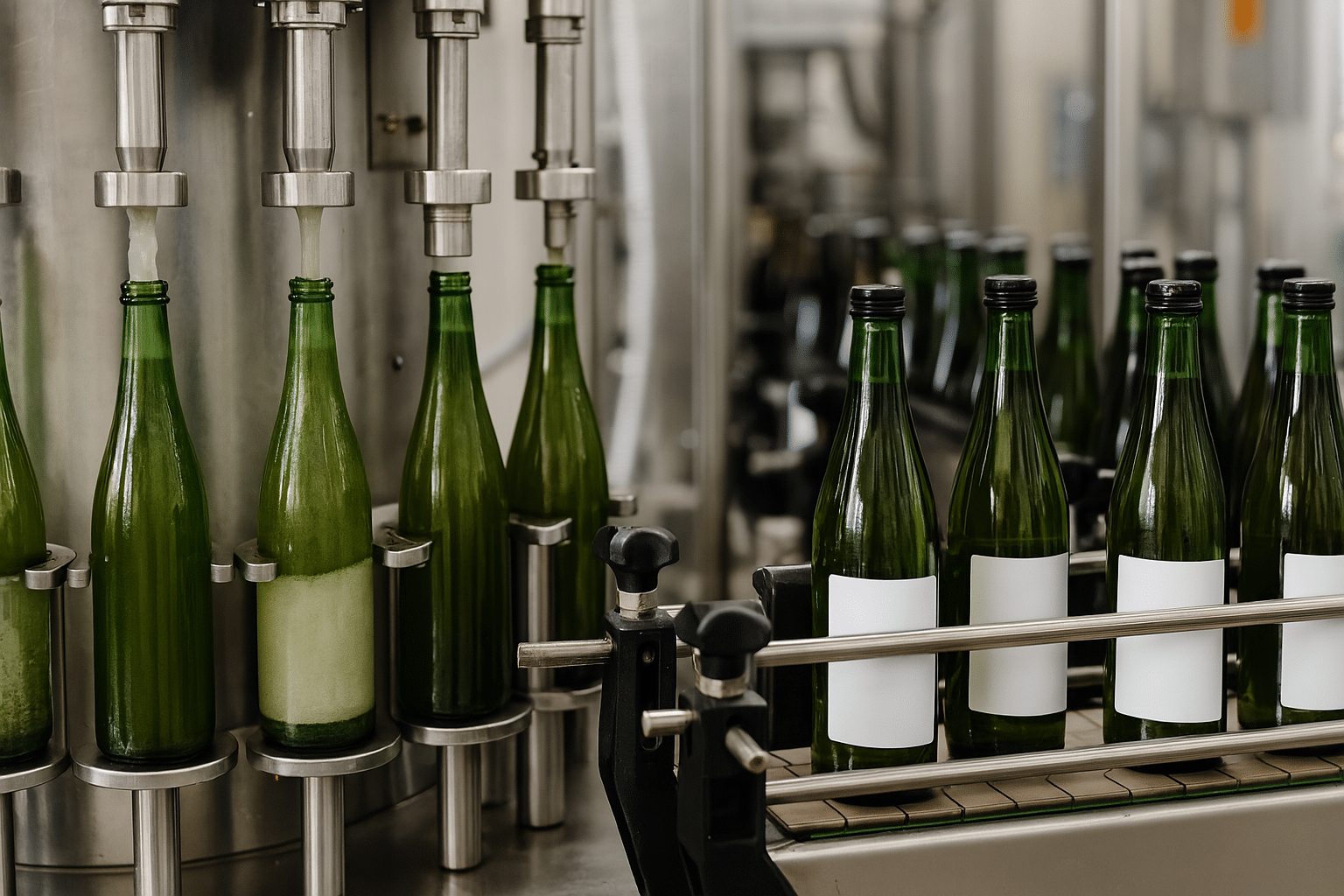
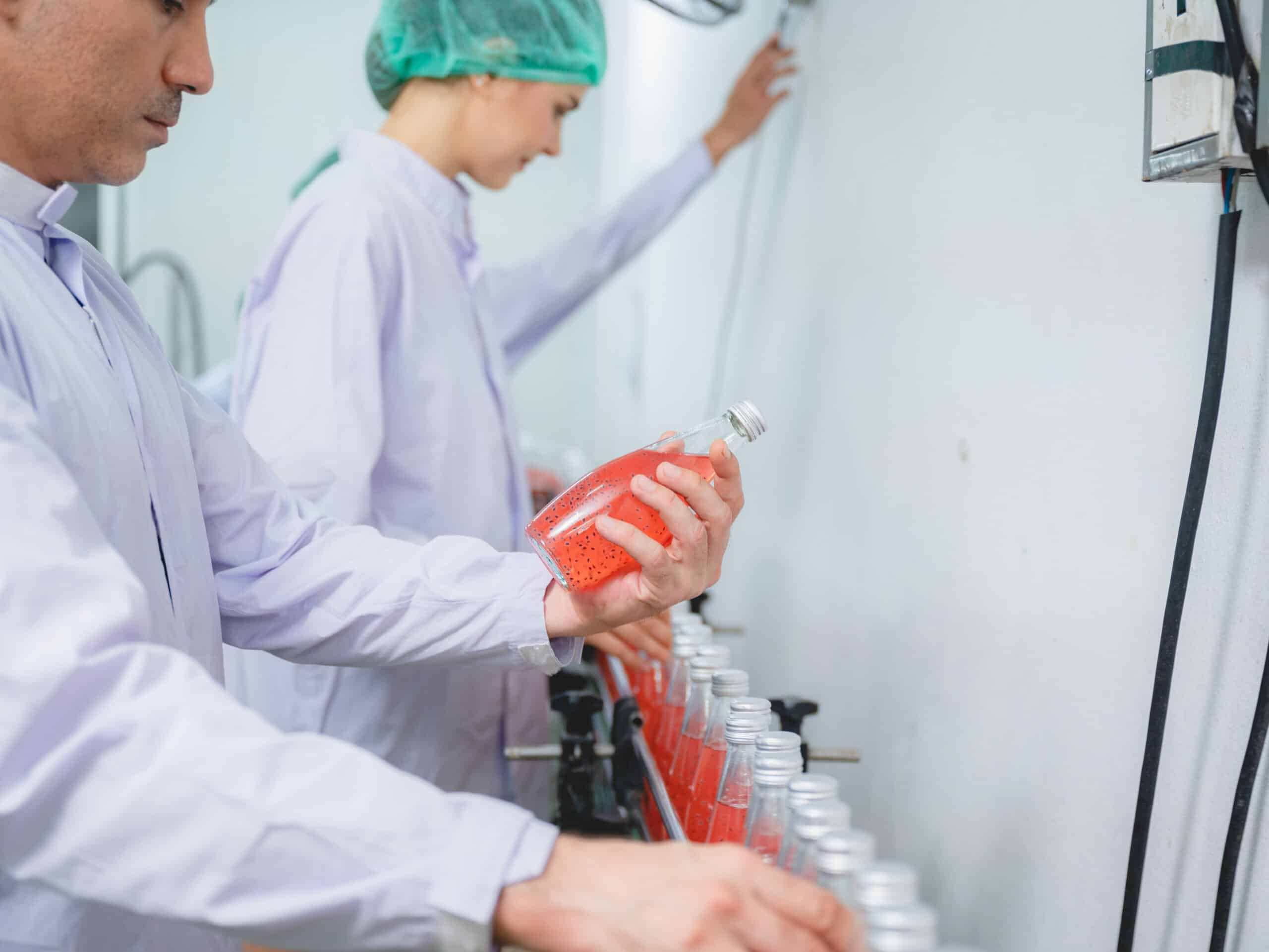
Filling lines are highly automated and operate with impressive speed and precision. The goal is to fill thousands of units per hour while maintaining strict hygiene standards and ensuring zero contamination. Most modern facilities carry out this step in cleanroom conditions, where air quality, temperature, and humidity are controlled to meet food-grade safety protocols.
Before filling, all packaging components - whether they’re bottles, cans, pouches, or cartons - go through a cleaning and sterilization process. This step is essential to eliminate any dust, residue, or microbes that could compromise the beverage’s quality or safety. Sterilization is typically done using steam, UV light, or chemical rinses, depending on the material and manufacturer preferences.
Manufacturers offer a variety of packaging formats depending on your beverage type, brand positioning, sustainability goals, and cost considerations:
- Glass bottles: Often used for premium drinks such as kombucha, cold-pressed juice, or artisanal sodas. Glass is recyclable, offers a high-end look, and provides good barrier protection against oxygen and light.
- PET plastic bottles: Lightweight and shatterproof, these are widely used for water, flavored beverages, iced teas, and sports drinks. PET is cost-effective and compatible with high-speed filling lines.
- Aluminum cans: Popular for carbonated beverages, energy drinks, sparkling waters, and modern lifestyle brands. Cans are fully recyclable, lightweight, and great for preserving carbonation and flavor.
- Carton packs: Used mainly for juices, dairy alternatives, and breakfast drinks. Cartons are eco-friendly, have a long shelf life, and are excellent for products that require ambient storage.
- Pouches and sachets: Ideal for single-serve functional drinks, energy shots, or on-the-go wellness beverages. They offer flexibility, reduce shipping weight, and work well in subscription or travel formats.
Finding the right packaging solution is easier with Wonnda. Our platform allows you to filter manufacturers not only by beverage category but also by available packaging formats. Whether you're looking for suppliers who specialize in glass bottling, recyclable PET, or aluminum canning, Wonnda connects you with vetted packaging partners who can meet your design, sustainability, and regulatory needs.
Once filled, containers are immediately sealed - usually with caps, lids, or pull tabs - to prevent contamination. Sealing also locks in carbonation (if applicable) and ensures product integrity. Tamper-evident seals or shrink sleeves are often applied for added safety and customer assurance.
After sealing, each unit is marked with important batch information, including lot number, production date, and expiry date. This coding is vital for traceability, regulatory compliance, and inventory management. Should a quality issue arise, it allows for fast and precise product recalls.
The filled and sealed products are then transfered to the next phase: labeling and secondary packaging. At this point, the beverage is one step away from reaching the shelf - with the product safely and securely enclosed in packaging that represents your brand to the world.
Whether you're producing a small batch of craft sodas or scaling a line of functional drinks for national retail, the filling and bottling phase is where production precision meets brand experience. Working with manufacturers that offer modern, flexible filling solutions ensures that your product not only looks great but also meets safety, sustainability, and shelf-life expectations.
Quality Control and Testing
Quality assurance is built into every stage of the manufacturing process but especially after blending and bottling. The manufacturer conducts quality checks to ensure that every batch meets safety and consistency standards.
Quality testing of beverages.
Common tests include:
- Microbiological analysis (to detect pathogens or spoilage)
- pH level checks (important for stability and taste)
- Brix (sugar content) measurement
- Sensory testing (taste, smell, mouthfeel)
- Nutritional accuracy testing (for label compliance)
Packaging and Labeling
The next step in the production line is packaging and labeling - where your product’s branding, compliance, and shelf appeal come together. This phase plays a crucial role not only in how your drink looks and feels to consumers but also in how it performs in terms of marketing, regulatory approval, and retail readiness.
Packaging is more than just a container - it’s the first interaction a customer has with your brand. Whether you're going for a sleek and minimal design or something bold and colorful, your packaging should reflect your brand identity, product values, and target audience preferences.
The packaging process begins with the application of labels and branding elements. Depending on your packaging format, you may use:
- Pressure-sensitive labels – self-adhesive and widely used on bottles and jars
- Shrink sleeves – full-body labels that wrap around the container for 360-degree branding
- Direct-to-can or direct-to-bottle printing – used for high-end or aluminum formats where no sticker is applied
- In-mold labeling (IML) – labels that are integrated into the plastic container during molding, offering durability and premium feel
In addition to aesthetics, your labels must comply with local regulations and food safety laws in your target market. Compliance requirements vary by region but typically include the following:
- Ingredient list – all components in descending order of weight
- Allergen declarations – such as nuts, dairy, soy, or gluten
- Nutritional facts – energy value, sugar content, vitamins, etc.
- “Best before” or expiration dates – for shelf life and traceability
- Certifications – Organic, Non-GMO, Vegan, Kosher, Halal, or Fair Trade if applicable
- Barcode and batch code – for retail scanning and inventory management
Label content must be accurate and legible. For brands selling in multiple markets (e.g., U.S. and EU), it's important to understand labeling nuances — such as font size requirements, language rules, and permitted health claims. Mislabeling can lead to fines, product recalls, or bans from retail shelves.
Depending on your distribution model, products may also be placed into secondary packaging - such as branded cartons, trays, or multi-packs. This is especially important for wholesale, retail-ready formats, or e-commerce shipments.
Brands focused on sustainability can also use this stage to emphasize eco-friendly practices. Options include:
- Recyclable or compostable labels and adhesives
- Water-based inks
- Packaging made from post-consumer recycled (PCR) materials
- Minimalist designs that reduce excess packaging waste
Good packaging and labeling go beyond regulatory boxes, they help communicate your story, values, and promise to the customer. Investing in clear, consistent, and visually appealing packaging can be the difference between being picked up or passed over on the shelf.
Warehousing and Distribution
After your beverage products are fully packaged and labeled, they’re prepared for the final step in the manufacturing process: warehousing and distribution. This stage ensures that your drinks are stored safely and delivered efficiently to retail shelves, warehouses, or directly to customers.
At this point, you have a few different storage and distribution options, depending on your business model and scale. Some manufacturers offer on-site warehousing or short-term storage for small to mid-sized brands. This can be a convenient solution if you're working with limited warehouse space or preparing for a product launch.
For larger volumes or ongoing fulfillment needs, many brands work with a third-party logistics provider (3PL). A 3PL can handle warehousing, order picking, packing, and shipping to retailers, distributors, or consumers. This is especially valuable for DTC (direct-to-consumer) businesses or subscription box models, where fast, accurate, and flexible fulfillment is key.
If your product is temperature-sensitive, such as cold-pressed juices, kombucha, protein shakes, or drinks containing live probiotics, you’ll need to implement cold-chain logistics. This means maintaining a consistent temperature, often between 0°C and 4°C, from the manufacturing facility through warehousing, transportation, and retail display. Cold-chain solutions help preserve freshness, prevent spoilage, and comply with safety regulations.
Distribution planning must also account for factors like:
- Geographic demand – to decide on warehouse locations or fulfillment hubs
- Retail vs. e-commerce logistics – which affects packaging, labeling, and shipping needs
- Inventory tracking systems – for monitoring batch numbers, expiration dates, and stock levels
- Returns or recall protocols – to ensure compliance in the event of product issues
Efficient warehousing and distribution aren’t just operational necessities - they’re essential to maintaining product quality and customer satisfaction. Delays in transit or poor storage conditions can result in damaged products, lost sales, or negative reviews.
Most Common Types of Beverages Manufactured Globally
Beverage manufacturing covers many different drink types, but a few stand out as the most widely made and consumed around the world. These popular categories lead the market because they’re in high demand, easy to produce at scale, and widely available in stores. Knowing which drinks are made the most can help you spot industry trends and figure out where your own product could fit in or stand out.
Bottled Water
One of the most manufactured beverages worldwide, bottled water continues to see steady growth, particularly in health-conscious and convenience-driven markets. It includes still, sparkling, flavored, and mineral waters - all of which require minimal ingredients but high standards in purity and packaging.
Carbonated Soft Drinks (CSDs)
From big-name colas to local fruit sodas, fizzy drinks are still one of the most popular beverage types. Even though people are paying more attention to sugar, these drinks are still in demand, especially with more zero-sugar and naturally flavored options now available.
Juices and Juice-Based Drinks
Orange juice, apple juice, and tropical blends are among the most frequently produced beverages in both fresh and shelf-stable formats. Manufacturers also increasingly offer juice drinks with added vitamins, probiotics, or functional ingredients to meet wellness trends.
Energy Drinks
Energy drinks continue to dominate the functional beverage space, with global demand driven by younger demographics and busy lifestyles. Caffeine, taurine, and B vitamins are standard ingredients, though many brands now offer clean-label or organic options.
Dairy and Plant-Based Milks
Traditional dairy products like milk, flavored milk, and yogurt drinks are produced at large scale globally. At the same time, plant-based beverages ,such as almond, oat, soy, and coconut milks, have become a booming category, driven by demand for vegan and lactose-free alternatives.
Ready-to-Drink Teas and Coffees
RTD teas and coffees are among the fastest-growing segments in the beverage space. Iced tea, matcha, cold brew, and specialty coffee blends are now widely available in bottles, cans, or cartons, often marketed as low-sugar or antioxidant-rich options.
Functional and Wellness Beverages
This umbrella category includes electrolyte drinks, protein shakes, vitamin waters, and wellness shots. As health-conscious consumers seek more benefits from their beverages, this segment is rapidly expanding and highly innovative.
Summary
Beverage manufacturing is a detailed and highly regulated process but with the right partner, it's easier than ever to bring a drink brand to life.
From formulation and flavor development to bottling and distribution, each step plays a role in creating a product that’s safe, appealing, and shelf-ready. Whether you're building a wellness shot brand, a functional hydration line, or a refreshing iced tea, the manufacturing process is what turns your idea into reality
Related articles

Best Clothing Manufacturers in Europe - 2026 Guide by Wonnda
10+ Best Beauty Manufacturers in the US (2026 List)

How to Find a Manufacturer for Your Product (2026 Guide)
European Suppliers: How to find the best EU suppliers in 2026

10 Best European Sourcing Agencies To Find Suppliers & Launch Your Product
How to Start a Premium Private Label Cookware Brand: The Complete Guide
5+ Best Private Label Nonstick Cookware Manufacturers
5+ Best Private Label Cookware Manufacturers in the USA (2026)