
Best private label bags manufacturers
Wonnda connects brands with private label bags manufacturers. Sourcing considerations range from simple canvas totes to structured leather handbags, each dictating specific production requirements. Material selection, whether it's cotton canvas, recycled PET, genuine leather, PU, or technical nylon, fundamentally impacts the manufacturing process and compliance. Flat, simple designs are often handled by workshops specializing in basic sewing, while complex items like backpacks or travel bags require factories adept at pattern engineering, reinforced construction, and hardware integration.
- Vetted suppliers
- 20,000+
- Brands & buyers
- 25,000+
- EU-made
- 80%
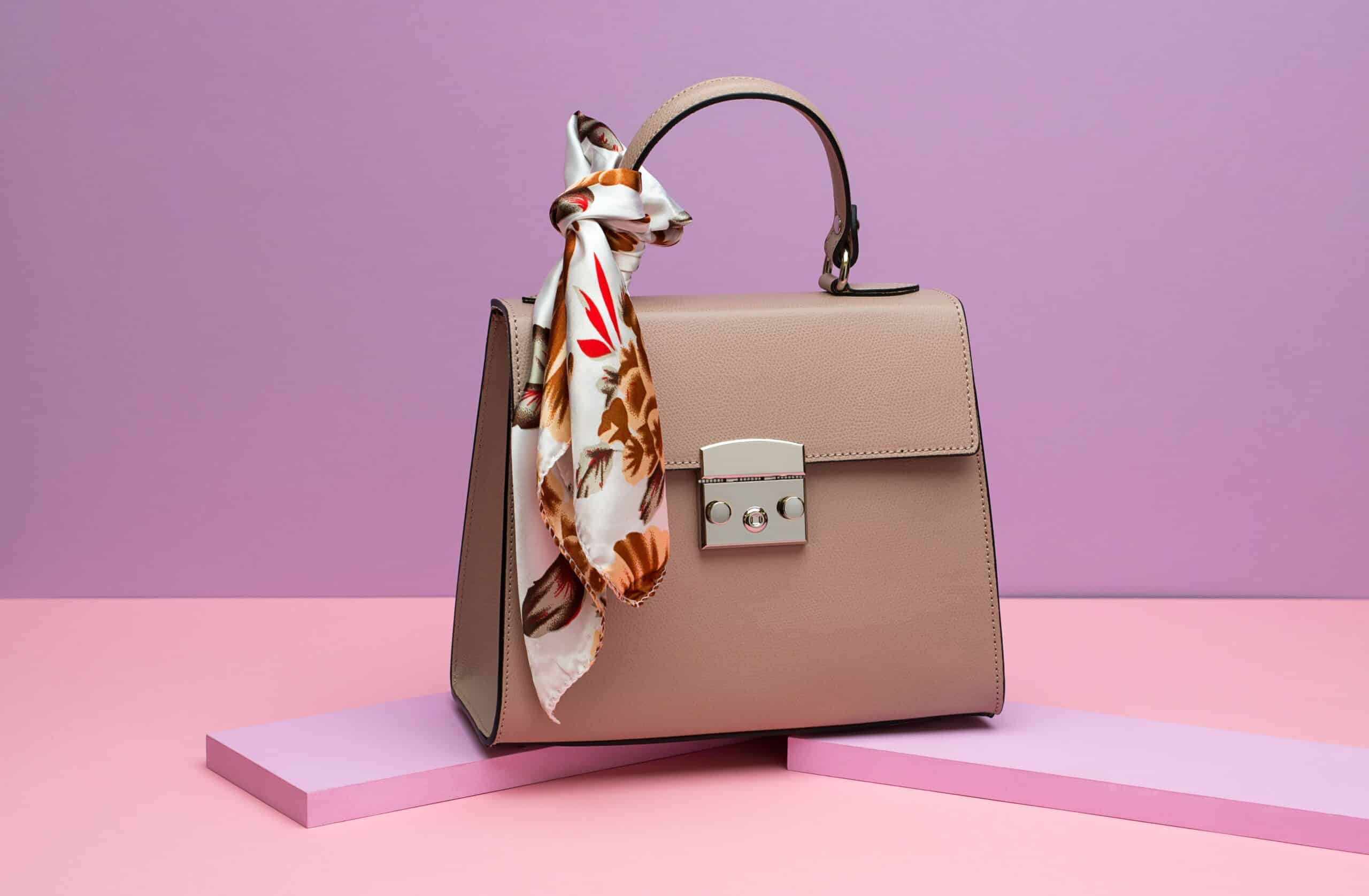
5+ Top private label bags manufacturers
Wonnda works with the best private label bags manufacturers. Here is a list of trusted suppliers from our network.
 Private LabelContract Manufacturing
Spain-based manufacturer producing personalized water cartons (goddess of water), custom cookies and snacks packaging, paper cups for events, available to brands sourcing bags.
- Country
- Spain
- MOQ
- Lead time
 Private LabelContract Manufacturing
Europe-based manufacturer producing hand-made leather handbags, leather accessories, made in italy leather goods, available to brands sourcing bags.
- Country
- -
- MOQ
- Lead time
 Private LabelContract Manufacturing
Europe-based manufacturer producing leather tote bags, leather backpacks, leather satchels, available to brands sourcing bags.
- Country
- -
- MOQ
- Lead time
 Private LabelContract Manufacturing
Poland-based manufacturer producing woven labels, printed labels, embroidered patches, available to brands sourcing bags.
- Country
- Poland
- MOQ
- Lead time
 Private LabelContract Manufacturing
Europe-based manufacturer producing leather handbags, clutches and evening bags, small leather goods (wallets, cardholders), available to brands sourcing bags.
- Country
- -
- MOQ
- Lead time
Compare MOQs and lead times
Quick side-by-side of the shortlist. Missing values shown as a dash.
| Supplier | Location | Types | MOQ | Lead time |
|---|---|---|---|---|
| The Brand Company, S.L. | Spain | PL · CM | ||
| GAS Group | - | PL · CM | ||
| Nobrand Custom | - | PL · CM | ||
| Isbilir Promosyon - Istanbul Promotions | Poland | PL · CM | ||
| Monte Capri | - | PL · CM |
Buyer criteria
- Tech-pack and sampling discipline
Confirm the factory works from a full tech pack and produces accurate samples before bulk. A bag program lives in the detail of material weight, hardware, stitch density, and dimensions, and a supplier that improvises instead of following a tech pack will deliver inconsistent bulk. Approve a production-representative sample, not a hand-made showpiece, before committing to a run.
- Material grade and certification
Verify the actual leather grade or fabric spec and the chemical compliance. Leather and PU must meet REACH limits on chromium VI and azo dyes, and many buyers want LWG-certified or traceable leather, or recycled-content certificates for PET totes. Request the material certificate and a chemical test, since a substituted lower grade is invisible in photos but obvious in wear.
- Stitch and seam strength
Check stitch density, thread quality, and reinforcement at load-bearing points like straps and handles. Bar-tacking and rivets at stress points separate a bag that lasts from one that tears at the seam. Pull-test the straps on a sample, because seam failure at a handle is both the most common structural return and the most damaging to perceived quality.
- Hardware durability and finish
Inspect zippers, clasps, feet, and logo plates for smooth function, plating quality, and secure attachment. Hardware is the most frequent point of failure and the easiest place a factory cuts cost with a weaker zipper or thin plating. Specify named hardware brands or grades where it matters, and test the zipper through repeated cycles on a sample.
- Edge finishing quality
Examine how edges are finished, since edge painting on leather and clean binding on fabric visibly mark quality. Rough, cracked, or peeling edge paint signals rushed work that will worsen with use. For leather goods this is a key craftsmanship signal, so inspect edges on samples closely and confirm the finishing matches the price tier you are selling into.
- Structure and shape retention
For structured bags, confirm interlinings, stiffeners, and base reinforcement hold the shape through use rather than collapsing. A bag that looks crisp in the sample but sags within weeks disappoints customers. Ask how the factory reinforces panels and bases, and check a sample after handling, since shape retention is a core part of a structured bag's perceived value.
Red flags
- No tech pack or only a showpiece sample
A factory that will not work from a detailed tech pack, or that shows only a hand-finished showpiece rather than a production sample, will deliver inconsistent bulk. The gap between a polished prototype and rushed mass production is where bag quality collapses. Insist on a production-representative sample, because a beautiful one-off tells you little about what arrives in volume.
- Vague leather or PU material spec
Genuine leather hides corrected-grain and split leather, and cheap PU cracks within a season, so a quote that will not specify grade, tanning, weight, or backing is hiding a cost cut. Demand the exact material spec and a sample. A supplier evasive about whether leather is full-grain or what PU backing is used is usually substituting a lower grade you did not agree to.
- Weak seams or unreinforced stress points
Straps and handle anchors that are not bar-tacked or riveted will tear under load, the most common structural bag failure. If a sample's stress points show light single stitching where reinforcement is needed, the bag will fail in use. Treat missing reinforcement at load-bearing joints as a defect that no amount of attractive material can offset.
- No REACH or chemical compliance
Leather and PU bags must meet REACH limits on chromium VI and azo dyes for the EU market. A supplier that cannot supply a chemical test report is selling product that may be pulled at customs or by a retailer. Skin-contact straps and handles make this a safety as well as a compliance issue, so missing chemical testing is disqualifying.
Manufacturing process
- 01
Tech pack and pattern engineering
The design is translated into a tech pack specifying material, lining, hardware, stitch type, and dimensions, then a pattern maker engineers the panels so the bag holds its shape and the seams align. Pattern quality determines fit and structure, so errors here repeat in every unit and are expensive to correct after sampling.
- 02
Material and hardware sourcing
Leather, technical fabric, or PU is sourced to the spec along with lining, zippers, snaps, feet, and logo plates. Material is inspected for grade, weight, and defects, and custom hardware may require its own tooling. Material consistency is critical, since leather varies hide to hide and a substituted fabric weight changes the whole bag's feel.
- 03
Cutting
Panels are cut from the material by die or laser against the pattern. Leather is cut by skilled hands to work around hide flaws and grain direction, which drives yield and cost, while fabric and PU are cut in stacked layers. Accurate cutting controls how cleanly panels align at assembly and how much material is wasted.
- 04
Edge finishing and preparation
Cut edges are skived, folded, or painted depending on construction. Edge painting on leather goods is a multi-coat skilled step that visibly separates quality bags from rough ones, while fabric edges are bound or overlocked. Reinforcements, interlinings, and stiffeners are added to panels that must hold structure.
- 05
Sewing and assembly
Panels are sewn with the specified stitch density and thread, hardware is attached, the lining is inserted, and the bag is closed. Stress points like strap anchors and zipper ends are bar-tacked or riveted. Stitch consistency and reinforcement at load-bearing points decide whether a bag survives daily use or fails at the handle.
- 06
Hardware fitting and shaping
Zippers, magnetic closures, feet, and logo plates are fitted and tested for smooth function, and structured bags are shaped and stuffed to set their form. Hardware is checked for plating, smooth action, and secure attachment, since a bag is most often returned for a broken zipper or a detached strap fitting.
- 07
Quality control and packing
Finished bags are inspected for stitch quality, symmetry, hardware function, edge finish, and material defects, and samples may be pull-tested at straps and tested for REACH chemical limits. Bags are cleaned, stuffed to hold shape, tagged, and packed with dust bags or boxes where specified, with lot codes for traceability.
Understanding bags private-label manufacturing
Materials and Construction
Private label bags range from canvas totes to structured leather handbags. Material choice dictates factory selection, cost, construction, and compliance. Cotton canvas and recycled PET totes are simple to sew and handled by small workshops with low minimum order quantities.
Structured handbags, backpacks, and travel bags made from genuine leather, PU, or technical nylon require pattern engineering, reinforced panels, hardware, and lining. These items are produced in specialist leather goods or bag factories that work from a detailed tech pack. Deciding the construction class early determines which suppliers can provide a quote.
The tech pack is crucial for a bag program. It specifies material type and weight, lining, hardware (zippers, magnetic snaps, D-rings, feet, logo plates), stitch type and density, edge finishing, dimensions, and panel construction. For leather goods, decisions include full-grain versus corrected-grain versus split leather, and vegetable versus chrome tanning. Edge painting versus folded edges also impacts the finished piece and cost. For PU and vegan bags, the backing and coating quality determine durability, making the material specification as important as the design.
MOQs and Lead Times
Minimum Order Quantities (MOQs) depend on construction. A simple canvas tote can start around 300 to 500 units. A structured leather handbag with custom hardware often starts at 500 to 1,000 units per style due to pattern, hardware tooling, and material minimums. Plan for 60 to 120 days for a first run, including sampling. Cost is primarily driven by the main material (leather by the square foot, technical fabric and PU by the meter), followed by hardware, lining, and construction labor. Custom hardware molds are a one-time tooling charge.
Where It's Made
Bag manufacturing is concentrated in China and increasingly in Vietnam, Cambodia, and Bangladesh for volume across all material types. India and Italy specialize in leather goods, with Italy providing premium products due to strong tanning and craftsmanship. Turkey, Portugal, and Spain are options for brands seeking shorter EU lead times and easier audits.
Quality and Certifications
Private label bag buyers include D2C fashion and accessory brands, sustainable tote labels, retailer accessory ranges, corporate and promotional gifting, and apparel brands. Compliance is important: leather and PU must meet REACH limits on chromium VI and azo dyes. Many buyers require traceable or Leather Working Group (LWG) - certified leather and recycled-material certificates.
Qualify partners based on tech-pack discipline, stitch and edge quality, hardware durability, and material certification, rather than just the unit price. A bag that delaminates, frays at the seams, or fails a chemical test can result in expensive returns and damage to the brand.
Frequently asked questions
What MOQ and lead time should I expect for private label bags?+
How do I write a tech pack for a bag?+
What is the difference between full-grain, corrected-grain, and split leather?+
Can I make vegan or recycled bags, and how do I prove the claims?+
Why do bag straps and zippers fail, and how do I prevent it?+
What chemical compliance do bags need for the EU?+
Get a vetted shortlist of bags suppliers in 48 hours.
Post a brief on Wonnda. Free, no commitment. We match you with vetted manufacturers that fit your MOQ, format and market.