How to Find the Best Wholesale Suppliers For Your Brand or Retail Business (2026)

Finding reliable wholesale suppliers can make or break your business. Whether you're a brand looking to scale, a retailer filling shelves, or a startup founder sourcing inventory, the right supplier means better prices, faster turnaround, and scalable growth.
In this guide, you’ll learn how to find the best wholesale suppliers, what to watch out for, and how to avoid common mistakes. We go far beyond the usual directories and provide a complete approach rooted in real sourcing experience.
What Is a Wholesale Supplier?
A wholesale supplier is a company that sells goods in large quantities at lower prices to resellers, retailers, brands, or distributors. These goods can be finished products, ready-to-sell products under your own brand (white label products), or overstock and surplus inventory.
Wholesalers are crucial for accessing inventory without having to produce it yourself, and they play a key role in the supply chain across nearly every industry.
Why Finding the Right Wholesale Suppliers Matters

1. Pricing Power
Lower cost per unit means higher margins and greater flexibility for promotions, bundle offers, and reinvestments into growth.
2. Reliability
Reliable suppliers reduce the risk of stockouts and delays, which protects your customer experience and brand reputation.
3. Product Consistency
Consistent quality means fewer returns, higher reviews, and improved customer retention.
4. Scalability
A good supplier can grow with you. They’ll offer volume flexibility, improve production timelines, and support new product development.
Types of Wholesale Suppliers
1. Distributors
Distributors typically partner with a limited number of specific brands or manufacturers and act as their official representatives in a certain region or market. They buy products directly from manufacturers, hold stock, and sell to retailers or other businesses. Distributors often have exclusive rights to distribute certain brands or product lines, and provide after-sales support and marketing for those brands.
Key features:
- Represent specific brands exclusively or semi-exclusively.
- Maintain inventory for quick restocking.
- Offer smaller MOQs and shorter lead times.
- Provide brand-specific marketing and after-sales support.
2. Trading Companies
Trading companies act as intermediaries who source and resell products from multiple manufacturers without strong brand loyalties or exclusivity. They offer diverse catalogs across multiple product categories, often changing their suppliers based on price, availability, or market trends. Trading companies provide retailers the flexibility to source varied products without long-term commitments.
Key features:
- Wide-ranging product catalogs.
- Flexible supplier relationships with less brand loyalty.
- Suitable for testing various SKUs quickly.
- Often prioritize price competitiveness over exclusivity.
3. Manufacturers
Manufacturers produce goods directly. Partnering with manufacturers allows retailers or brands to develop exclusive products, private label lines, or white label goods. Working directly with manufacturers grants greater control over production details, but typically involves higher MOQs, longer lead times, and higher initial investment.
Key features:
- Direct control over product specifications.
- Best suited for exclusive, private, or white label products.
- Higher MOQs and longer lead times.
- Lower per-unit cost in high volumes.
4. Dropshipping Suppliers
Dropshipping suppliers handle inventory storage and directly ship products to end customers on behalf of retailers. This model requires minimal upfront investment since the retailer doesn't need to maintain stock, making it ideal for rapidly testing products and markets with lower financial risk.
Key features:
- Ideal for e-commerce businesses exploring new product lines.
- No inventory requirement for retailers.
- Low upfront investment and risk.
- Direct shipping to end consumers.
Where to Find the Best Wholesale Suppliers in 2026
Wonnda - Sourcing Platform to Find Suppliers
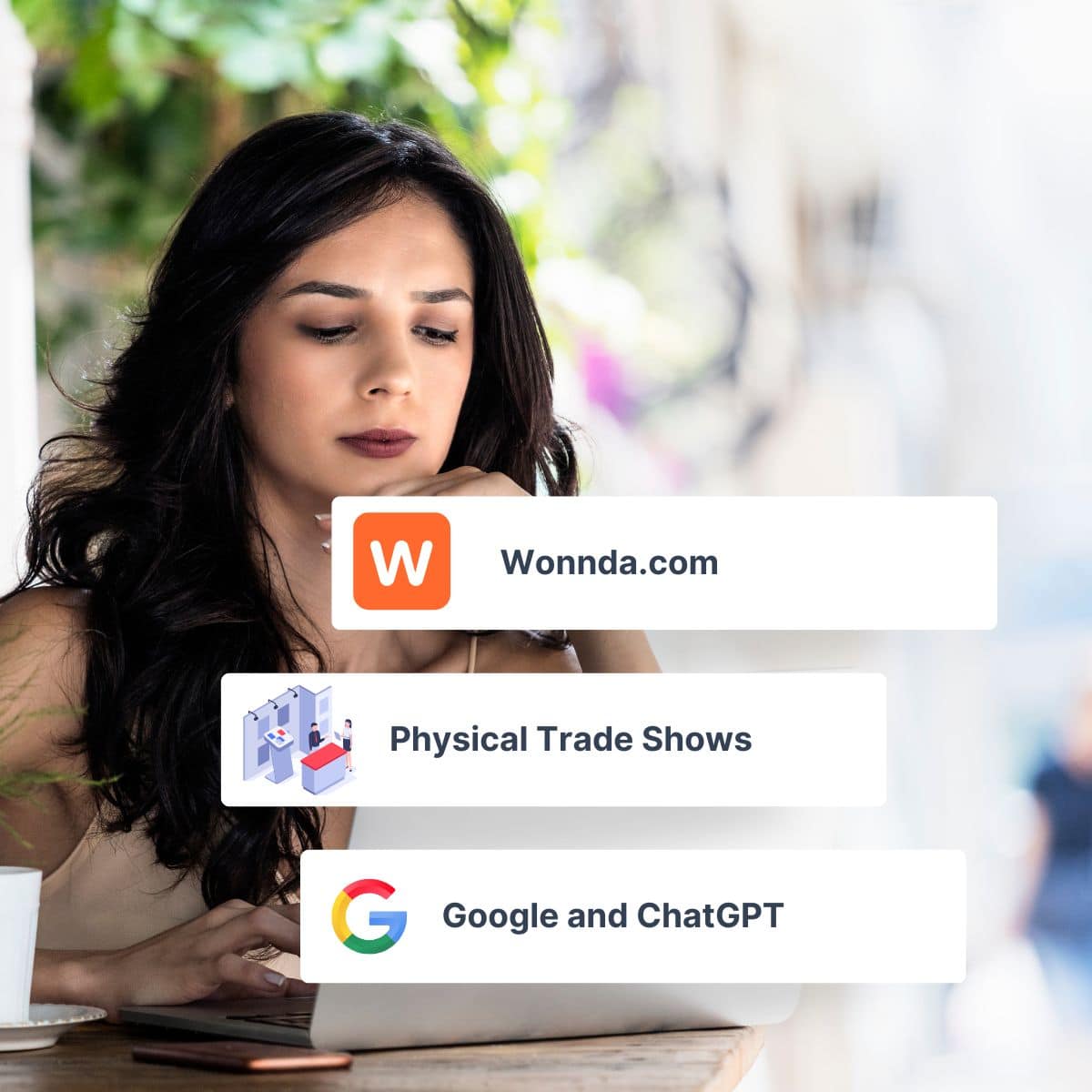
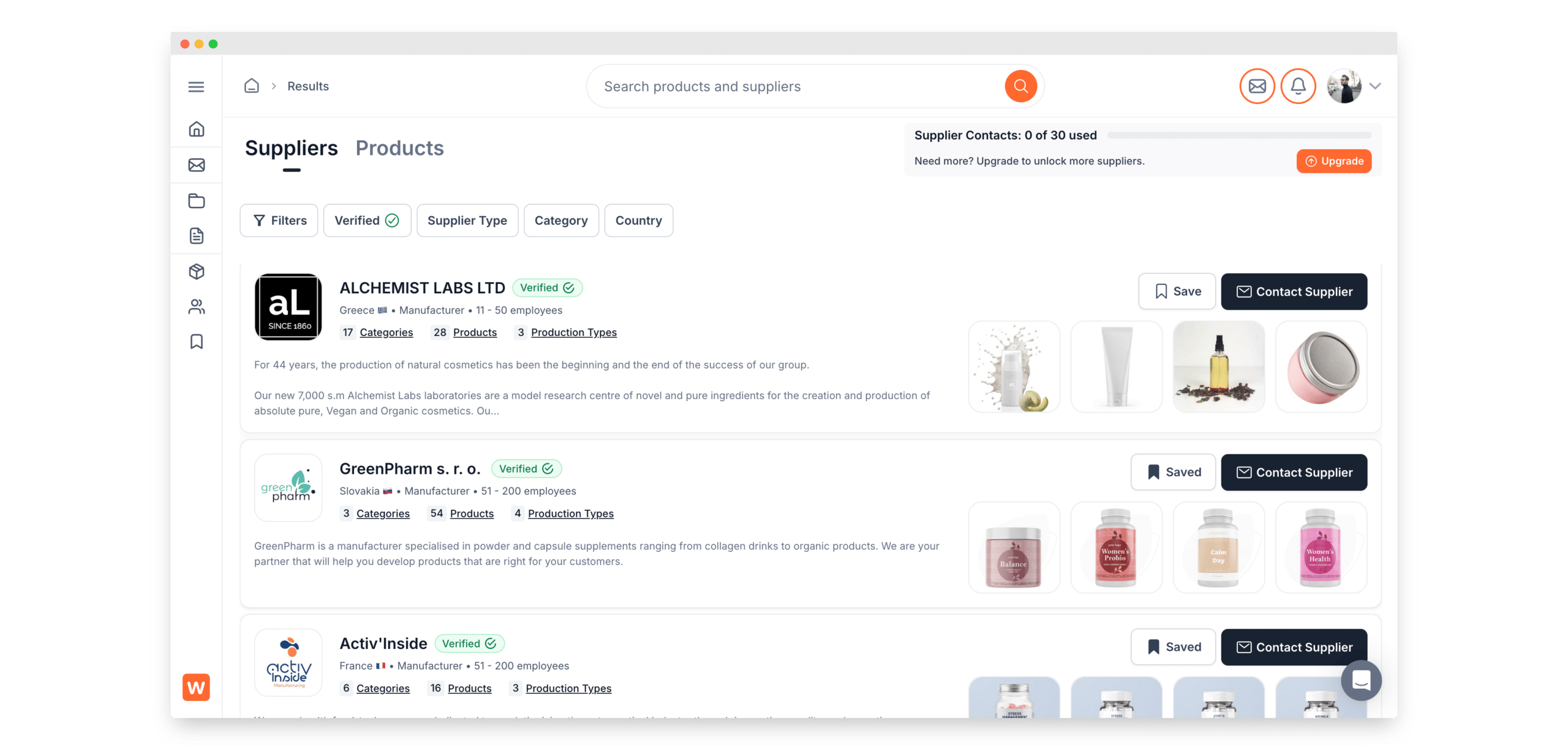
Wonnda is the leading digital B2B platform (private label marketplace) for finding verified wholesale and private label manufacturers. Wonnda focuses on consumer goods such as cosmetics, supplements, food and beverage, home and living, household and related categories such as packaging. Suppliers on Wonnda have been carefully sourced and verified, and you can manage communication, briefs, tenders and orders directly in the platform.
MOQs are low and production is mostly European. You can get started here: Find wholesale suppliers on Wonnda
Industry Trade Shows
Industry trade shows like PLMA, Anuga, Cosmoprof, and Ambiente remain powerful tools to discover new wholesale suppliers for your brand. You can see products in person, build relationships face-to-face, and spot trends before they hit the mainstream.
Online Wholesale Marketplaces
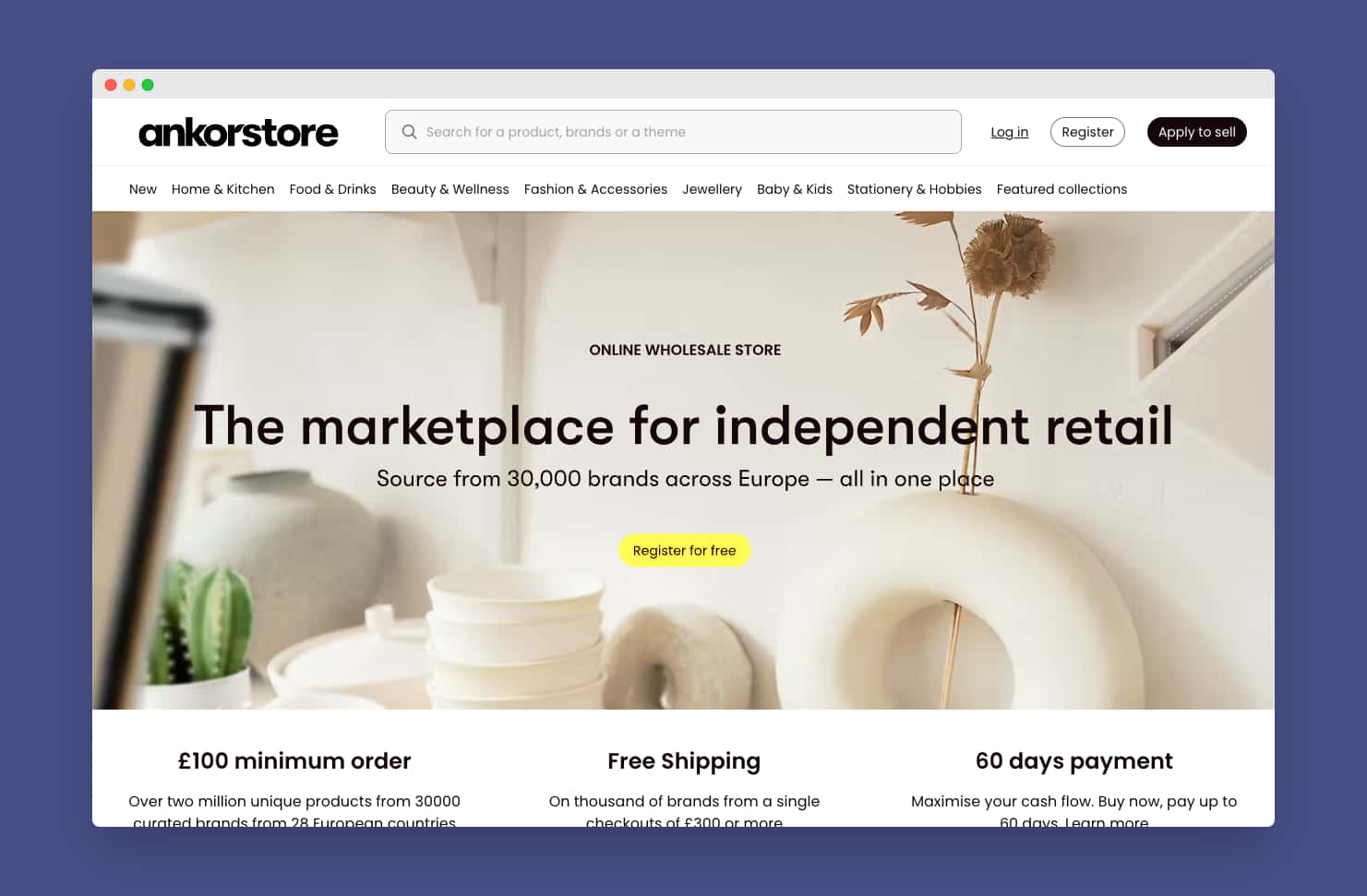
Online wholesale marketplaces such as Faire or Ankorstore, Abound, and Orderchamp make it easy to browse pre-vetted brands offering wholesale pricing. These platforms manage returns, offer payment terms, and are great for boutiques, concept stores, and gift shops.
Sourcing Platforms
Sites like Alibaba or Global Sources are ideal for high-volume importing. Most suppliers are based in Asia, offering competitive pricing but also longer lead times and quality risks. These platforms are best suited for experienced importers who can manage production oversight.
Google and Search Filters
You can also use Google smartly to discover niche suppliers. Combine product keywords with location and “wholesale supplier,” such as “organic skincare wholesale supplier Germany.” This works best if you know exactly what you’re looking for.
LinkedIn and B2B Networks
LinkedIn is underrated. Many manufacturers and account managers are active and reachable via LinkedIn. Use it to build direct relationships, especially for niche categories, and to do background checks before engaging.
Difference Between Private Label and Wholesale
When sourcing products for your brand or store, it’s crucial to understand the differences between private label, white label, and wholesale - as each model impacts branding, pricing, control, and supplier relationships differently.
1. Wholesale
In the wholesale model, retailers buy finished products in bulk from wholesale suppliers (distributors, trading companies, or even manufacturers) and resell them to end customers. These products are pre-branded by the manufacturer or brand owner and cannot be altered.
Key traits:
- Products are pre-made and branded.
- Retailers have no influence over product design or packaging.
- Lower barriers to entry, fast time-to-market.
- Margins depend on brand strength and competition.
2. Private Label
Private label refers to products manufactured by a third party but sold under the retailer’s own brand. The buyer usually customizes the product’s formula, ingredients, packaging, and branding. Private label is ideal for building a unique brand and maintaining higher margins.
Key traits:
- Products are custom-made and exclusive to the buyer.
- Full branding and packaging control.
- Requires collaboration and longer lead times.
- Higher MOQs, but stronger brand equity.
3. White Label
White label sits between wholesale and private label. But there are clear differences between private label and white label. The manufacturer produces a generic product and allows multiple buyers to rebrand it under their own label—without modifying the core product itself.
This model is often used by manufacturers who also act as wholesale suppliers, meaning they produce products under their own brand but are open to offering those same products under a buyer’s brand if volume or demand justifies it.
Key traits:
- Product formula/design remains unchanged.
- Buyer can use their own branding and packaging.
- Often lower MOQs than private label.
- Faster time-to-market, but less differentiation.
Where the Lines Blur
- White label products are typically manufactured by suppliers who also sell those same products under their own brand through wholesale channels.
- A wholesale supplier might offer the exact same product both under its own brand (to retailers) and as a white label option (to brands wanting fast private branding).
- While private label is about exclusivity and customization, white label is about speed and simplicity with partial brand control.
Summary Wholesale vs. Private Label vs. White Label:
| Model | Branding | Product Customization | MOQ | Time-to-Market | Exclusivity |
|---|---|---|---|---|---|
| Wholesale | Supplier’s | None | Low | Fast | No |
| White Label | Buyer’s | Branding only | Medium | Fast | No |
| Private Label | Buyer’s | Full (formulation, packaging, etc.) | High | Slower | Yes |
Tip: If you're just starting and want a branded product without the cost and complexity of custom development, white label is a great stepping stone from wholesale to private label
20+ Best Wholesale Suppliers For your Business
Mighty Supplements
Supplier of private‑label and branded nutritional supplements. Offers capsules, powders, tablets with scalable production for retail and D2C brands.
Website: https://mighti.me/
Malantis Labs
A German contract manufacturer (LSP/LSP) specializing in custom formulations and private‑label production of supplements and cosmetics.
Website: https://mlnt-lab.de/ LinkedIn+7Mighty Mint+7mightyautoparts.com+7Instagram+1Instagram+1
MiiN Trade
Europe’s leading K‑Beauty wholesale distributor, offering skincare, makeup, and beauty tools fully compliant with EU regulations and ready for private‑label.
Website: https://www.miintrade.com
Wholesale Cosmetics
EU-based wholesaler supplying bulk makeup, skincare, and fragrances, serving salons, retailers, and e‑commerce businesses.
Website: (Search “Wholesale Cosmetics EU bulk supplier”)
Perfume‑Supplier.eu
Provides large‑scale beauty product sourcing—including perfumes, skincare, and makeup—designed for retailers and private‑label projects in Europe.
Website: https://perfume-supplier.eu
Gabona
A UK wholesaler of professional beauty and salon-grade cosmetics, servicing large retailers and hair/spa professionals.
Website: https://gabona.com
The Phin France
Paris‑based luxury and boutique cosmetics wholesaler, specializing in high-end skincare and perfumery for premium retailers.
Website: https://thephin.fr
Taste of Germany Wholesal
German FMCG wholesaler offering a wide range of traditional foods: cheeses, breads, sweets, coffee, beer substitutes, and regional specialties.
Website: https://www.thetasteofgermany.com
Bruckmann GmbH
Germany‑based distributor focusing on frozen, dried, and snack food items for supermarkets, catering, and branded food stores.
Website: (Search “Bruckmann GmbH food distributor Germany”)
Multi Brands Wholesale International
Berlin‑based supplier of beverages, including soft drinks, juices, and private‑label drink solutions for retail and hospitality sectors.
Website: (Search “Multi Brands Wholesale International Berlin beverage supplier”)
AGRO AFRIQUE COMPANY LIMITED
Exporter and wholesaler specializing in African beverages (fruit juices, tea blends, non‑alcoholic drinks), based in Germany with African supply chains.
Website: (Search “Agro Afrique beverage exporter Germany”)
Ankerkraut (via Yumda network)
Wholesale supplier of spices and seasonings, with scalable packaging and private‑label services for retailers and food services.
Website: https://www.yumda.com
Bean United (via Yumda network)
Independent bulk coffee wholesaler and roaster providing specialty, private‑label, and cafe-grade blends across Europe.
Website: https://www.yumda.com
Evivita
EU-based manufacturer of private‑label supplement products—capsules, tablets, powders—with turnkey production from small to large batches.
Website: https://evivita.com
Vehgroshop
Wholesale supplier of organic vitamins, powders, and nutraceuticals with private‑label and bulk‑packaging options for health stores.
Website: https://www.vehgroshop.com
IQ Production
Contract manufacturer for high‑purity nutritional supplements and vitamins, supporting R&D and large‑scale brand production in Europe.
Website: https://iqproduction.eu
Euro Food Technology
Private‑label producer specializing in proteins, vitamins, herbal supplements, and nutritional powders with EU compliance.
Website: https://www.eurofoodtechnology.com
Supplement Factory UK
UK‑based specialist in R&D‑driven supplement contract manufacturing, offering formula development, testing, and full production.
Website: https://supplementfactoryuk.com
B Living
European wholesaler of home accessories, including textiles, glassware, and decorative items, with flexible order volumes.
Website: https://www.b-living.eu
BigBuy Home Decor
Pan‑EU wholesaler for home and kitchen goods, offering dropshipping, bulk orders, and branded packaging support.
Website: https://www.bigbuy.eu
Wiltex
One of Europe’s largest wholesalers of new and used clothing, shoes, and accessories with high‑volume lot sourcing.
Website: https://wiltex.eu
Istanbul Fashion Center (IFC)
Turkish fashion wholesaler offering over 100,000 garment styles—from casualwear to bridal—servicing EU and global retailers.
Website: https://istanbulfashioncenter.com
5 Best Wholesale Platforms
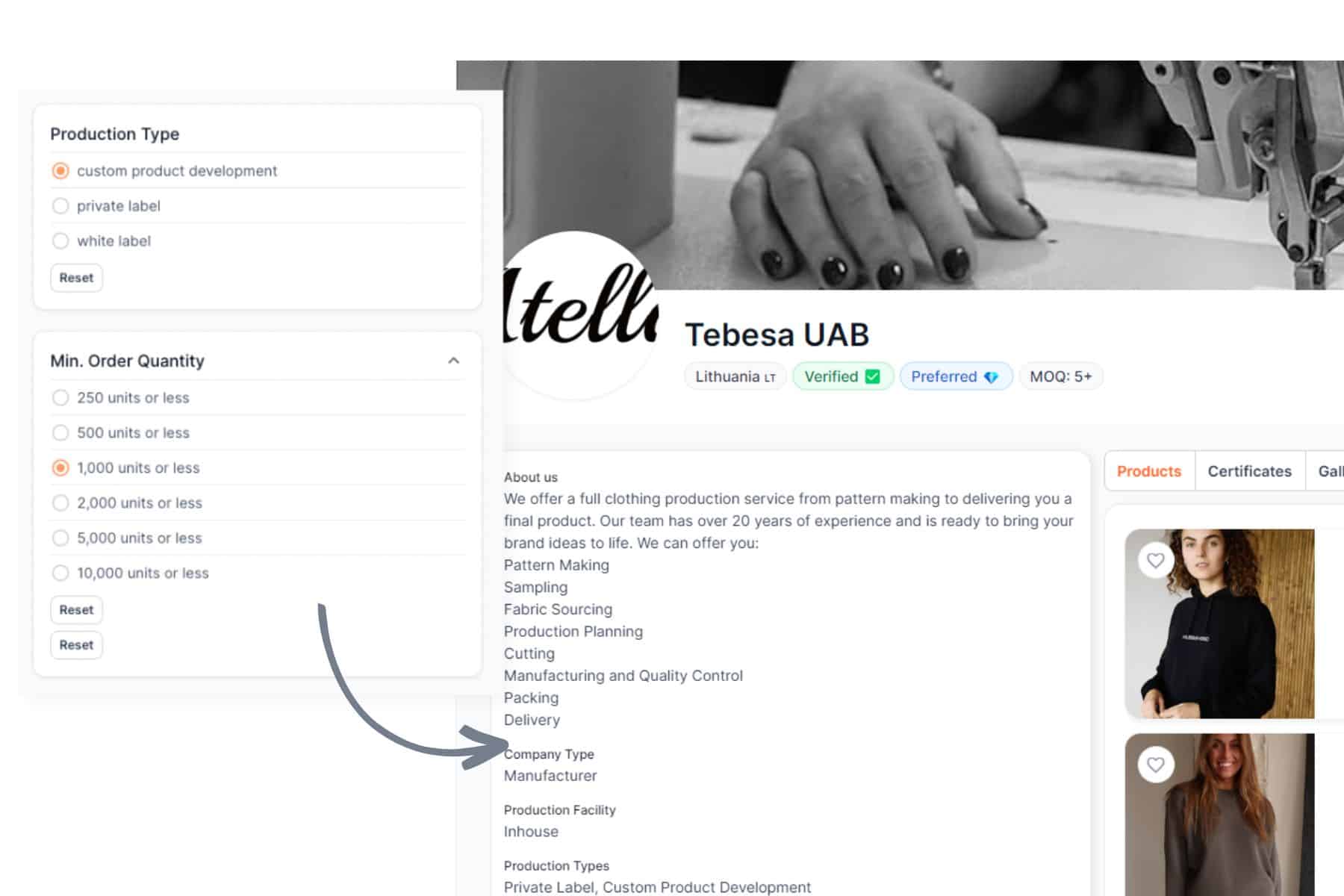
1. Wonnda
Best for sourcing verified European wholesale and white label suppliers with integrated project workflows. It allows end-to-end communication, tendering, and project management.
2. Faire.com
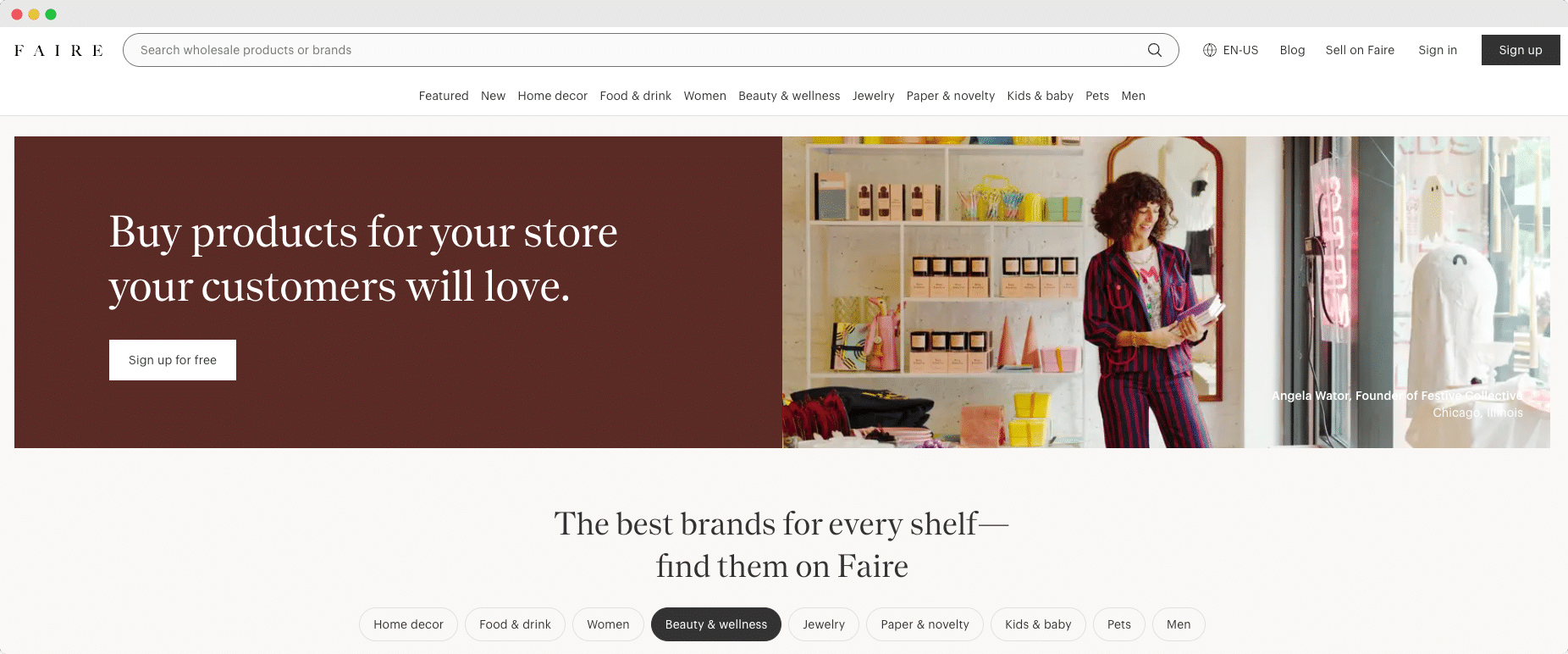
Faire.com is a marketplace connecting independent brands and retailers with wholesale terms and returns. Focuses on curated products and easy ordering for small businesses.
3. Abound
US-based wholesale platform focused on curated, small-batch brands for retail. Offers net payment terms and modern brands perfect for indie shops.
4. Ankorstore
European wholesale network designed for boutiques and premium lifestyle shops. Strong in home, beauty, fashion, and gourmet categories.
5. Alibaba
Largest global wholesale platform offering manufacturers, traders, and factories across Asia. Great for experienced importers managing large-scale sourcing.
FAQ: Finding Wholesale Suppliers
How Do I Verify If a Wholesale Supplier Is Legit?
Always ask for certifications, test samples, request references, and check their company registration. Use LinkedIn and trade databases to confirm legitimacy.
What Is the Difference Between Wholesale and Private Label?
Wholesale means you buy finished branded products in bulk. Private label means you buy unbranded goods and sell them under your own brand.
Can I Order Small Quantities From Wholesale Suppliers?
Yes, especially through platforms like Wonnda. Many suppliers offer low MOQs starting at just 100 units.
Where Are the Best Wholesale Suppliers Located?
Europe and the US are ideal for regulated, premium-quality goods. Asia is best for low-cost high-volume orders. It depends on your business model and target customer.
Final Thoughts: Your Supplier = Your Growth Partner
The best wholesale suppliers don’t just ship goods - they power your growth. With the right partner, you can ensure consistent quality, scalable operations, and profitable margins. Use this guide to navigate the world of wholesale sourcing and take your brand or retail business to the next level.
👉 Ready to get started? Find verified wholesale suppliers on Wonnda
Related articles
15 Best European Alibaba Alternatives (2026)
10+ Best BigBuy Alternatives in 2026
15+ Top European B2B Marketplaces in 2026 - Ultimate Guide

11 Best Procurement Platforms in 2026
12 Best Thomasnet Alternatives for B2B Sourcing in 2026
Why is everything made in China? The real reasons behind the factory of the world

Top 5 Product Sourcing Platforms for Brands in 2026

White Label vs. Private Label vs. Wholesale: Biggest Differences In 2026