Why is everything made in China? The real reasons behind the factory of the world

Key Takeaways
- “Made in China?” is the result of decades of reforms, trade deals, and industrial strategy - not just cheap labor.
- China became the world’s manufacturing hub through economic reforms, special economic zones, WTO accession, and massive investments in infrastructure and supply chains.
- Trump-era tariffs on Chinese imports reshaped global trade for US brands, raising landed costs and accelerating “China Plus One,” nearshoring, and reshoring strategies.
- Not everything is made in China: the US and Europe still dominate many high-value categories like premium cosmetics, supplements, specialty foods, and advanced manufacturing.
- Relying heavily on Chinese production exposes brands and retailers in both the US and Europe to geopolitical, logistical, and compliance risks.
- US and European brands increasingly use mixed strategies: part of the portfolio from China, part from Europe or North America (including the US and Mexico), and part from alternative Asian hubs.
- Modern sourcing platforms like Wonnda help brands find private label and contract manufacturers, especially in the US and private label manufacturers in Europe, to complement or replace “Made in China” where it makes strategic sense.
Short Answer: Why Is Everything Made in China?
The short answer to “why is everything made in China” is:
Because China offers a unique combination of scale, skilled labor, integrated supply chains, pro-manufacturing policies, and export-focused infrastructure, all plugged into the global trading system through deals like World Trade Organization (WTO) membership.
In practice, this means:
- Manufacturers can find nearly every component and service in one region.
- Brands can ramp up production quickly from thousands to millions of units.
- Historically low costs and huge capacity created an irresistible pull for global brands.
For years, that made “Made in China” the default answer for both US and European companies. Today, though, tariffs, trade tensions, sustainability expectations, and supply chain shocks are forcing brands on both sides of the Atlantic to ask a more strategic question: when does it still make sense to manufacture in China – and when should production move closer to home?
How China Became the Factory of the World
Understanding why so much is made in China requires a look at the historical path that led to today’s manufacturing dominance.
Pre-1978: A Closed Planned Economy
Before 1978, China was:
- Largely closed off from global trade.
- Organized as a centrally planned economy.
- Dominated by state-owned enterprises, with very limited foreign investment.
Most consumer goods on US and European shelves came from domestic factories, Japan, or other industrialized countries. “Made in China” barely existed as a concept for Western consumers.
1978–1990s: Deng Xiaoping’s Reforms and Special Economic Zones
The turning point began with economic reforms under Deng Xiaoping:
- China opened gradually to foreign investment.
- Special Economic Zones (SEZs) like Shenzhen were created along the coast.
- SEZs offered tax incentives, easier regulations, and better infrastructure for foreign companies.
Western, Japanese, and later Korean and Taiwanese brands started to:
- Move labor-intensive production such as textiles, apparel, and toys to China.
- Experiment with basic electronics assembly and packaging.
This laid the foundations for China as a low-cost, export-oriented manufacturing base.
1990s–2001: Global Brands Discover China at Scale
In the 1990s, multinational corporations saw the full potential:
- Electronics and hardware brands scaled up assembly in Chinese factories.
- Fashion and footwear companies moved entire categories from higher-cost countries.
- Global retailers began to build direct sourcing offices in China.
Manufacturing clusters emerged:
- The Pearl River Delta (Shenzhen, Guangzhou, Dongguan) became a hub for electronics, hardware, and gadgets.
- The Yangtze River Delta (Shanghai and surrounding areas) grew strong in textiles, machinery, and consumer goods.
Costs were low, labor was abundant, and local governments supported industrial growth. The groundwork for “everything is made in China” was now firmly in place.
2001: China Joins the WTO
A crucial milestone was China’s accession to the World Trade Organization (WTO) in 2001.
This step:
- Integrated China into the global trading system with more predictable tariffs and rules.
- Gave US and European brands confidence to build long-term supply chains in China.
- Encouraged massive foreign direct investment in factories, industrial parks, and logistics.
US administrations, including under President Bill Clinton, backed China’s entry into the WTO, seeing it as a way to open Chinese markets and institutionalize trade rules. The side effect: it supercharged China’s role as the go-to manufacturing base for consumer goods flowing into US and European retail.
2001–2010: Hyper-Globalization and Offshoring
The 2000s were the era of hyper-globalization:
- Design and branding increasingly stayed in the US and Europe.
- Manufacturing for consumer goods shifted to China.
- Container shipping and global logistics systems scaled dramatically.
For many categories, especially for US big-box retail and European discount chains, “Made in China” became synonymous with:
- Low cost per unit.
- Huge production capacity.
- Reliable repeatability at scale.
In this period, it was economically rational for both American and European brands to shift production to China whenever possible.
2010s: Moving Up the Value Chain
By the 2010s, China had moved well beyond low-end manufacturing:
- Advanced electronics and smartphones.
- Renewable energy equipment (solar panels, batteries).
- More complex machinery and automotive components.
At the same time:
- Wages in coastal China rose compared to earlier decades.
- China invested heavily in automation, robotics, and higher value-added processes.
- The US and Europe retained or reshored some strategic and high-tech production, while specializing in premium, highly regulated, or brand-sensitive categories.
So the picture shifted: China remained dominant in many mass-market segments, but “everything” was never literally made there, especially when you look at pharmaceuticals, certain advanced tech, and premium FMCG products.
Why So Much Is Still Made in China Today
Even with rising wages and trade tensions, China remains central to many brands’ sourcing strategies. Here is why.
A Massive, Experienced Labor Pool
China offers:
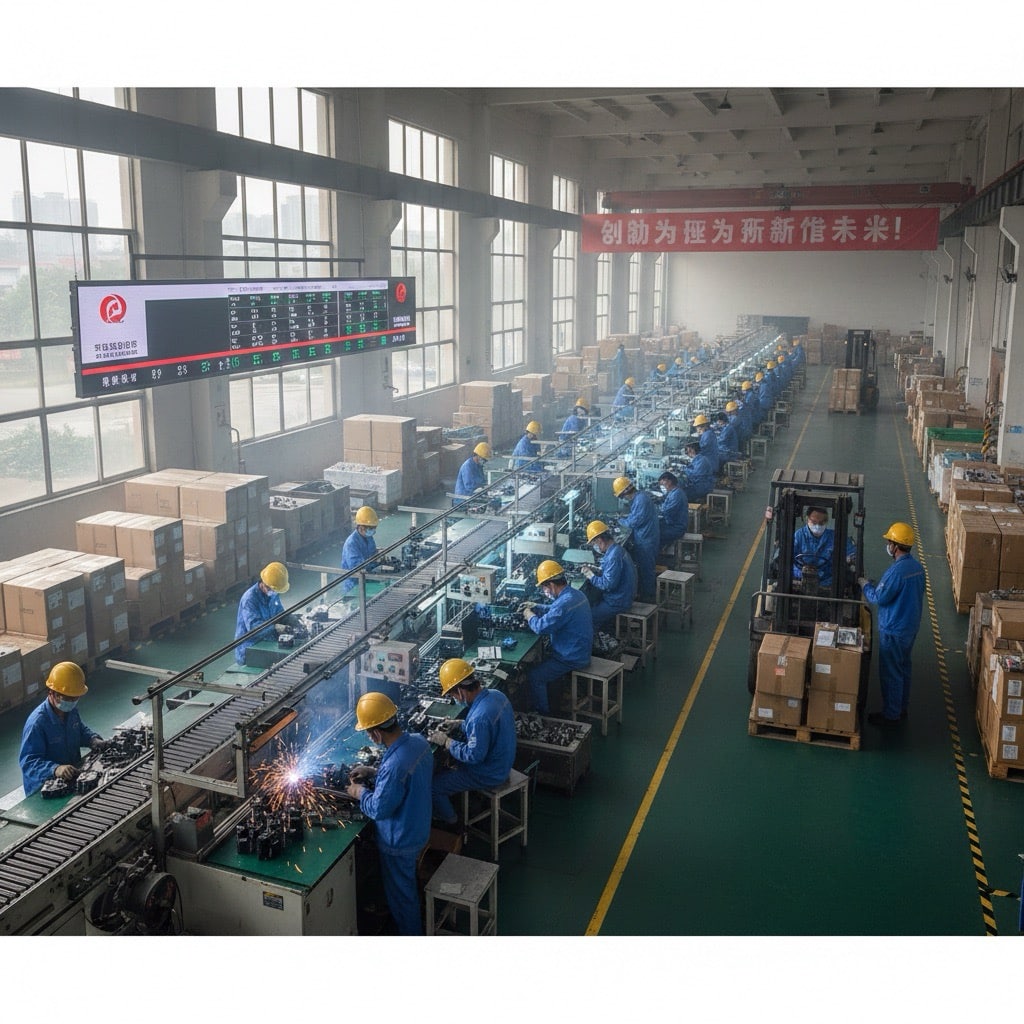
- Millions of manufacturing workers with years of experience in assembly, machining, finishing, and QC.
- A deep base of technicians and engineers who understand tooling, process optimization, and large-scale production.
This experience is hard to replicate quickly in other countries.
Integrated Industrial Clusters
In key regions, you can find entire ecosystems that support product development from idea to finished product:
- Electronics: PCB factories, component vendors, cable makers, casing suppliers, and assemblers all within short distances.
- Consumer goods: injection molding, packaging, printing, labeling, and final assembly facilities clustered together.
For both US and European brands, this means:
- Faster prototyping and product iteration.
- Lower coordination and logistics frictions.
- Easier scale-up when a product goes from test run to mass-market.
Infrastructure Built Around Exports
China invested heavily in infrastructure designed to serve exports:
- Deep-water ports handling huge container volumes.
- Highways and rail lines connecting inland industrial regions to coastal ports.
- Logistics hubs and freight services optimized for shipments to North America and Europe.
This infrastructure made it relatively straightforward for US and European importers to bring in container after container of Chinese-made products.
Supportive Industrial Policy
China’s governments at various levels have consistently promoted manufacturing through:
- Tax breaks and incentives for exporters.
- Low-cost or subsidized land in industrial parks.
- Financing, subsidies, and local support for strategic sectors.
The result is a long-term, stable environment for manufacturing investment that many other countries struggled to match.
Scale and Learning Curve Effects
Once a product category becomes concentrated in one location:
- Suppliers and factories gain deep process know-how.
- Large volumes allow continuous cost reductions and process improvements.
- New entrants find it attractive to locate in the same region to tap into existing skills and suppliers.
This “cluster plus scale” dynamic helped turn “some things are made in China” into “almost everything in certain categories is made in China.”
Flexibility on MOQs and Private Label
Chinese manufacturers became popular with both US and European brands because they often:
- Accept relatively low MOQs for new brands or new SKUs.
- Offer white label and private label programs to retailers and DTC brands.
- Can quickly adjust packaging, branding, or minor product details for different markets.
For agile e-commerce brands, Amazon sellers, and emerging DTC labels, this flexibility made China the default choice for new product launches.
Cost, Currency, and Margins
Historically:
- Labor costs in China were far below those in the US or Western Europe.
- Currency conditions and trade policies kept landed product costs competitive.
- The combination of low production costs and scale allowed strong gross margins for brands and retailers.
Even as Chinese wages have risen, efficiency gains and ecosystem advantages keep China competitively priced in many mass-market categories.
The Trump Tariffs and the US–China Trade War: A Turning Point

For US-based brands and retailers in particular, Trump-era tariffs dramatically changed the economics of sourcing from China and forced a rethink of the “everything made in China” model.
What Were the Trump Tariffs?
Beginning in 2018, the US administration imposed several waves of tariffs on Chinese imports:
- Additional tariffs on hundreds of billions of dollars of Chinese goods.
- Rates that in many cases reached 10%–25% on top of existing import duties.
- Coverage that extended from industrial components to finished consumer goods.
The rationale was to address concerns about trade imbalances, intellectual property practices, and industrial policy.
Who Actually Paid for the Tariffs?
While tariffs are charged on imports, in practice:
- US importers paid the tariffs at the border.
- Many passed some or all of these costs on to US retailers and consumers through higher prices.
- In many categories, Chinese suppliers did not fully lower their prices to offset the tariffs.
So for US brands and retailers:
- Landed cost increased.
- Margins were squeezed unless prices went up.
- Sourcing decisions that previously made sense now had to be re-evaluated.
How Tariffs Changed Behavior
The Trump tariffs triggered several shifts:
- US brands began looking for alternative suppliers in countries not subject to the same tariffs.
- Some product categories were partially relocated to Vietnam, India, Mexico, or back to the US.
- Many companies adopted a “China Plus One” strategy, keeping some production in China but adding other locations.
Even after political cycles changed, the lesson stuck: relying entirely on China for US-bound goods is a major policy risk.
Spillover Effects on Europe and Other Markets
Tariffs targeted US imports, but the effects spilled over:
- Some Chinese goods that became less competitive in the US market were redirected to Europe, Latin America, and other regions.
- European importers sometimes gained access to very competitive prices as Chinese factories searched for new buyers.
- At the same time, European manufacturers and alternative Asian suppliers gained share in the US when they could provide similar products without the same tariff burden.
For European brands and retailers, the US–China trade war was a double-edged sword:
- More competition from Chinese exporters seeking alternative markets.
- More opportunity for European-made products in the US when they could offer quality and regulatory advantages.
What the Tariffs Mean for Brands and Retailers Today
For both US and European brands, the lasting impacts are:
- Single-country dependence is clearly risky.
- Sourcing strategy is now a board-level discussion, not just an operational detail.
- Brands are more willing to invest in nearshoring and reshoring, even if nominal production costs are higher, to reduce total risk.
Instead of asking only “why is everything made in China?”, US and European companies now ask “how much of my portfolio should be made in China, and how much should be elsewhere?”
Is Everything Really Made in China? Myths vs. Reality
The phrase “everything is made in China” feels true when you look at certain product categories, but it is an exaggeration.
Categories Where China Dominates
China is extremely strong in:
- Consumer electronics, accessories, and small appliances.
- Toys, games, and many children’s products.
- Fast fashion textiles and low- to mid-range apparel.
- Low-cost household goods like plasticware, decorations, and simple tools.
In these areas, both US and European retailers often default to Chinese suppliers because of:
- Price competitiveness.
- Established supply chains.
- Deep experience with global compliance requirements.
Categories Where the US and Europe Lead
The US and Europe still dominate or heavily influence many categories:
- Premium cosmetics, skincare, and fragrances.
- Nutraceuticals, dietary supplements, and functional foods with strict compliance requirements.
- Organic and specialty foods and beverages tied to specific origins.
- Advanced manufacturing, certain pharmaceuticals, and high-tech industrial components.
For these products, “Made in USA” or “Made in Europe” is not just a legal label; it is a core part of the brand story.
The Role of Europe and the US in High-Quality FMCG Manufacturing
For FMCG brands:
- Europe has strong regulatory frameworks (for example, for cosmetics and food) and a reputation for quality, safety, and sustainability.
- The US has deep experience in dietary supplements, sports nutrition, and functional health products, backed by significant innovation and branding ecosystems.
As consumers in both markets demand more transparency, sustainability, and trust, “Made in China” can be a harder sell at the premium end, while “Made in Europe” and “Made in USA” become powerful differentiators.
Risks of Depending Too Heavily on “Everything Made in China”
Overreliance on Chinese manufacturing exposes brands and retailers to multiple types of risk.
Geopolitical and Policy Risk
- Trade wars and tariff hikes can raise costs overnight.
- Export controls, sanctions, or new regulations can disrupt certain categories.
- Political tensions can pressure companies to diversify or reshuffle supply chains faster than planned.
US brands felt this directly via the Trump tariffs; European brands see similar risks as geopolitical tensions evolve.
Supply Chain Shocks
Recent years highlighted vulnerabilities:
- Lockdowns, port closures, and production disruptions.
- Container shortages and spikes in freight costs.
- Delays that turned just-in-time strategies into stockout nightmares.
If your production is far from your main markets, shocks hit harder and take longer to resolve.
Quality and Compliance Challenges
China has many high-quality manufacturers, but risks include:
- Inconsistent documentation for sensitive categories like cosmetics or supplements.
- Sub-suppliers changing materials or processes without full transparency.
- Local standards that do not perfectly match US FDA guidelines or EU regulations.
If you are not on top of compliance, you risk recalls, fines, and brand damage.
Sustainability and ESG Expectations
Consumers, retailers, and investors increasingly expect:
- Reduced carbon footprints and shorter shipping routes.
- Transparent supply chains and responsible labor practices.
- Strong ESG performance across the value chain.
Long-distance, opaque supply chains in China can make it harder to credibly claim sustainability, especially for brands marketing themselves as clean, ethical, or local.
The Shift to China Plus One, Nearshoring, and Reshoring
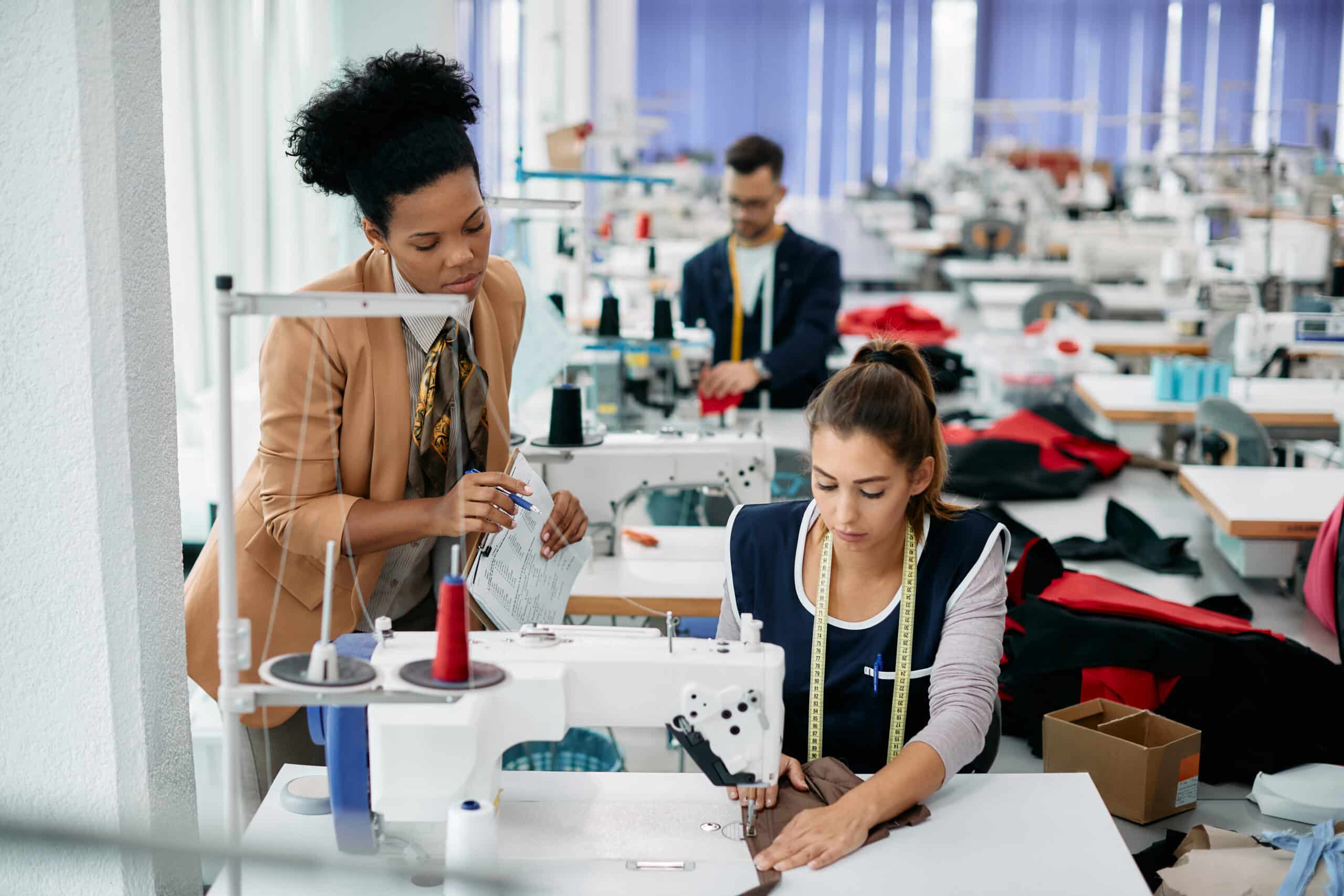
Brands in both the US and Europe now use more nuanced sourcing strategies.
What Is China Plus One?
China Plus One means:
- You keep part of your production in China where it still makes sense.
- You deliberately add at least one alternative country or region as a second production base.
For example:
- A US brand keeps a portion of its consumer electronics in China but moves part of its home goods or apparel production to Vietnam or Mexico.
- A European cosmetics brand keeps sourcing some packaging from China but produces formulas and filling in Italy or Germany.
Nearshoring for US Brands
For US companies, nearshoring options include:
- Mexico and other Latin American countries for textiles, food, and some consumer goods.
- Domestic US production for strategic SKUs or high-value items.
Benefits:
- Shorter lead times and faster replenishment.
- Easier plant visits and audits.
- Reduced exposure to trans-Pacific freight volatility and trade disputes.
Nearshoring for European Brands
For European companies, nearshoring means:
- Producing within the EU or nearby countries such as Poland, Czech Republic, Portugal, Italy, and others.
- Using regional suppliers for packaging, components, and finished goods.
Benefits mirror those for US brands:
- Better alignment with local regulations.
- Stronger “Made in Europe” or “EU-made” marketing.
- Shorter logistics routes and lower transport emissions.
Reshoring for Strategic Products
Both US and European brands increasingly consider reshoring:
- High-margin or flagship products that define brand identity.
- Products with sensitive IP or unique formulations.
- SKUs where a “Made in USA” or “Made in Europe” label justifies higher prices.
Reshoring does not replace all Chinese production, but it rebalances the portfolio so that not everything depends on a single country.
Best “Made in China” Alternatives for Global Brands
If you are rethinking your reliance on China, you don’t need to jump from “everything made in China” to “nothing made in China.” Instead, design a portfolio of alternatives that fits your business.
Europe: The Premium and Compliance Powerhouse
Best for:
- Cosmetics, skincare, and personal care products.
- Nutraceuticals, dietary supplements, and functional foods.
- Specialty foods, beverages, and organic products.
Advantages:
- Strong regulatory frameworks and documentation.
- High consumer trust in quality and safety.
- Powerful brand story around “Made in Europe.”
US and European brands alike can leverage European manufacturers for premium lines, regulated categories, and products where origin matters.
United States: Brand, Innovation, and Trust
Best for:
- Supplements, sports nutrition, and wellness products targeting US consumers.
- High-value, innovation-driven categories such as certain skincare, devices, or functional beverages.
- Hero products where “Made in USA” is central to the brand promise.
Advantages:
- Proximity to the US consumer market.
- Strong R&D and innovation ecosystems.
- High perceived quality and reliability for domestic shoppers.
US brands can produce their flagship SKUs domestically and use other regions for more price-sensitive lines.
Mexico and Nearshore Latin America: Speed and Cost Balance for US Brands
Best for:
- Apparel, textiles, and some consumer goods.
- Packaged foods and certain beverages serving the North American market.
Advantages:
- Shorter lead times and faster border crossings compared to ocean freight from Asia.
- Competitive labor costs relative to US domestic production.
- Cultural and time-zone proximity for US buyers.
Mexico and neighboring countries are natural “China Plus One” candidates for US-based retailers and brands.
Eastern and Southern Europe: Competitive, Flexible Production for EU Brands
Best for:
- Private label and contract manufacturing in cosmetics, foods, beverages, and home care for the European market.
- Packaging and semi-finished goods for broader EU distribution.
Advantages:
- Combination of strong capabilities and competitive cost levels.
- Easy integration into EU logistics networks.
- Shared regulatory environment for EU-focused brands.
Southeast Asia and India: Alternative Asian Hubs
Best for:
- Apparel, textiles, and footwear.
- Some consumer electronics and accessories.
- General consumer goods where cost is critical.
Advantages:
- Lower labor costs than coastal China in many segments.
- Growing experience with export standards for the US and EU.
These countries are often step two or three in a diversification plan, complementing but not fully replacing Chinese manufacturing.
Domestic or Local Production: Strategic Differentiation
Best for:
- High-margin or flagship SKUs.
- Products tied to specific local ingredients or traditions.
- Brands using “local” or “small-batch” as key elements of their identity.
Advantages:
- Maximum control and transparency.
- Strong storytelling and authenticity.
- Often shorter supply chains and reduced carbon footprints.
How Wonnda Helps Brands Build Non-China Supply Chains
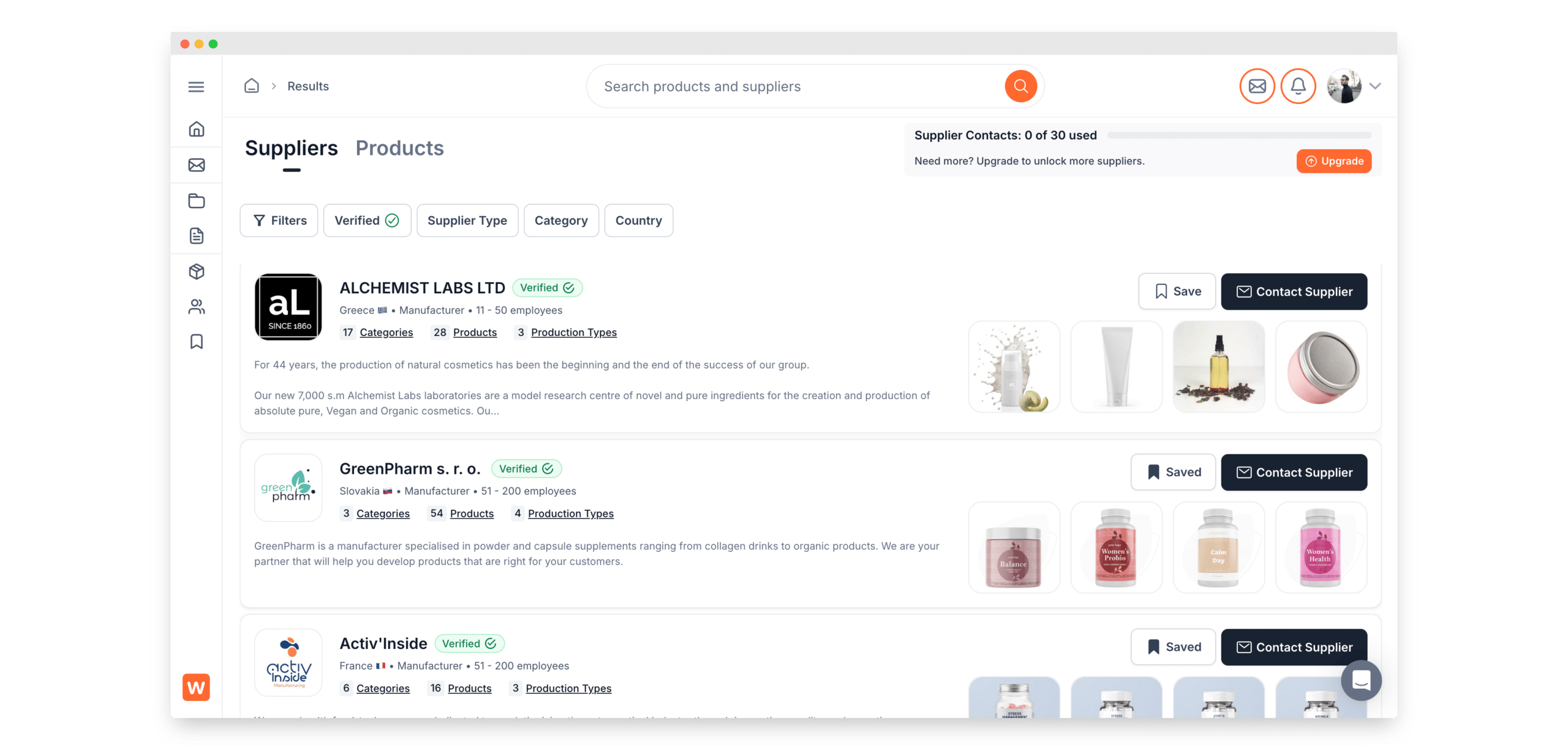
For brands that want to move beyond the default of “everything made in China,” finding and managing alternative suppliers is the main challenge. This is where sourcing platforms become crucial.
Connecting Brands With Vetted European & US-based Manufacturers
Wonnda is a digital B2B platform that connects brands with private label and contract manufacturers, primarily in Europe and the United States. It is particularly valuable for US and European brands that want:
- Alternatives to Chinese manufacturing for regulated, premium products.
- Reliable, compliant partners for cosmetics, food, beverages, supplements, and household products.
- A structured way to discover and manage multiple suppliers across different categories.
Product Categories You Can Source via Wonnda
On Wonnda, you can find:
- Private label cosmetics and skincare: face care, body care, hair care, and more.
- Nutraceutical and supplement producers: capsules, tablets, powders, gummies, and shots.
- Food and beverage manufacturers: snacks, functional drinks, plant-based products, condiments, and more.
- Household and home care producers: cleaners, detergents, dishwashing products, air care.
- Packaging suppliers and complementary service providers: packaging, design, branding, logistics.
- And many more private label and OEM/ODM manufacturing opportunities, especially in Europe and the United States
For US brands, Wonnda is a way to build or expand a their portfolio through nearshoring. For European brands, it’s a way to deepen and professionalize regional sourcing.
From RFQ to Launch in a Digital Workflow
Instead of manually searching and emailing dozens of factories, you can:
- Create a project brief describing your product, market, and requirements.
- Get matched with relevant manufacturers who can actually make what you need.
- Compare offers, MOQs, and lead times.
- Manage sampling, negotiations, and orders in a more centralized workflow.
This digital approach makes it realistic to execute a “China Plus One” or “non-China” strategy without exploding your internal workload.
Practical Checklist: Should You Make Your Product in China, Europe, or the US?
When deciding where to manufacture, apply a structured decision process instead of habit.
1. What Is Your Primary Market?
- Mainly US consumers: consider China, Mexico, or US domestic production, plus European sourcing for premium or specialty lines.
- Mainly European consumers: consider China for some categories, but look closely at EU-based manufacturers for regulated and premium products.
- Global distribution: mix and match, with China for high-volume products and regional hubs for key markets.
2. How Sensitive Is Your Product to Regulation?
- High: cosmetics, supplements, foods, beverages, baby products.
- Medium: many household goods and personal care items.
- Low: simple accessories, decorations, or low-risk items.
The higher the regulatory burden, the more attractive it becomes to produce in regions with strong, aligned regulatory frameworks (EU for European distribution, US for US distribution).
3. What Is Your Brand Positioning?
- Price-driven and mass-market: China and other low-cost Asian hubs may still be best for some SKUs.
- Premium, sustainable, or local: “Made in Europe” or “Made in USA” strongly supports your positioning and pricing power.
- Hybrid portfolio: consider producing entry-level products in China and premium tiers in Europe or the US.
4. What Is Your Risk Tolerance?
- Low tolerance for disruption: nearshoring or reshoring part of your portfolio is almost mandatory.
- Willing to accept risk for cost advantages: China can stay a major part of your mix, but diversify at least some lines to other regions.
5. What Is Your Time-to-Market Requirement?
- You need fast iterations, short lead times, and frequent launches: nearshoring (Europe for EU brands, Mexico/US for US brands) becomes more attractive.
- You can plan 6–12 months ahead and live with long ocean shipments: China remains viable for many products.
The Future of Global Manufacturing: Will Everything Still Be Made in China?
Looking ahead, global manufacturing is moving from a single dominant hub to a more regionalized, diversified system.
- China will remain a giant manufacturing center, especially for electronics and mass-market goods.
- The US and Europe will retain and expand strategic, high-value, and premium-quality production.
- Alternative hubs like Mexico, Southeast Asia, and India will take larger shares across various categories.
- Brands will increasingly design supply chains that spread risk and align with brand positioning rather than defaulting to the cheapest price per unit.
In that world, “Why is everything made in China?” will turn into “Why did we ever rely on one country so heavily?”
Conclusion: Turn “Why Is Everything Made in China?” Into a Strategy, Not a Complaint
“Why is everything made in China?” has a clear answer:
- Decades of reforms, WTO integration, export-focused infrastructure, and industrial policy made China the default factory for the world.
- US and European brands embraced offshoring because it cut costs and enabled massive scale.
But the last few years changed the game:
- Trump-era tariffs and ongoing trade tensions showed US brands how vulnerable single-country sourcing can be.
- Supply chain shocks highlighted the limits of long, fragile logistics routes for both US and European companies.
- Consumers increasingly value quality, origin, and sustainability, making “Made in Europe” and “Made in USA” powerful distinctions.
For both US and European brands, the real question now is:
- Which products should still be made in China?
- Which should be made in Europe, the US, Mexico, or other regions?
- How can you build a diversified manufacturing footprint that supports your brand, your margins, and your resilience?
Platforms like Wonnda give you the tools to actually act on that strategy, especially if you want to leverage local manufacturing strength in Europe and the United States of America in verticals such as cosmetics, supplements, foods, beverages, and household products. Instead of passively accepting that everything must be made in China, you can design a smarter, more resilient, and more brand-aligned global supply chain.
FAQs
Why is everything made in China?
So much is made in China because the country combines a huge skilled workforce, dense industrial clusters, export-focused infrastructure, and decades of manufacturing-friendly policies. Once global brands built their supply chains around China, scale and experience made it even more efficient to keep producing there. However, not everything is made in China, and brands are increasingly diversifying production to Europe, the US, Mexico, and other countries.
Did the Trump tariffs stop products from being made in China?
No. The tariffs made Chinese imports more expensive for US importers and pushed some production to other countries, but China remains a major manufacturing hub. What changed is that many US brands now actively look for alternative suppliers in Mexico, Southeast Asia, India, the US, and Europe to reduce risk and avoid exposure to future tariff shifts.
Is everything really made in China?
No. China dominates in many categories like electronics, toys, and low-cost household goods, but the US and Europe remain strong in premium, regulated, and high-value products. Cosmetics, supplements, specialty foods, and certain advanced products are often produced in Europe or North America. The perception that “everything” is made in China comes from the visibility of certain high-volume categories.
Who actually pays for tariffs on Chinese goods?
In practice, importers in the destination country pay tariffs at the border. For US tariffs on Chinese goods, US importers bear that cost, and they often pass some or all of it on through higher prices. That means brands, retailers, and ultimately US consumers end up shouldering much of the burden, not Chinese manufacturers.
Should my brand move production out of China?
It depends on your category, market, and strategy. If you sell regulated, premium products like cosmetics, supplements, or foods, especially in the US or Europe, it often makes sense to move at least part of your production closer to your main markets. You do not have to abandon China entirely, but a “China Plus One” approach with additional suppliers in Europe, the US, Mexico, or other regions usually makes your supply chain more resilient.
What are the best alternatives to “Made in China”?
For US brands, strong alternatives include domestic US production, nearshoring to Mexico, and sourcing premium or regulated products from Europe. For European brands, the best alternatives are typically EU-based manufacturers plus selective use of other regions like Eastern Europe or nearby Mediterranean countries. Southeast Asia and India are additional options for certain cost-sensitive categories.
How can I find reliable non-China suppliers?
You can work with specialized sourcing teams, attend trade fairs, or use digital platforms that connect brands with vetted manufacturers. Platforms like Wonnda focus on connecting brands with private label and contract manufacturers, particularly in Europe and the United States, across categories like cosmetics, supplements, foods, beverages, and household products. This gives you a structured way to build reliable alternatives to China-based suppliers.
Is it still worth producing some products in China?
Yes, in many cases. For high-volume, price-sensitive products in categories where China has deep expertise and infrastructure, manufacturing there can still be the best option. The difference now is that you should treat “Made in China” as one of several tools in your toolbox, not the only one. A balanced, diversified sourcing strategy is usually safer and more aligned with modern brand expectations.
Related articles
15 Best European Alibaba Alternatives (2026)
10+ Best BigBuy Alternatives in 2026
15+ Top European B2B Marketplaces in 2026 - Ultimate Guide
11 Best Procurement Platforms in 2026

12 Best Thomasnet Alternatives for B2B Sourcing in 2026

Top 5 Product Sourcing Platforms for Brands in 2026
How to Find the Best Wholesale Suppliers For Your Brand or Retail Business (2026)

White Label vs. Private Label vs. Wholesale: Biggest Differences In 2026