White Label vs Private Label: What Is the Difference and Which One to Choose?


Key Takeaways:
- White label products are pre-made and sold by multiple brands with minimal customization - ideal for quick launches.
- Private label products are custom-developed for one brand, offering exclusivity and full control over formulation, design, and packaging.
- The right model depends on your goals - choose white label for speed and cost-efficiency, or private label for uniqueness and long-term brand growth.
Why This Choice Matters
When launching a consumer product - whether in beauty, wellness, food, or household categories - one of the first major decisions is how you want to source it. This often comes down to two common models: white label or private label.
While both allow you to sell products under your own brand, they work very differently in terms of customization, cost, exclusivity, and time to market. Understanding these differences is essential to choosing the right approach based on your business goals, budget, and branding strategy.
In this guide, we’ll break down:
- What white label and private label mean
- The pros and cons of each
- How to choose the right model for your brand
- How platforms like Wonnda can help simplify the process
What Is White Label?
White label refers to generic, ready-made products produced by a manufacturer and resold by multiple brands with their own label and packaging. White label manufacturers specialize in creating these products, allowing businesses to quickly enter the market without investing in product development. You don’t create the product — you simply brand and sell it.
This model is fast, simple, and requires minimal upfront investment. You’re essentially renting the product’s formula or design, making it ideal for brands that want to enter a market quickly or test new categories without committing to product development.
Example:
A cosmetics manufacturer produces the same hydrating serum and allows multiple beauty brands to repackage and sell it under their own name.
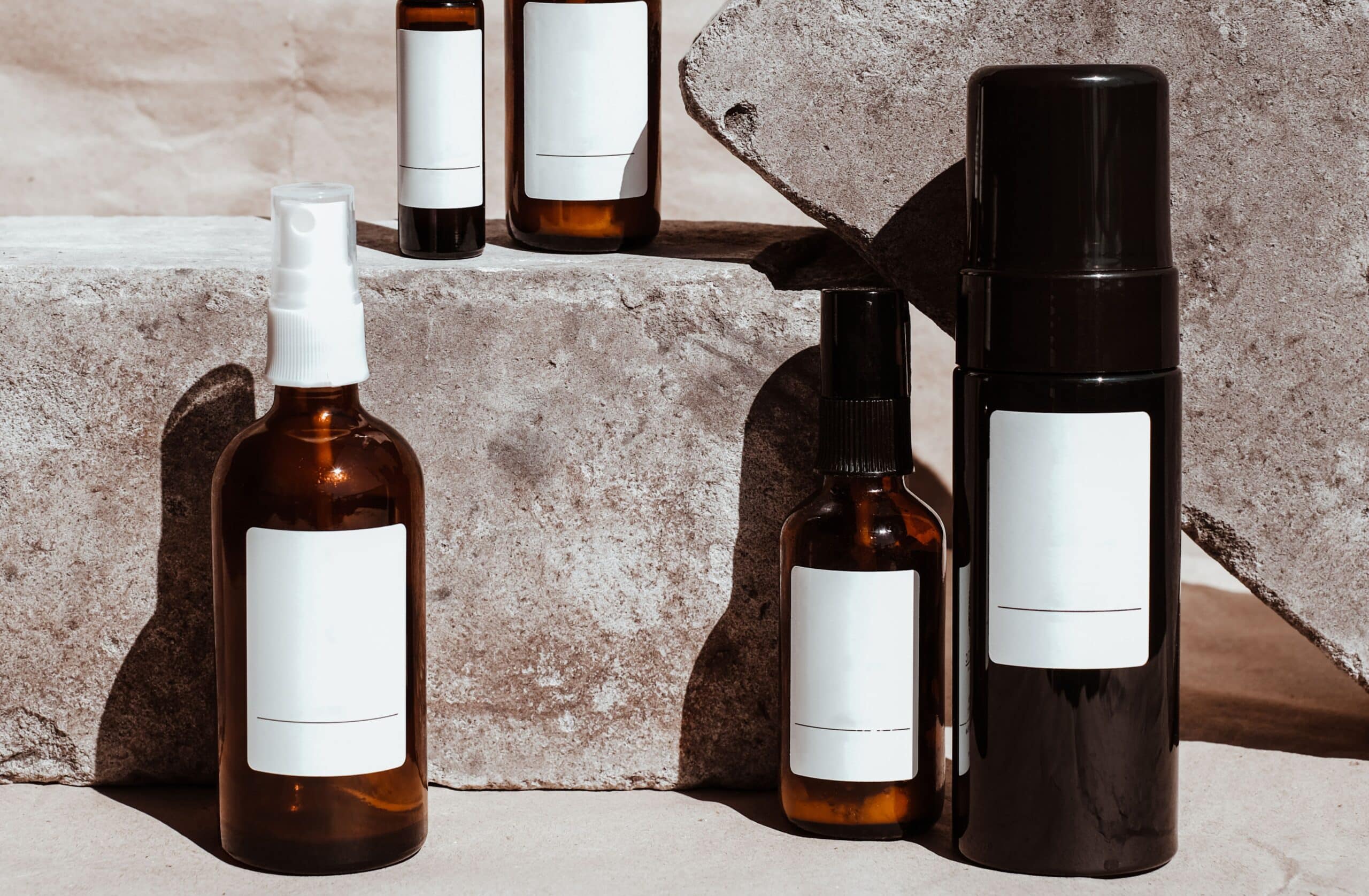
White label cosmetics
Benefits and Drawbacks of White Label
Benefits of White Label
1. Fast Time to Market
Since the products are already developed and ready to go, launching is quick. You can focus on branding, marketing, and selling without waiting months for R&D or production.
2. Lower Upfront Investment
white label products don’t require you to invest in custom formulas, packaging development, or tooling. This makes it ideal for startups or brands with limited budgets.
3. Simplicity and Convenience
You don’t need deep industry knowledge to get started. Many white label suppliers handle compliance, product testing, and even packaging — all you need is your brand assets.
4. Flexible Product Testing
White label allows you to test product ideas or categories before going “all in.” It’s a great way to validate demand before investing in private label or custom manufacturing.
5. Ideal for Fast Trends
If you're in a fast-moving industry (like beauty or wellness), white label helps you jump on trends quickly without long development cycles.
Drawbacks of White Label
1. No Product Exclusivity
You’re not the only one selling that product. Competing brands may offer the exact same item with different branding — which can make it hard to stand out.
2. Limited Customization
Aside from packaging and label design, you can’t usually change the formula, scent, size, or ingredients. This limits differentiation.
3. Less Control Over Quality
You’re relying on the supplier’s standards. While many white label manufacturers offer great quality, you don’t have the same input or control as with private label.
4. Lower Brand Loyalty
Because the product isn’t unique to your brand, customers may be less likely to stick with you if they find the same item elsewhere at a lower price.
What Is Private Label?
Private label refers to products manufactured by a third party but developed specifically for one brand. Private label manufacturers create these exclusive products, ensuring they are not shared with or sold to other companies. This gives you full control over the look, feel, and formula, allowing for complete brand customization and differentiation in the market.
Private label is best suited for businesses that want a unique product offering and are willing to invest in product development and customization. It’s common in industries like supplements, food & beverage, cosmetics, and household products.
Example:
A wellness startup partners with a supplement manufacturer to create a custom immunity blend, developed exclusively for their brand — including packaging, branding, and dosage.
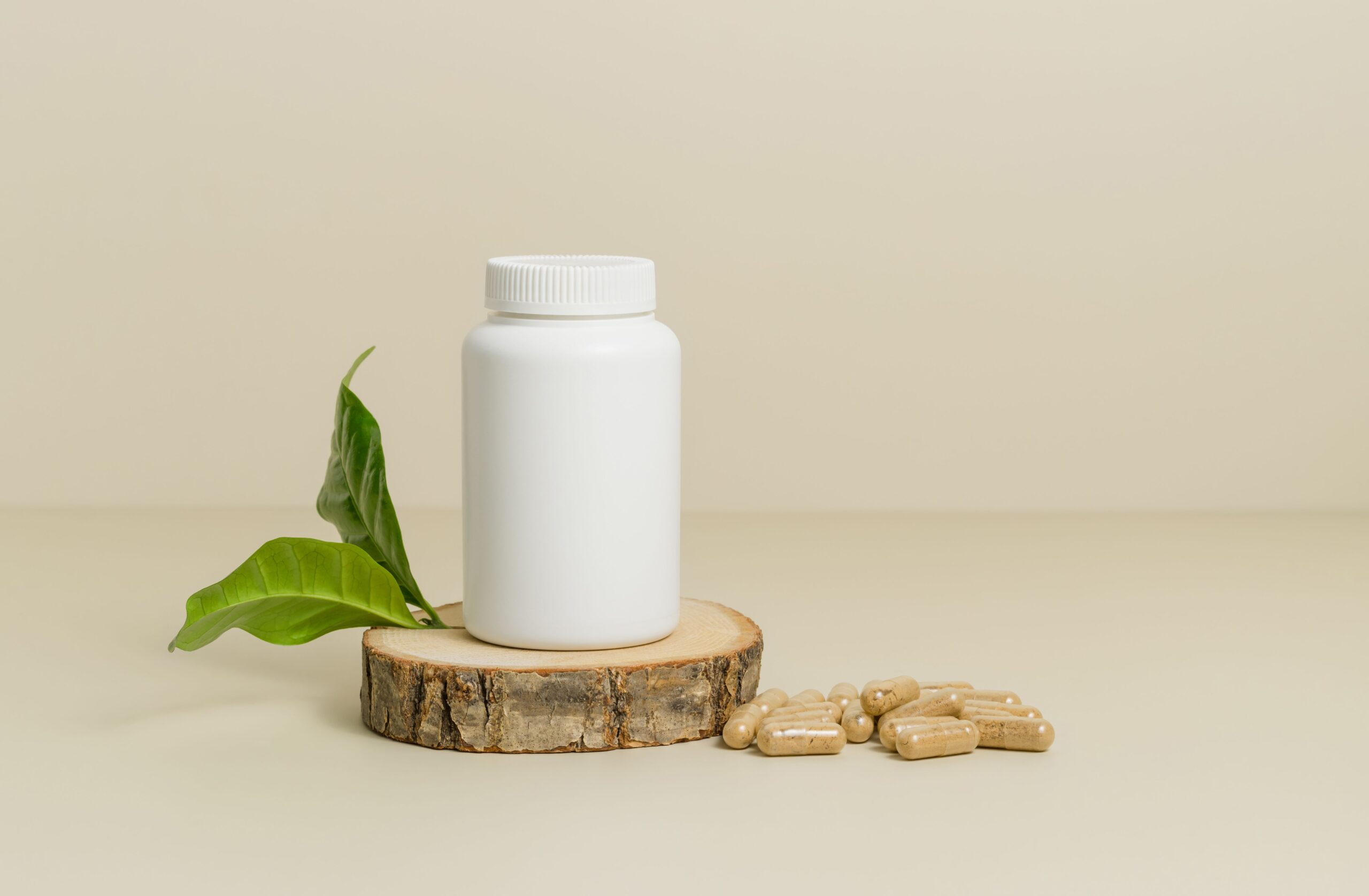
Private label supplement
Benefits and Drawbacks of Private Label
Benefits of Private Label
1. Full Product Customization
You can control every aspect of the product — from formula to packaging to scent or flavor. This allows you to create a truly unique offering that reflects your brand’s identity and values.
2. Brand Differentiation
With a custom product, you can position yourself in a specific niche or premium market. It’s much easier to stand out and build a strong brand presence.
3. Higher Customer Loyalty
Since your product can’t be found anywhere else, customers who like it are more likely to come back — especially if your product solves a specific problem or delivers consistent results.
4. Long-Term Competitive Advantage
Private label allows you to develop intellectual property or proprietary blends that competitors can’t easily copy. This is crucial for building value over time.
5. Better Control Over Quality and Compliance
You get to work closely with your manufacturing partner to ensure ingredients, sourcing, and certifications meet your standards — especially important in regulated industries like food, supplements, and cosmetics.
Drawbacks of Private Label
1. Higher Setup Costs
Developing a private label product often requires investment in formulation, samples, testing, packaging, and minimum order quantities (MOQs).
2. Longer Time to Market
From initial concept to production, it can take weeks or months to launch. This makes it harder to respond quickly to fast-changing market trends.
3. More Involvement and Complexity
Private label development requires a hands-on approach — you’ll need to manage product specifications, revisions, compliance, and supplier relationships more closely.
4. Risk of Overproduction or Inventory Waste
Since MOQs are usually higher, there’s a greater risk of tying up capital in inventory that may not sell if demand forecasts are wrong.
Key Differences Between White Label and Private Label
To help clarify the differences, here’s a side-by-side comparison:
| Feature | White Label | Private Label |
|---|---|---|
| Product Development | Already developed | Custom developed for your brand |
| Customization | Very limited (logo & packaging) | High - formula, design, and packaging |
| Exclusivity | No - same product sold by others | Yes - product exclusive to your brand |
| Time to Market | Fast | Slower (includes R&D, sampling, etc.) |
| Cost | Lower setup costs | Higher upfront investment |
| Minimum Order Quantity | Often lower | Often higher (depending on customization) |
| Ideal For | Startups, dropshipping, fast launches | Growing or premium brands, long-term vision |
Which One Should You Choose?
Choosing between white label and private label depends on your business model, stage of growth, and product strategy. Here’s how to decide:
Go with White Label if:
- You’re launching your first product and want to test demand.
- You want to enter the market quickly and reduce time-to-launch.
- You’re okay selling a product that others might also offer.
- You want a lower-risk, lower-investment path to building a brand.
Best for:
Influencers, ecommerce brands, dropshippers, and businesses testing new markets or categories.
Go with Private Label if:
- You want a custom product that sets your brand apart.
- You have a clear product vision and can invest in development.
- You aim for long-term growth, premium positioning, and customer loyalty.
- You want more control over quality, ingredients, and design.
Best for:
Established brands, premium retailers, boutique businesses, and companies focused on differentiation and innovation.
How Wonnda Helps You Launch Smarter
At Wonnda, we simplify the sourcing process for both white label and private label products. Whether you want to launch fast with a ready-made solution or build your own custom product line, our platform connects you with Europe’s best vetted manufacturers — all in one place.
- Access verified manufacturers
- Discover white label catalogs or request private label customization
- Collaborate, sample, and source products in one streamlined workspace
With Wonnda, you're not just finding a supplier — you're building a long-term production partner.
Ready to bring your product idea to life? Start sourcing with Wonnda now.
Final Thoughts
White label and private label are two powerful ways to bring a product to market — but they serve different purposes. White label is great for speed and simplicity, while private label is better for uniqueness and long-term brand growth.
By understanding the differences, you can make a smarter decision based on where your brand is now — and where you want it to go.
Related articles

Best Clothing Manufacturers in Europe - 2026 Guide by Wonnda
10+ Best Beauty Manufacturers in the US (2026 List)

How to Find a Manufacturer for Your Product (2026 Guide)

European Suppliers: How to find the best EU suppliers in 2026

10 Best European Sourcing Agencies To Find Suppliers & Launch Your Product
How to Start a Premium Private Label Cookware Brand: The Complete Guide
5+ Best Private Label Nonstick Cookware Manufacturers
5+ Best Private Label Cookware Manufacturers in the USA (2026)