
Food Sourcing Explained: How Brands Find the Right Suppliers

Key Takeaways:
- Food sourcing is the foundation of your brand’s success impacting quality, cost, safety, and scalability.
- There are different sourcing models: private label, custom manufacturing, ingredient-only, and white label - each with pros and cons.
- Building strong, transparent relationships with certified suppliers leads to better products and long-term brand growth.
Sourcing is one of the most important, yet often overlooked, parts of building a successful food brand. Whether you're launching a private label snack line, a line of gourmet sauces, or plant-based protein bars, understanding how food sourcing works is essential to ensuring quality, consistency, and long-term scalability.
This article breaks down what food sourcing really means, the different types of sourcing models, how to evaluate suppliers, and what to watch out for as you grow your product line.
What is Food Sourcing?
Food sourcing is the process of identifying, vetting, and partnering with suppliers or manufacturers who can produce the food products or raw ingredients that your brand will sell. It includes everything from sourcing individual ingredients (like olive oil or oats) to full end-to-end production of private label products like energy bars, ready meals, or bottled sauces.
Good sourcing ensures that the food you offer is:
- Safe and compliant with local regulations
- High in quality and flavor
- Consistent from batch to batch
- Produced at a price point that allows you to build a profitable business
Types of Food Sourcing
When launching a food product, one of the first and most important decisions you'll make is how you plan to source it. Your sourcing model will influence everything from your cost structure and time to market to how much control you have over the final product. Below are the four main types of food sourcing - each suited to different business goals, budgets, and stages of growth.
Ingredient Sourcing
Ingredient sourcing involves purchasing raw or semi-processed ingredients like spices, grains, oils, or protein blends which you then use to manufacture your own product. This can be done in your own facility or by working with a co-manufacturer (also known as a co-packer) who assembles the final product based on your specifications.
This model is ideal for brands with proprietary recipes or a strong need for ingredient transparency and control. For example, if you're creating a gourmet granola line using heirloom oats and single-origin honey, ingredient sourcing allows you to hand-pick each input for taste, quality, or sustainability.
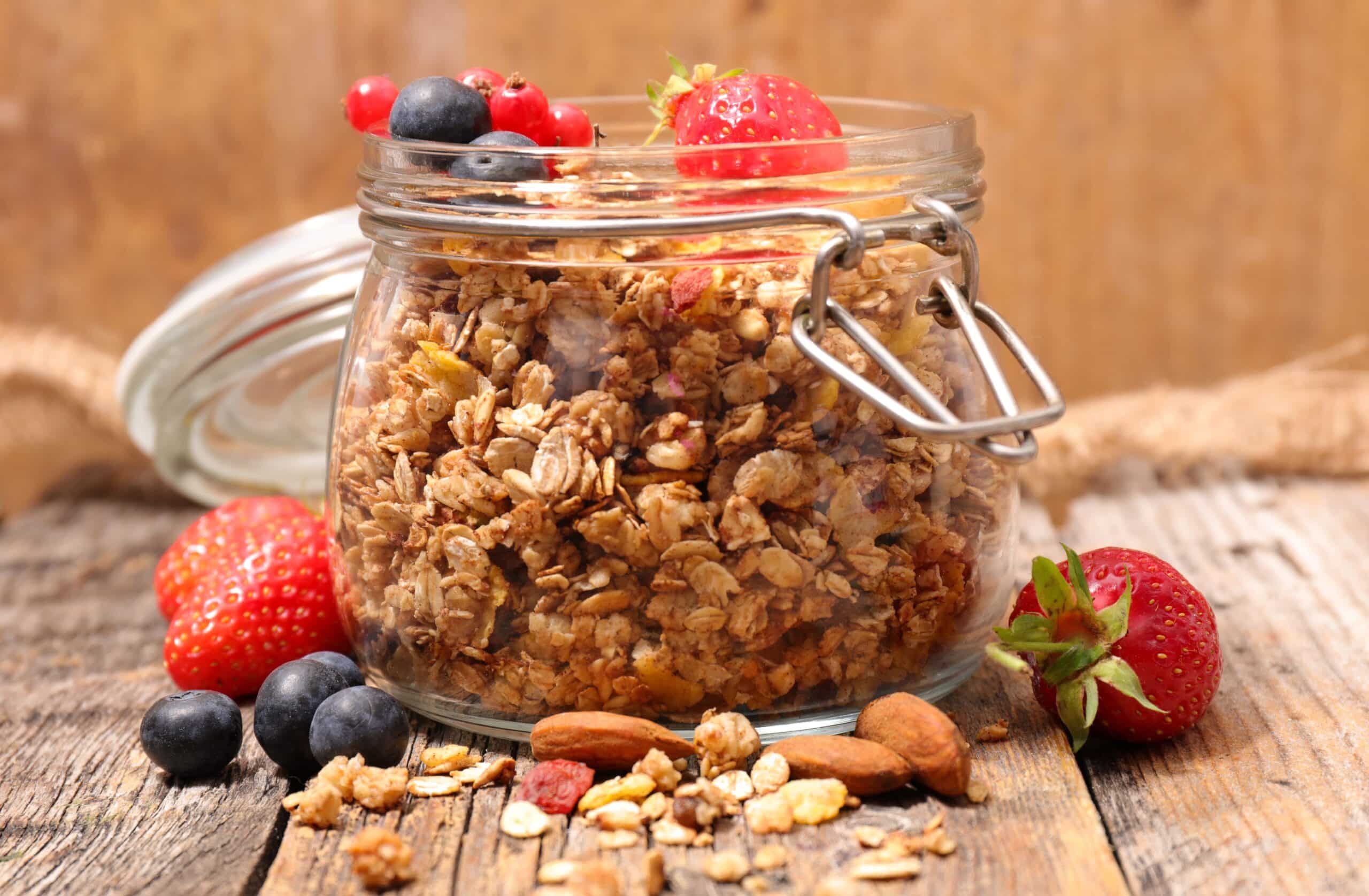
Gourmet granola.
While this approach offers high customization, it also involves more logistics, regulatory oversight, and often higher startup costs. You’ll need to manage ingredient sourcing, inventory, and compliance more closely - which is best suited for brands with experience or long-term growth plans.
Private Label Sourcing
Private label sourcing is a popular option for brands looking to enter the market quickly and efficiently. In this model, you partner with a private label manufacturer who already produces ready-made, high-quality food products. You then customize the label and packaging to sell under your own brand.
This option is ideal for new businesses or retailers who want to build a food product line without the time and cost of developing recipes from scratch. For example, if you want to sell vegan cookies, you can partner with a manufacturer that already produces them and simply add your branding, adjust the packaging design, or select from a few available flavor profiles.
Private label sourcing helps you save on R&D, minimize risk, and scale faster making it perfect for first-time founders, ecommerce brands, and companies validating new product ideas.
Contract Manufacturing
Contract manufacturing gives you full control over your product by working with a production partner to create a completely custom formula. From texture and flavor to packaging and nutritional content, everything is built from the ground up based on your brand's vision.
This model is ideal for established brands or founders with a clear product idea that requires unique formulations such as a functional beverage with specific adaptogens, or a snack bar that meets strict macronutrient goals.
Contract manufacturing typically requires higher investment, longer timelines, and more collaboration with the manufacturer’s R&D team. You’ll need to provide a product brief, go through sampling and testing phases, and ensure your formula meets regulatory and labeling requirements.
Wholesale / White Label
Wholesale or white label sourcing is the simplest and fastest way to start selling food products. You purchase already-packaged goods - sometimes with limited branding customization - and resell them through your own sales channels. This model is often used in retail, hospitality, and ecommerce to expand assortments without committing to full product development.
For example, a boutique grocery store might white-label a range of olive oils, teas, or snack items made by another producer but branded under their own store name. It’s also common in foodservice (like hotels or cafes) that want house-branded items without manufacturing themselves.
white label products often have limited customization options and shared formulations, but they offer quick turnaround, small minimum order quantities (MOQs), and lower risk, perfect for businesses looking to test a concept or expand their brand’s offering with minimal investment.
How to Find Reliable Food Suppliers
Sourcing isn’t just about finding the cheapest or fastest manufacturer, it’s about finding a long-term partner that can consistently meet your quality standards, support your growth, and uphold your brand values. The right supplier becomes an extension of your team, helping you bring your food product to life at scale.
Choosing a supplier is a decision that can make or break your business, so it's essential to do your due diligence. Here are the key factors to consider when searching for a reliable food manufacturing partner:
Product Capabilities
Start by evaluating whether the supplier has experience in your specific food category, whether that’s snacks, frozen ready meals, plant-based products, sauces, baby food, or beverages. Look at their portfolio: have they successfully produced similar items? Can they work with your desired texture, flavor profile, ingredients, and packaging format?
Ask about their R&D capabilities as well. A good supplier should be able to collaborate with you on refining your formula or developing new variations in the future.
Certifications & Compliance
Certifications matter, especially in food production. Always check whether the manufacturer follows internationally recognized food safety standards such as:
- HACCP (Hazard Analysis and Critical Control Points)
- ISO 22000 or ISO 9001
- BRCGS (Brand Reputation Compliance Global Standard)
- IFS (International Featured Standards)
If your product requires specific dietary certifications, confirm that the supplier is certified to handle those claims. For example:
- Organic (EU or USDA certified)
- Vegan or Vegetarian
- Halal or Kosher
- Gluten-Free or Allergen-Free
Compliance with labeling regulations and traceability requirements is also crucial if you plan to sell across different countries or retailers.
Minimum Order Quantities (MOQs)
Every manufacturer has an MOQ - the smallest volume of product they’ll produce in a single run. This varies depending on the product type and production complexity.
New brands often underestimate the importance of aligning MOQ with their budget and storage capacity. For example, if a supplier requires a 5,000-unit minimum but you’re not ready to sell that much or store that volume, it could lead to wasted inventory or cash flow problems.
Look for manufacturers who are flexible with batch sizes, especially during the early stages, so you can test and scale gradually.
Location & Logistics
Where your supplier is located can influence everything from lead times to shipping costs and customs requirements. Sourcing within Europe, for example, often simplifies logistics for European brands and reduces border delays or import taxes.
Local or regional suppliers are also ideal for fresh or perishable products with short shelf lives. Meanwhile, international sourcing may be more cost-effective for certain ingredients or products but will require extra planning around transit time and import/export compliance.
Communication & Transparency
A reliable supplier will be easy to reach, clear in communication, and transparent about processes. During your initial conversations, pay attention to how responsive they are. Do they answer your questions clearly? Are they open about pricing, timelines, and ingredient sourcing?
Ask for documentation such as:
- Full ingredient lists and nutritional values
- Shelf life and storage conditions
- Packaging specs
- Allergen statements
- Sample production timelines and quality control processes
Good suppliers won’t hesitate to share this information. In fact, the best partners will be proactive about educating you on what’s required for safe, compliant food production.
Leverage Sourcing Platforms like Wonnda
Finding the right partner can be overwhelming, especially if you’re new to the food industry. This is where sourcing platforms like Wonnda come in.
Wonnda connects brands with pre-vetted food manufacturers and private label partners, all in one place. You can filter suppliers by product category, certifications, location, and MOQ. From requesting samples to managing communication and quotes, Wonnda simplifies the entire sourcing process and helps you avoid costly trial and error.
Key Sourcing Terms to Know
- Lead Time: The time it takes from placing your order to receiving the finished product
- MOQ: Minimum order quantity - the smallest batch a supplier will produce
- Shelf Life: How long the product lasts before it expires
- Co-packer: A manufacturer that produces and packages food products on your behalf
- Private Label: Products made by a manufacturer and sold under your own brand
- Custom Formula: A unique product created specifically for your brand
Common Sourcing Mistakes to Avoid
Even the most well-intentioned food entrepreneurs can run into sourcing pitfalls that impact quality, cost, or timelines. Avoiding these common mistakes can save your brand time, money, and reputation, especially during the critical early stages of development and launch.
1. Choosing the Cheapest Option
It’s tempting to go with the lowest quote, especially when budgets are tight. But in food sourcing, you truly get what you pay for. Lower costs often come at the expense of quality ingredients, proper certifications, or production reliability.
Instead of focusing solely on price, consider overall value: quality, communication, delivery reliability, and the supplier’s long-term potential to scale with your brand. The extra investment in a reputable partner often pays off through fewer errors, better performance, and happier customers.
2. Not Testing Samples Thoroughly
Never skip the sampling phase. Testing samples isn’t just about checking taste or texture, it’s your chance to validate the full product experience. Examine everything: how the product looks, smells, feels, and holds up over time. Does the texture stay consistent after shipping? Is the packaging durable and user-friendly? Is the nutritional information accurate?
Testing also helps you compare multiple suppliers before making a commitment. It’s much easier to walk away at the sampling stage than after your first production run.
3. Ignoring Compliance and Documentation
Food production is heavily regulated and for good reason. Every market (whether it’s the EU, UK, or US) has strict rules about labeling, shelf life, allergens, traceability, and food safety. If your supplier doesn’t provide the necessary documentation or comply with these standards, your product could be pulled from shelves or rejected by retailers.
Be sure to request and review:
- Ingredient declarations (INCI)
- Nutritional breakdowns
- Shelf-life data
- Certificates of analysis
- Allergen statements
- Regulatory certifications (e.g., HACCP, ISO, BRC)
Neglecting this step can lead to costly reformulations, delays, or even legal consequences.
4. Scaling Too Quickly
It’s exciting to see early demand but scaling before your operations and product are fully refined can backfire. Larger production runs mean higher upfront costs, more inventory risk, and more pressure on logistics and fulfillment.
Start small, validate your concept, and gather real customer feedback. Use initial sales to refine your messaging, improve your product, and spot issues early. Once you have a product that people love and a supply chain that runs smoothly, then it’s time to scale confidently.
5. Treating Sourcing as a One-Off Transaction
The best sourcing relationships are built on trust, transparency, and long-term collaboration. If you treat your supplier like a one-time vendor, instead of a strategic partner, you miss out on valuable opportunities for innovation, flexibility, and support.
Great suppliers will often alert you to ingredient shortages, help you improve your product, or even suggest new ideas based on market trends. They want you to succeed, because your growth means more business for them. Build strong relationships by being clear about expectations, paying on time, and maintaining open communication.
Why Smart Sourcing Builds Stronger Brands
In the food business, your product is everything. Poor sourcing leads to inconsistent quality, unhappy customers, and negative reviews. But when you choose the right partner, you can count on quality production, flexible terms, and shared growth.
Sourcing is also where innovation begins. Want to create a protein cookie with 5 ingredients or a low-sugar oat milk latte? It all starts with the right supplier.
Related articles
GLP-1 Companion: What It Is, Examples and Why It Matters for Brands

10+ Top Supplement Trends in 2026 (Exclusive Wonnda Data)

PPWR Regulation: What EU Brands Must Do by 2030
White Label Mushroom Coffee: The 2026 Sourcing Guide for Brands
Made in USA Cookware: Why More Brands Are Reshoring Production

10+ Best European Supplement Brands in 2026

10+ Best German Supplement Brands in 2026

Top 5 D2C Trends to Watch for in 2026