
Best private label snacks manufacturers
Wonnda connects brands with private label snacks manufacturers. This broad category encompasses diverse formats such as crisps, extruded curls, popcorn, pretzels, crackers, and nuts. Key sourcing variables include the specific snack type, as production lines for baked goods, extruded items, or coated treats differ significantly among manufacturers. Packaging, essential for preserving texture and shelf life, can vary widely in material and design. Consider the processing method and desired final product when identifying a manufacturing partner.
- Global savoury snacks market — projected to reach 361.64 billion USD by 2031
- 272.22 billion USD
- Savoury snacks CAGR — growth led by flavor innovation and better-for-you snacking
- 5.85%
- North America regional share — largest regional market for savoury snacks
- 38.74%
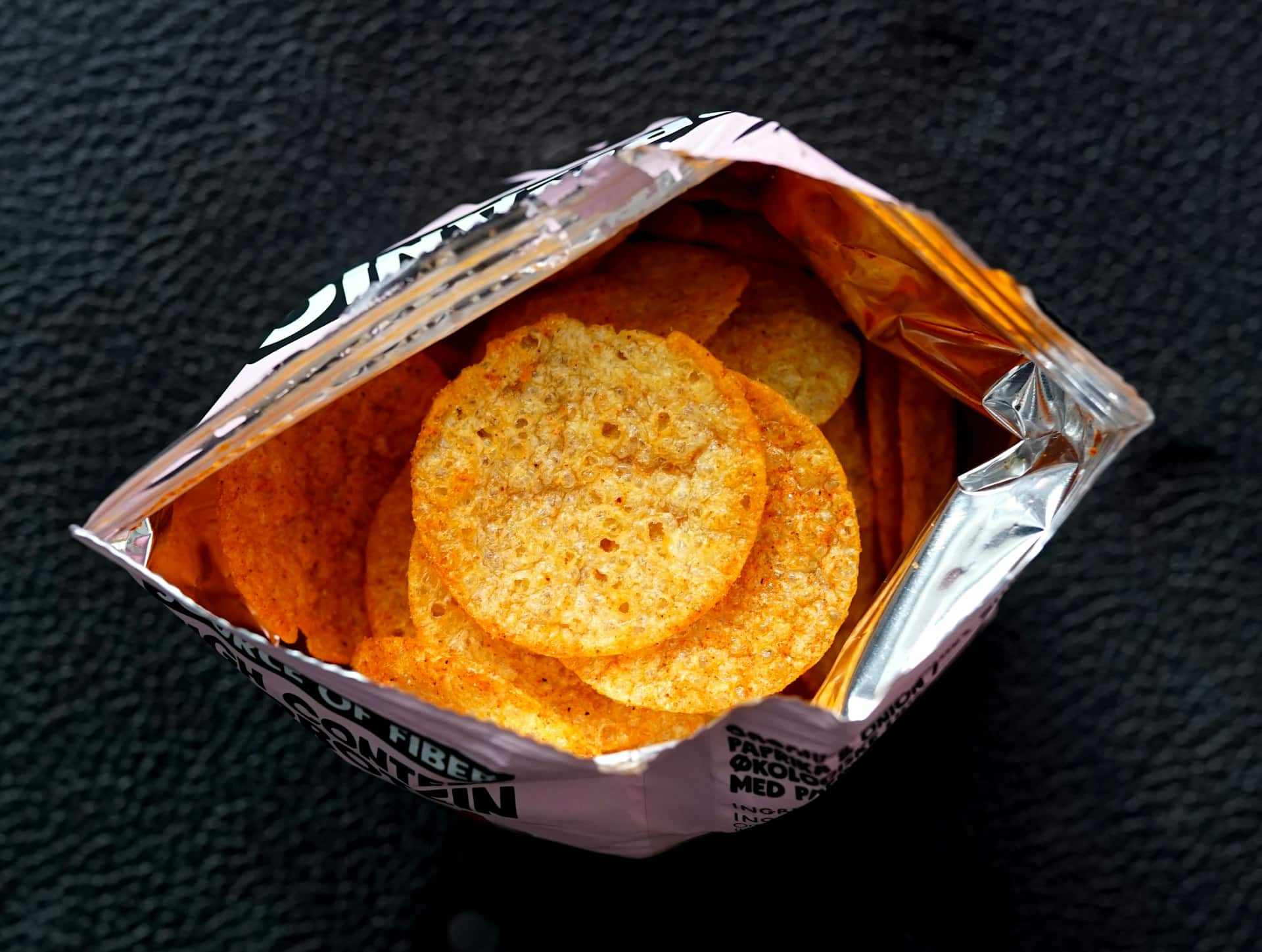
6+ Top private label snacks manufacturers
Wonnda works with the best private label snacks manufacturers. Here is a list of trusted suppliers from our network.
- Featured
 Private LabelWhite LabelWholesale
Czech private label supplier of dried fruit, nuts, plant proteins and superfoods
- Country
- Czech Republic
- MOQ
- MOQ depends on the product; 25 kg for raw materials for oil production.
- Lead time
- 3-8 weeks first run; 3-4 weeks repeat
- Featured
 Private LabelContract Manufacturing
Belgium-based manufacturer producing dormi sana capsules, ax1 forte powder, beauty booster skin anti-aging capsules, available to brands sourcing snacks.
- Country
- Belgium
- MOQ
- Lead time
 Private LabelContract Manufacturing
Spain-based manufacturer producing fresh oranges, fresh lemons, extra virgin olive oil, available to brands sourcing snacks.
- Country
- Spain
- MOQ
- Lead time
 Private LabelContract Manufacturing
Europe-based manufacturer producing natural corn curls, corn crisps, stuffed corn sticks, available to brands sourcing snacks.
- Country
- -
- MOQ
- Lead time
 Private LabelContract Manufacturing
Europe-based manufacturer producing crisps, extruded snacks, private label savoury snacks, available to brands sourcing snacks.
- Country
- -
- MOQ
- Lead time
 Private LabelContract Manufacturing
Europe-based manufacturer producing food intelligence platform, upf code, wisescore, available to brands sourcing snacks.
- Country
- -
- MOQ
- Lead time
Compare MOQs and lead times
Quick side-by-side of the shortlist. Missing values shown as a dash.
| Supplier | Location | Types | MOQ | Lead time |
|---|---|---|---|---|
| Covitar | Czech Republic | PL · White Label · WS | MOQ depends on the product; 25 kg for raw materials for oil production. | 3-8 weeks first run; 3-4 weeks repeat |
| Lombardia Vita | Belgium | PL · CM | ||
| Fet a Soller S.L. | Spain | PL · CM | ||
| TBM Snacks | - | PL · CM | ||
| Europe Snacks | - | PL · CM | ||
| Food Intelligence | - | PL · CM |
Buyer criteria
- Process match to your specific snack
Because snacks span extruded, baked, fried, popped, and coated products on entirely different lines, the first qualification is whether the manufacturer actually runs the process your snack needs at scale. A baking house cannot make extruded puffs, and a fryer cannot pop corn. Confirm the specific process and equipment, and be wary of a co-packer that claims to do everything, since broad claims often mean subcontracting. Match the manufacturer to the exact snack, not to the snack category in the abstract.
- Seasoning evenness and flavor consistency
Uneven seasoning is the most common snack quality complaint, leaving some pieces bland and others overpowering, so confirm the manufacturer controls the seasoning blend and application for even coverage pack to pack. Ask how the seasoning is applied and how coverage is verified, and taste production-representative bags critically. A manufacturer that cannot deliver consistent seasoning across a run will ship variable bags, and inconsistent flavor undermines the repeat purchase that snacking relies on.
- Texture and moisture control
Crispness is the core sensory promise of most snacks, and it depends on tight moisture and water-activity control through cooking, drying, and packing. Confirm the manufacturer measures and controls moisture and water activity, and check that samples stay crisp rather than going soft. A snack that softens before its best-before signals poor moisture control or weak packaging, and soft, stale texture is an immediate reason customers do not buy a snack again.
- Packaging barrier and freshness protection
The flexible bag and any gas flush form the freshness-and-texture system, protecting crispness, slowing oil rancidity, and cushioning fragile pieces. Confirm the film barrier specification and whether nitrogen flushing is used for your snack, and test bags for crispness and breakage after a realistic transit. A thin, low-barrier bag without flushing lets oxygen and moisture in and lets fragile snacks shatter, so packaging is a quality decision central to texture, not just a cost line.
- Allergen control and clean-label capability
Snacks carry significant allergen risk from nuts, wheat, milk, and soy in bases and seasonings, so confirm the manufacturer's allergen segregation and validated line cleaning, especially if you make an allergen-free claim or run nut-containing lines. For clean-label or better-for-you positioning, verify the ingredient deck and process match the claim, baked not fried, no artificial colors. Ask how lines are cleaned and verified between allergen-containing and allergen-free products, since cross-contact is a recall risk.
- Base ingredient sourcing and cost stability
The base, corn, wheat, potato, or higher-cost nuts and clean-label ingredients, drives much of the cost, and some bases such as nuts are commodity-priced and volatile. Confirm where the base is sourced and how pricing is handled, and for premium or single-origin bases ask about traceability. A manufacturer with weak base sourcing will struggle on cost stability and quality consistency, so understand the base supply behind your snack, particularly for nut-heavy products.
- MOQ, line changeover, and format minimums
MOQs vary by snack type and are set by the line changeover, the seasoning blend minimum, and the bag artwork. Match the MOQ to your launch and ask for the price break schedule across reorder sizes and the bag artwork minimums. A high-volume crisp line prices a small better-for-you launch poorly because changeover dominates. Understand whether base, seasoning, or packaging changeover drives most of your small-run cost so you can plan SKUs to minimize it.
Red flags
- Co-packer claiming every snack process
A manufacturer that claims to make extruded, baked, fried, and popped snacks all in-house is often subcontracting or overstating capability, since these are distinct lines requiring different equipment and expertise. Broad do-everything claims usually hide a lack of depth in the specific process you need. Pin down the exact line and equipment for your snack and ask to see it running, since a co-packer spread thinly across processes will not match a specialist on quality, consistency, or cost for your particular product.
- Uneven or clumped seasoning on samples
If sample bags show seasoning concentrated on some pieces and missing on others, the application is not controlled and the problem will reach every bag. Uneven seasoning is the most common snack complaint and directly undermines flavor consistency. A manufacturer whose samples already vary in seasoning coverage will not improve at scale, so do not accept inconsistent seasoning on the assumption it is a sampling artifact, since it usually reflects a poorly controlled coating step.
- Snacks that soften before best-before
Samples that go soft or stale well before the stated best-before reveal poor moisture control, weak packaging barrier, or missing gas flushing. Crispness is the core promise of most snacks, and a snack that loses it is effectively spoiled to the consumer. If a manufacturer cannot supply samples that hold texture through a realistic shelf and transit cycle, the moisture control or the packaging is inadequate, which is disqualifying for any snack whose appeal rests on crunch.
- No allergen segregation or line-cleaning validation
With nuts, wheat, milk, and soy common across snack bases and seasonings, a manufacturer without documented allergen segregation and validated line cleaning is a cross-contact and mislabeling risk. For any allergen-free claim this is disqualifying, and even without such a claim, undeclared allergen cross-contact triggers recalls. Ask specifically how lines are cleaned and verified between allergen-containing and allergen-free products, since casual allergen control in a multi-ingredient snack environment is a serious safety failure.
- Better-for-you claim not matched by process
A baked-not-fried, vegetable-based, or low-fat claim that the actual process or recipe does not support is a mislabeling and trust risk. If a manufacturer markets a healthier snack but the process is conventional frying or the ingredient deck is laden with the very things the claim disavows, the positioning is hollow. Confirm the process and recipe genuinely match the better-for-you claim, since this positioning is precisely what a premium customer is paying for and a regulator may probe.
- High broken-piece rate or poor sorting
Bags arriving with a high proportion of broken, burnt, or off-spec pieces indicate weak quality sorting and inadequate cushioning in packaging. Broken and burnt pieces are an immediate visible quality cue when the bag is opened and drive the perception of a cheap, poorly made snack. If samples show a high defect rate, the sorting and packaging protection are inadequate, which damages the shelf and eating experience regardless of how good the flavor is.
Manufacturing process
- 01
Snack type and process selection
The brand fixes the snack and therefore the process: extrusion for puffs and curls, baking for crackers and pretzels, frying for crisps, popping for popcorn, or a base such as nuts that is roasted and coated. This choice determines the manufacturer entirely, since each process runs on dedicated equipment. Better-for-you positioning, baked not fried, popped, vegetable-based, is largely a process decision made here, before any recipe or seasoning work begins.
- 02
Base preparation
The base is prepared according to its process: a dough or pellet is mixed for extruded and baked snacks, potatoes or corn are sliced and prepared for crisps, kernels are conditioned for popping, or nuts and seeds are cleaned and graded. Base quality and consistency drive the finished texture and appearance, so raw-material specification and incoming checks matter. The base preparation is matched to the downstream process so the snack puffs, bakes, fries, or pops as intended.
- 03
Forming or cooking
The core transformation happens here: extrusion forces dough through a die under heat and pressure to puff and shape it, ovens bake crackers and pretzels to a controlled color and crispness, fryers cook crisps to a target moisture and texture, and poppers expand corn kernels. Process control, temperature, time, pressure, and moisture, sets the texture and the eating quality. This is the core capability of a snack line, and consistency here defines the crunch the customer expects.
- 04
Drying and moisture control
Snacks are cooked or dried to a low, tightly controlled moisture and water activity, because residual moisture makes a snack go soft and shortens shelf life, while over-drying can make it brittle or scorched. Moisture and water activity are key quality and shelf-life controls measured through the run. Getting moisture right is what keeps a snack crisp in the pack for months, so this step underpins the texture promise on the bag.
- 05
Seasoning and coating
Oil and flavor powders, or a coating, are applied by tumbling, spraying, or enrobing so the snack carries its final taste, and even distribution is critical, since uneven seasoning makes some pieces bland and others overpowering. The seasoning system, the blend and the application method, is where flavor innovation and consistency live. This step differentiates the product and is a frequent source of pack-to-pack variation if the application is not well controlled.
- 06
Cooling and quality sorting
Seasoned snacks are cooled and passed through sorting that removes broken, burnt, under- or over-seasoned, or off-spec pieces, often with optical sorting on higher-volume lines. Cooling sets the final texture before packing, and sorting protects the appearance and consistency the consumer expects. This step controls the proportion of defective pieces in each bag, which is a visible quality cue when the pack is opened.
- 07
Bagging with barrier film and gas flush
Snacks are filled into flexible barrier bags, frequently flushed with nitrogen to displace oxygen, protect crispness, slow rancidity of oils, and cushion fragile pieces against breakage in transit. The bag film barrier and the gas flush together are the freshness-and-texture protection system for snacks, the equivalent of the can seam for a beverage. Fill weight and seal integrity are checked continuously so each bag holds net weight and stays airtight.
- 08
Coding, multipacking, and case packing
Bags are coded with lot and best-before, multipacked where the format requires, case-packed, and palletized, with labeling carrying ingredient, allergen, and nutritional declarations. Allergen control is significant in snacks given nuts, wheat, and milk in seasonings. Per-batch records document the recipe and safety, and lot codes trace finished bags back to the base and seasoning lots for any allergen, quality, or recall investigation.
Understanding snacks private-label manufacturing
Snack Types and Production Processes
Snacks encompass a wide range of products, including savory items like crisps, extruded curls, popcorn, pretzels, crackers, and nuts, and sweet options such as cookies, fruit snacks, and coated treats. Each of these requires a distinct manufacturing process and specialized flexible packaging to maintain texture and quality. For private label brands, defining the specific snack product is crucial, as different snacks – such as a baked cracker, an extruded curl, a fried crisp, or a coated nut – involve entirely separate production lines and co-packers.
The core process choices determine the suitable supplier base within the snack category. Extrusion involves forcing dough through a die under heat and pressure to create curls, puffs, and various shaped snacks. Baking is used for crackers, pretzels, and some healthier crisps, while frying produces traditional potato and corn crisps. Popcorn is made through popping, and almost all snacks undergo coating or seasoning, applied via oil and powder tumbling or enrobing, to achieve their final flavor. This specific step is critical for product differentiation. Decisions regarding "better-for-you" positioning, such as baked-not-fried, popped, or vegetable-based options, are dependent on the chosen manufacturing process.
Seasoning and Market Overview
Seasoning and coating are key areas for snack differentiation and flavor consistency. A seasoning system, which is a blend of salt, flavor powders, and oils, must be evenly applied to the base product to ensure consistent taste across all packs. Flavor innovation is a significant growth driver in the snack category.
The global savory snacks market was valued at approximately 272.22 billion USD in 2026 and is projected to reach 361.64 billion USD by 2031, exhibiting a CAGR of about 5.85%. North America accounts for around 39% of this market, with Asia-Pacific identified as the fastest-growing region (Mordor Intelligence). While co-packing capacity for various snack types is broad, specialist lines for clean-label and better-for-you products have tighter availability.
MOQs, Lead Times, and Cost Drivers
Minimum order quantities (MOQs) for custom-seasoned snacks with custom flexible packaging typically range from 5,000 to 30,000 units per SKU. This is influenced by minimums for seasoning blends, bag film artwork, and line changeovers. Relabeling stock snacks in stock bags may allow for lower MOQs. Lead times generally span 6 to 14 weeks.
Cost drivers, in approximate order of impact, include the base ingredient and process – nuts and clean-label bases are significantly more expensive than corn or wheat extrudate. The seasoning system, flexible packaging with any gas flushing, and the bagging and case packing also contribute to the overall cost. The base ingredient and packaging usually represent the largest cost components, with nuts notably affecting costs.
Private Label Snack Buyers and Quality Considerations
Private label snack buyers include D2C and better-for-you brands focusing on baked, popped, or vegetable-based ranges, as well as grocery and discounter own-labels competing on price for crisps and crackers. Foodservice and impulse channels seek branded single-serve bags, and lifestyle and fitness brands are expanding into savory snacking. Better-for-you and clean-label products tend to target D2C and premium markets, while mainstream crisps and crackers are often found in grocery stores.
The specific manufacturing process, seasoning consistency, and packaging that protects texture are integral to the product itself. Therefore, qualifying a manufacturer based on their expertise in the required snack process, seasoning evenness, and ability to ensure freshness and texture protection is more important than the headline price. A stale, soft, or unevenly seasoned snack negatively impacts the repeat purchase behavior that impulse snacking relies upon.
How private label works for snacks
Private label snacks is an umbrella business in which the process is the product decision. The brand first chooses the specific snack, extruded puff, baked cracker, fried crisp, popped corn, coated nut, which determines the manufacturer entirely, then sets the recipe, the seasoning, and the packaging, while the manufacturer prepares the base, forms and cooks it on its dedicated line, controls moisture for texture, seasons it evenly, sorts out defects, and bags it with the barrier and gas flush that protect crispness. Because the chosen process, the seasoning consistency, and the texture-protecting packaging are the product, the decisions that matter most are the snack type and line, the seasoning system, and the moisture and packaging control.
The briefing sequence is snack type first, everything else after. The process dictates which co-packer can make the product and largely determines any better-for-you positioning, and only then do recipe, seasoning, and pack format follow. A brand that briefs snacks in the abstract, or picks a flavor and pack before settling the process, gets nowhere, since a baking house cannot make extruded puffs. This page is the savoury and general snacking umbrella, separate from the dedicated protein-bar format, which is a bound nutrition product on its own line.
What separates premium from commodity snacks
Two bags can sit side by side and sell at very different prices, and the difference lives in the base quality and process, the seasoning craft, and the freshness and texture protection. A commodity snack uses a cheap corn or wheat extrudate, a generic seasoning applied loosely, and a thin bag, competing on price. A premium snack uses a better base, nuts, pulses, vegetables, or a clean-label dough, a process that supports a better-for-you claim, an evenly applied distinctive seasoning, and a barrier bag with gas flushing that keeps it crisp and whole to the customer.
Texture and seasoning consistency are the integrity lines in snacks. Both are judged the instant the bag is opened, and the easiest ways to cut cost, looser seasoning control, a thinner bag, a cheaper base, all show up as bland spots, soft pieces, or breakage. Brands that match the right specialist process, control seasoning and moisture, and protect texture in packaging earn the impulse and repeat purchase the category lives on, while commodity snacks that arrive soft, uneven, or broken lose the customer at first taste.
Process and the better-for-you trend
Because the process defines the manufacturer, it also defines what positioning is even possible, and this is where the category's dominant trend sits. Baked rather than fried, popped, air-puffed, and pulse- or vegetable-based snacks all answer the better-for-you demand, but each is a distinct process on a distinct line, so a brand cannot bolt a health claim onto a fried crisp. The claim has to be built in at the process choice, which is why deciding the snack type is also deciding the health story it can credibly tell.
Around that core trend run several others: high-protein and pulse-based snacks, reduced-salt and clean-label seasonings, vegetable and ancient-grain bases, and bolder global flavours that lean on the seasoning system. Each is a real formulation and process choice rather than a label, since a high-protein puff needs a base built for it and a reduced-salt seasoning has to keep its impact at a lower dose. A brand chasing these trends gets the most leverage by selecting a specialist line built for the format and then letting the seasoning carry the flavour differentiation on top.
Sourcing geography for snacks
Snack co-packing for the European market is spread across the continent and specializes by process. Germany, the Netherlands, Belgium, Poland, and Italy carry strong capacity across crisps, extruded snacks, crackers, and baked goods, with Poland and Eastern Europe offering cost-competitive volume, Western Europe strong on clean-label and better-for-you lines, and Southern Europe notable for nut-based snacks. Because you are choosing a specialist line rather than a generalist, the right geography depends on the specific snack process you need.
For EU brands, co-packing within Europe shortens lead times, simplifies allergen and food-safety compliance, and lets you taste and approve seasoning and texture close to home. Freight behaves differently from dense products, since snacks are bulky and light, so packed volume rather than weight often drives logistics. The differentiator is process fit and seasoning and texture control, not geography alone, so match the manufacturer to your exact snack rather than chasing the lowest regional price. Because the right line for one snack type may sit in a different country from the right line for another, a brand running several formats often works with more than one specialist rather than forcing every product through a single co-packer.
Cost structure breakdown
The snack cost stack is led by the base ingredient and process, then the seasoning system, the flexible packaging and any gas flush, and the bagging and case packing, with the base and the bag usually dominating.
- Base and process: nuts and clean-label bases cost far more than corn or wheat extrudate, and frying, baking, popping, and extrusion carry different process costs.
- Seasoning system: the flavor and salt blend and its application, the area where differentiation lives.
- Flexible packaging and gas flush: the barrier film and nitrogen flushing that protect texture, with artwork minimums penalizing small runs.
- Bagging and case packing: fill and seal, multipacking, and palletizing of a bulky, light product.
- QC and sorting: moisture and water-activity control, defect sorting, and allergen management.
Because the base and packaging dominate and nut bases are volatile, sourcing discipline means specifying the base and process deliberately, protecting texture through packaging rather than thinning the bag, and matching the snack to a genuine specialist line. The bag itself is also a freshness component, not just a wrapper, so the barrier film and gas flush that keep a snack crisp to the customer are a poor place to economise, since a thin bag that lets a product go soft or stale undoes everything the process got right.
Compliance and certification landscape
Snacks are regulated as food, so manufacturers should hold HACCP-based food-safety systems and ideally BRCGS or IFS certification, with ISO 22000 common. Allergen control is a central compliance issue given nuts, wheat, milk, and soy across bases and seasonings, requiring documented segregation, validated line cleaning, and accurate allergen and may-contain labeling, since undeclared allergen cross-contact is a leading recall cause. Nutritional and ingredient declarations must be accurate, and for fried snacks process contaminants such as acrylamide are subject to EU benchmark levels that a credible manufacturer manages.
Better-for-you and clean-label claims, baked not fried, vegetable-based, reduced salt or fat, high-protein, must be genuinely supported by the process and recipe, and nutrition and health claims must comply with the relevant rules. For organic positioning, the manufacturer's facility must hold valid organic chain-of-custody certification covering the finished snack. Confirm that certification scope, allergen management, and the process behind any better-for-you claim all cover your actual product before building the positioning, since labeling and allergen failures in snacks translate directly into recalls and delisting.
Industry insights
Frequently asked questions
What snack process should I choose, and why does it matter so much?+
How do I get consistent seasoning across every bag?+
How is crispness kept all the way to the customer?+
What MOQ should I expect for a private label snack?+
Can I make a better-for-you snack, and how do I keep the claim honest?+
How are allergens managed in a snack facility?+
Why is the difference between this snack page and a protein bar important for sourcing?+
Where are private label snacks typically manufactured for the European market?+
Explore adjacent product types
Get a vetted shortlist of snacks suppliers in 48 hours.
Post a brief on Wonnda. Free, no commitment. We match you with vetted manufacturers that fit your MOQ, format and market.