
The shift to European Sourcing: How to do Product Sourcing in 2026

Key Takeaways
- Changing Dynamics in Product Sourcing: From China to Europe for quality and cost control, influenced by D2C trends and post-COVID-19 costs.
- Advantages of European Sourcing: Faster delivery, lower MOQs, higher quality, and trusted certifications.
- Effective Manufacturer Communication: Clear details, sales strategies, deadlines, and transparency on quantity, price, and budget.
What is Product Sourcing?
Product sourcing involves finding, evaluating, and working with the best suppliers. The ultimate goal is to secure the suppliers who can provide the greatest value for your business and brand.
Historically, a considerable volume of products sold across Europe and globally have been imported from China, a country responsible for manufacturing around 90% of the world's goods. This prevalence has made sourcing from China a logical choice, primarily due to the lower costs at the source.
However, the COVID-19 pandemic has led to escalating prices, making sourcing from the Far East more costly. In addition various reasons have led to a shift that multiple individuals and corporations prefer to sauce their products from countries in Europe like e. g. Germany or France.
Current developments in Product Sourcing
The product sourcing landscape has seen significant changes, particularly with the advent of Direct-to-Consumer brands (D2C) and the gradual decline of the traditional wholesale model.
Increasingly, brands are relying solely on their distribution channels, bypassing additional middlemen such as resellers. Consequently, they seek full control over their product sourcing process to ensure optimal quality.

Focus on European Sourcing

Seeking full control over product sourcing
Product Sourcing in Europe vs. Asia
Products from China are typically sourced in vast quantities, capitalizing on the principle that larger quantities yield cheaper shipping rates. Production in China and other Asian countries tends to prioritize price over quality and work conditions, while European production is usually more suitable for brands aiming to launch a product line with more quality and care for regulations and traditions. For example, countries like Germany and Italy are renowned for their high-quality manufacturing standards and stringent adherence to regulations. Focussing on European sourcing and conducting the entire process within Europe could also be more cost-effective and efficient, as the shipping costs are lower, and there are fewer mediators in the supply chain.
Product Sourcing with Wonnda
Wonnda stands as the premier platform for discovering top European manufacturers for your private label product lines. Our robust digital interface simplifies the sourcing process, paving the way for successful product launches.
By meticulously curating a network of high-quality manufacturers, Wonnda ensures your business connects with the best. We're more than a platform; we're your partner in nurturing fruitful, long-term relationships with manufacturers who can translate your vision into tangible products.
Advantages of European sourcing
Several benefits make sourcing within Europe an attractive option:
- Faster Delivery Times
European sourcing offers quicker delivery due to shorter shipping distances and streamlined logistics, reducing lead times and improving supply chain responsiveness. - Lower Minimum Order Quantities (MOQs) Compared to Asia
European manufacturers often require lower MOQs, allowing businesses to order smaller batches, reducing inventory costs and financial risk, ideal for startups and SMEs. - Capability for Large Order Quantities Without Sacrificing Quality
European manufacturers can handle large orders while maintaining high quality standards, thanks to advanced production capabilities and stringent quality control processes. - Regulation Stamps and "Made in Europe" Certifications Help Build Consumer Trust and Guarantee Quality
Products from Europe come with trusted regulation stamps and "Made in Europe" certifications, assuring buyers of compliance with stringent European standards and regulations. - Superior Quality Control Measures and Care About Work Conditions
European manufacturers adhere to strict quality control and prioritize excellent working conditions, ensuring consistent product quality and ethical business practices. - Typically Higher-Quality Products
European-sourced products are known for higher quality due to meticulous manufacturing processes, premium materials, and rigorous standards. - Secure Payment Methods and Better Customer Service
European manufacturers provide secure payment methods and superior customer service, ensuring smooth transactions and reliable communication throughout the sourcing process.
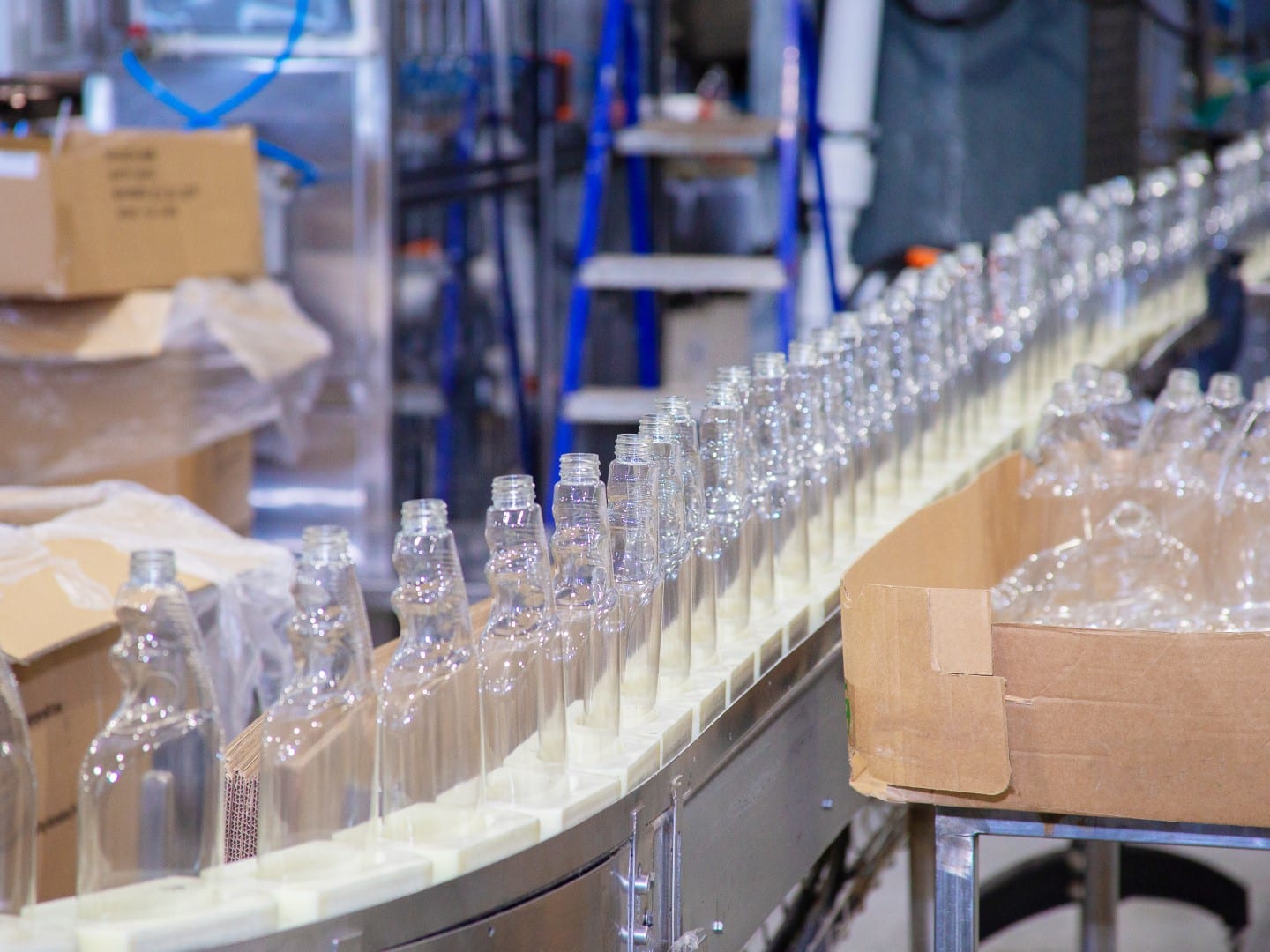
Lower minimum order quantities

European Sourcing: Secure payment methods
What to Consider When Contacting a Manufacturer
1. Be Specific and Precise: Detailing Your Desired Product
When presenting your vision to manufacturers, it's crucial to offer detailed information about your desired product. This includes specifics about size, materials, design, and function. The more clarity you provide, the better the outcomes will be. Detailed information ensures that manufacturers can accurately understand and execute your vision, ensuring you're paired with the perfect production partner.
2. Use Benchmark Products: Providing Inspiration and Reference
Don't hesitate to share examples of similar products or packaging that inspire you. Whether you spotted an item in a store or saw a design online, these real-life examples can act as reference points for your product idea. Referencing other products or designs helps manufacturers grasp your vision and can provide a starting point for discussion about how to make your product unique.
3. Communicate Product Values and Features: Ensuring Desired Outcomes
In addition to physical characteristics, it's also vital to detail the product's desired effects, values, or benefits. This could include its environmental impact, its function or purpose, or even the lifestyle or values it represents. The more specifics you provide, the better the manufacturer can meet your expectations and create a product that resonates with your target audience.
4. Detail Your Sales Strategy: Establishing Long-term Relationships
Manufacturers are more likely to invest in projects they see as viable and lucrative. Therefore, be transparent about your distribution plan. Whether you're selling online or offline, through your own website or a third-party platform, a clear strategy can encourage manufacturers to form long-term relationships with you. It also helps them better understand the product's context and how it will be marketed.
5. Set Realistic Deadlines: Timing Your Product Launch
It's important to share your product launch timeline, but it's equally important to be realistic. Consider the time needed for different manufacturing processes, such as private label or white label, or even custom manufacturing. Each of these processes has its own timeline, and being aware of this helps set reasonable expectations for product delivery.
6. Be Transparent and Reasonable: Navigating the Manufacturing Process
Product creation is a complex process and it can be affected by a myriad of external factors, from material shortages to logistical hiccups. Recognize that product creation takes time and requires patience and understanding. Being transparent and reasonable with your expectations can foster a more effective and positive working relationship with your manufacturer.
Remember, in every request, include the following parameters for precision:
- Quantity
- Target price
- Total budget
While it's best to include all, at least one is necessary for the manufacturer to provide an accurate estimate that aligns with your vision and budget.
Conclusion
The evolving landscape of product sourcing, driven by post-COVID-19 dynamics and the rise of D2C brands, has highlighted the advantages of European sourcing. Faster delivery times, lower minimum order quantities, and superior quality control make Europe an attractive option for businesses seeking reliable suppliers. Effective communication and clear strategies are essential for successful partnerships with manufacturers. Platforms like Wonnda simplify this process by connecting businesses with top European manufacturers, ensuring high-quality product launches and long-term success.
Related articles
Best Clothing Manufacturers in Europe - 2026 Guide by Wonnda

10+ Best Beauty Manufacturers in the US (2026 List)

How to Find a Manufacturer for Your Product (2026 Guide)
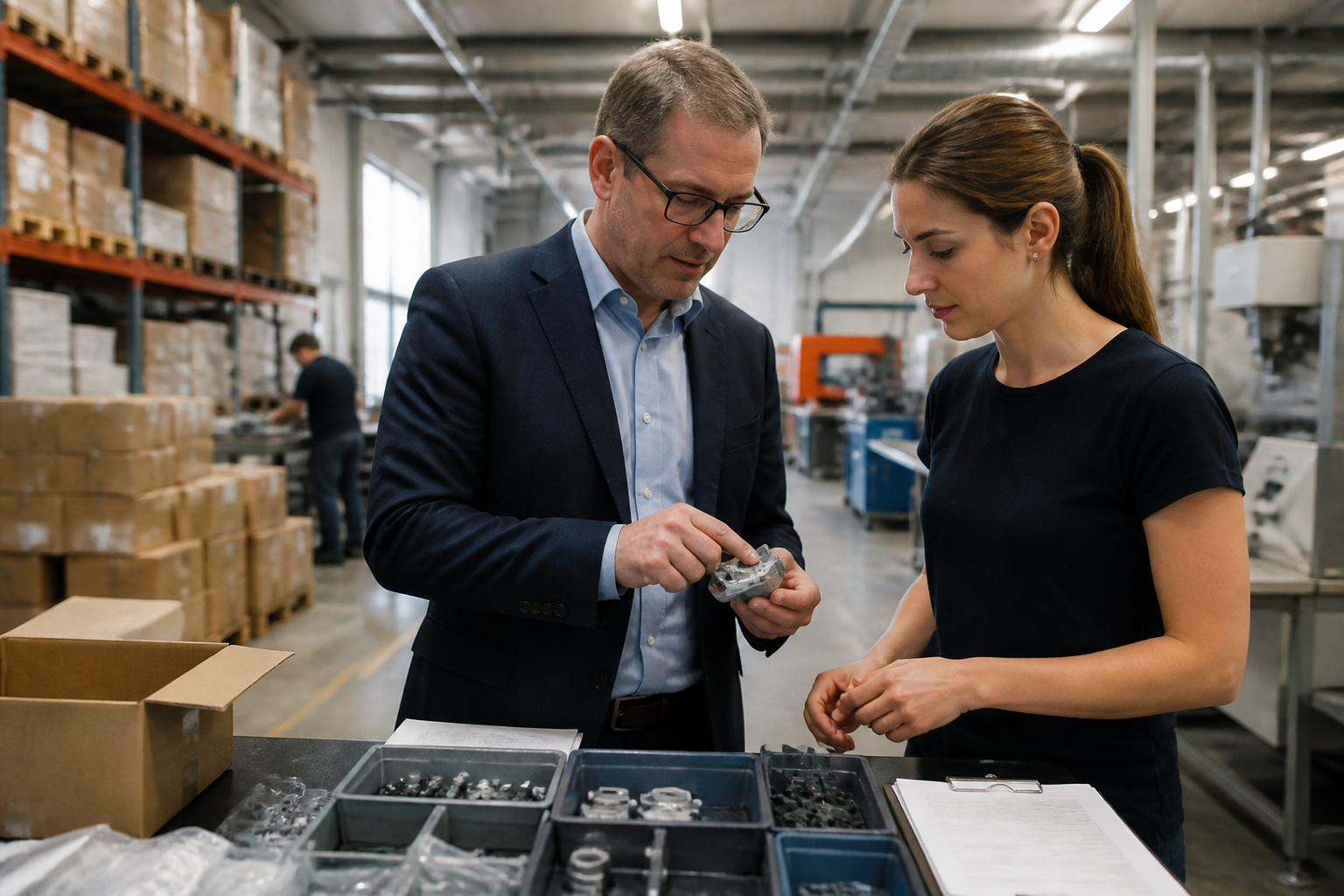
European Suppliers: How to find the best EU suppliers in 2026

10 Best European Sourcing Agencies To Find Suppliers & Launch Your Product
How to Start a Premium Private Label Cookware Brand: The Complete Guide
5+ Best Private Label Nonstick Cookware Manufacturers
5+ Best Private Label Cookware Manufacturers in the USA (2026)