
Best private label beverages manufacturers
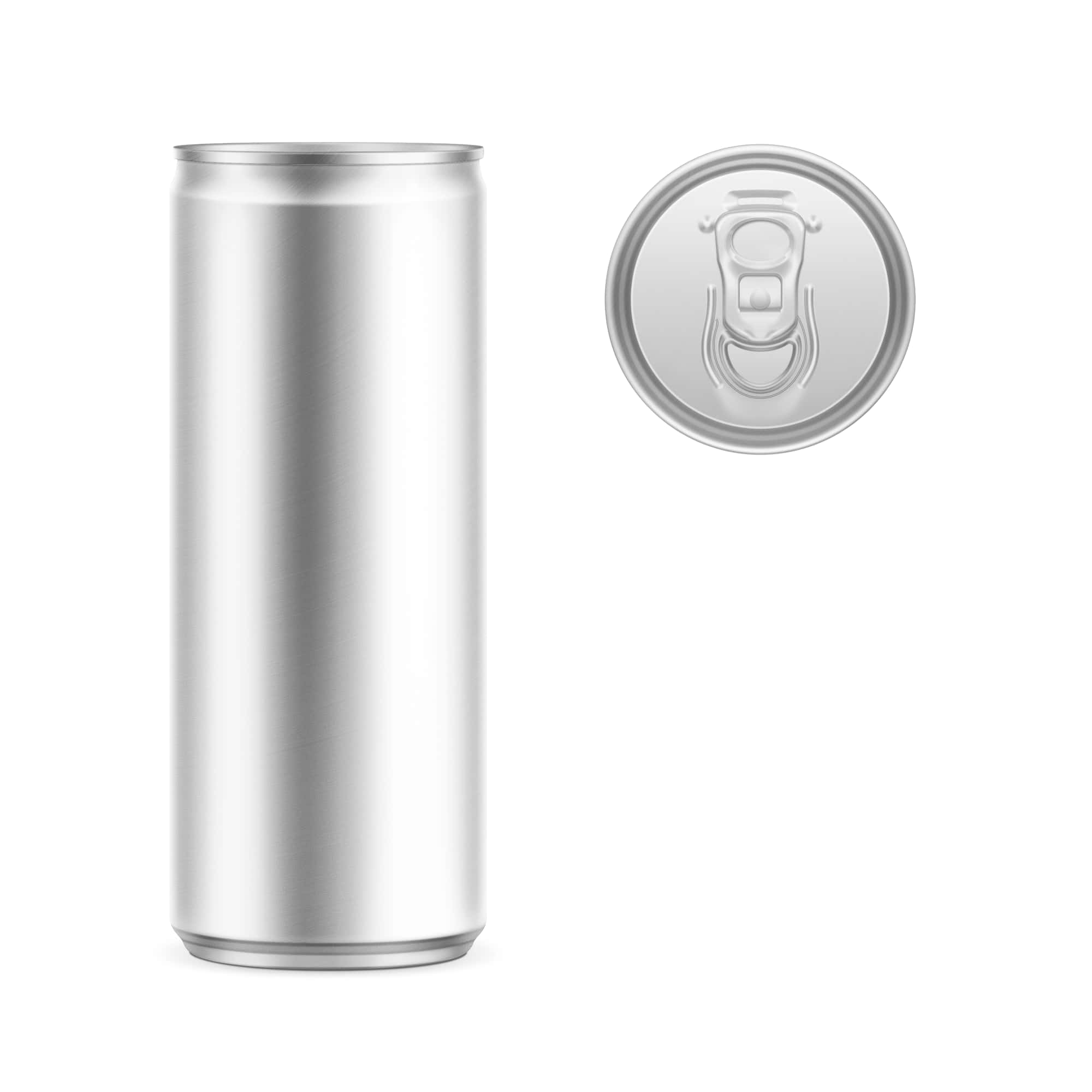
Find vetted private label beverages manufacturers on Wonnda. This broad category includes soft drinks, juices, functional waters, iced teas, and sports drinks. Sourcing decisions center on the contract filler's capabilities in filling and preservation technology. Critical choices in manufacturing involve hot-fill, carbonation, or aseptic processes to ensure product safety and stability. Beverages can be supplied in various formats such as cans, bottles, and cartons, with an increasing focus on functional and low-sugar formulations.
- Vetted suppliers
- 20,000+
- Brands & buyers
- 25,000+
- EU-made
- 80%
5+ Top private label beverages manufacturers
Wonnda works with the best private label beverages manufacturers. Here is a list of trusted suppliers from our network.
 Private LabelContract Manufacturing
Spain-based manufacturer producing fresh oranges, fresh lemons, extra virgin olive oil, available to brands sourcing beverages.
- Country
- Spain
- MOQ
- Lead time
 Private LabelContract Manufacturing
Greece-based manufacturer producing organic herbal teas, herbal delights blends, essential oils, available to brands sourcing beverages.
- Country
- Greece
- MOQ
- Lead time
 Private LabelContract Manufacturing
Poland-based manufacturer producing classic energy drinks, bcaa beverages, fruit juices, available to brands sourcing beverages.
- Country
- Poland
- MOQ
- Lead time
 Private LabelContract Manufacturing
Italy-based manufacturer producing whole bean espresso, espresso blends, single-origin espresso coffees, available to brands sourcing beverages.
- Country
- Italy
- MOQ
- Lead time
 Private LabelContract Manufacturing
Slovakia-based manufacturer producing mushroom-based focus supplements, mushroom blends for nootropics, private label focus supplements, available to brands sourcing beverages.
- Country
- Slovakia
- MOQ
- Lead time
Compare MOQs and lead times
Quick side-by-side of the shortlist. Missing values shown as a dash.
| Supplier | Location | Types | MOQ | Lead time |
|---|---|---|---|---|
| Fet a Soller S.L. | Spain | PL · CM | ||
| Organic Islands | Greece | PL · CM | ||
| Brandsparkle | Poland | PL · CM | ||
| Lucaffè Srl S.B. | Italy | PL · CM | ||
| Royal Factory s.r.o | Slovakia | PL · CM |
Buyer criteria
- Filling and preservation capability
Confirm the co-packer runs the exact combination of pack and preservation your product needs, whether hot-fill PET, canned carbonated or aseptic carton, since these are different lines. A filler quoting outside its core capability may subcontract. Verify they make comparable products in your format, because the filling technology is the foundation of beverage safety and stability.
- Shelf-life and microbiological validation
A beverage must be safe and stable in its pack, so require validation behind the printed best-before, including microbiological testing and process validation for the preservation route. Confirm the co-packer has stability data for your product and pack, because an under-validated drink can spoil or pose a safety risk during distribution over many months.
- Carbonation and flavor consistency
For carbonated drinks, verify the co-packer holds carbonation to a target consistently, and for all drinks that flavor, sweetness and color stay consistent batch to batch. Ask about their checks, since drifting carbonation or flavor is an immediate consumer complaint in a category where taste and fizz drive repeat purchase.
- Sugar, sweetener and claim compliance
Sugar and sweetener choices drive both taste and positioning, and low or no-sugar claims and any functional or health claims are regulated. Confirm the co-packer can formulate to your sugar target and will flag non-compliant claims before artwork, since an inaccurate sugar declaration or an unauthorized health claim risks relabeling and enforcement.
- Pack capability and minimums
Cans, glass, PET and cartons run on different lines with different minimums, and packaging is a large share of beverage cost. Confirm the co-packer offers your pack, understand their MOQ and minimum run length, and check artwork and tooling requirements, because beverage minimums are often high and mismatched pack capability forces a costly re-source.
Red flags
- No process validation for the preservation route
If a co-packer cannot show validation of the hot-fill, pasteurization or aseptic process for your product and pack, walk away. Beverage safety and shelf stability depend on a correctly validated preservation process, and an under-processed drink, especially a low-acid or functional one, can spoil or become unsafe in distribution. This is the most serious risk in the category.
- Quoting a pack or process they do not run
A still-juice bottler offering to fill carbonated cans, or a hot-fill line quoting an aseptic functional drink, signals improvisation. Each pack and preservation combination needs specific equipment. A co-packer stretching beyond its core capability is likely to subcontract or compromise, which is unacceptable for a safety-critical liquid product.
- Drifting carbonation or flavor in trials
If trial runs show inconsistent fizz, sweetness or flavor, the co-packer lacks process control. Taste and carbonation are exactly what consumers judge, and drift across batches generates complaints and kills repeat purchase. A filler whose trials already vary will not deliver the consistency a beverage brand needs at scale.
- Vague on sugar declaration or claims
A co-packer who is casual about the finished sugar content or who encourages unauthorized health claims is steering you toward mislabeling and enforcement risk. Sugar declarations must be accurate and health claims must be authorized in the EU. Evasiveness on either is a sign the partner does not respect beverage labeling law.
Manufacturing process
- 01
Formulation and flavor development
The co-packer or a flavor house develops the recipe, balancing water, juice or extract, sweetener, acid, flavor and any functional actives to a target taste and stability. Sugar and sweetener choices are set here, and the formulation must be designed to survive the chosen preservation process without losing flavor or separating.
- 02
Ingredient blending and syrup preparation
Ingredients are dissolved and blended, often as a concentrated syrup that is later diluted, with careful control of sugar levels, acidity and any actives. For functional drinks, active ingredient dosing is verified so the finished product meets label claim. The blend is tested before it goes forward to filling.
- 03
Carbonation or still preparation
Carbonated drinks have CO2 dissolved to a target level under controlled temperature and pressure, while still drinks proceed without carbonation. Carbonation level affects taste, mouthfeel and the filling method, since carbonated products need counter-pressure filling to hold the gas during the fill.
- 04
Filling and preservation
The drink is filled into cans, bottles or cartons using the appropriate method, hot fill, pasteurization or aseptic cold fill, to achieve microbiological safety and shelf stability. This is the safety-critical heart of beverage production: the preservation route must match the product, since a low-acid or sensitive drink filled incorrectly can spoil or be unsafe.
- 05
Sealing, coding and quality control
Containers are sealed, capped or seamed, then coded with a best-before and lot number. Batches are checked for fill level, seal integrity, carbonation, sugar, microbiological limits and sensory match. Seal and seam integrity are critical, since a poor seal causes leakage, loss of carbonation and spoilage in distribution.
- 06
Labeling, packing and shelf-life confirmation
Bottles and cans are labeled or shrink-sleeved, multipacked and cased. The best-before reflects validated shelf life for the format and preservation route. Allergen-relevant ingredients and any claims are checked on the label, with each batch traceable through the supply chain for quality and recall management.
Understanding beverages private-label manufacturing
Filling and Preservation Technology
Beverage manufacturing is defined by filling and preservation technology, which ensures products are microbiologically safe and stable in their packaging. The choice of contract filler and their capabilities is the central sourcing decision for brands. Different liquid products require specific filling and preservation methods.
For example, still juices or iced teas are typically hot-filled or pasteurized. Carbonated soft drinks necessitate carbonation and counter-pressure filling lines. Sensitive functional or low-acid drinks may require aseptic filling for shelf-stability without heavy heat.
Pack type is also a critical factor. PET bottles, glass, cans, and cartons each run on distinct lines. Brands must match their recipe and pack to a co-packer who can handle that precise combination, as a juice bottler cannot fill cans, and a still-line cannot carbonate.
MOQs and Lead Times
Beverage co-packing facilities are widespread in Europe, with significant capacity in Germany, the Benelux, Poland, and Italy. Many co-packers specialize in specific pack and preservation types.
Lead times for custom beverages typically range from 8 to 14 weeks. This duration can be extended for new flavor development, aseptic validation, or bespoke can or bottle artwork.
Minimum Order Quantities (MOQs) for beverages are often higher than for dry food due to the volume requirements of filling lines. A custom canned or bottled drink commonly has an MOQ between 10,000 to 50,000 units per SKU, and sometimes more. These MOQs are primarily driven by line setup and minimum run lengths.
Cost Drivers
The primary cost drivers for beverages, in order, are:
- Packaging: Cans, glass, and cartons represent a large share of the unit cost, often exceeding the cost of the liquid itself.
- Formulation: Functional actives, real juice content, and natural sweeteners contribute more to cost than water and standard flavors.
- Preservation Process: Aseptic and carbonation methods add to the cost compared to simple hot-fill processes.
- Run Length: The volume of the production run impacts the overall cost per unit.
The choice of sugar and sweeteners also influences both cost and product positioning. Low and no-sugar formulations require careful development to achieve the desired taste profile.
Co-packer Qualification
Private label beverage buyers include D2C drink and functional-beverage brands, retailer private-label soft drink ranges, hospitality and foodservice, and wellness brands. Channel requirements influence format; retail and D2C demand cans, bottles, and multipacks, while foodservice often requires larger or dispenser formats.
Qualifying a co-packer based on the correct filling and preservation technology, shelf-life and microbiological validation, sugar and claim compliance, and pack capability is more important than the headline price. An under-processed drink poses risks of spoilage or safety, and inconsistencies in flavor or carbonation can quickly lead to product failure in a market driven by taste and repeat purchases.
Frequently asked questions
Why does the filling technology matter so much in beverages?+
What is aseptic filling and when do I need it?+
Why are beverage MOQs often higher than other food products?+
How is sugar content managed in private label drinks?+
What packaging options exist for private label beverages?+
What MOQ and lead time should I plan for a custom beverage?+
Explore adjacent product types
Get a vetted shortlist of beverages suppliers in 48 hours.
Post a brief on Wonnda. Free, no commitment. We match you with vetted manufacturers that fit your MOQ, format and market.