
Best private label protein bar manufacturers
Wonnda is where brands find private label protein bar manufacturers. These confectionery-adjacent formats are engineered around the gram weight of protein, which presents a significant formulation challenge due to the dry and chalky nature of protein powders. Manufacturers must master the craft of creating a chewy bar that maintains its texture over several months on a shelf, preventing it from hardening. Key sourcing variables include the protein system, such as whey or plant-based options, and the types of ingredients used to achieve desired textures and shelf stability.
- Global protein bar market — growing 5.9% CAGR to roughly 20.0 billion USD by 2030
- 14.3 billion USD
- Protein bar market by 2030 — mainstream snacking overtaking pure sports-nutrition use
- 20.9 billion USD
- Europe protein bar CAGR — steady European growth led by functional snacking
- 5.7%
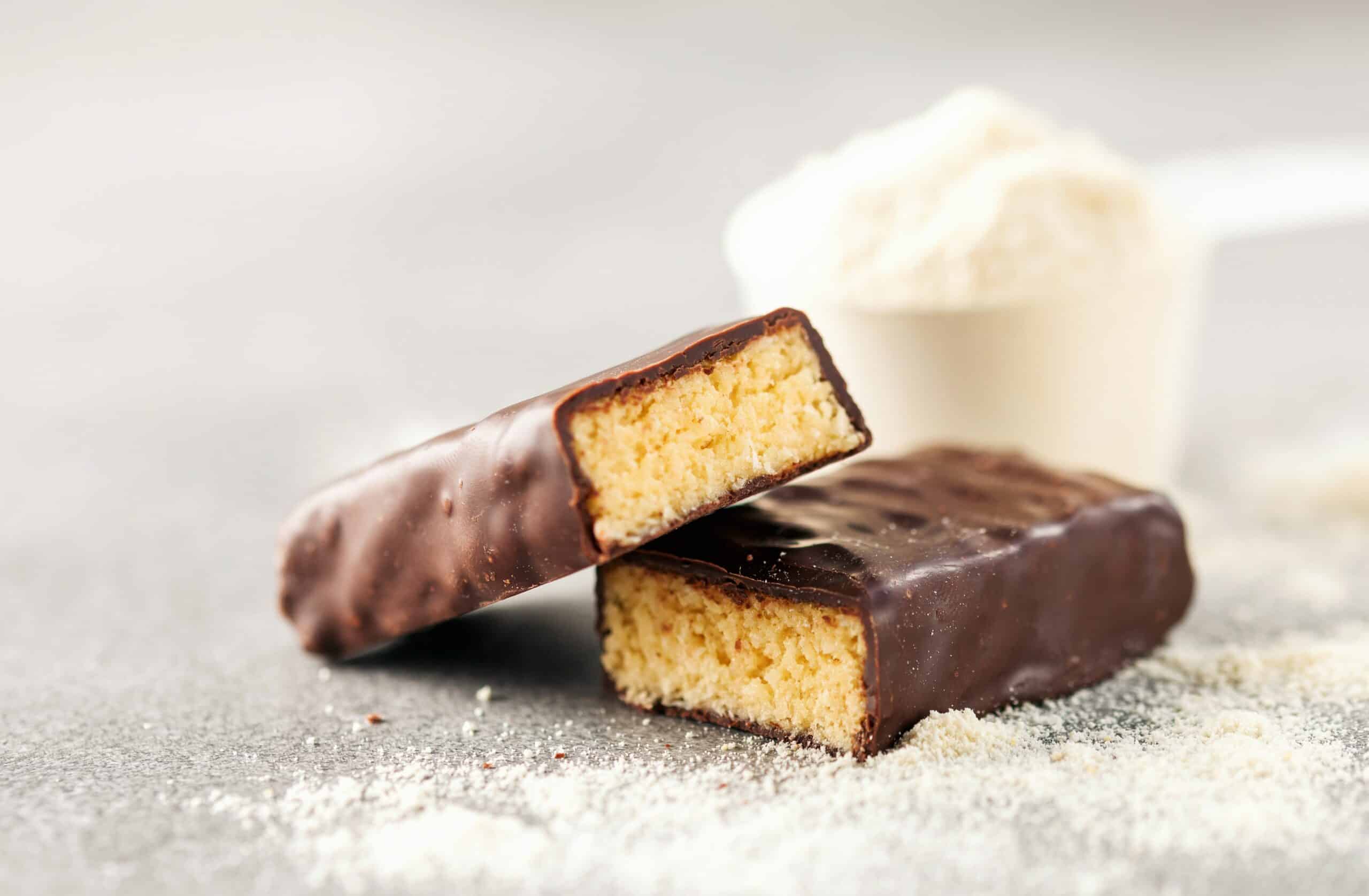
8+ Top private label protein bar manufacturers
Wonnda works with the best private label protein bar manufacturers. Here is a list of trusted suppliers from our network.
- Featured
 Contract ManufacturingPrivate LabelWhite Label
San Marino manufacturer of supplements, medical devices and aesthetic skincare
- Country
- San Marino
- MOQ
- From 100 units for cosmetics; 500 units for injectables; 5,000 units for food supplements.
- Lead time
- About 4 weeks
- Featured
 Private LabelWhite LabelWholesale
Czech private label supplier of dried fruit, nuts, plant proteins and superfoods
- Country
- Czech Republic
- MOQ
- MOQ depends on the product; 25 kg for raw materials for oil production.
- Lead time
- 3-8 weeks first run; 3-4 weeks repeat
 Private LabelContract Manufacturing
Austria-based manufacturer producing customizable oat bars, private label oat bars, sven jack branded oat bars, available to brands sourcing protein bar.
- Country
- Austria
- MOQ
- Lead time
 Private LabelContract Manufacturing
Europe-based manufacturer producing private label protein bars, soft protein bars, crunchy protein bars, available to brands sourcing protein bar.
- Country
- -
- MOQ
- Lead time
 Private LabelContract Manufacturing
Poland-based manufacturer producing classic energy drinks, bcaa beverages, fruit juices, available to brands sourcing protein bar.
- Country
- Poland
- MOQ
- Lead time
 Private LabelContract Manufacturing
Europe-based manufacturer producing protein bars, vegan protein bars, vegetarian protein bars, available to brands sourcing protein bar.
- Country
- -
- MOQ
- Lead time
 Private LabelContract Manufacturing
Europe-based manufacturer producing high-protein bars, protein powders, meal replacement shakes, available to brands sourcing protein bar.
- Country
- -
- MOQ
- Lead time
 Private LabelContract Manufacturing
Europe-based manufacturer producing energy bars, protein bars, chocolate-covered bars, available to brands sourcing protein bar.
- Country
- -
- MOQ
- Lead time
Compare MOQs and lead times
Quick side-by-side of the shortlist. Missing values shown as a dash.
| Supplier | Location | Types | MOQ | Lead time |
|---|---|---|---|---|
| PromoPharma | San Marino | CM · PL · White Label · WS | From 100 units for cosmetics; 500 units for injectables; 5,000 units for food supplements. | About 4 weeks |
| Covitar | Czech Republic | PL · White Label · WS | MOQ depends on the product; 25 kg for raw materials for oil production. | 3-8 weeks first run; 3-4 weeks repeat |
| TaskFood GmbH | Austria | PL · CM | ||
| NewOnFood | - | PL · CM | ||
| Brandsparkle | Poland | PL · CM | ||
| HealthyBars | - | PL · CM | ||
| Bariatrix Europe | - | PL · CM | ||
| Nat Food GmbH | - | PL · CM |
Buyer criteria
- Soft-texture stability over shelf life
The defining quality test for a protein bar is whether it stays soft to its expiry date. Ask for accelerated and real-time stability data showing texture at 6 and 12 months, not just a fresh sample. High-protein bars naturally harden as proteins bind moisture, so a manufacturer that cannot demonstrate texture stability is selling you a bar that will be unpalatable by the time it reaches a customer.
- Protein system and true protein content
Confirm the exact protein blend and that finished bars assay to the labeled grams. Cheaper bars cut whey with collagen or gelatin hydrolysate, which is a lower-quality protein for muscle support, or rely on nitrogen testing that masks amino dilution. Ask for the protein source breakdown and a finished-product protein assay, since the gram number is the entire value proposition of the format.
- Sugar, fiber and humectant strategy
How a bar stays soft without loading sugar reveals the formulator's skill. Ask which humectant syrups and fibers hold the texture and how the sugar and fiber claims are substantiated. Polyols and IMO fiber can cause digestive complaints at high inclusion, so verify the level is tolerable. The syrup system, not the protein, usually decides taste and mouthfeel.
- Coating capability and quality
If your bar is coated, confirm whether the plant enrobes in real chocolate or a compound coating and whether tempering is done in-house. Real chocolate enrobing is a distinct capability with its own line. Taste and inspect the coating for bloom, snap and even coverage, since a poorly tempered or thin coating cracks and looks cheap, undermining a premium positioning at the point of purchase.
- Allergen control across shared lines
Protein bars commonly contain milk, soy, nuts and gluten, and plants often run many recipes on shared equipment. Verify allergen segregation, validated cleaning, and how cross-contact is managed and labeled. For a free-from claim (gluten-free, nut-free), demand the validation behind it, because a single cross-contact incident in this allergen-dense category is a recall and a serious safety event.
- Format and wrapper capability
Decide single bars, multipacks, or mini bars, and confirm the flow-wrapping and case-packing match. The barrier film is not cosmetic: it controls the moisture migration that determines shelf life, so confirm the film spec and seal integrity testing. A manufacturer limited to one bar size or a weak wrapper film cannot support the format range or the shelf life that retail listings require.
- HACCP and retail-grade food safety
Require HACCP plus BRCGS or IFS for retail-grade production, and confirm the certification scope covers bars specifically. For sports brands targeting tested athletes, ask about banned-substance programs such as Informed Sport. Check organic or vegan certification where your claims depend on it. Certification must match your channel: a grocery listing will demand BRCGS that a gym-only brand might not.
Red flags
- No 12-month texture stability data
If the manufacturer offers only a fresh sample and cannot show how the bar behaves at 6 and 12 months, assume it will harden. Texture degradation over shelf life is the number one protein bar complaint and the most common reason a launched product fails. A partner without real-time and accelerated stability studies is asking you to gamble your reorder rate on an untested matrix.
- Protein padded with collagen or gelatin
A high protein number achieved by cutting whey or milk protein with collagen or gelatin hydrolysate delivers an inferior amino profile while the front of pack still shouts the gram count. Ask for the full protein breakdown by source. Silent collagen padding lowers protein quality and cost at your customer's expense, and informed buyers and reviewers increasingly call it out.
- Excessive polyols hidden in the recipe
Sugar-free claims propped up by heavy maltitol or other polyol loads cause bloating and laxative effects that generate complaints and returns. If the bar is low sugar, ask exactly which sweeteners and fibers replace it and at what level. A formulator leaning on cheap polyols to fake a clean nutrition panel is trading your customers' digestive comfort for a better-looking label.
- Compound coating sold as chocolate
A coating described loosely as chocolate may be a compound coating made with vegetable fat rather than cocoa butter, which is cheaper and legally cannot be called chocolate in many markets. Clarify the coating type and its legal name. Mislabeling a compound coating as chocolate is both a quality downgrade your customers will taste and a labeling compliance risk in EU retail.
- Vague allergen handling
In a category dense with milk, soy, nut and gluten ingredients, a manufacturer that cannot detail allergen segregation and validated cleaning is a serious liability. Free-from claims without validation data behind them are the most dangerous, since an allergic reaction is a safety event and a recall. Treat any hand-waving on allergen control as disqualifying regardless of how good the bar tastes.
- Bar weight drift on the line
If the line cannot hold bar weight within a tight tolerance, your protein-per-bar claim drifts and net-weight compliance fails. Ask how often bar weight is checked and what the tolerance is. Inconsistent forming and cutting means some bars under-deliver the labeled protein, which is both a claim accuracy problem and a customer trust problem in a format bought specifically for its protein number.
Manufacturing process
- 01
Protein system and recipe development
The manufacturer selects the protein blend (whey, milk, soy, pea, rice crisp) to hit the target grams per bar and the texture goal, then designs the syrup and humectant system that binds the mass and controls softness. This is the hardest stage, because protein quantity, sugar reduction, fiber claims and a twelve-month soft texture pull against each other and must be balanced before sampling.
- 02
Dry and wet phase preparation
Dry ingredients (proteins, fibers, cocoa, flavor powders, crisps) are weighed and pre-blended, while the wet phase of binding syrups, oils and humectants is heated to a controlled temperature. Temperature matters: too hot denatures protein and darkens the bar, too cool and the mass will not bind. Both phases are prepared to a validated specification before mixing.
- 03
Mass mixing
Wet and dry phases are combined in a high-shear or planetary mixer into a homogeneous dough-like mass. Inclusions such as nuts, chocolate chips or caramel pieces are folded in late to avoid breaking them. Mix time and temperature are controlled, because over-mixing develops a tough texture and under-mixing leaves dry pockets that crumble in the wrapper.
- 04
Forming: cold-press or extrusion
The mass is sheeted and either cold-pressed and slit into bars or extruded and cut. Cold-press preserves a soft, dense chew and protects heat-sensitive ingredients, which is why most premium protein bars are cold-formed rather than baked. The sheet thickness and cutting set the bar weight, which underpins the protein-per-bar claim and must be checked continuously.
- 05
Layering and enrobing (where specified)
Bars destined for a coated format pass through an enrober that curtains them in real chocolate or a compound coating, sometimes after a caramel or nougat layer is deposited. The coating is then cooled in a tempering tunnel so it sets with a clean snap and gloss. Enrobing is a separate process with its own tooling, so not every bar plant offers it in-house.
- 06
Cooling and setting
Formed and coated bars pass through cooling tunnels to set the matrix and the coating before wrapping. Correct cooling controls bloom on chocolate and prevents the bar sticking to the wrapper. Cooling profile is tuned to the recipe, since a bar pulled warm will deform and one over-cooled can crack, both of which show up as defects at the shelf.
- 07
Wrapping and water-activity control
Bars are flow-wrapped individually in a barrier film that controls moisture migration, the key to shelf life. Water activity is measured because too high invites microbial risk and too low accelerates hardening. The wrapper seal integrity is checked, since a poor seal lets the bar dry out and harden long before its printed expiry date.
- 08
Quality control and shelf-life validation
QC tests protein content against label claim, water activity, microbiological limits and texture, supported by accelerated and real-time stability studies that confirm the bar stays soft and safe to its expiry. Allergen controls (milk, soy, nuts, gluten) are documented. Per-batch certificates of analysis record protein, water activity and safety data for traceability.
Understanding protein bar private-label manufacturing
Protein Systems and Formulation
Protein bars are engineered around the grams of protein displayed on the front of the pack. Protein powders are typically dry and chalky, making the craft of this category the ability to turn them into a chewy bar that remains soft for months on a shelf. Contract manufacturers who excel in this area are primarily food formulators, not just powder blenders.
The core decision in formulation is the protein system. Whey and milk proteins offer a familiar texture and complete amino acid profile but can harden over time. Soy and plant proteins (pea, rice, soy crisp) are suitable for vegan positioning but can introduce earthy notes and a firmer bite. Niche bars may include collagen and egg proteins.
The binding system, composed of humectant syrups like glucose, IMO fiber syrup, glycerine, and polyols, holds the bar together and maintains softness. These syrups are critical for controlling sugar content, fiber claims, and overall texture. Achieving a high-protein, low-sugar bar that remains soft for twelve months is a difficult formulation challenge, and manufacturers capable of this command a premium.
Manufacturing and Market Insights
Protein bar contract manufacturing for Europe is concentrated in Germany, the Netherlands, Belgium, Italy, Poland, and the UK. These operations are often found within broader cereal-bar or confectionery plants that utilize cold-press and baked lines. The global protein bar market was valued at approximately 14.3 billion USD in 2024 and is projected to grow at a 5.9 percent CAGR through 2030, according to Grand View Research. The online channel is experiencing the fastest growth, with mainstream snacking becoming the dominant use case over traditional sports nutrition.
MOQs and Lead Times
Minimum Order Quantities (MOQs) for a custom protein bar generally start between 10,000 to 30,000 units, sometimes expressed as a minimum batch of a few hundred kilograms of mass. Lower MOQs may be possible for relabeling existing stock recipes. Lead times for a custom formula typically range from 8 to 16 weeks, extending further if new flavors for enrobing coatings or custom wrappers are required.
Cost Drivers and Differentiation
The primary cost drivers for protein bars, in rough order, include the protein system and its inclusion rate; for example, a 20g whey isolate bar costs significantly more than a 10g soy bar. The coating also contributes to cost, as real chocolate enrobing or compound coatings add material and an additional processing step. Syrups and inclusion systems, such as nuts, crisps, and caramel layers, also impact cost, as does the wrapper and case packaging. The protein claim directly influences the price, and brands seeking a high protein-per-bar count at a low price point often result in a hard, dry bar that may not lead to repeat purchases.
Private label protein bar buyers are divided between sports nutrition brands selling through gyms, Amazon, and direct-to-consumer channels, and a growing number of mainstream snack and functional-food brands selling through grocery and convenience stores as protein becomes more widely consumed. Retailer own-label sports ranges represent a significant volume segment. Differentiation strategies focus on:
- Texture (soft and chewy is preferred over hard)
- Protein-to-sugar ratio
- Clean label ingredients
- Quality of coating
- Format (single bars, multipacks, mini bars)
Qualifying a manufacturer based on their ability to maintain texture stability over shelf life and keep the bar soft without excessive sugar is more crucial than the headline protein number. A bar that hardens in the warehouse can lead to negative reviews that marketing efforts cannot easily overcome.
How private label works for protein bars
Protein bar private label is contract food manufacturing built around a nutrition claim. A brand briefs the manufacturer on the protein number, the texture goal, the sugar and fiber positioning, whether the bar is coated, and the format, and the manufacturer either adapts a stock recipe or develops a custom formula. The decisive work is formulation: balancing a high protein content against a soft, palatable texture that survives a year on the shelf. Unlike a powder, where the brand mainly chooses a blend, a bar is a manufactured food whose quality lives in the recipe and the process.
The briefing sequence matters. The protein system and the texture goal are locked first, because they drive both cost and the central formulation challenge. Sugar and fiber strategy, coating, inclusions and format follow. A brand that fixes a very high protein number and a very low price before understanding the texture trade-off usually ends up with a hard, dry bar, which is why experienced founders treat texture stability as a first-class requirement rather than an afterthought.
Process route is part of that first decision. A cold-press, no-bake bar holds soft chew and protects heat-sensitive ingredients but behaves differently on the line from a baked bar, which develops flavor and a firmer bite. The choice cascades into which plant can make the bar, what inclusions survive, and how the texture ages, so it belongs in the opening brief rather than being discovered once a recipe is already in trials.
What separates premium from commodity protein bars
On a shelf, two bars can claim the same protein number and eat completely differently. The premium markers are texture, protein quality, and coating. A commodity bar uses cheap protein (often collagen-padded), leans on polyols for a low-sugar label, hardens within months, and wears a thin compound coating. A premium bar uses complete dairy or well-formulated plant protein, holds a soft chew to expiry, keeps polyols within a comfortable range, and carries a properly tempered real-chocolate enrobing.
Texture stability is the quiet quality line in this category. It is invisible at purchase and decisive at consumption, because a customer who bites into a hard, dry bar does not reorder regardless of the protein number. Protein quality is the second hidden line: collagen padding lets a bar hit a headline gram count cheaply while delivering an inferior amino profile, a substitution that informed buyers and reviewers increasingly expose. Brands that invest in soft texture and honest protein earn the repeat purchase the format depends on.
Digestive comfort is a third line that commodity bars routinely fail. Heavy reliance on certain polyols and isolated fibers to hit a low-sugar, high-fiber label can leave customers bloated, which generates poor reviews even when the bar tastes good. A premium formulation balances the sweetener and fiber system so the nutrition label and the eating experience agree, rather than buying a clean panel at the cost of how the customer feels an hour later.
Sourcing geography for protein bars
European protein bar manufacturing concentrates in Germany, the Netherlands, Belgium, Italy, Poland and the UK, frequently inside larger cereal-bar and confectionery plants that already run cold-press, baking and enrobing lines. These plants bring food-formulation depth, retail-grade certification, and the wrapping and coating capabilities that a pure supplement blender lacks. Poland and parts of Central Europe offer cost-competitive volume with EU compliance, while Germany and the Netherlands host high-certification, clean-label producers.
For EU brands, producing within Europe simplifies food-safety compliance, shortens lead times, and makes factory audits and allergen verification practical, which matters in an allergen-dense category. The choice of plant also dictates capability: a cold-press specialist suits soft high-protein bars, while a baked-goods plant suits flapjack and cookie styles. Matching the plant type to the bar you want to make is as important as the country it sits in.
Trends driving the protein bar market
Demand keeps broadening beyond the gym. Protein has become a mainstream grocery claim, pulling bars out of the sports aisle and onto everyday snacking shelves, which rewards palatable, dessert-like textures over the dense, chalky bars of earlier generations. Plant-based formulation has matured from a niche to a standing requirement, so a manufacturer that can build a soft, complete-amino plant bar opens a large segment. Lower-sugar and naturally sweetened positioning continues to grow, but with more scrutiny of how that label is achieved.
For a brand entering now, the practical implication is that texture and clean labeling are no longer optional extras but the price of entry into the category. The bars that win repeat purchase combine a credible protein claim with a genuinely enjoyable bite, so the development brief should weight eating quality at least as heavily as the headline gram count.
Cost structure breakdown
The protein bar cost stack is led by the protein system, then the coating, then the syrup and inclusion system, with wrapping and case packaging completing it.
- Protein system: the dominant cost; whey and milk isolate cost far more than soy or collagen, and inclusion rate scales with the protein claim.
- Coating: real chocolate enrobing adds material and a separate tempering process; compound coating is cheaper.
- Syrups and inclusions: fiber syrups, humectants, nuts, crisps and caramel layers that build texture and taste.
- Wrapping and packaging: barrier flow-wrap film (which protects shelf life), cartons and cases, with artwork minimums.
- QC and stability: protein assay, water activity, micro and the stability studies that validate texture and safety.
Because protein is the dominant cost and the headline claim, the sourcing discipline is to protect protein quality and texture rather than chase a high gram number at a low price, a combination that almost always produces a hard, collagen-padded bar.
Compliance and certification landscape
Protein bars are regulated as foods, with mandatory allergen labeling and strict rules on nutrition and health claims. Manufacturers should hold HACCP and, for retail, BRCGS or IFS certification, with the scope confirmed to cover bars. Protein and nutrition claims must survive finished-product testing, and EU rules govern what may be called chocolate, what fiber and protein claims require, and how sweeteners are declared. A coating made with vegetable fat cannot be labeled chocolate, a detail that catches brands out at retail.
Allergen management is the highest-stakes compliance area, given the routine presence of milk, soy, nuts and gluten on shared lines. Free-from claims demand validated cleaning and testing behind them. For sports positioning, banned-substance programs such as Informed Sport are facility and product specific. A manufacturer experienced in your target retail markets will flag claim limits, coating-naming rules and allergen-labeling requirements before they become a relabeling or recall problem.
Industry insights
Frequently asked questions
Why do protein bars get hard over time, and how do I prevent it?+
Should I choose a cold-pressed or baked protein bar?+
What protein content per bar is realistic without making the bar hard or huge?+
Can one manufacturer make both a coated and an uncoated bar in my range?+
How do manufacturers keep a protein bar low in sugar but still soft and sweet?+
What MOQ and lead time should I expect for a custom protein bar?+
How is allergen cross-contact managed when bars share a line with nuts and dairy?+
Do I need Informed Sport certification for a protein bar aimed at gyms?+
Explore adjacent product types
Get a vetted shortlist of protein bar suppliers in 48 hours.
Post a brief on Wonnda. Free, no commitment. We match you with vetted manufacturers that fit your MOQ, format and market.