
Best private label olive oil manufacturers
Source private label olive oil suppliers through Wonnda. Obtaining olive oil requires careful attention to critical variables including grade, such as extra virgin, virgin, refined, or pomace, as these classifications define the final product. Key sourcing considerations revolve around chemical specifications like free acidity and peroxide value, alongside sensory panel assessments to confirm authenticity and quality. Verifiable origin and traceable supply chains are crucial to mitigate the widespread issue of adulteration within the industry.
- Europe olive market — growing about 5.15% CAGR through 2031 to roughly 23.4 billion USD
- 17.4 billion USD
- Italy value share of Europe olive market — largest single-country value share in the European market
- 24.8%
- Spain share of European output — Spain is the dominant production base for European olive oil
- ~60%
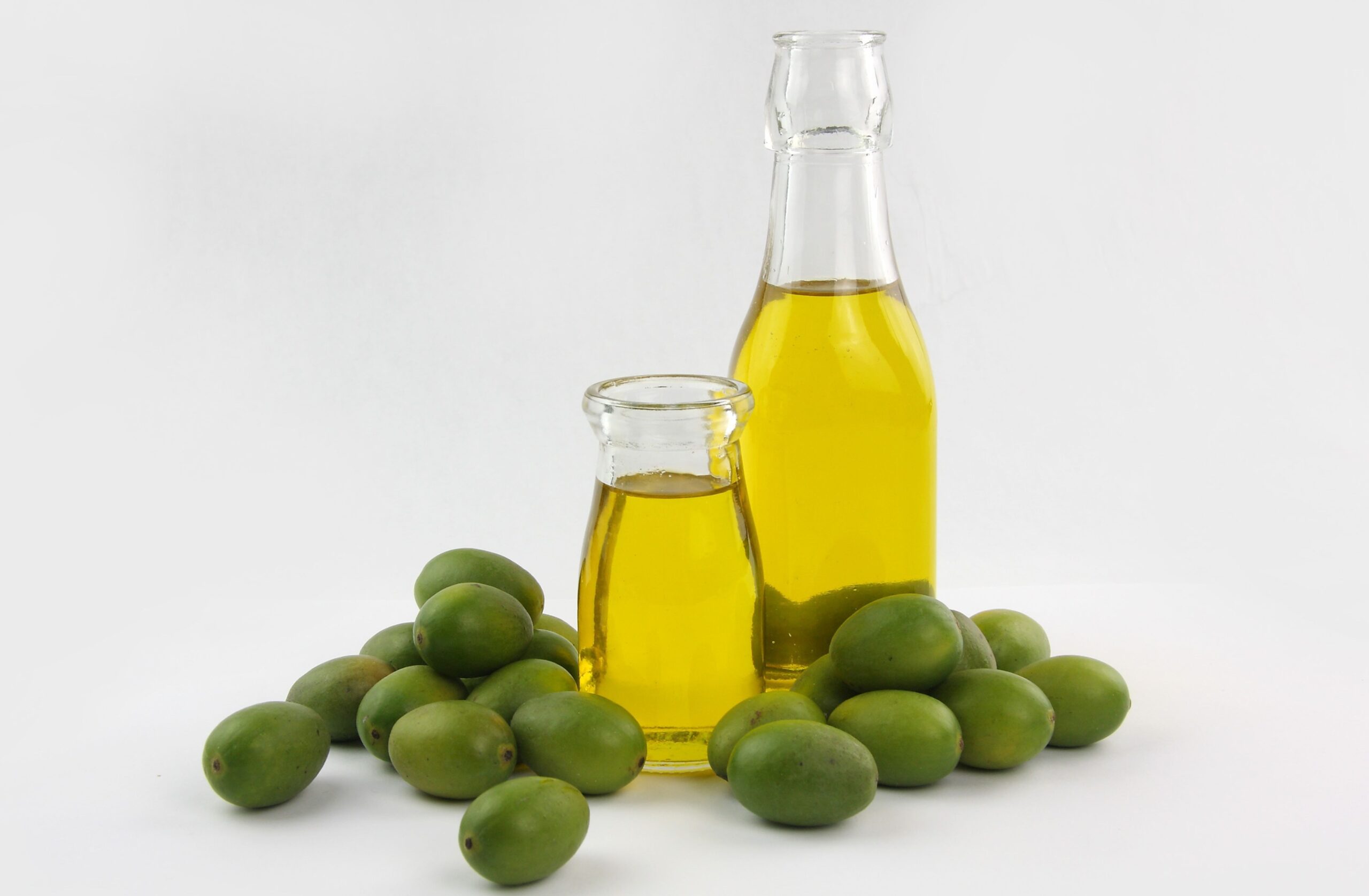
5+ Top private label olive oil manufacturers
Wonnda works with the best private label olive oil manufacturers. Here is a list of trusted suppliers from our network.
 Private LabelContract Manufacturing
Europe-based manufacturer producing extra virgin olive oil, virgin olive oil, pure olive oil, available to brands sourcing olive oil.
- Country
- -
- MOQ
- Lead time
 Private LabelContract Manufacturing
Europe-based manufacturer producing extra virgin olive oil, organic olive oil, flavored olive oils, available to brands sourcing olive oil.
- Country
- -
- MOQ
- Lead time
 Private LabelContract Manufacturing
Europe-based manufacturer producing extra virgin olive oil, flavored olive oils, infused olive oils, available to brands sourcing olive oil.
- Country
- -
- MOQ
- Lead time
 Private LabelContract Manufacturing
Europe-based manufacturer producing extra virgin olive oil (acropolis), olive oil, olive pomace oil, available to brands sourcing olive oil.
- Country
- -
- MOQ
- Lead time
 Private LabelContract Manufacturing
Europe-based manufacturer producing conventional extra virgin olive oil, organic extra virgin olive oil, private label olive oil, available to brands sourcing olive oil.
- Country
- -
- MOQ
- Lead time
Compare MOQs and lead times
Quick side-by-side of the shortlist. Missing values shown as a dash.
| Supplier | Location | Types | MOQ | Lead time |
|---|---|---|---|---|
| Aceites La Pedriza | - | PL · CM | ||
| Olive Oil Lovers | - | PL · CM | ||
| Tuscany Private Label | - | PL · CM | ||
| EU Olive Oil | - | PL · CM | ||
| Escornalbou Gourmet | - | PL · CM |
Buyer criteria
- Independent grade verification
An extra virgin claim must rest on chemical analysis (free acidity at or below 0.8 percent, peroxide value within limits) and a trained sensory panel, ideally with independent or third-party confirmation rather than the bottler's word alone. Ask for the analysis certificate for the specific lot you are buying. Given the category's fraud history, an unverified EVOO claim is the single biggest risk a sourcing manager carries in this product.
- Origin traceability and PDO/PGI status
Verify where the olives were grown and milled, not just where the oil was bottled, since bottling location says nothing about origin. For PDO, PGI or single-origin claims, demand the certification and documentation back to the grove. Origin is a core part of premium positioning and a frequent point of fraud, so traceability from grove to bottle is essential to defend both the price and the claim.
- Harvest year and freshness
Olive oil is best fresh and degrades over time, so confirm the harvest year and how the oil has been stored since pressing. Ask for the harvest date, not just a best-before. A freshly pressed early-harvest oil and a year-old oil are very different products, and a supplier who cannot tell you the harvest year, or who is selling old stock as current, is one to question on both quality and honesty.
- Packaging oxidation protection
Oil quality survives only as long as the packaging protects it from light and oxygen. Dark glass, tins or opaque containers preserve oil far better than clear glass or PET on a lit shelf. Match packaging to your shelf life and channel, and confirm the bottler uses inert filling and proper headspace control. Beautiful clear-glass packaging that lets light destroy the oil is a common and costly mistake in premium ranges.
- Polyphenol and quality markers for premium claims
If you position on health or premium quality, polyphenol content and a robust sensory profile support the claim, and some markets allow a regulated health claim tied to polyphenol levels. Ask whether the oil has the polyphenol level and sensory character to back your positioning. A mild, low-polyphenol oil cannot credibly carry a robust premium story, so align the actual oil with the claims you intend to make on pack.
- Supply security against harvest volatility
Olive harvests swing with weather, and a bad year can send wholesale prices sharply higher and tighten availability. Understand how your supplier manages this: their grower relationships, stock position, and price validity windows. A bottler reliant on spot purchases may be unable to supply, or may quietly drop grade, in a short year. Supply security and honest pricing through a poor harvest are as important as quality in a stable year.
- Food-safety certification and contaminant testing
Require HACCP plus BRCGS or IFS for retail-grade bottling, with scope covering oils, and confirm testing for contaminants such as mineral oil (MOSH/MOAH), plasticizers and pesticide residues, which are real concerns in oils. For organic claims, verify the organic certification through the chain. Certification and contaminant testing must match your retail channel, since grocery listings demand documentation a small specialty run might not.
Red flags
- Extra virgin claim without lot analysis
If a supplier cannot produce the chemical analysis and sensory panel result for the specific lot, treat the extra virgin claim as unproven. Olive oil fraud, selling lower grades as EVOO, is one of the most documented adulterations in food, so a missing or generic certificate is a serious warning. The grade is the product, and an unverifiable grade means you are buying a label, not an oil.
- Bottling location passed off as origin
A supplier emphasizing where the oil is bottled while staying vague about where the olives were grown and milled may be masking the true, cheaper origin. Bottled in Italy is not grown in Italy. Insist on grove-to-bottle traceability for any origin claim. Conflating bottling with provenance is a classic way to dress up a generic blend as a regional premium oil that commands a price it does not deserve.
- No harvest date, only best-before
A supplier who will not state the harvest year, or who labels only a best-before far in the future, may be moving old or oxidized stock. Fresh harvest date is a quality signal the honest trade provides. Evasiveness about how recently the oil was pressed usually means the oil is older than a premium positioning implies, and oxidized oil tastes flat and has lost the polyphenols that justify the price.
- Clear glass for a premium oil
Packaging a premium oil in clear glass destined for a lit retail shelf will degrade it quickly through light exposure, regardless of how good the oil was at bottling. A supplier pushing clear glass for a premium EVOO without flagging the oxidation risk either does not understand the product or is prioritizing looks over quality. For premium oil, dark glass or tins are the baseline, not an upgrade.
- Price too low for the claimed grade
Genuine extra virgin olive oil has a real raw-material cost floor that moves with the harvest. An EVOO quote well below the prevailing market, especially in a short-harvest year, is a strong signal the oil is not what the label says, likely a refined or soft oil blended in. In a category defined by fraud, an implausibly cheap extra virgin price is the clearest red flag of all.
- No contaminant testing
Olive oil carries genuine contaminant risks including mineral oil hydrocarbons (MOSH/MOAH), plasticizers from packaging, and pesticide residues. A bottler that does not test for these is exposing your brand to a safety and compliance failure that surfaces in retail testing. In a product consumed daily and marketed as healthy, missing contaminant screening is disqualifying regardless of how attractive the grade and price look on paper.
Manufacturing process
- 01
Harvest and timing
Olives are harvested in autumn, with timing setting the style: early harvest gives a greener, more peppery, polyphenol-rich oil at lower yield and higher cost, late harvest a milder, higher-yield oil. Speed matters, because olives must reach the mill within hours to limit fermentation and acidity development. The harvest window is the single biggest constraint on when fresh oil becomes available for bottling.
- 02
Cleaning and milling
Olives are washed to remove leaves and grit, then crushed (with stones) into a paste in a hammer or disc mill. Milling temperature is controlled, because heat raises yield but degrades quality and polyphenols. For extra virgin grade the whole process stays mechanical and cool, which is what cold extraction means, and the mill's care here largely determines whether the oil qualifies as extra virgin.
- 03
Malaxation (slow kneading)
The paste is slowly kneaded to let oil droplets coalesce before separation. Time and temperature are critical: kept below about 27 degrees C the process preserves aroma and polyphenols and earns the cold-extraction designation, while higher temperatures or longer times boost yield at the cost of quality. Malaxation is where a careful miller protects the sensory and chemical markers that define extra virgin oil.
- 04
Extraction and separation
Oil is separated from water and solids, almost always by modern centrifugal decanter rather than traditional pressing. The result is fresh, unfiltered oil. The pomace (spent solids) is sent for secondary refined-grade extraction elsewhere, a different and lower product. Clean separation under controlled temperature is essential to keep the extra virgin oil free of the defects that would downgrade it to virgin or lampante.
- 05
Settling, filtration and storage
Fresh oil is settled or filtered to remove suspended solids and moisture that would otherwise cause off-flavors, then stored in inert stainless-steel tanks under nitrogen, cool and dark, to prevent oxidation before bottling. Storage conditions protect the oil during the months between autumn pressing and bottling. Poor storage undoes good milling, since oxygen, light and heat steadily destroy freshness and polyphenols.
- 06
Grade analysis and sensory panel
The oil is tested for free acidity, peroxide value, UV absorbance and other chemical markers, and assessed by a trained sensory panel for fruitiness and the absence of defects. Both the chemistry and the panel must pass for the oil to be labeled extra virgin. This dual verification is the legal and quality backbone of the category and the step that separates genuine EVOO from oils merely described as such.
- 07
Blending or single-origin selection
For consistent commercial product, oils from different lots, varieties or origins are blended to a target flavor and price; for premium product, a single-origin or monovarietal lot is bottled as is. The brand's positioning decides this. Blending to a stable profile across harvests is a real skill, while single-origin trades consistency for provenance and a stronger story, at a higher and more variable cost.
- 08
Bottling, lot coding and traceability
Oil is filled into dark glass, tins or PET that limit light and oxygen exposure, then capped, labeled, lot-coded and cased. Packaging choice directly affects shelf life, since clear glass on a lit shelf degrades oil fast. Lot codes tie each bottle to the oil lot, harvest and origin, which underpins both grade verification and any traceability or authenticity investigation.
Understanding olive oil private-label manufacturing
Olive Oil Grades and Quality
Olive oil is classified by grade: extra virgin, virgin, refined, or pomace. For private label brands, quality is determined by measurable chemistry, such as free acidity and peroxide value, and by trained sensory panels. The category also has a documented problem with fraud, involving the blending of cheaper refined or soft oils into products sold as extra virgin.
Sourcing olive oil requires purchasing based on a verified grade with traceable origin, rather than just a label.
Extra Virgin Olive Oil (EVOO) is the highest grade, mechanically extracted without heat or chemicals. It has a free acidity at or below 0.8 percent, no sensory defects, and a peppery, fruity profile from intact polyphenols. Virgin oil allows for slightly higher acidity and minor defects. Refined and pomace oils are chemically treated, which strips them of flavor and most polyphenols.
Within EVOO, taste and price are influenced by harvest timing, olive variety, region, and whether the oil is single-origin or a blend. For example, a robust early-harvest Italian monovarietal and a mild Spanish blend are both EVOOs but have significant differences in cost and flavor.
Production and Market Landscape
Olive oil production is concentrated in the Mediterranean. Spain produces nearly three-fifths of European output, with Italy, Greece, Portugal, and Tunisia also being significant producers. Bottling and private label filling occur both at origin and in destination markets across the EU.
The European olive market was valued near 17.4 billion USD in 2025 and is projected to grow at a CAGR of approximately 5.15 percent through 2031, according to Mordor Intelligence. Italy holds the largest value share, and organic and PDO oils command strong retail premiums.
Olive oil is susceptible to climate impacts; heatwaves and drought in producing regions can cause harvest shortfalls, leading to sharp increases in wholesale prices. Brands must account for this volatility in their planning.
Minimum Order Quantities and Lead Times
Minimum Order Quantities (MOQs) for private label bottling typically range from 3,000 to 6,000 bottles or units for a custom label. This can be lower for a stock blend and standard bottle, and higher for custom glass or tins.
Lead times for bottling are 6 to 12 weeks but are influenced by the harvest schedule, as fresh early-harvest oil is only available after the autumn pressing.
Cost Drivers and Sourcing Considerations
The primary cost drivers for olive oil, in order, are the oil grade and origin. For example, single-origin organic EVOO costs significantly more than a generic refined blend. Other cost factors include the harvest year and market price, and packaging - such as dark glass, tins, or PET - each with varying oxidation protection and cost.
The oil itself constitutes the dominant portion of the unit cost, making the grade decision a critical factor in margin. Private label olive oil buyers include premium food brands selling single-origin EVOO through specialty retail and D2C, grocery own-label ranges sourcing mid-market blends at scale, and foodservice and ingredient buyers.
Differentiation in the market is achieved through: grade integrity (verified EVOO that truly tastes like EVOO), origin story (PDO, single estate, monovarietal), harvest freshness, and packaging that protects the oil from light and oxygen. Qualifying suppliers based on independent grade verification and origin traceability is more important than price. The history of fraud in the category means that an unverified extra virgin claim poses a significant reputational and legal risk.
How private label works for olive oil
Olive oil private label is a sourcing and bottling business in which the brand's main decision is the grade and origin of the oil, not a recipe. A brand specifies the grade (extra virgin, virgin, refined blend), the origin and any PDO or organic requirement, the flavor profile, and the packaging, and the bottler sources oil to that specification, verifies the grade, and fills it under the brand's label. Because the oil itself dominates cost and quality, the work is in buying and verifying the right oil, then protecting it through storage and packaging until it reaches the customer.
The decision sequence runs grade and origin first, then harvest freshness, then packaging. A brand that picks beautiful clear-glass packaging or a low price point before settling the grade usually compromises the product, because a genuine extra virgin oil has a real cost floor and needs light protection. Treating the oil as the product, and the bottle as its protection rather than just its look, is what separates a credible olive oil brand from a disappointing one.
Flavor profile is a real specification, not a vague preference. Extra virgin oils range from delicate and buttery to robustly bitter and peppery, and the right profile depends on the variety, the region and how ripe the olives were at harvest. A brand that defines the intended profile up front lets the bottler source toward it and blend consistently across harvests, whereas leaving it open means the taste drifts from lot to lot and customers notice their familiar oil changing.
What separates premium from commodity olive oil
Two bottles labeled extra virgin can be entirely different products. The premium markers are verified grade, fresh harvest, traceable origin, and protective packaging. A commodity product may carry an EVOO label on oil that barely meets, or quietly fails, the grade, blended for price, of uncertain age, in clear glass. A premium product is verified by lot-level chemistry and a sensory panel, bottled from a known recent harvest and origin, and packaged in dark glass or tin to preserve it.
Grade integrity is the defining honesty line in olive oil. The category has one of the food industry's worst fraud records, with lower grades routinely passed off as extra virgin, so a verifiable grade is the single most important quality marker. Freshness is the second: olive oil is best young and loses both flavor and polyphenols as it ages and oxidizes. Brands that verify grade, document harvest and origin, and package for protection earn trust in a market where many competitors cut exactly those corners.
Polyphenol content is the emerging premium axis beyond grade and freshness. High-phenolic oils carry more of the bitter, peppery compounds linked to both flavor intensity and the oil's health positioning, and they hold up better against oxidation. They command a premium and require both a suitable variety and an early harvest, so a brand chasing a high-polyphenol story has to accept a higher cost floor and a smaller, more carefully sourced supply rather than expecting it from a standard volume blend.
Sourcing geography for olive oil
Production is overwhelmingly Mediterranean. Spain supplies close to 60 percent of European output and anchors the mid-market and volume blends, Italy commands the largest value share and a strong premium and branding reputation, and Greece, Portugal and Tunisia are significant, with Greece known for high-polyphenol oils. Bottling and private label filling happen both at origin and in destination EU markets, which is why origin and bottling location must be distinguished carefully.
For EU brands, the geography decision is about provenance and price as much as logistics. A Spanish blend offers consistent volume at a workable cost, an Italian or single-estate oil offers a premium provenance story, and PDO designations tie oil to a specific certified region. The key discipline is verifying where the olives were actually grown and milled, since bottling in a prestigious country does not make the oil from there. Harvest volatility across these regions also means a resilient brand spreads sourcing risk rather than depending on a single grove or country.
Harvest cycles and price volatility
Olive oil is an agricultural commodity tied to an annual harvest, so its wholesale price swings with weather and yield in a way most packaged goods do not. Drought and poor flowering in major producing regions can sharply cut output and push genuine extra virgin prices to multiples of a normal year, while a strong harvest eases them again. A brand that fixes a retail price against a low-cost year can find its margin erased when the next harvest fails.
The practical defenses are to plan pricing with headroom for harvest swings, to agree supply and price windows with the bottler rather than assuming spot availability, and to spread sourcing across regions and varieties so a single failed harvest does not strand the brand. Treating the oil as a variable-cost commodity, not a fixed input, is part of running an olive oil brand responsibly.
Cost structure breakdown
The olive oil cost stack is dominated by the oil itself, scaled by grade and harvest-year market price, with packaging and bottling making up the rest.
- Oil grade and origin: the dominant cost; single-origin organic EVOO costs multiples of a generic refined blend, and the figure moves with each harvest.
- Harvest-year market price: weather-driven volatility can sharply raise the wholesale cost of genuine extra virgin oil.
- Packaging: dark glass and tins cost more than clear glass or PET but protect the oil; closures and pour spouts add to it.
- Bottling and filling: inert filling, capping and labeling, with artwork and component minimums.
- QC and verification: grade analysis, sensory panel, and contaminant testing for MOSH/MOAH, plasticizers and pesticides.
Because the oil is the cost and the quality, the sourcing discipline is to pay for a verified grade and protect it, not to chase a price that, for genuine extra virgin, simply cannot be met without compromising the grade.
Compliance and certification landscape
Olive oil grades are legally defined, with extra virgin requiring free acidity at or below 0.8 percent, peroxide value within limits, and a defect-free sensory panel, all enforceable and audited. Bottlers should hold HACCP and, for retail, BRCGS or IFS, and should test for contaminants including mineral oil hydrocarbons (MOSH/MOAH), plasticizers and pesticide residues that are recurring concerns in oils. Organic and PDO or PGI claims each require certification verifiable through the supply chain.
Claims are tightly governed. The EU permits a specific polyphenol health claim only when the oil meets a defined polyphenol level and the prescribed wording is used, so health positioning must be substantiated by analysis. Origin and grade claims are frequent targets of enforcement given the fraud history, which makes traceability and lot-level verification both a quality practice and a compliance necessity. A bottler experienced in your retail markets will flag grade, origin, contaminant and claim requirements before they become a recall or enforcement problem.
Industry insights
Frequently asked questions
How do I verify that an oil is genuinely extra virgin?+
What does cold extraction or cold pressed actually mean for olive oil?+
Why does olive oil pricing swing so much between years?+
Should I bottle in dark glass, tins, or clear glass?+
What is the difference between single-origin, PDO, and blended olive oil for my brand?+
When in the year can I get fresh harvest oil bottled?+
What acidity and peroxide levels should I specify for retail extra virgin oil?+
Can I make a health claim about polyphenols on my olive oil?+
Explore adjacent product types
Get a vetted shortlist of olive oil suppliers in 48 hours.
Post a brief on Wonnda. Free, no commitment. We match you with vetted manufacturers that fit your MOQ, format and market.