
Best private label honey manufacturers
Wonnda is the best place to find private label honey manufacturers. High-quality honey sourcing depends on verifying authenticity and transparent origin, as honey is frequently adulterated with syrups. You can source various floral types, including monofloral, blossom, and raw honey, with packaging options ranging from diverse jar formats. Key sourcing variables involve stringent quality checks and compliance with directives that govern permissible ingredients and origin declarations. Lead times are influenced by the specific honey variety and packaging requirements.
- Vetted suppliers
- 20,000+
- Brands & buyers
- 25,000+
- EU-made
- 80%
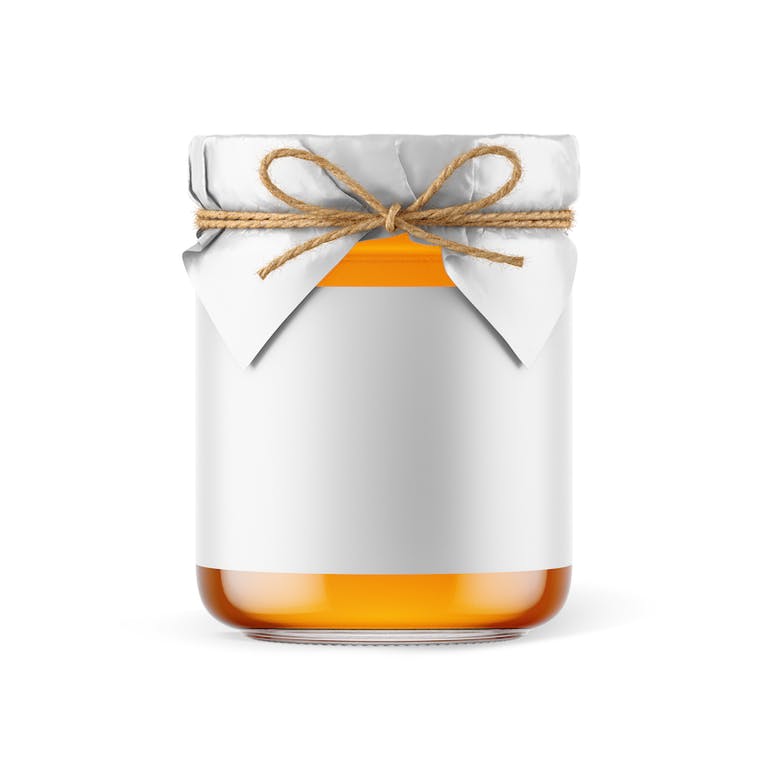
5+ Top private label honey manufacturers
Wonnda works with the best private label honey manufacturers. Here is a list of trusted suppliers from our network.
 Private LabelContract Manufacturing
Greece-based manufacturer producing pure honey, honey blends, processed honey items, available to brands sourcing honey.
- Country
- Greece
- MOQ
- Lead time
 Private LabelContract Manufacturing
USA-based manufacturer producing raw honey, filtered honey, organic honey, available to brands sourcing honey.
- Country
- USA
- MOQ
- Lead time
 Private LabelContract Manufacturing
Spain-based manufacturer producing honey in 16 oz glass jars, honey with comb, doray branded honey, available to brands sourcing honey.
- Country
- Spain
- MOQ
- Lead time
 Private LabelContract Manufacturing
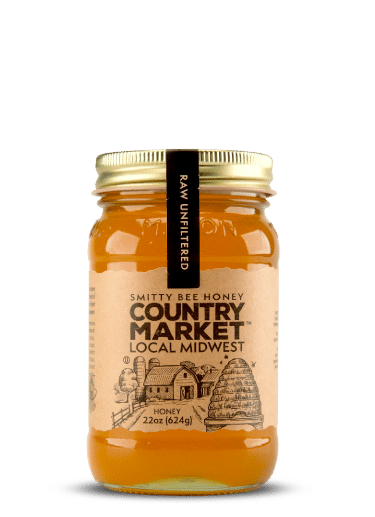
USA-based manufacturer producing liquid honey, whipped honey, bulk honey, available to brands sourcing honey.
- Country
- USA
- MOQ
- Lead time
 Private LabelContract Manufacturing
Bulgaria-based manufacturer producing acacia honey, linden honey, lavender honey, available to brands sourcing honey.
- Country
- Bulgaria
- MOQ
- Lead time
Compare MOQs and lead times
Quick side-by-side of the shortlist. Missing values shown as a dash.
| Supplier | Location | Types | MOQ | Lead time |
|---|---|---|---|---|
| Melinda | Greece | PL · CM | ||
| Dutch Gold Honey | USA | PL · CM | ||
| Andaluza de Mieles | Spain | PL · CM | ||
| Smitty Bee Honey | USA | PL · CM | ||
| Pastili Limited | Bulgaria | PL · CM |
Buyer criteria
- Authenticity testing regime
Ask exactly how the packer screens for adulteration: moisture, HMF, sugar profile, and ideally isotope or NMR testing on incoming lots. Honey is among the most adulterated foods traded, so a packer without a real authenticity program is exposing your brand. Request example test reports, not a verbal assurance that their honey is pure.
- Origin traceability
EU rules require accurate country-of-origin labeling, so confirm the packer can trace every batch to its harvest origin and supply documentation. Be wary of vague blend origins. If you sell a single-origin or European honey claim, the traceability evidence is what protects you in an audit and what justifies the premium price.
- Floral type substantiation
For monofloral honeys like acacia or manuka, the floral claim must be backed by pollen analysis or recognized grading, not just a label. Ask how the packer substantiates the variety. An unsupported monofloral claim is both a pricing risk, since you may be paying blend cost, and a labeling exposure.
- Processing level matching your claim
If you sell raw or unfiltered honey, confirm the packer uses low heat and minimal filtration and can document it, because raw is a positioning that consumers check. For standard lines, agree the warming and filtration parameters so HMF stays low. Mismatched processing quietly undermines a clean-label or raw claim.
- Crystallization management
Decide whether you want liquid, naturally crystallizing, or controlled creamed honey, and confirm the packer can deliver and hold it. Liquid honey crystallizes over time, which generates consumer confusion and complaints if unexpected. A packer who can offer a stable creamed set or advise on shelf behavior helps you avoid returns driven by natural graining.
Red flags
- No adulteration testing offered
If a packer cannot describe how they screen incoming honey for syrup adulteration and overheating, walk away. Cheap honey is frequently cut with rice or beet syrup, and without testing you cannot prove your product is real. In a category under heavy authenticity scrutiny, missing testing is the most serious red flag there is.
- Suspiciously low price for a premium claim
A quote for acacia, manuka or single-origin European honey at a price near generic blend cost is a warning that the product is not what the label says. Authentic monofloral and single-origin honey carry real cost floors. A price that looks too good usually means blending, adulteration, or an origin that will not survive scrutiny.
- Vague or shifting origin
If the declared origin is a generic blend of EU and non-EU honeys with no traceable breakdown, or it changes between quotes, your origin labeling rests on shaky ground. EU rules require honest origin declaration. A packer who cannot pin down where the honey comes from cannot protect you in an audit or a consumer challenge.
- High HMF or overheating signs
Elevated HMF indicates honey that has been overheated or is old, both of which degrade quality and, for raw claims, are disqualifying. If samples show high HMF or the packer routinely heats hard to keep honey liquid, the product is compromised. Ask for HMF figures and reject lots that run high against the standard for your line.
Manufacturing process
- 01
Sourcing and origin documentation
The packer procures honey in drums from beekeepers or importers against a specification for floral type, origin, moisture and color. Each drum carries documentation that supports the EU origin declaration. A credible packer tests and traces incoming honey rather than trusting paperwork alone, because adulteration enters the chain at this point.
- 02
Authenticity and quality testing
Incoming honey is checked for moisture, HMF (a marker of overheating or age), sugar profile and signs of syrup adulteration. Higher-end packers use isotope or NMR testing to confirm authenticity and floral or botanical origin. This testing is the core quality control of the category and the main defense of a brand's authenticity claim.
- 03
Blending or single-origin selection
For blossom or value lines, drums of different origins are blended to a target color, flavor and price. For single-origin or monofloral lines, a qualifying lot is kept separate and traced. The blend or selection decision fixes both the cost and the origin and floral claims that the label can legally carry.
- 04
Gentle warming and filtration
Honey is warmed gently to liquefy crystals and ease handling, then strained or filtered to remove wax and debris. Raw lines use minimal, coarse filtration and low heat to preserve pollen and enzymes, while standard lines may be finer filtered. Overheating raises HMF and damages quality, so temperature is controlled tightly.
- 05
Creaming or setting where specified
For creamed or set honey, controlled crystallization is induced by seeding with fine crystals and stirring at a managed temperature, producing a smooth spreadable texture. This is a deliberate process step, not a defect, and it lets a brand offer a soft-set product that resists the random graininess of natural crystallization in the jar.
- 06
Filling, sealing and coding
Honey is filled into jars or squeeze bottles to weight, sealed with tamper-evident closures, and coded with lot numbers and best-before dates. Fill weight and seal integrity are checked through the run. Because honey is dense and viscous, fill temperature and equipment are set to hold net weight accurately from line to shelf.
- 07
Final quality control and labeling
Finished jars are checked for fill, closure, clarity or set quality and sensory match to standard. Origin, floral and any raw or organic claims are verified against the documentation, then jars are labeled, cased and palletized with the batch and authenticity records that should accompany the shipment.
Understanding honey private-label manufacturing
Authenticity and Sourcing
Honey is a single-ingredient natural product, which makes private label sourcing appear simple but carries inherent risks. It is one of the most adulterated foods in global trade, frequently cut with rice or beet syrup. The EU Honey Directive governs what may be added and how origin must be declared. Effective sourcing in this category prioritizes authenticity verification and origin transparency over production complexity.
Floral Source and Form
The initial decision involves floral source and form. Monofloral honeys like acacia, linden, orange blossom, chestnut, or manuka command premium prices and require botanical and regional evidence for their claims. Polyfloral or blossom honey serves as the value option.
Form options include liquid (often gently warmed to delay crystallization), naturally crystallized, creamed or set, and raw or unfiltered. Raw honey bypasses high-heat pasteurization and fine filtration, preserving pollen and enzymes but crystallizing faster. This choice impacts both the product narrative and shelf stability.
Manufacturing and Origin
Honey packing for the European market is handled by specialist packers in Germany, Spain, and Central and Eastern Europe. These packers blend and fill honey from both EU and non-EU origins. EU regulations for origin labeling have become stricter, requiring the declaration of the country or countries of harvest. Credible packers can trace every drum back to its source.
Genuine single-origin European honey is considerably more expensive than blends that include imported honey, and this price difference is increasing due to heightened authenticity scrutiny.
MOQs, Lead Times, and Cost Drivers
Minimum order quantities (MOQs) for custom jarred honey typically range from 3,000 to 6,000 units, mainly due to jar, lid, and label setup. Lower minimums may be possible for relabeling existing fills. Lead times are generally 4 to 10 weeks.
Cost is primarily influenced by floral type and origin, followed by the degree of processing (raw and single-origin cost more), the jar and closure, and the fill size. Buyers include grocery and specialty food brands, natural and organic ranges, gifting and premium brands, and foodservice private label. Products are sold through grocery, health-food, online, and gift channels, where origin and authenticity are key price determinants.
Frequently asked questions
How do I know the honey is not adulterated?+
What does raw honey mean and is it worth offering?+
Why is single-origin or monofloral honey so much more expensive?+
Why does my honey crystallize and can it be prevented?+
What MOQ and lead time apply to private label honey?+
How should honey be labeled for origin in the EU?+
Explore adjacent product types
Get a vetted shortlist of honey suppliers in 48 hours.
Post a brief on Wonnda. Free, no commitment. We match you with vetted manufacturers that fit your MOQ, format and market.