
10+ Food Industry Trends for 2026 [Ultimate Guide]

Key Take-Aways:
- This year will be a year full of exciting trends in the food & beverage industry
- Core trends will be sustainability, functional food and private label
- Brands that will make use of those trends will have a higher probability in achieving growth
It's clear that the food industry is in the middle of some exciting changes. From the way our food is produced to what we’re putting on our plates, consumers are driving a transformation that’s about more than just taste. People today care deeply about what’s in their food, how it’s made, and where it comes from—and that’s shaping everything from the rise of plant-based diets to smarter packaging solutions that help protect the planet.
At the same time, technology is playing a bigger role than ever. New innovations like 3D-printed meat and personalized nutrition are no longer just futuristic ideas—they’re becoming real products that are already starting to hit the shelves. Consumers are looking for foods that don’t just fill them up but also offer functional benefits, from boosting immunity to supporting gut health.
This shift isn’t just about health, either. The push for sustainability, transparency, and ethical sourcing is fundamentally changing how food companies operate.
On top of that, the private label industry keeps on dominating the food industry, specifically within the retail market.
Brands that prioritize these trends will be the ones that stand out, gaining the trust of consumers who are more informed and selective than ever before.
So what’s next for the food industry? Let’s take a look at some of the key food industry trends for this year that are set to shape the future of food. From functional foods to sustainable packaging, here’s what you need to know to stay ahead in this rapidly evolving market.
1. Functional Food & Beverage
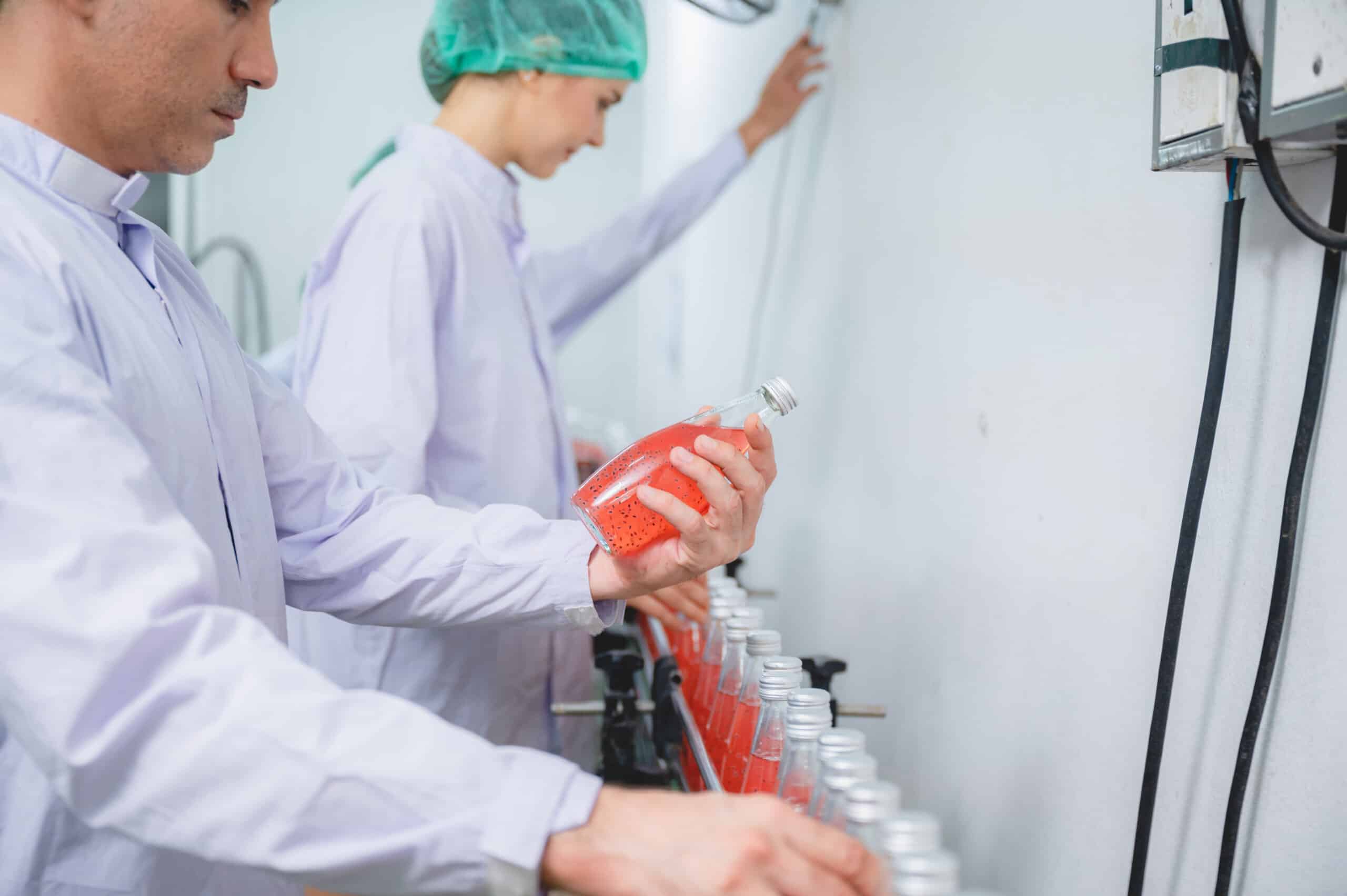
This year, the demand for functional foods and beverages—those enriched with nutrients that offer specific health benefits—will continue to rise. Consumers are increasingly seeking products that not only satisfy hunger but also support overall health and wellness. Popular categories include foods and drinks fortified with vitamins, probiotics, antioxidants, and adaptogens.
2. Food Supplements

The food supplement market is set to grow significantly, driven by consumers' desire to improve their health and address specific nutritional needs. Supplements targeting immunity, mental clarity, and energy, alongside specialized products like collagen and protein powders, will dominate the market as people look to fill dietary gaps through convenient solutions.
If you are a retailer or brand, adding private label supplements to your product line, will be a smart choice. If you are looking for the right private label supplements manufacturers, make sure to take a look at our very own platform Wonnda.
3. Private Label

Private label is continuing to gain traction, especially as they offer more affordable yet high-quality alternatives to name brands. In the food industry, private label food products have seen a rise in trust, as retailers and businesses focus on improving quality, sustainable sourcing, and product variety. Private label brands will be key players in delivering consumer value and contract manufacturers in the food industry will benefit from that as well. If you are looking for trusted private label food manufacturers, Wonnda is here to help.
4. Gut Health

A focus on gut health will continue to shape consumer food choices this year. Probiotics, prebiotics, and fermented foods are popular options as people become more aware of the connection between gut health and overall well-being. Foods that support a healthy digestive system will remain a priority for consumers looking to improve digestion, immunity, and mental health.
5. Sustainable Packaging

Sustainable packaging will become a must this year, as consumers demand eco-friendly solutions from food brands. With rising concerns about plastic waste and environmental degradation, biodegradable, compostable, and recyclable packaging will be essential. Innovations in packaging materials and design will reduce environmental impact and cater to eco-conscious shoppers.
6. 3D Printed Meat
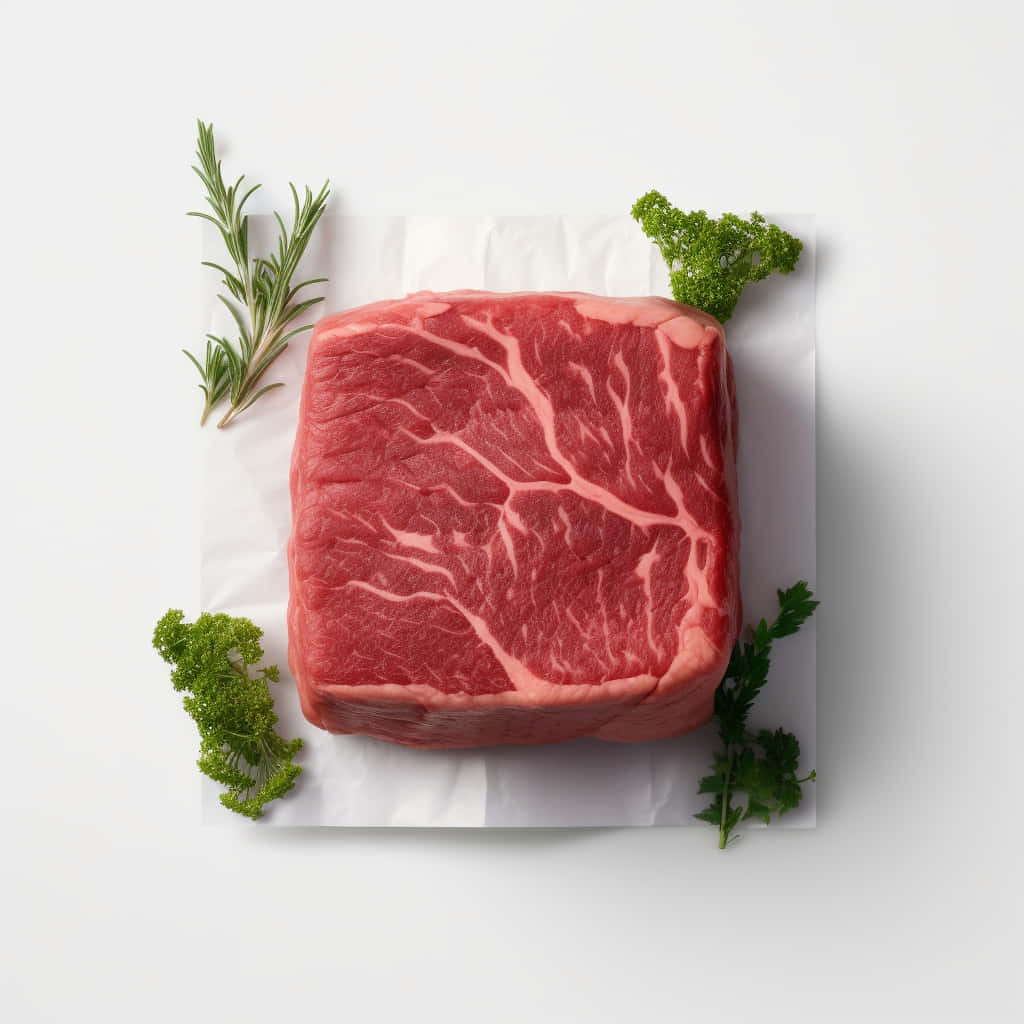
One of the most exciting innovations in the food industry is 3D printed meat. Companies like Project Eaden are pioneering this space by creating plant-based meat alternatives that replicate the texture and taste of traditional meat.
This trend is driven by sustainability concerns and the need for ethical alternatives to animal farming. 3D printed meat products will offer new possibilities for food production and consumption.
7. Sustainable Food
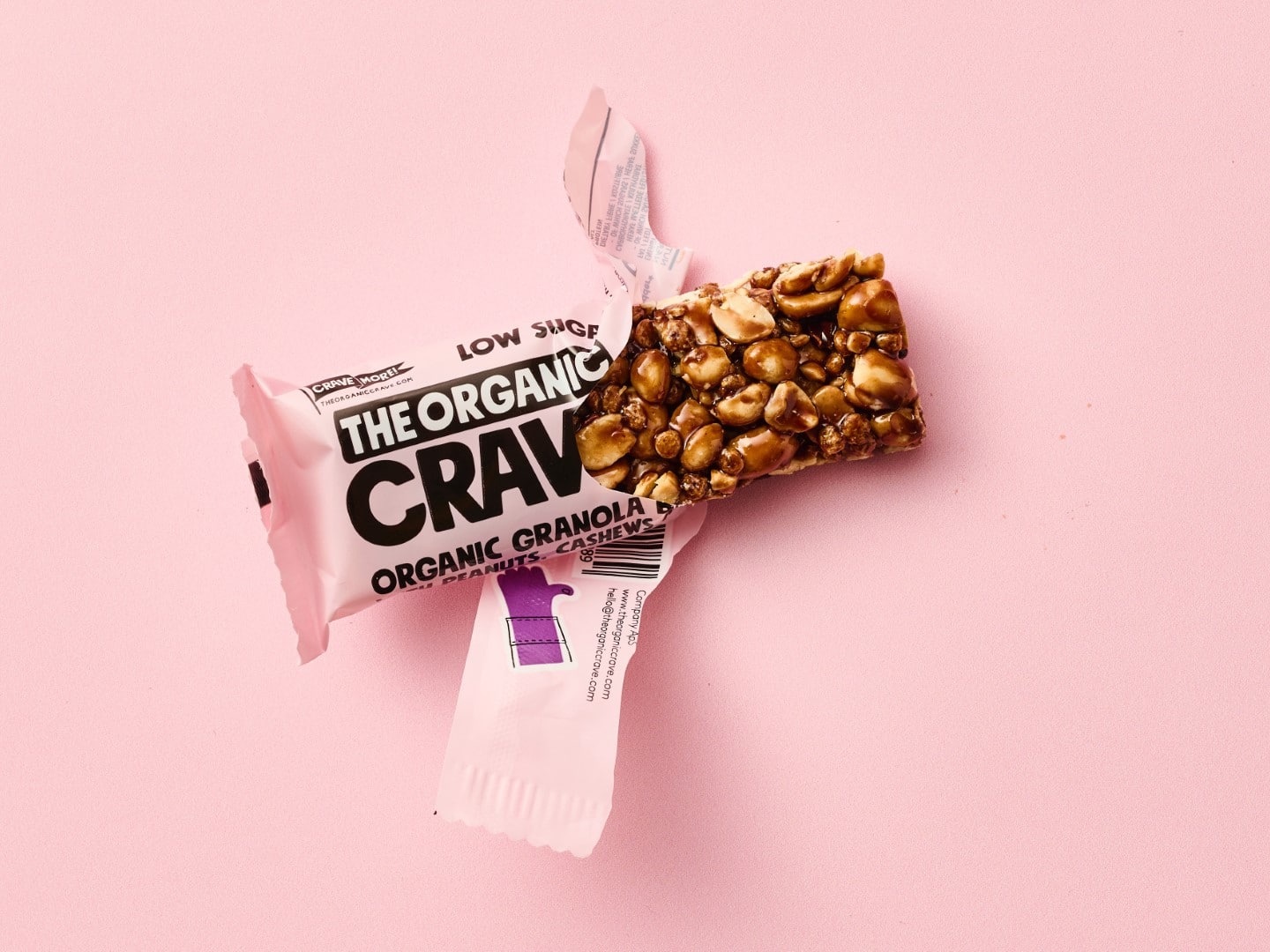
Sustainable food practices are now more important than ever. From reducing food waste to adopting regenerative agriculture, food companies are actively shifting towards sustainable sourcing and production. This year, brands that prioritize eco-friendly practices across their supply chains will gain consumer trust and play a vital role in combating climate change. However, if you are a brand, sometimes it can be challenging to connect with sustainable food manufacturers and you may ask yourself how to find sustainable food suppliers. With Wonnda, it's very easy to connect with suitable best private label manufacturers and contract manufacturers on one central platform and get quotes directly in order to launch your sustainable food product.
8. Plant-Based and Alternative Proteins
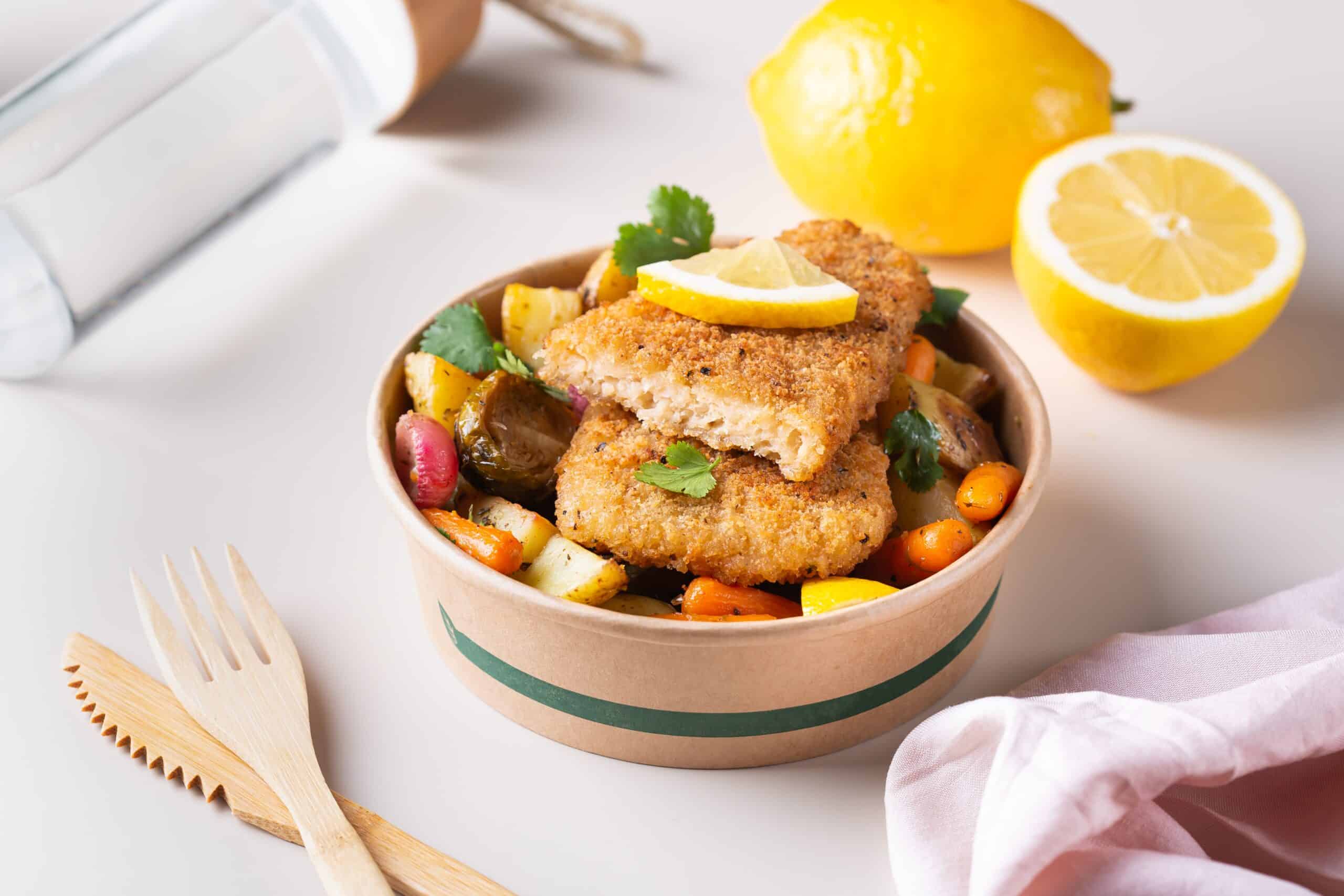
As part of the global movement toward more sustainable food consumption, plant-based diets and alternative proteins are projected to be at the forefront of food industry trends this year. The shift toward reducing meat consumption is driven by concerns over health, the environment, and animal welfare.
Major Developments in Plant-Based Proteins:
- Innovation in meat alternatives: Advances in plant-based meat products, such as improved texture and taste, will make them more appealing to mainstream consumers.
- Cell-cultured meat: Lab-grown meat is expected to hit the shelves at a larger scale by this year. This alternative protein source has the potential to revolutionize the meat industry by offering a sustainable and cruelty-free option.
- Plant-based dairy: Non-dairy alternatives like oat milk, almond milk, and soy-based yogurts will continue to gain popularity, especially as consumers seek healthier and more sustainable options.
As the alternative protein market grows, food companies will need to innovate to keep up with the demand for diverse and delicious plant-based options, such as plant-based meat or plant-based fish.
9. Personalized Nutrition

Consumers are increasingly interested in personalized nutrition, where diets are tailored to individual health needs, genetic profiles, and lifestyle factors. The trend will be supported by cutting-edge technologies that allow consumers to track and optimize their nutritional intake more easily.
Key Drivers of Personalized Nutrition:
- Advancements in health technology: Wearable devices, genetic testing, and AI-powered apps will enable consumers to make more informed decisions about their diet and health.
- Data-driven diets: Personalized meal plans and food products will cater to individual preferences, allergies, and health goals, ranging from weight management to disease prevention.
- Gut health focus: Probiotics, prebiotics, and fermented foods are gaining attention due to their role in maintaining gut health, which will be an integral part of personalized nutrition strategies.
Food brands that embrace this trend can create tailored products and services, ensuring stronger customer loyalty and engagement.
10. Food Tech and Automation
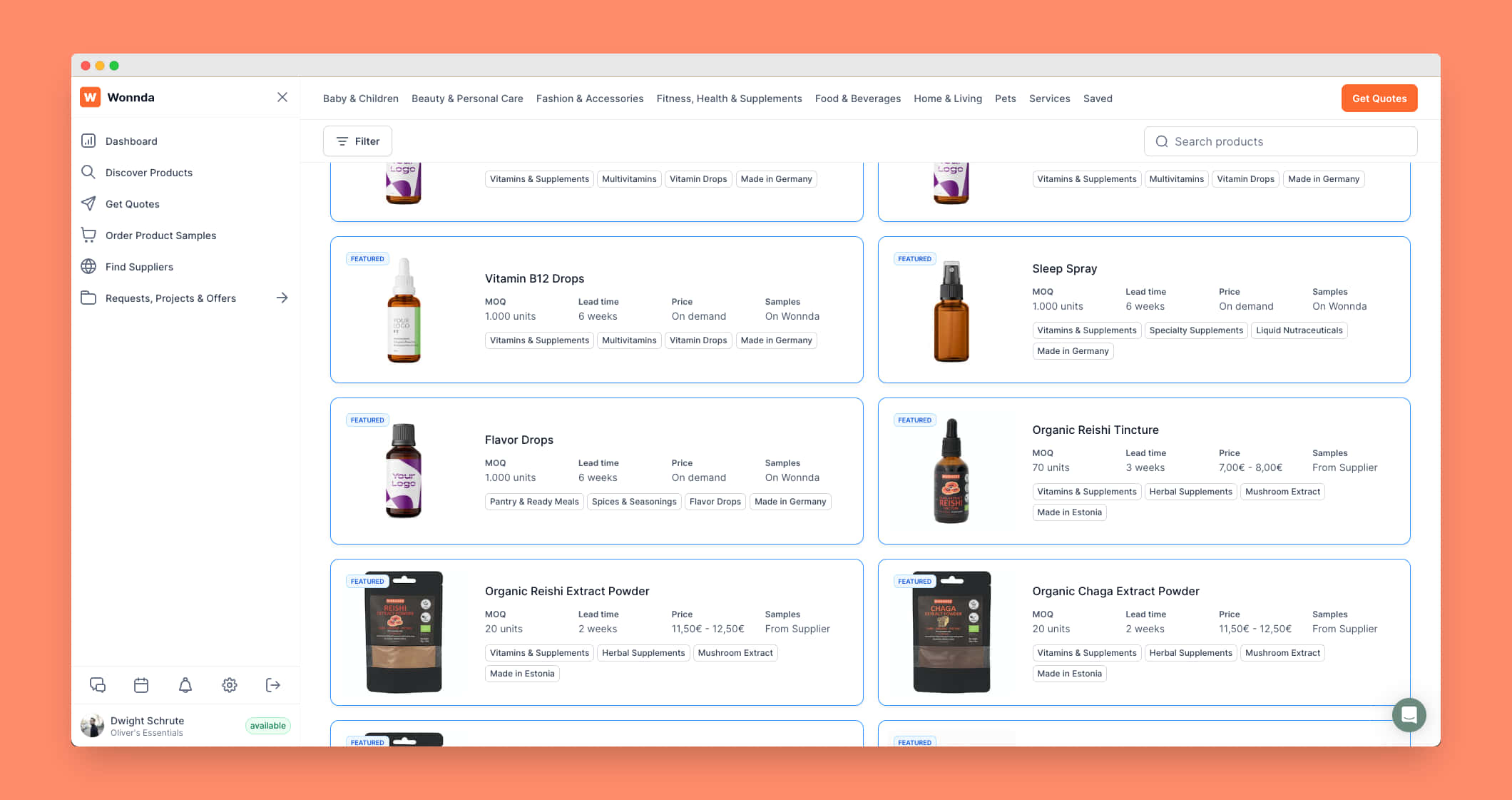
The rise of B2B e-commerce and digital technologies in the food market, will continue to reshape the food industry, boosting the way food is sourced, manufactured, processed, and delivered. These technological advances not only improve efficiency but also help companies address labor shortages and rising costs.
Key Food Tech Innovations:
- B2B food sourcing platforms: The growth of B2B platforms in the food industry will continue to grow. For example, Wonnda, a digital B2B platform for sourcing of FMCG products and suppliers, has a strong presence in the food industry and enables more B2B buyers to connect fully digitally with suppliers and manufacturers instead of purely relying on physical channels such as trade shows.
- AI-powered production lines: Artificial intelligence and robotics will further streamline food production processes, improving both speed and consistency.
- Smart kitchens: Automated cooking appliances, robotic chefs, and IoT-connected devices will allow restaurants and food service providers to reduce costs while enhancing the customer experience.
- Blockchain for food safety: Blockchain technology is being adopted to improve traceability and transparency in the food supply chain, ensuring higher standards of food safety and quality.
For businesses in the food industry, investing in food tech will be critical to stay competitive and meet the growing demand for faster and safer food production.
11. Health and Wellness
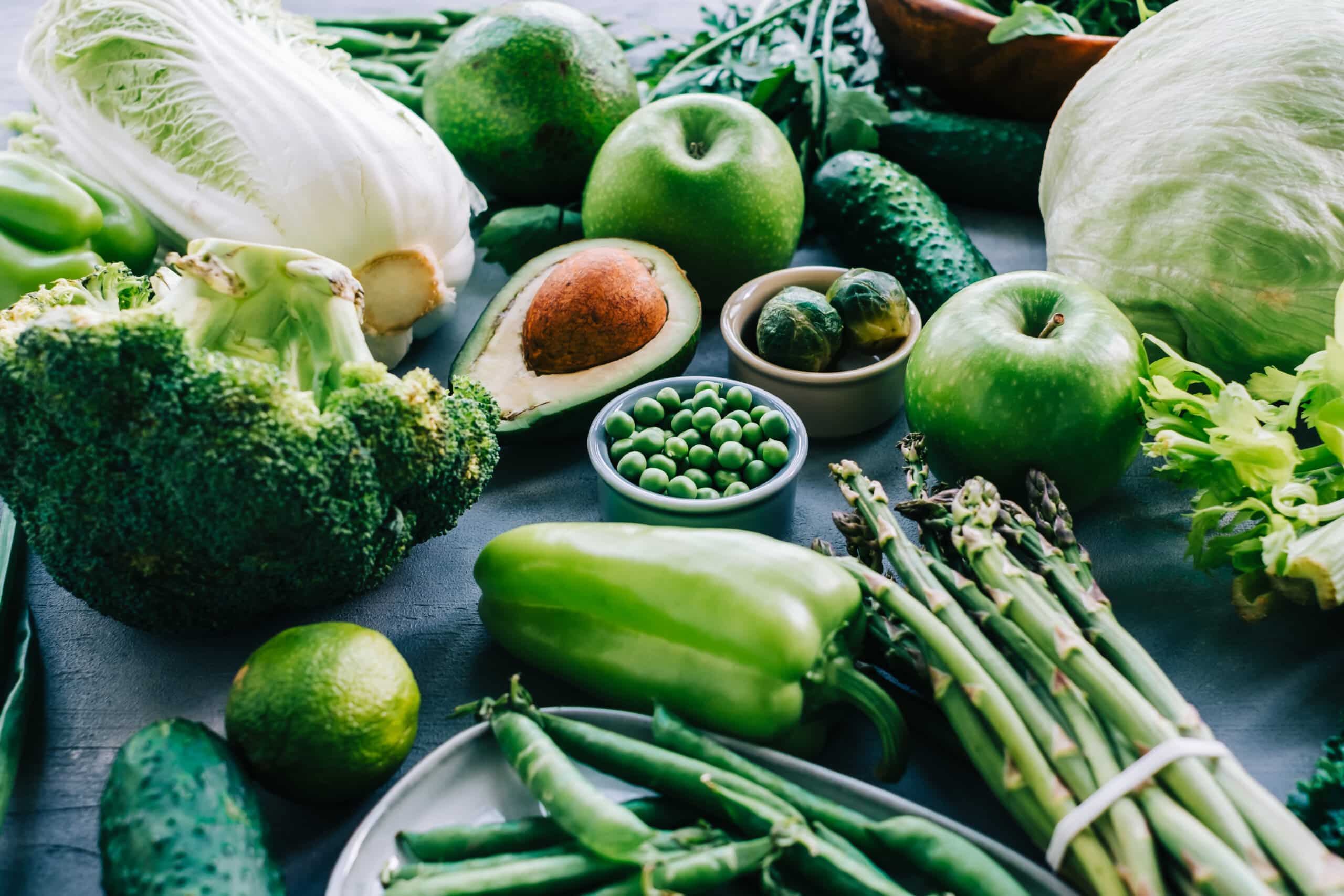
Health-conscious consumers are more informed than ever before, and their desire for foods that support wellness is reshaping product development.
Leading Health and Wellness Trends:
- Immunity-boosting ingredients: Ingredients like elderberry, turmeric, and adaptogens will become more prevalent as consumers look for ways to support their immune systems.
- Mental health foods: Consumers are becoming more aware of the connection between diet and mental health. Foods that promote brain health, such as those rich in omega-3s, antioxidants, and certain vitamins, will be in high demand.
- Low-sugar and keto-friendly options: Sugar-conscious diets and ketogenic products will remain popular as consumers focus on reducing sugar intake and maintaining metabolic health.
For food brands, focusing on functional ingredients and offering products with clear health benefits will be a key way to capture consumer interest in the years to come.
12. Local and Hyper-Local Sourcing

Consumers are increasingly valuing local and hyper-local sourcing, not only for the perceived freshness and quality but also for its positive environmental impact. Brands are increasingly interested in nearshoring their production. The demand for locally sourced ingredients will continue to rise as consumers seek out food that is both sustainable and supports their local economies.
Benefits of Local Sourcing:
- Fresher products: Locally sourced foods tend to be fresher, which appeals to consumers looking for high-quality, minimally processed ingredients.
- Support for local suppliers: Consumers are more interested in supporting small-scale suppliers and reducing the carbon footprint associated with transporting food over long distances.
- Shorter supply chains: Local sourcing can reduce supply chain disruptions, ensuring more stable and reliable access to key ingredients.
For food businesses, it's important to understand the difference between offshoring and nearshoring and what impact this can have on your supply chain. Brands highlighting their commitment to local sourcing can differentiate them in a crowded market and appeal to ethically-minded consumers. Especially when you think about nearshoring to Europe, Wonnda can help you with that.
Conclusion: The Future of Food
The food industry trends for this year highlight the growing demand for sustainability, health-conscious products, and personalized experiences. As consumers become more aware of their choices, the food industry must adapt by embracing new technologies, innovating with plant-based and alternative proteins, and focusing on sustainability across the entire supply chain.
For brands and businesses looking to thrive in this rapidly changing landscape, Wonnda offers the ideal solution for sourcing the right private label food manufacturers and suppliers. With a curated selection of trusted manufacturing partners, you can source, launch, and scale your next product line in the growing food industry.
Related articles

GLP-1 Companion: What It Is, Examples and Why It Matters for Brands

10+ Top Supplement Trends in 2026 (Exclusive Wonnda Data)

PPWR Regulation: What EU Brands Must Do by 2030

White Label Mushroom Coffee: The 2026 Sourcing Guide for Brands
Made in USA Cookware: Why More Brands Are Reshoring Production

10+ Best European Supplement Brands in 2026

10+ Best German Supplement Brands in 2026

Top 5 D2C Trends to Watch for in 2026