
10+ Best Sustainable Packaging Suppliers in Europe (2026 Update)

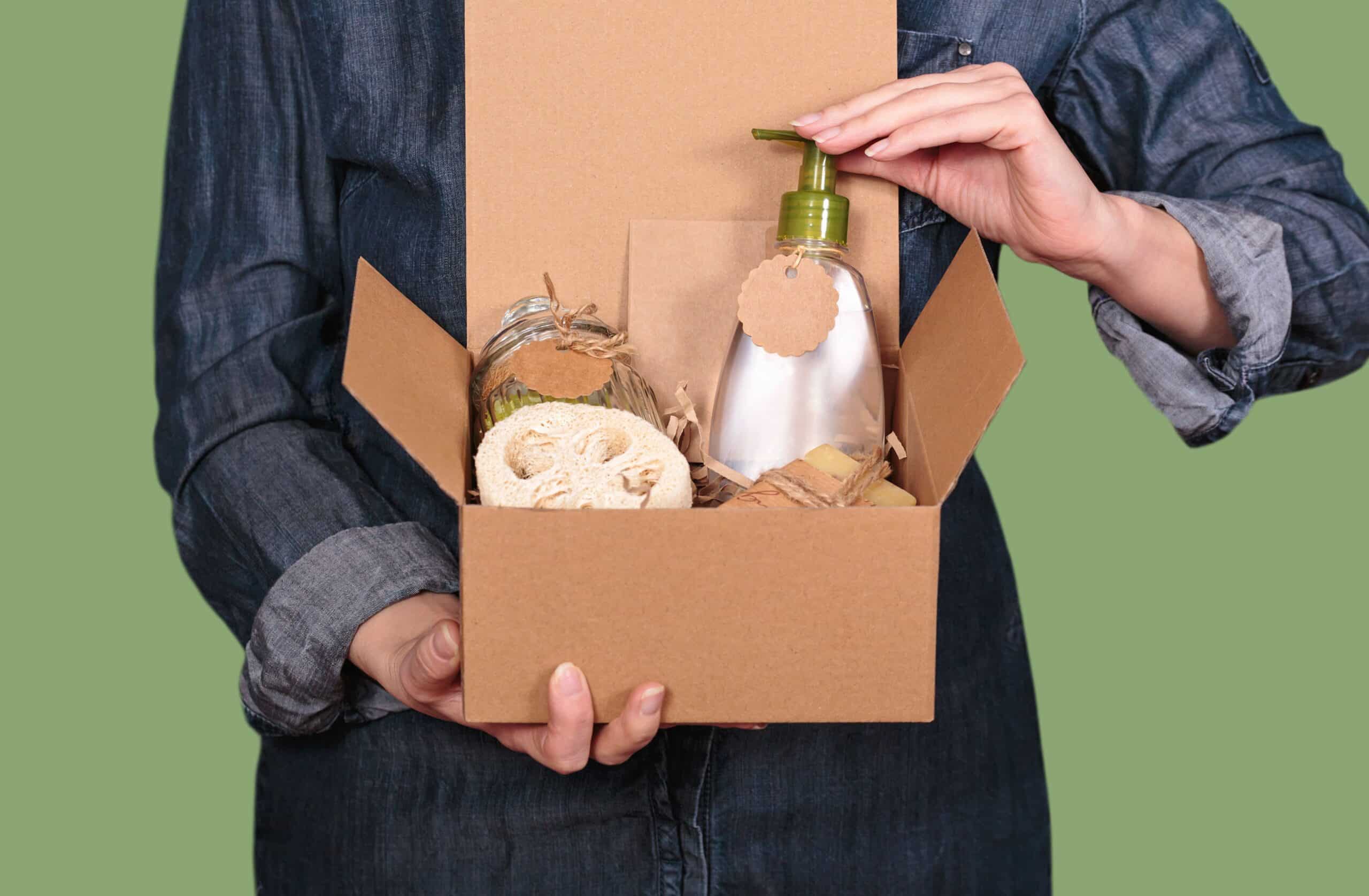
Sustainable packaging is now a baseline requirement for consumer brands selling in Europe. Regulatory pressure from the EU Packaging and Packaging Waste Regulation (PPWR), retailer sustainability mandates, and consumer demand for greener products are all converging. Brands that don’t source sustainable packaging risk losing shelf space, failing compliance audits, and falling behind competitors who already made the switch.
This guide covers the 11 best sustainable packaging suppliers in Europe for 2026, with a detailed comparison of their capabilities, certifications, materials, and ideal use cases. Whether you need recyclable labels and swing tags, compostable flexible packaging, or FSC-certified corrugated boxes, this list will help you shortlist the right partner.
Key Takeaways
- Sustainable packaging spans primary and secondary packaging, including labels, swing tags, boxes, flexible films, paper bags, and inserts. Most brands need multiple solutions, often from different suppliers.
- Certifications matter more than marketing claims. FSC, GOTS, GRS, Oeko-Tex, and OK Compost are the credentials that buyers, retailers, and auditors recognize. Always verify certificate numbers directly.
- Turkey and Southern Europe offer cost-competitive sustainable packaging with certifications matching Western European standards, often at 20-40% lower price points.
- Single-source suppliers reduce complexity. Working with one partner for labels, tags, and secondary packaging simplifies compliance documentation and supply chain management.
- Wonnda connects brands with vetted sustainable packaging suppliers across Europe. Post a free sourcing request to get matched with suppliers that meet your specific sustainability requirements.
What Counts as Sustainable Packaging?
Sustainable packaging is packaging designed to minimize environmental impact across its lifecycle, from raw material sourcing through production, use, and end-of-life disposal. In practice, this means packaging made from one or more of the following: recycled materials (post-consumer or post-industrial), renewable or bio-based materials (FSC-certified paper, plant-based plastics), materials that are recyclable, compostable, or biodegradable at end of life, and materials produced with reduced energy, water, and chemical inputs.
For consumer brands, sustainable packaging typically falls into two categories. Primary packaging is the container that directly holds the product (bottles, jars, tubes, pouches). Secondary packaging is everything around it: labels, swing tags, boxes, inserts, tissue paper, shipping materials. Many brands start their sustainability transition with secondary packaging because it’s easier to switch without reformulating the product itself.
Key Certifications for Sustainable Packaging Suppliers
Not all sustainability claims are equal. These are the certifications that carry weight with retailers, auditors, and informed consumers.
| Certification | What It Verifies | Relevant For |
|---|---|---|
| FSC (Forest Stewardship Council) | Paper and wood from responsibly managed forests | Boxes, swing tags, paper bags, inserts, tissue paper |
| GOTS (Global Organic Textile Standard) | Organic fiber content and processing standards | Cotton labels, organic textile packaging |
| GRS (Global Recycled Standard) | Recycled content verification and chain of custody | Recycled yarn labels, recycled polyester packaging |
| Oeko-Tex Standard 100 | Tested for harmful substances | Labels, trims, and any textile packaging touching skin |
| OK Compost / EN 13432 | Industrial compostability of packaging materials | Flexible films, pouches, food packaging |
| PEFC | Sustainable forest management (alternative to FSC) | Paper-based packaging, corrugated boxes |
| Sedex / SMETA | Ethical trade, labor practices, health and safety | Supplier social compliance (any category) |
| Cradle to Cradle | Circular design, material health, social fairness | Premium sustainable packaging programs |
A supplier holding three or more of these certifications demonstrates a systematic commitment, not just a single product line marketed as “eco.” When evaluating suppliers, ask for certificate numbers and verify them directly with the issuing body.
11 Best Sustainable Packaging Suppliers in Europe
1. Packversum (Germany)
Best for: labels, folding cartons and flexible packaging from one German contact, with no minimum order
Packversum is a German packaging supplier based in Leutkirch im Allgäu that covers primary and secondary packaging, adhesive labels, multilayer labels, folding cartons, pouches, sachets and films through a single contact. That combination is rare: most brands need labels from one vendor and cartons or pouches from another, which means separate approvals, separate artwork rounds and separate documentation for every SKU.
The practical advantage for smaller brands is the order size. Packversum takes projects starting at one unit and scales the same formats up to million-unit volumes, so a launch run and a repeat production order can sit with the same supplier. Lead times run 5-15 days across primary packaging, secondary packaging and labels.
On the compliance side, Packversum provides documentation support for PPWR requirements, which matters for brands selling into EU retail and preparing packaging reporting. Its multilayer labels are built for multilingual content, instructions for use and legal markings where a single-layer label cannot carry the required information. Typical customers are food and beverage brands, gastronomy and hospitality, catering, bakeries, delicatessen, private label and D2C food brands, plus pet food and veterinary products. Label work also extends into cosmetics, chemicals and pharma.
| Location | Leutkirch im Allgäu, Germany |
| Key products | Adhesive labels, multilayer labels, folding cartons, pouches, sachets, films, flexible packaging |
| MOQ | From 1 unit |
| Lead time | 5-15 days |
| Compliance | PPWR documentation support |
| Best for | Food and beverage, hospitality and catering, bakeries, private label and D2C, pet food |
2. Etiteks (Turkey)
Best for: labels, swing tags, and secondary packaging from a single source
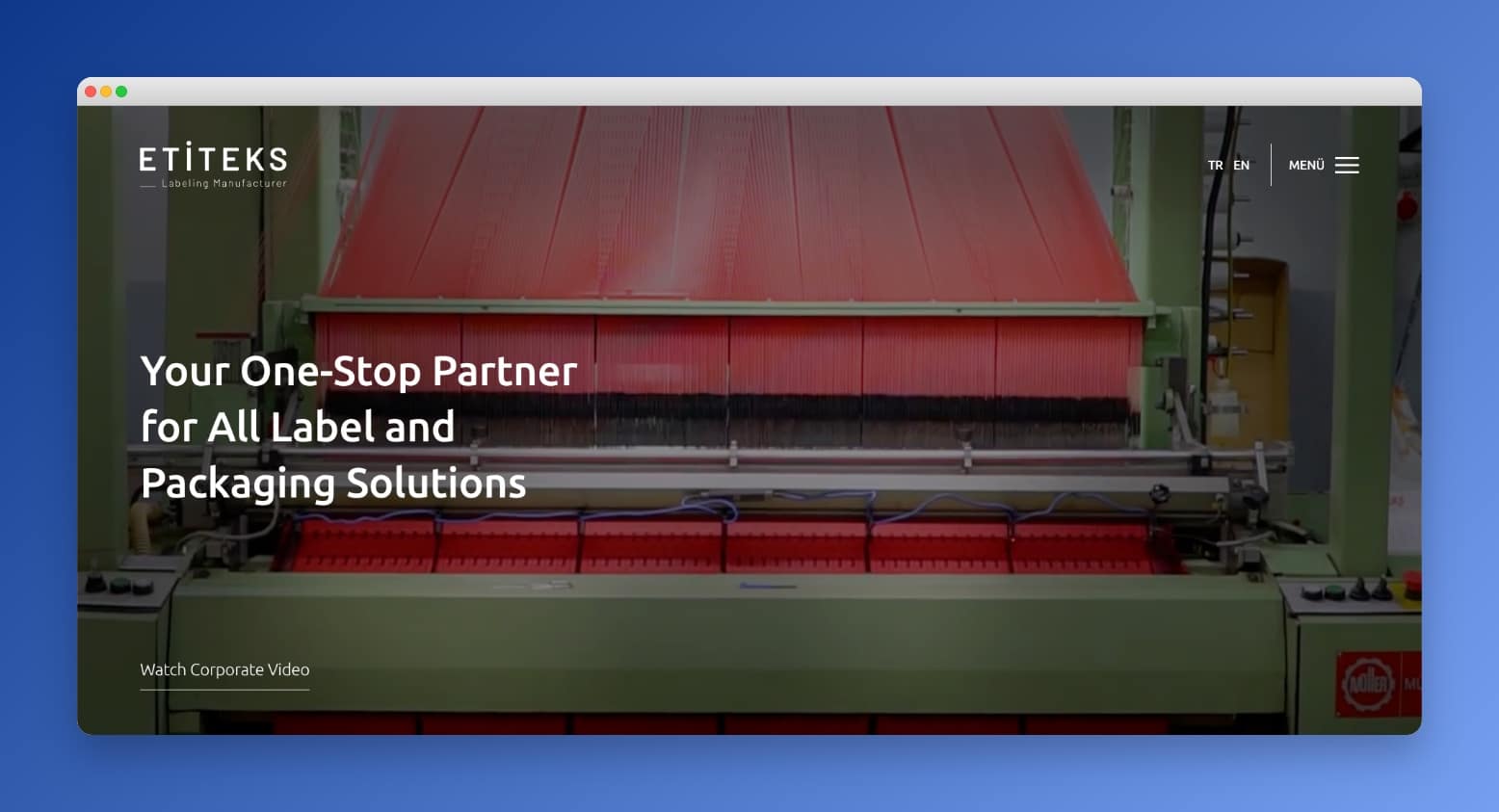
Etiteks is one of Europe’s most comprehensively certified label and packaging manufacturers, operating since 1983 from four production facilities in Istanbul. Recognized as the first certified organic label producer in Turkey, Etiteks holds seven internationally recognized certifications: GOTS, GRS, OCS, RCS, Oeko-Tex, Sedex, and FSC (FSC-C183770).
What makes Etiteks stand out is the breadth of sustainable production already embedded in daily operations. 35% of woven label production uses recycled yarn on Swiss-made Muller looms. 50% of care label fabric is recycled satin, printed on UK-sourced Focus machines. For swing tags and packaging, 45% of paper is FSC-certified and recycled, printed on German Heidelberg presses. All these ratios are actively increasing.
With a combined capacity of 40 million units per month and exports to over 60 countries, Etiteks is positioned for medium-to-large volume orders. The single-source model (woven labels + care labels + swing tags + secondary packaging under one roof) is a genuine advantage for brands looking to simplify their sustainable supply chain.
| Location | Istanbul, Turkey (4 facilities) |
| Certifications | Suppliers of materials and sub-contractors hold relevant such as GOTS, GRS, OCS, RCS, Oeko-Tex, Sedex, FSC, etc. |
| Key products | Woven labels, care labels, swing tags, branded boxes, tissue paper, stickers |
| Recycled content | 35-50% across product lines (increasing) |
| Monthly capacity | 40 million units |
| Best for | Fashion, beauty, sportswear, home textiles |
3. Mondi Group (Austria)
Best for: corrugated packaging, flexible packaging, and industrial-scale paper solutions
Mondi is a global leader in packaging and paper with deep expertise in sustainable innovation. Their Sustainex portfolio includes biodegradable, compostable, and recyclable materials across corrugated packaging, flexible films, specialty kraft paper, and industrial bags. Mondi operates at massive scale, serving FMCG, e-commerce, food, and industrial sectors. For brands needing paper-based corrugated solutions, Mondi’s engineering and R&D resources are hard to match. They hold FSC and PEFC certifications across their paper mills and have committed to making 100% of their packaging reusable, recyclable, or compostable by 2025.
| Location | Vienna, Austria (global operations) |
| Certifications | FSC, PEFC, OK Compost (select products) |
| Key products | Corrugated boxes, flexible films, kraft paper, industrial bags |
| Best for | FMCG, food, e-commerce, industrial |
4. Stora Enso (Finland)
Best for: fiber-based packaging, bio-based materials, and replacing plastic with renewable alternatives
Stora Enso is a Finnish-Swedish company pioneering the shift from fossil-based packaging to renewable, fiber-based solutions. Their product range covers formed fiber packaging (replacing plastic trays), barrier-coated boards for food contact, and lightweight corrugated materials. Stora Enso invests heavily in biomaterials research, making them a strong partner for brands with aggressive sustainability roadmaps. They supply packaging boards used by some of the world’s largest food and beverage companies, and their pulp mills hold both FSC and PEFC certifications.
| Location | Helsinki, Finland (global operations) |
| Certifications | FSC, PEFC, ISO 14001 |
| Key products | Packaging boards, formed fiber, barrier coatings, biomaterials |
| Best for | Food and beverage, consumer goods, luxury packaging |
5. DS Smith (United Kingdom)
Best for: circular corrugated packaging and e-commerce shipping solutions
DS Smith is a UK-based leader in corrugated packaging with a strong circular economy focus. Their approach centers on designing packaging that can be recycled and re-enter the supply chain within 14 days. DS Smith’s packaging design tools help brands optimize box sizes to reduce void fill and shipping emissions. They serve retail, e-commerce, food, and industrial clients across Europe, and their recycling operations process millions of tonnes of recyclable materials annually.
| Location | London, United Kingdom (European operations) |
| Certifications | FSC, PEFC, ISO 14001 |
| Key products | Corrugated boxes, e-commerce packaging, retail-ready packaging, void fill |
| Best for | E-commerce, retail, FMCG |
6. Smurfit Westrock (Ireland)
Best for: paper-based packaging at global scale with strong European presence
Following the merger of Smurfit Kappa and WestRock, Smurfit Westrock is one of the world’s largest integrated paper and packaging companies. They offer corrugated containers, consumer packaging, bag-in-box solutions, and specialty paper products. Their European operations span dozens of mills and conversion plants, giving brands access to a massive production network. Smurfit Westrock focuses on reducing the weight and material content of packaging while maintaining structural integrity and brand presentation quality.
| Location | Dublin, Ireland (global operations) |
| Certifications | FSC, PEFC, SFI |
| Key products | Corrugated containers, consumer packaging, bag-in-box, specialty papers |
| Best for | FMCG, food and beverage, e-commerce, industrial |
7. PERA Label & Packaging (Turkey)
Best for: premium printed packaging for cosmetics and specialty retail
PERA Label & Packaging is an Istanbul-based printing specialist with over 18 years of experience serving European and UK brands. They focus on premium packaging solutions with strong color management and design-to-delivery service. PERA is particularly well-suited for cosmetics, bakery, and specialty retail packaging where visual presentation and print quality are critical. Their sustainability efforts focus on responsible material sourcing and waste reduction in the printing process.
| Location | Istanbul, Turkey |
| Certifications | FSC (select products) |
| Key products | Printed boxes, labels, cosmetic packaging, food packaging |
| Best for | Cosmetics, bakery, specialty retail |
8. Huhtamaki (Finland)
Best for: food-safe sustainable packaging and fiber-based foodservice solutions
Huhtamaki is a Finnish packaging company specializing in food-contact packaging solutions. Their product range includes smooth molded fiber packaging (replacing plastic trays for fresh produce and protein), fiber-based cups, and flexible packaging with barrier properties. Huhtamaki invests in fiber-based innovation as an alternative to single-use plastics, and their blueloop platform provides recyclable and compostable packaging for foodservice applications.
| Location | Espoo, Finland (global operations) |
| Certifications | FSC, PEFC, OK Compost (select products) |
| Key products | Molded fiber packaging, foodservice containers, flexible packaging |
| Best for | Food and beverage, foodservice, fresh produce |
9. The Brand Company (Spain)
Best for: sustainable promotional packaging and event supplies
The Brand Company specializes in customizable sustainable products for events, hospitality, and promotional use. Their range includes personalized water bottles, glass bottles, tote bags, backpacks, and paper cups. While their focus is narrower than industrial packaging suppliers, they fill an important niche for brands needing sustainable branded merchandise and event packaging with consistent quality and creative customization options.
| Location | Spain |
| Certifications | Varies by product line |
| Key products | Branded bottles, tote bags, paper cups, promotional packaging |
| Best for | Events, hospitality, promotional campaigns |
10. Paptic (Finland)
Best for: innovative wood-fiber material replacing plastic films and bags
Paptic is a Finnish material innovation company that has developed a wood-fiber-based packaging material designed to replace plastic in applications like bags, wrapping, and flexible packaging. Their Paptic material looks and feels like fabric, is recyclable in paper streams, and biodegrades in nature. Paptic partners with converters across Europe to produce finished packaging products, making them a strong option for brands looking for a true plastic-replacement material with a compelling tactile experience.
| Location | Espoo, Finland |
| Certifications | FSC-compatible, recyclable in paper streams |
| Key products | Flexible packaging material, bags, wrapping, e-commerce mailers |
| Best for | Fashion, luxury, e-commerce (plastic replacement) |
11. Vegware (United Kingdom)
Best for: fully compostable foodservice packaging
Vegware is a UK-based company producing entirely plant-based, compostable foodservice packaging. Their range covers cups, containers, cutlery, bags, and napkins, all designed for commercial composting. Vegware also runs a composting collection service in select markets, closing the loop on their packaging lifecycle. For food brands, restaurants, and catering companies committed to zero-waste goals, Vegware provides a straightforward solution.
| Location | Edinburgh, United Kingdom |
| Certifications | OK Compost, EN 13432, FSC |
| Key products | Compostable cups, containers, cutlery, bags, napkins |
| Best for | Foodservice, catering, restaurants, events |
Comparison Table: Sustainable Packaging Suppliers at a Glance
| Supplier | Country | Primary Focus | Key Certs | Best For |
|---|---|---|---|---|
| Packversum | Germany | Labels, folding cartons, pouches, flexible packaging | PPWR documentation support | Food, hospitality, private label, pet food |
| Etiteks | Turkey | Labels, swing tags, secondary packaging | GOTS, GRS, OCS, RCS, Oeko-Tex, Sedex, FSC | Fashion, beauty, sportswear |
| Mondi Group | Austria | Corrugated, flexible films, kraft paper | FSC, PEFC, OK Compost | FMCG, food, e-commerce |
| Stora Enso | Finland | Fiber-based packaging, biomaterials | FSC, PEFC, ISO 14001 | Food & beverage, consumer goods |
| DS Smith | UK | Corrugated, e-commerce packaging | FSC, PEFC, ISO 14001 | E-commerce, retail, FMCG |
| Smurfit Westrock | Ireland | Corrugated, consumer packaging | FSC, PEFC, SFI | FMCG, food & beverage |
| PERA Label | Turkey | Printed boxes, cosmetic packaging | FSC (select) | Cosmetics, bakery, retail |
| Huhtamaki | Finland | Molded fiber, foodservice packaging | FSC, PEFC, OK Compost | Food, foodservice, produce |
| The Brand Co. | Spain | Promotional and event packaging | Varies | Events, hospitality |
| Paptic | Finland | Wood-fiber plastic replacement | FSC-compatible | Fashion, luxury, e-commerce |
| Vegware | UK | Compostable foodservice packaging | OK Compost, EN 13432, FSC | Foodservice, catering |
How to Choose the Right Sustainable Packaging Supplier
Choosing a sustainable packaging supplier is a sourcing decision, not a branding exercise. Use these criteria to evaluate potential partners systematically.
1. Match the supplier to your packaging type
Not every sustainable packaging supplier covers every product category. Etiteks specializes in labels, swing tags, and secondary packaging. Mondi and DS Smith dominate corrugated boxes. Vegware and Huhtamaki focus on foodservice. Define your packaging needs first, then shortlist suppliers who specialize in those specific formats.
2. Verify certifications independently
Ask for certificate numbers and check them against the FSC public database, the GOTS public directory, or the relevant certification body’s website. Expired or unverifiable certifications are a red flag. A supplier with three current, verified certifications is more trustworthy than one claiming five without documentation.
3. Assess recycled and sustainable content as a percentage
The best suppliers can give you exact numbers. Etiteks, for example, reports 35% recycled yarn in woven labels, 50% recycled satin in care labels, and 45% recycled paper in swing tags, with a clear upward trajectory. Ask for the same specificity from any supplier you evaluate. Vague claims like “we offer eco options” are not enough.
4. Evaluate supply chain transparency
Partner with suppliers who can trace materials from raw input to finished packaging. This is critical for brands pursuing B Corp certification, preparing for the EU Digital Product Passport, or simply wanting to back up their sustainability claims with verifiable data. Suppliers with Sedex/SMETA audits add an additional layer of ethical sourcing credibility.
5. Consider single-source vs. multi-vendor
If you need labels, swing tags, and secondary packaging, sourcing from one certified supplier simplifies compliance documentation, reduces shipping emissions, and cuts procurement overhead. Multi-vendor setups require separate audits, separate certification verification, and more complex inventory management. For brands at the start of their sustainability journey, a single-source partner like Etiteks can significantly reduce complexity.
6. Balance cost, quality, and sustainability
Turkey-based manufacturers often offer 20-40% cost advantages over Western European suppliers while maintaining equivalent certifications and quality standards. This is not a compromise; it’s a structural cost benefit from lower production costs combined with genuine investment in modern European machinery and international certifications. Always request samples before committing to volume orders to verify print quality, material feel, and durability.
Common Mistakes When Sourcing Sustainable Packaging
Confusing “recyclable” with “recycled.” A package made from virgin materials that can theoretically be recycled is not the same as one made from recycled inputs. Retailers and certification bodies increasingly want to see recycled content, not just recyclability potential.
Ignoring secondary packaging. Many brands invest in sustainable primary packaging while using conventional labels, swing tags, and shipping materials. For a credible sustainability story, every customer touchpoint needs to align.
Choosing the cheapest “green” option without verification. Greenwashing in packaging is real. Unverified claims, expired certificates, and marketing-only sustainability programs are common. Due diligence protects your brand reputation and keeps you compliant with emerging anti-greenwashing regulations in the EU.
Overcomplicating the supply chain. Working with five different sustainable packaging suppliers across different countries creates coordination overhead, multiple audit requirements, and fragmented compliance documentation. Consolidate where possible.
Not planning for scale. A sustainable packaging supplier that works for your first 10,000 units may not have the capacity for 500,000. Confirm production capacity and lead times at your projected volumes before committing. Suppliers like Etiteks (40 million units/month) and Mondi (global industrial scale) can grow with you.
Find Sustainable Packaging Suppliers on Wonnda
Wonnda connects brands with vetted sustainable packaging suppliers across Europe, Turkey, and beyond. Post a free sourcing request to describe your packaging needs, sustainability requirements, and target volumes, then get matched with suppliers who fit your brief. Browse verified supplier profiles, compare certifications and capabilities, and manage your sourcing process from discovery to project, all in one platform.
Post your requirements and get matched with sustainable packaging suppliers.
Frequently Asked Questions
What is the most sustainable packaging material?
There is no single “most sustainable” material. The best choice depends on your product, supply chain, and end-of-life infrastructure. FSC-certified paper and recycled cardboard are strong options for boxes and tags. Recycled polyester yarn works well for textile labels. Compostable bio-plastics suit food packaging where composting infrastructure exists. The key is matching the material to the application and ensuring verifiable certifications.
How much more expensive is sustainable packaging?
The premium varies by material and supplier. Recycled paper packaging is often price-neutral or very close to conventional options. Recycled yarn for labels may carry a 5-15% premium, though this gap is narrowing as recycling infrastructure scales. Turkey-based suppliers like Etiteks can offset material premiums with lower production costs, making certified sustainable packaging accessible for brands at various price points.
What certifications should I prioritize for sustainable packaging?
For paper-based packaging (boxes, tags, inserts): FSC or PEFC. For textile-based packaging (labels, fabric bags): GOTS and GRS. For chemical safety: Oeko-Tex Standard 100. For compostable packaging: OK Compost or EN 13432. For ethical sourcing: Sedex/SMETA. A supplier holding multiple certifications across these categories signals comprehensive sustainability practices.
Can I source all my sustainable packaging from one supplier?
For secondary packaging (labels, tags, boxes, inserts), yes. Single-source suppliers like Etiteks cover woven labels, care labels, swing tags, and branded packaging under one set of certifications. For primary packaging (bottles, jars, tubes), you will typically need a separate specialist. The advantage of consolidating secondary packaging with one supplier is simpler compliance documentation, fewer audits, and lower logistics costs.
How do I verify a supplier’s sustainability claims?
Ask for certificate numbers and check them directly on the issuing body’s public database (FSC certificate checker, GOTS public directory, etc.). Request data on what percentage of production uses recycled or certified materials. Review Sedex/SMETA audit reports for ethical compliance. Visit the facility or request a virtual tour if possible. Suppliers who are transparent about their numbers are typically the ones with genuine programs.
What EU regulations affect sustainable packaging in 2026?
The EU Packaging and Packaging Waste Regulation (PPWR) introduces mandatory recycled content targets, restrictions on certain single-use packaging formats, and requirements for packaging to be recyclable by design. The EU Green Claims Directive requires substantiation of environmental claims with verifiable evidence, making certified suppliers essential. The upcoming Digital Product Passport will require traceable supply chain data, including packaging materials. Brands selling in the EU should factor these requirements into their supplier selection now.
Related articles

10+ Best Doypack Suppliers in Europe (2026 List)
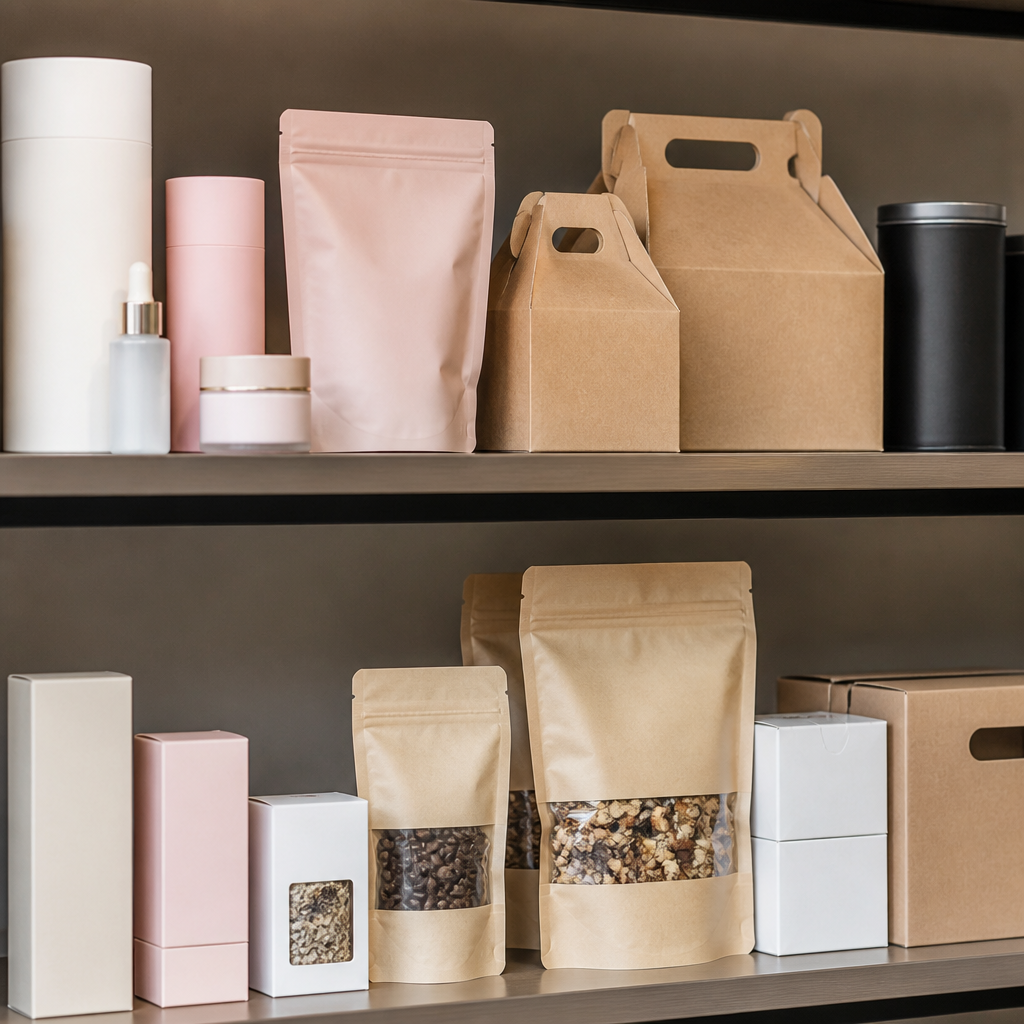
10+ Best European Packaging Suppliers in 2026

Stainless Steel Cookware Manufacturing: Materials, Processes, and What Buyers Should Know
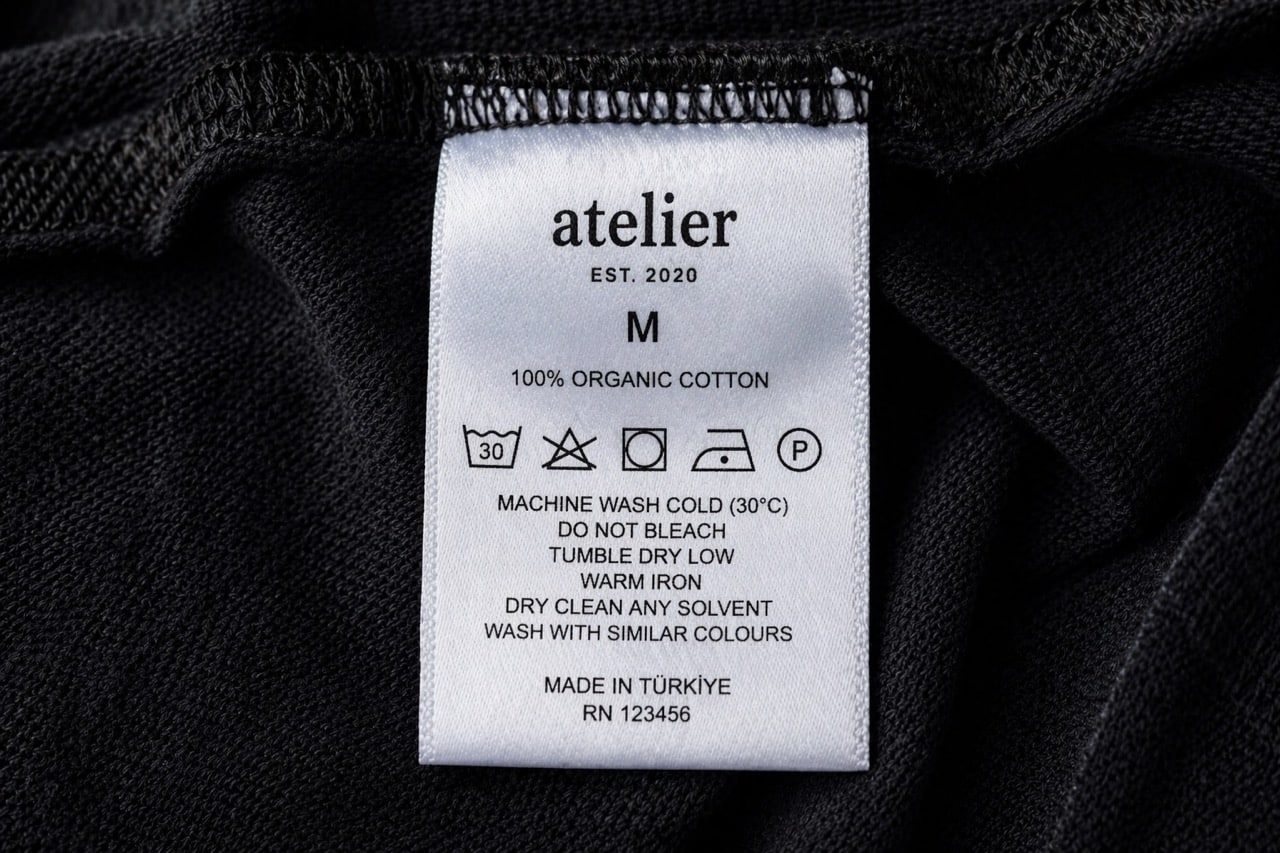
Best Care Label Manufacturers and Wash Label Suppliers (2026)
10+ Best Woven Label Manufacturers in Europe and Turkey (2026)
The Complete Guide to Sustainable Textile Labels and Certifications (2026)
Clothing Label Requirements in Europe: What Fashion Brands Must Include (2026)
Best Sustainable Label Manufacturers for Eco-Conscious Brands (2026)