Functional Food: Definition, Examples & Manufacturers

Key Takeaways:
- Functional foods provide health benefits beyond basic nutrition — such as boosting immunity, improving digestion, or enhancing energy.
- Common examples include probiotic yogurt, omega-3 fortified drinks, collagen snacks, and vitamin-enriched cereals.
- Finding the right manufacturer is key to ensuring safety, compliance, and quality in functional food production. Platforms like Wonnda help brands connect with trusted suppliers in Europe and the U.S.
What Is Functional Food?
Functional food refers to any food or beverage that offers additional health benefits beyond its basic nutritional value. These products are designed not only to nourish but also to support specific functions of the body like gut health, immunity, mental focus, or skin health.
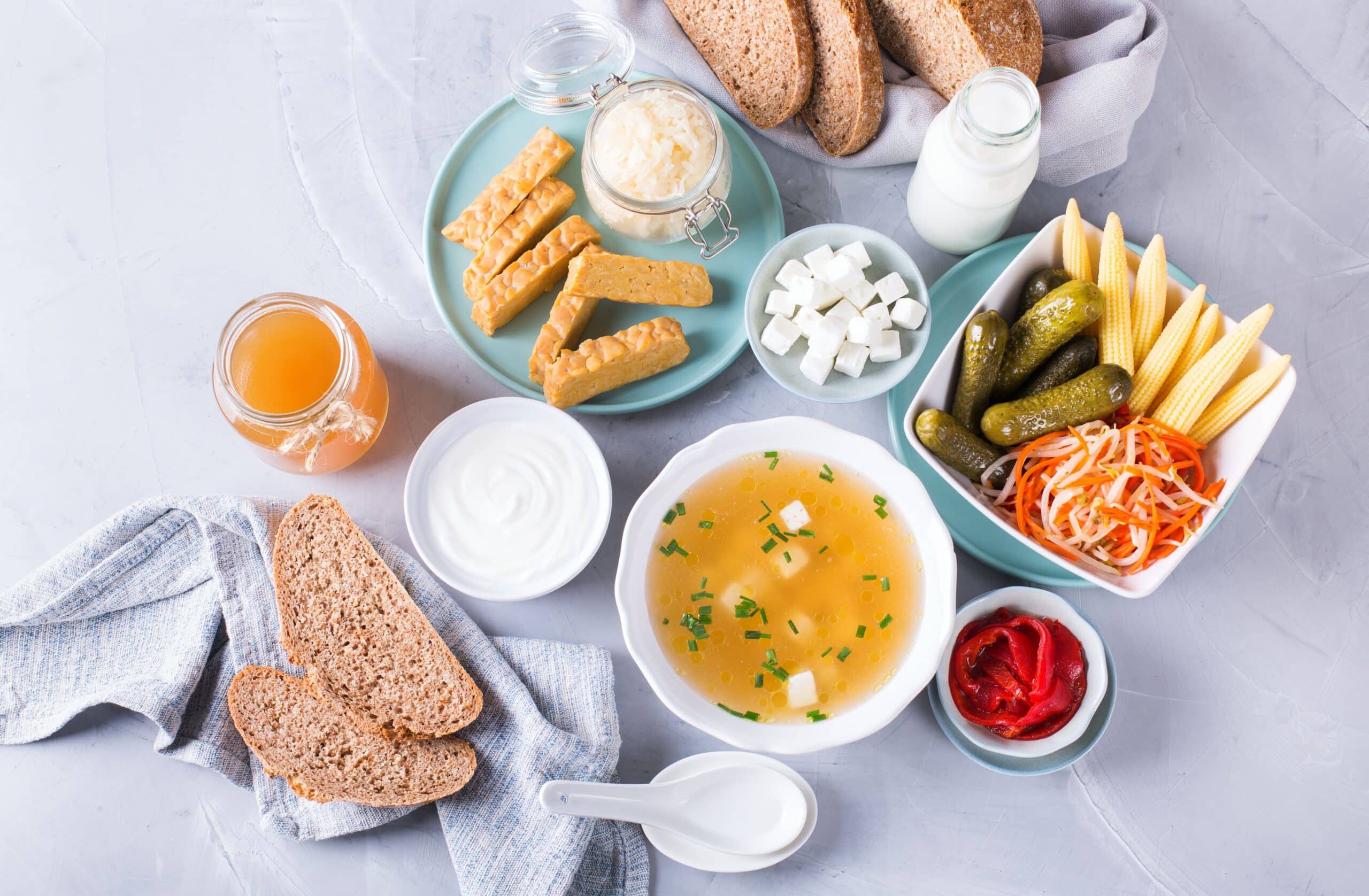
Unlike supplements, functional foods are consumed as part of a regular diet. The added ingredients may include vitamins, minerals, fiber, probiotics, antioxidants, herbs, or proteins. Some are naturally rich in these compounds, while others are fortified or enhanced during production.
As consumers become more health-conscious and proactive about wellness, the demand for functional foods continues to grow, especially in categories like snacks, beverages, dairy alternatives, and convenience meals.
Functional Food vs. Conventional Food
The key difference between functional foods and conventional foods lies in their purpose and formulation. While both supply essential nutrients like carbohydrates, proteins, fats, vitamins, and minerals, functional foods go a step further by offering specific health benefits beyond basic nutrition.
Conventional foods focus on keeping you nourished and energized. Functional foods are designed with a clear wellness goal in mind, such as improving digestion, enhancing immunity, supporting brain health, or promoting better skin. These products often include added functional ingredients like probiotics, fiber, collagen, vitamins, herbs, or antioxidants.
Essentially, functional foods are formulated to address specific health goals, which makes them attractive to consumers who are proactive about their well-being. They also often come with clear marketing claims, such as:
- “Supports immunity”
- “With added probiotics”
- “High in antioxidants”
- “Energy + focus”
- “Skin and hair support with collagen”
That said, functional foods must also meet regulatory standards to ensure that any health claims are truthful and supported by science. This is especially important in regions like the European Union, where EFSA regulates health claims, and the U.S., where products must comply with FDA labeling rules.
Examples of Functional Foods
Functional foods can be found almost everywhere in the grocery store. Some are naturally healthy, while others are regular foods that have been improved with extra nutrients. Whether you want to boost your digestion, energy, immune system, or skin, there’s likely a functional food made to help with that.
Here are some common and emerging examples of functional foods, organized by category:
Dairy and Plant-Based Products
- Yogurt with probiotics – One of the most well-known functional foods, probiotic yogurts support gut health by introducing live beneficial bacteria to the digestive system.
- Milk or plant-based milks with calcium and vitamin D – These products help maintain bone strength and are essential for populations with dietary restrictions, like vegans or those with lactose intolerance.
- Cheese with added B vitamins – Fortified cheeses contribute to energy metabolism and support the nervous system, especially helpful for older adults or people with restricted diets.
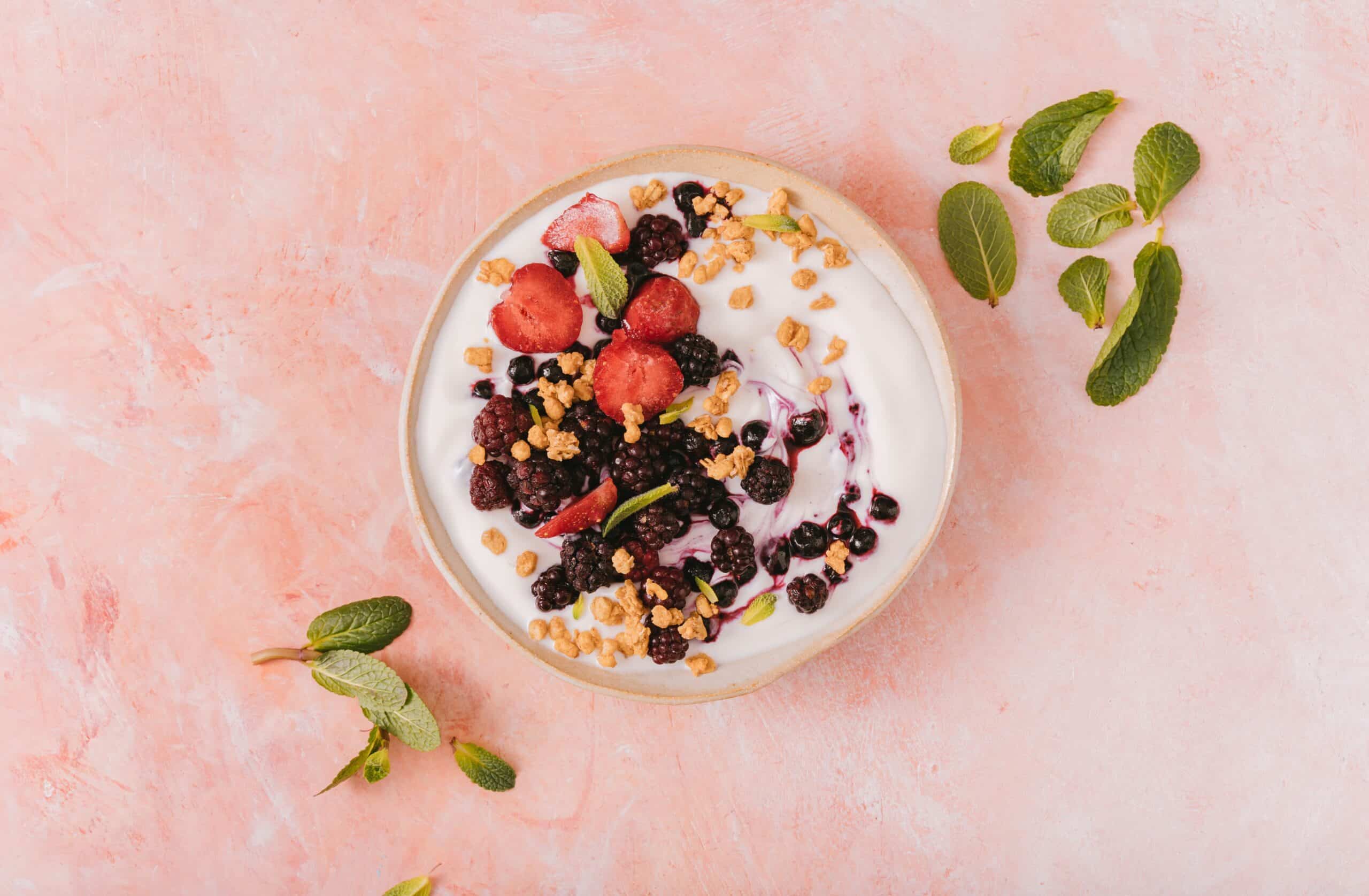
Yoghurt with probiotics.
Beverages
- Vitamin waters and functional shots – Often enriched with B-complex vitamins, vitamin C, zinc, or magnesium to support immunity, energy, or hydration.
- Collagen drinks – These support skin elasticity, joint health, and hair strength. Some also include hyaluronic acid or biotin for added skin benefits.
- Adaptogen-infused teas – Herbal teas containing ingredients like ashwagandha, rhodiola, or holy basil aim to reduce stress, improve focus, and balance hormones.
- Electrolyte beverages – Formulated to restore minerals like sodium, potassium, and magnesium, they’re ideal for hydration during workouts, travel, or illness.
Snacks and Convenience Foods
- Protein bars or balls – These offer a quick source of plant-based or whey protein, often enhanced with superfoods, probiotics, or nootropics for added function.
- High-fiber granola or baked goods – Made with ingredients like flaxseed, oats, or chicory root fiber, these snacks promote digestive health and satiety.
- Functional chips or crackers – Brands are now using ingredients like pea protein, lentil flour, or kale to create crunchy snacks with extra nutrition and less empty calories.
Cereals and Grains
- Fortified breakfast cereals – Many cereals are enriched with iron, folic acid, vitamin B12, and zinc — nutrients especially important for children, women, and vegetarians.
- Prebiotic oats and fiber-rich muesli – These support a healthy gut microbiome and are often combined with seeds, dried fruit, or adaptogenic powders.
- Rice cakes with added minerals – Lightweight and versatile, rice cakes now come fortified with magnesium, zinc, or protein to increase their health value.
Functional Ingredients
- Omega-3 fatty acids – Found in foods like flaxseed, chia, hemp, and fish oil, omega-3s are known to support heart health, brain function, and reduce inflammation.
- Antioxidant-rich superfoods – Berries, cacao, matcha, and green tea are high in polyphenols, which help combat oxidative stress and aging.
- Plant-based proteins and adaptogens – Functional ingredients like spirulina (a complete protein), maca root (for energy and mood), or turmeric (for inflammation) are now found in everything from drinks to desserts.
- Herbal extracts – Ashwagandha, ginseng, reishi, and cordyceps are becoming mainstream for their potential stress-reducing, energizing, and immune-supporting effects.
Who Buys Functional Foods?
Functional foods aren’t just for a small group of health-conscious shoppers anymore - they’ve become part of everyday life for many people. These types of foods are now popular with a wide range of consumers, no matter their age, lifestyle, or diet.
Millennials and Gen Z are leading this shift. They care about their health and are willing to pay more for food and drinks that offer extra benefits. Whether it’s kombucha for gut health, a protein smoothie for recovery, or a matcha drink to stay focused, they want products that are convenient, functional, and made with simple, clean ingredients. Many also prefer plant-based options that are low in sugar.
Parents are also big buyers of functional foods. With more focus on kids’ nutrition, they’re choosing snacks, cereals, and yogurts that are packed with good nutrients. These products help improve children’s diets without giving up on taste or fun packaging.
Athletes and active people turn to functional products to stay strong, hydrated, and energized. Items like protein bars, electrolyte drinks, and collagen snacks are made to help with performance and recovery before, during, and after workouts.

A group of active people.
Older adults often use functional foods to support their health as they age. Many look for products that help with heart health, strong bones, joint care, or the immune system. Things like calcium-rich drinks, fiber-packed foods, or omega-3 snacks are common choices.
Even busy professionals or people recovering from illness are reaching for functional foods that give them energy, support digestion, or help manage stress - all in an easy, food-based format instead of supplements or pills.
How to Find Functional Food Manufacturers
Launching a functional food product starts with a strong idea but turning that idea into a finished product requires the right manufacturing partner. Functional foods often involve complex ingredients, targeted health benefits, and strict regulatory compliance. That’s why it’s essential to work with a manufacturer who understands both food science and functional formulation.
The ideal partner should offer more than just production - they should help ensure your product is safe, stable, compliant, and effective.
Here’s what to look for in a functional food manufacturer:
Ingredient sourcing and certifications
You’ll need a supplier who works with trusted ingredient sources and can provide documentation for certifications like USDA Organic, EU Organic, Vegan, Non-GMO, Gluten-Free, or Fair Trade. Quality and traceability matter, especially when consumers are looking for clean-label, ethically produced foods.
Understanding of functional formulation
Functional ingredients like probiotics, collagen, or botanicals can be sensitive to heat, pH levels, or oxygen exposure. A qualified manufacturer should know how to protect the integrity of these ingredients, maintain shelf life, and preserve taste and texture.
Knowledge of local regulations
Functional foods often carry health or wellness claims, so the manufacturer must understand relevant food laws. That includes FDA labeling rules in the U.S. or EFSA guidelines in Europe, especially for nutritional panels, ingredient declarations, allergen labeling, and permitted claims.
Specialized capabilities
Not all factories are equipped to handle functional products. If you’re producing gut-friendly snacks, high-protein foods, adaptogen-infused drinks, or vitamin-enriched gummies, you’ll need a partner with experience and equipment suited to those formats including knowledge of gluten-free, keto, vegan, or allergen-safe production lines.
Custom formulation or private label support
Depending on your goals, you may want a manufacturer who offers custom R&D services or one with ready-made private label products. Many manufacturers now offer flexible solutions that allow you to start small, test the market, and scale production when ready.
This is where Wonnda comes in.
Wonnda is a modern product sourcing platform that helps consumer brands connect directly with vetted functional food manufacturers instead of spending weeks on research or trade show outreach, you can search for suppliers by:
- Product category (bars, beverages, gummies, baked goods, etc.)
- Functional ingredient expertise (collagen, adaptogens, protein, fiber)
- Certifications (organic, kosher, halal, non-GMO, etc.)
- Packaging formats and production methods
- Minimum order quantities and R&D capabilities
Through one central dashboard, you can send quote requests, upload your product brief, request samples, compare offers, and track production - all in one place.
Functional Food Manufacturers
BASF - Headquarters in Germany
BASF is a global leader in chemical production and advanced materials, with a strong footprint in the nutrition and health industries. Through its Human Nutrition division, BASF provides science-backed ingredients and solutions that support the development of functional food and beverage products around the world.
From omega-3 fatty acids and plant sterols to vitamin premixes and bioactive compounds, BASF helps food manufacturers create products that go beyond basic nutrition targeting areas like heart health, immune support, brain function, and healthy aging. Their deep expertise in formulation, regulatory support, and ingredient stability makes them a trusted partner for brands developing clean-label, fortified, or wellness-focused foods.
General Mills - U.S.
General Mills is one of the world’s leading food companies, known for its broad portfolio of trusted brands such as Cheerios, Nature Valley, and Yoplait. With a strong focus on innovation and consumer wellness, General Mills plays a key role in making functional foods more accessible to the mainstream market.
Many of the company’s products are developed with specific health benefits in mind, from whole grain cereals fortified with vitamins and minerals, to probiotic-rich yogurts, high-protein snacks, and fiber-enriched bars that support digestive health. Through ongoing R&D, General Mills continues to explore ways to incorporate functional ingredients like omega-3s, prebiotics, and plant-based proteins into everyday foods.
Arla Foods amba - Denmark
Arla Foods USA is part of Arla Foods, one of the largest organic and farmer-owned dairy cooperatives in the world. Known for its commitment to clean-label and minimally processed products, Arla is a trusted name in delivering nutrient-rich dairy options that align with the growing demand for functional food.
Arla’s product range includes high-protein cheeses, lactose-free dairy, and naturally calcium-rich yogurts, many of which support bone health, digestion, and muscle recovery. With no artificial ingredients or additives, Arla focuses on bringing functional benefits through natural nutrition, making its offerings ideal for health-conscious consumers.
Brandsparkle - Poland
Brandsparkle is specializing in private label and white label solutions for food, supplements, and wellness products. With a strong focus on innovation, Brandsparkle helps companies bring functional food products to life, from concept and formulation to manufacturing and packaging.
Their expertise includes developing health-focused beverages, functional snacks, vitamin-enriched foods, and plant-based alternatives. By combining trend analysis, nutritional science, and clean-label formulations, Brandsparkle creates products designed to support gut health, immunity, energy, and overall well-being.
Mipama - Poland
Mipama is a Polish manufacturer specializing in natural and organic food products, offering both branded and private label solutions for companies across Europe. With a strong commitment to clean ingredients and wellness innovation, Mipama is a trusted partner for brands looking to develop and scale functional food products.
Their portfolio includes superfood blends, protein powders, plant-based supplements, and organic snacks, many of which are designed to support energy, immunity, digestion, and overall vitality. Mipama places a strong emphasis on certified ingredients (such as Organic, Vegan, and Gluten-Free), and their production is backed by rigorous quality standards.
Mighty Fungi - Estonia
Mighty Fungi is a forward-thinking product development company specializing in functional products. With a strong emphasis on innovation, Mighty Fungi helps brands bring science-backed, consumer-driven products to market quickly and effectively.
From adaptogen-infused beverages and nootropic shots to plant-based nutrition and functional soft drinks, Mighty Fungi focuses on creating products that support energy, focus, recovery, and mental clarity - all while keeping clean-label, taste, and sustainability at the core of each formulation.
Final Thoughts
Functional food is one of the fastest-growing areas in the food and beverage industry, and it’s not slowing down. From gut-boosting yogurts to brain-friendly beverages, consumers are looking for products that work harder for their health.
If you're a brand looking to enter or expand in this space, the opportunity is big - but execution matters. By partnering with the right manufacturer through a platform like Wonnda, you can ensure your product delivers real benefits, stays compliant, and stands out on the shelf.
Related articles

Best Clothing Manufacturers in Europe - 2026 Guide by Wonnda

10+ Best Beauty Manufacturers in the US (2026 List)

How to Find a Manufacturer for Your Product (2026 Guide)

European Suppliers: How to find the best EU suppliers in 2026

10 Best European Sourcing Agencies To Find Suppliers & Launch Your Product
How to Start a Premium Private Label Cookware Brand: The Complete Guide

5+ Best Private Label Nonstick Cookware Manufacturers

5+ Best Private Label Cookware Manufacturers in the USA (2026)