
How To Find A Sustainable Food Supplier For Your Brand

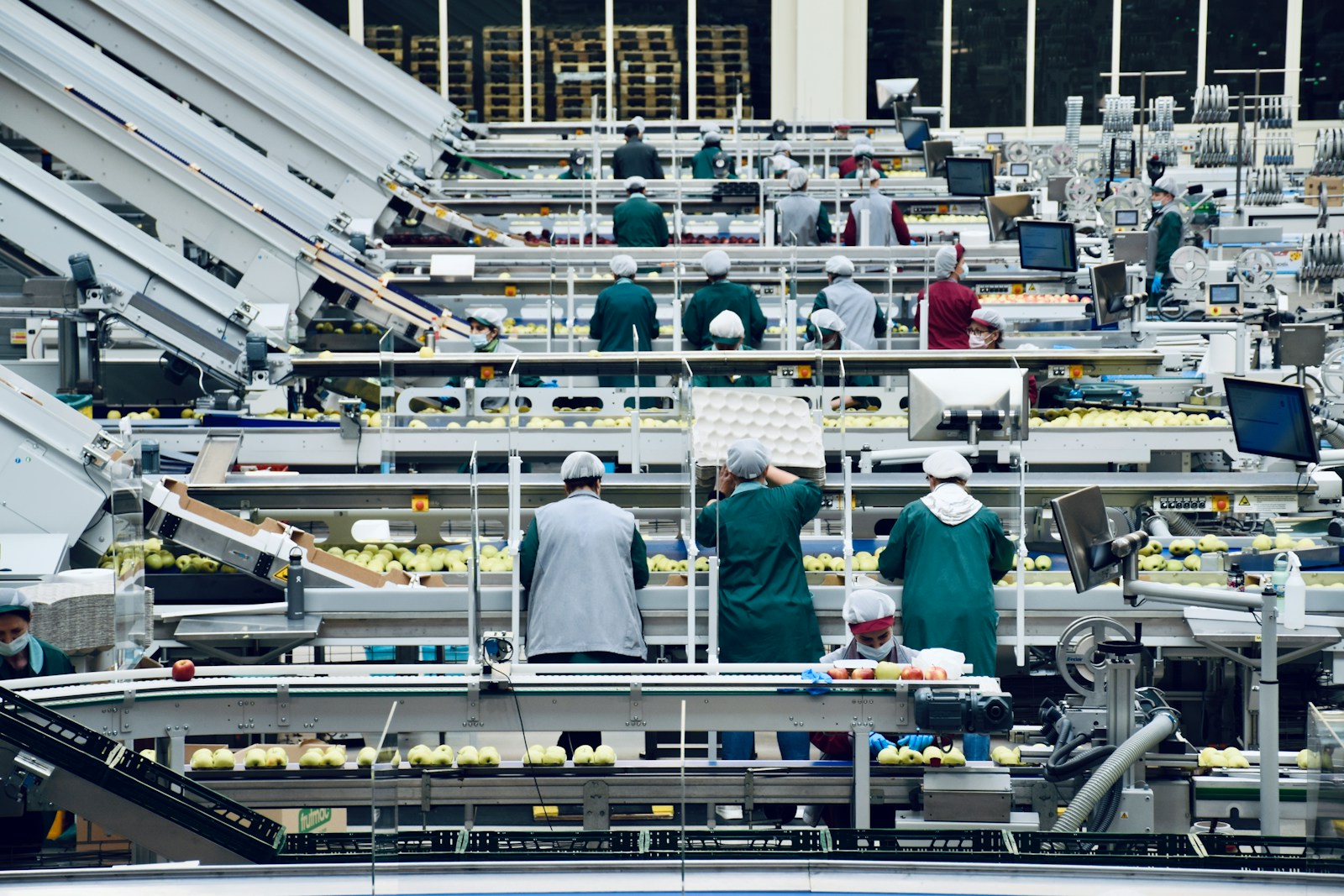
Sustainable food production is more than a buzzword; it's a critical approach to ensuring the future of our planet and its inhabitants. With growing concerns over climate change, resource depletion, and population growth, sustainable practices in food production have never been more essential. In this article brands who are looking to align with sustainable practices will find insights on sourcing sustainable food suppliers and examples of leading manufacturers in the industry.
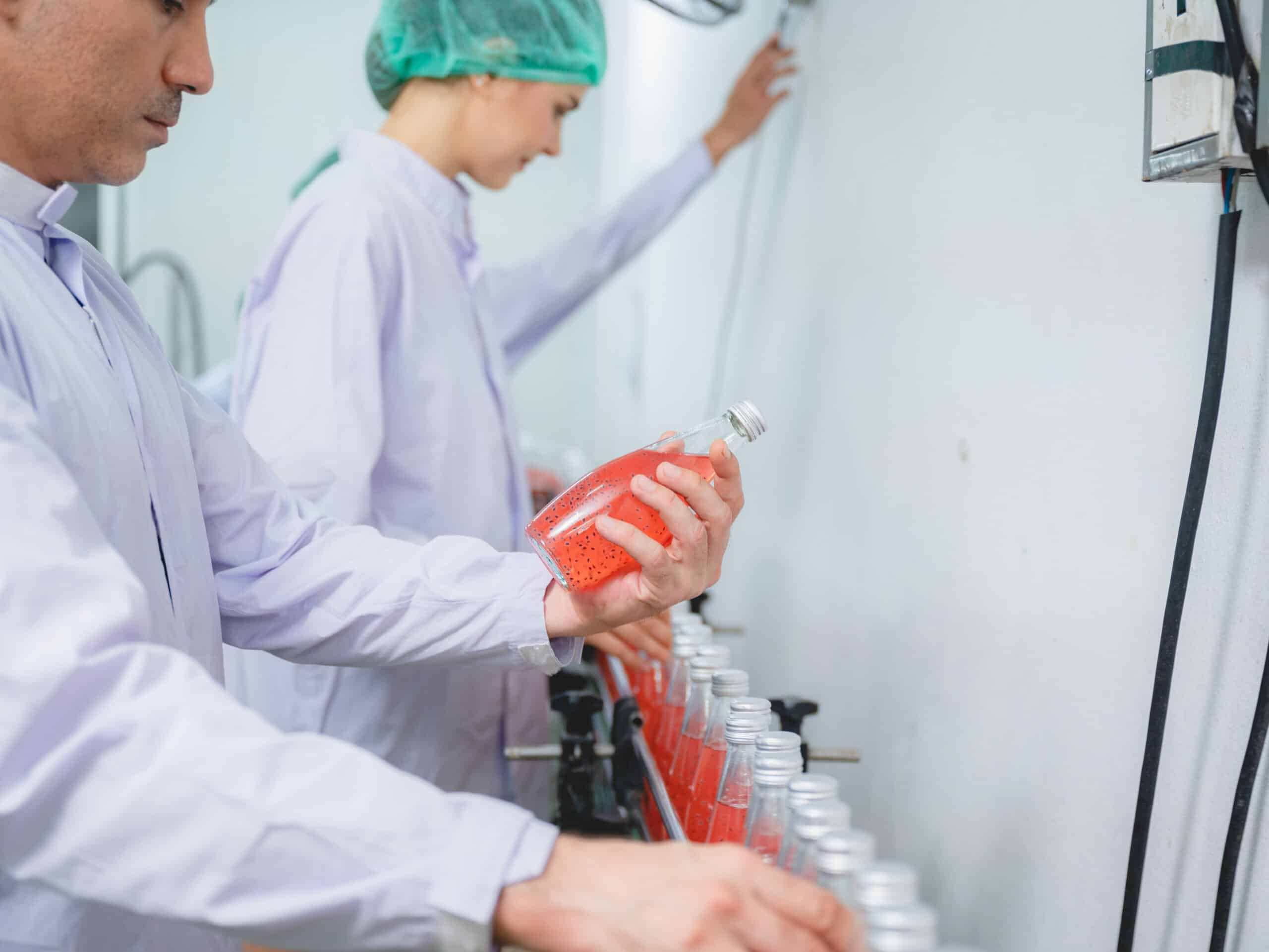
Sustainable Food Supplier

Sustainable Food Products
Key Takeaways:
- Finding reliable sustainable food suppliers is crucial for brands committed to ethical and eco-friendly practices.
- Sustainable food production is vital for environmental conservation, resource management, and long-term food security.
- Conventional food production often leads to environmental degradation and resource depletion.
- Adopting sustainable practices can mitigate climate change, preserve biodiversity, and ensure fair labor practices.
The global impact of Food Production
As with other human activities, food production significantly contributes to climate change, water scarcity, soil degradation, and biodiversity loss. It's estimated that 25% of global greenhouse gas emissions come from crop and animal production and forestry. Agricultural activities cover 37% of the Earth's land surface and utilize 70% of freshwater resources.
The environmental impact of food production varies based on where and how it is produced and the local availability of natural resources like water and soil. Often, there are trade-offs between environmental factors, and to date, no universal principles can definitively determine the environmental sustainability of one food product over another.
What is Sustainable Food Production ?
Sustainable food production uses methods that do not pollute, conserve non-renewable resources, are economically viable, safe for workers and consumers, and do not compromise future generations' needs. This approach incorporates practices that protect natural resources, enhance ecosystem services, and promote fair labor conditions. Key elements include organic farming, crop rotation, integrated pest management, water conservation, and support for local and seasonal food production. By adopting these practices, sustainable food production minimizes environmental impact, promotes biodiversity, and supports the well-being of agricultural communities.
How to find Sustainable Food Suppliers
Finding reliable sustainable food suppliers is a critical step for brands committed to eco-friendly practices. On Wonnda.com you can find premium suppliers for your brand & get competitive quotes.
Here are some further steps to consider when searching for a sustainable food supplier:
Research and Certification
- Look for Certifications:
- Seek suppliers with recognized certifications such as USDA Organic, Fair Trade, Rainforest Alliance, and others. These certifications ensure that the suppliers adhere to strict sustainability and ethical standards.
- Review Sustainability Reports:
- Many suppliers publish sustainability reports that detail their environmental impact, resource management, and ethical practices. These reports can provide valuable insights into their operations.
Transparency and Practices
- Demand Transparency:
- Choose suppliers who are transparent about their farming practices, supply chain processes, and sustainability efforts. This openness is crucial for building trust and ensuring alignment with your brand's values.
- Evaluate Farming Practices:
- Assess the supplier’s farming methods, such as crop rotation, integrated pest management, and water conservation practices. These methods contribute significantly to sustainability.
Local Networks
- Engage with Local Producers:
- Local farmers' markets and cooperatives can be excellent sources for finding regional sustainable producers. Supporting local suppliers reduces transportation emissions and supports community economies.
- Participate in Industry Networks:
- Join industry networks and associations dedicated to sustainable agriculture and food production. These platforms often provide resources and connections to reputable suppliers.
Online Platforms
- Utilize Digital Tools:
- Platforms like Wonnda can streamline the process of finding sustainable food suppliers. Wonnda connects brands with premium suppliers, allowing you to get competitive quotes and manage your entire sourcing and supply chain operations centrally. With Wonnda, you can access a network of verified suppliers, ensuring quality and sustainability.
Detailed Evaluation Criteria
- Set Sustainability Criteria:
- Include sustainability requirements in your supplier evaluation criteria. This should cover environmental standards (such as certified environmental management systems), social standards (compliance with UN Global Compact, fair trade practices), and governance (anti-bribery and corruption policies).
- Conduct Site Visits and Audits:
- Whenever possible, conduct site visits and audits to verify the supplier’s practices and ensure they meet your sustainability standards. This hands-on approach helps confirm the supplier’s claims and assess their operations.
Top Five Sustainable Food Suppliers
Gutschermühle (Based in Austria): Gutschermühle is a reputable Austrian supplier known for its high-quality cereal and snack products. Their innovative approach combines traditional Austrian craftsmanship with modern health trends, ensuring nutritious and delicious offerings.
Alver Food (Based in Switzerland): Alver Food, based in Switzerland, specializes in sustainable and plant-based protein products. Their commitment to sustainability is reflected in their use of natural ingredients and environmentally friendly production methods.
Naturtrade (Based in Hungary): Naturtrade, hailing from Hungary, offers a diverse range of organic and natural food products. With a focus on purity and health, they source their ingredients from trusted organic farms, ensuring high standards of quality.
Jens Møller Products Aps (Based in Denmark): Jens Møller Products Aps, located in Denmark, is renowned for its premium seafood and caviar products. They leverage Denmark's rich marine resources to deliver gourmet seafood delicacies to discerning customers worldwide.
Crunchyco (Based in Slovenia): Crunchyco, based in Slovenia, is known for its innovative and crunchy snack foods. Their product range is crafted to provide delicious, healthy snacking options that cater to modern dietary preferences and lifestyles.
Food Production Steps: Conventional vs. Sustainable
Raw Material Sourcing:
Conventional: Ingredients are sourced globally, often from large-scale monoculture farms using synthetic fertilizers and pesticides.
Sustainable: Prioritizes local and organic sources, promoting biodiversity and reducing chemical use.
Pre-processing:
Conventional: Involves significant mechanical and chemical processing to clean and prepare materials.
Sustainable: Utilizes minimal processing and natural methods to maintain nutrient integrity and reduce waste.
Processing:
Conventional: Heavy reliance on energy-intensive processes and chemical additives to enhance flavor, texture, and shelf life.
Sustainable: Focuses on natural preservation techniques, such as fermentation and dehydration, to maintain food quality and safety.
Packaging:
Conventional: Uses a high volume of plastic and non-recyclable materials, contributing to pollution.
Sustainable: Employ sustainable packaging: eco-friendly, recycable, or biodegradable to reduce environmental footprint:
Quality Control:
Conventional: Ensures food safety through extensive chemical testing and preservatives.
Sustainable: Emphasizes natural food safety practices, such as proper handling and organic certifications.
Distribution:
Conventional: Relies on long supply chains, increasing carbon emissions through transportation.
Sustainable: Promotes local distribution networks, reducing transportation-related emissions and supporting local economies.
Maintaining proper hygiene and sanitation practices throughout the food production process is crucial in both systems to prevent contamination and ensure food safety.
What are the benefits of Sustainable Food Production ?
Environmental Benefits
- Reduced Carbon Footprint: Sustainable food processing practices, such as using renewable energy sources and energy-efficient equipment, help lower greenhouse gas emissions.
- Biodiversity Conservation: Sustainable practices promote diverse ecosystems, maintaining genetic diversity in plants and animals, vital for resilience against pests, diseases, and changing climatic conditions.
- Water Conservation: Efficient water usage and recycling methods in processing reduce water waste and preserve freshwater resources.
- Reduced Chemical Use: Emphasis on natural preservation techniques reduces reliance on synthetic chemicals and additives, minimizing environmental contamination.

Environmental Benefits Sustainable Food Production
Economic Benefits
- Cost Savings: Energy-efficient and waste-reducing practices can lower operational costs over time.
- Local Economic Growth: Supporting local sustainable food suppliers stimulates the local economy by creating jobs and encouraging the circulation of money within the community.
- Long-term Viability: Sustainable processing practices ensure the long-term productivity and health of the food industry, protecting it for future generations.

Economical Benefits Sustainable Food Production
Social Benefits
- Healthier Communities: Sustainable processing reduces the use of harmful chemicals, leading to healthier food products and less pollution in local environments.
- Fair Labor Practices: Sustainable suppliers often adhere to fair labor practices, ensuring safe working conditions and fair wages for workers.
- Food Security: By promoting local food systems and resilient agricultural practices, sustainable food production enhances food security and reduces dependency on global supply chains.
- Community Well-being: Sustainable food systems often support local traditions and cultures, fostering a sense of community and connection.

Social Benefits Sustainable Food Production
Conclusion
Sustainable food production is crucial for a healthier planet and society. By adopting eco-friendly practices, we can mitigate environmental damage, support biodiversity, and ensure food security for future generations. Brands and consumers alike play a pivotal role in this transformation. To take the next step in aligning with sustainable practices and find your sustainable food supplier, create an account with Wonnda and connect with our network of 20.000+ suppliers and manufacturers today.
Related articles

Best Clothing Manufacturers in Europe - 2026 Guide by Wonnda

10+ Best Beauty Manufacturers in the US (2026 List)

How to Find a Manufacturer for Your Product (2026 Guide)

European Suppliers: How to find the best EU suppliers in 2026

10 Best European Sourcing Agencies To Find Suppliers & Launch Your Product
How to Start a Premium Private Label Cookware Brand: The Complete Guide

5+ Best Private Label Nonstick Cookware Manufacturers
5+ Best Private Label Cookware Manufacturers in the USA (2026)