What Is Consumer Packaged Goods (CPG) Manufacturing? A Complete Guide for Emerging Brands

Key Takeaways:
- CPG manufacturing is a strategic part of building a successful brand, not just a production step.
- Choosing the right manufacturing model depends on your goals, product type, and stage of growth.
- Platforms like Wonnda make it easier and faster to find trusted manufacturing partners.
What Does CPG Mean?
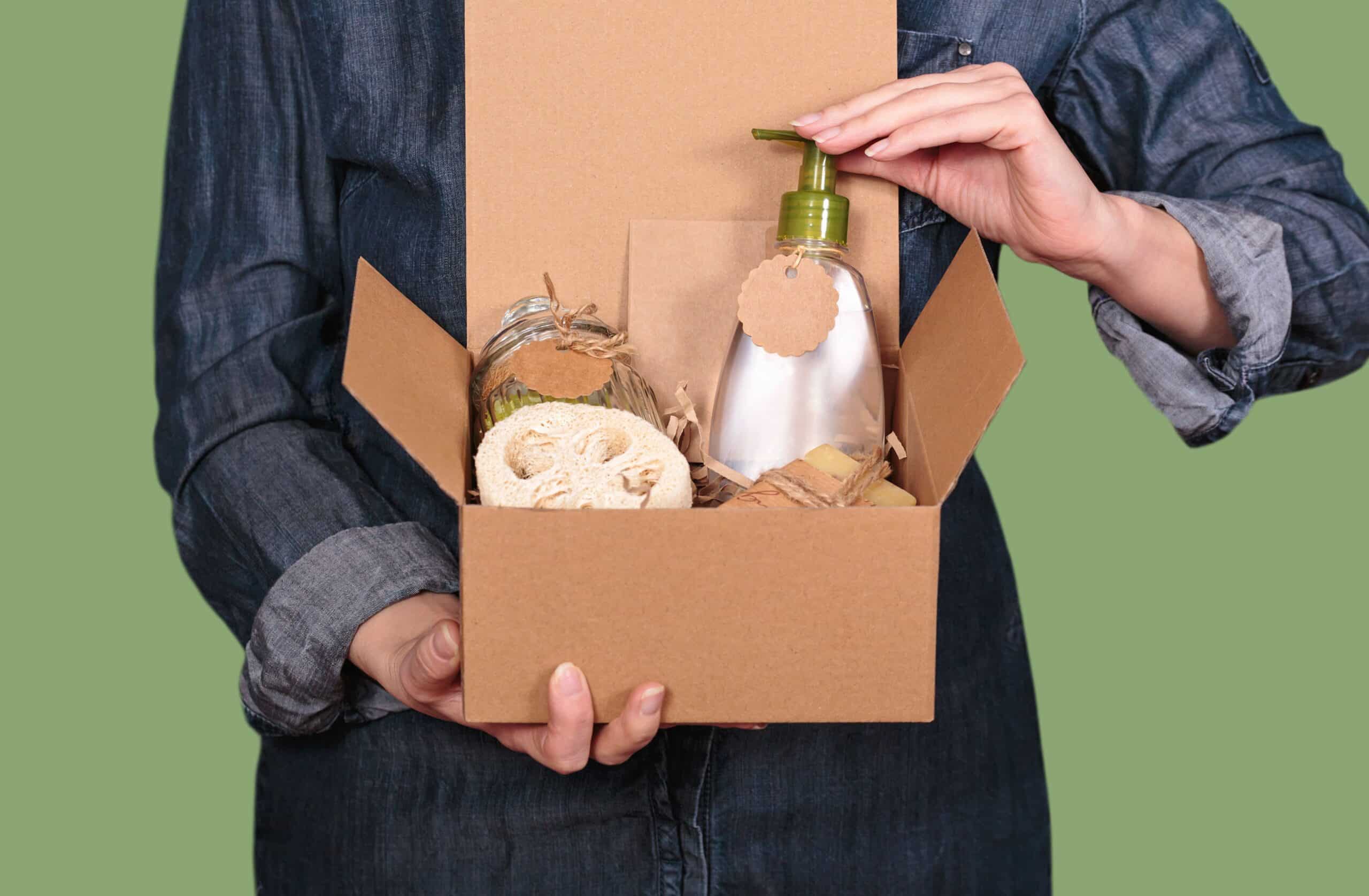
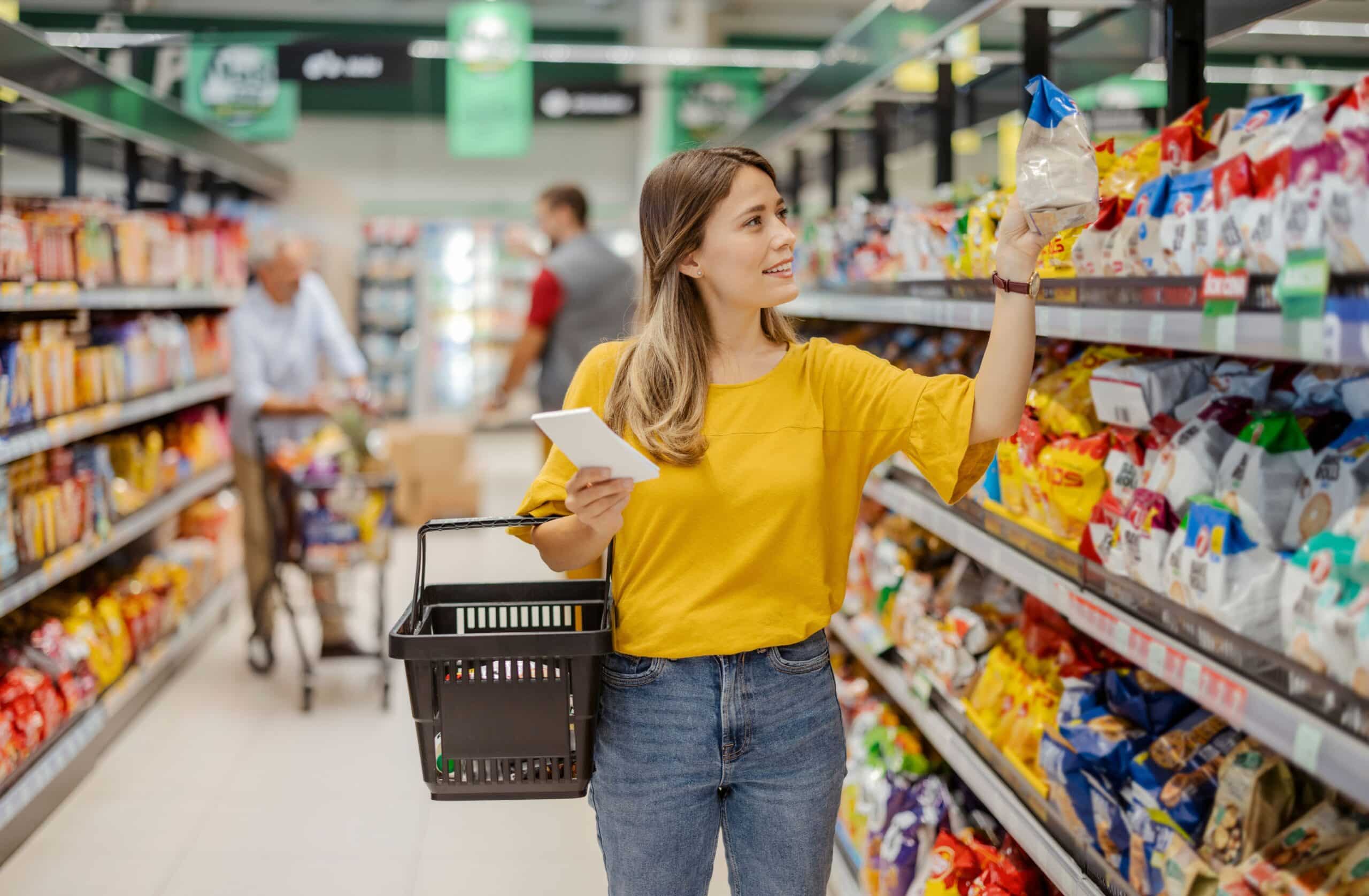
CPG stands for Consumer Packaged Goods - everyday products that are used quickly, purchased frequently, and come in a branded package. These are items you see in grocery stores, pharmacies, and online shops. Think skincare, snacks, toothpaste, vitamins, candles, or cleaning products.
They’re typically low-cost, high-volume goods that require efficient production, packaging, and distribution. Because CPG products move quickly through the supply chain and end up in the hands of thousands, if not millions, of consumers, the way they’re manufactured matters a lot.
What Is CPG Manufacturing?
CPG manufacturing is the process of producing, packaging, and preparing consumer goods to be sold at scale. It includes everything from mixing ingredients or assembling components to filling, labeling, and ensuring the product meets safety, quality, and legal standards.
Depending on the type of product and brand strategy, CPG manufacturing might involve:
- Custom formulation - for brands developing a unique recipe or formula
- private label production - using ready-made formulas you can rebrand as your own
- Contract manufacturing - producing to your exact product specs
- Full-service or turnkey production - handling everything from development to delivery
The goal is to deliver a retail-ready product that’s consistent, safe, compliant, and aligned with your brand promise all while keeping costs and timelines under control.
How the CPG Manufacturing Process Works
Manufacturing a consumer packaged good involves several important steps that take your idea from concept to shelf. Here’s how the process typically unfolds:
Product Development
This is where you bring your idea to life. Whether you're creating a functional beverage, clean deodorant, or vegan snack, you’ll work with an R&D team to finalize your product formulation and define packaging, pricing, and shelf life.
Ingredient and Packaging Sourcing
Once the specs are clear, your manufacturing partner will begin sourcing raw materials, active ingredients, packaging components, and any special elements like pumps, caps, or custom labels.
Manufacturing and Production
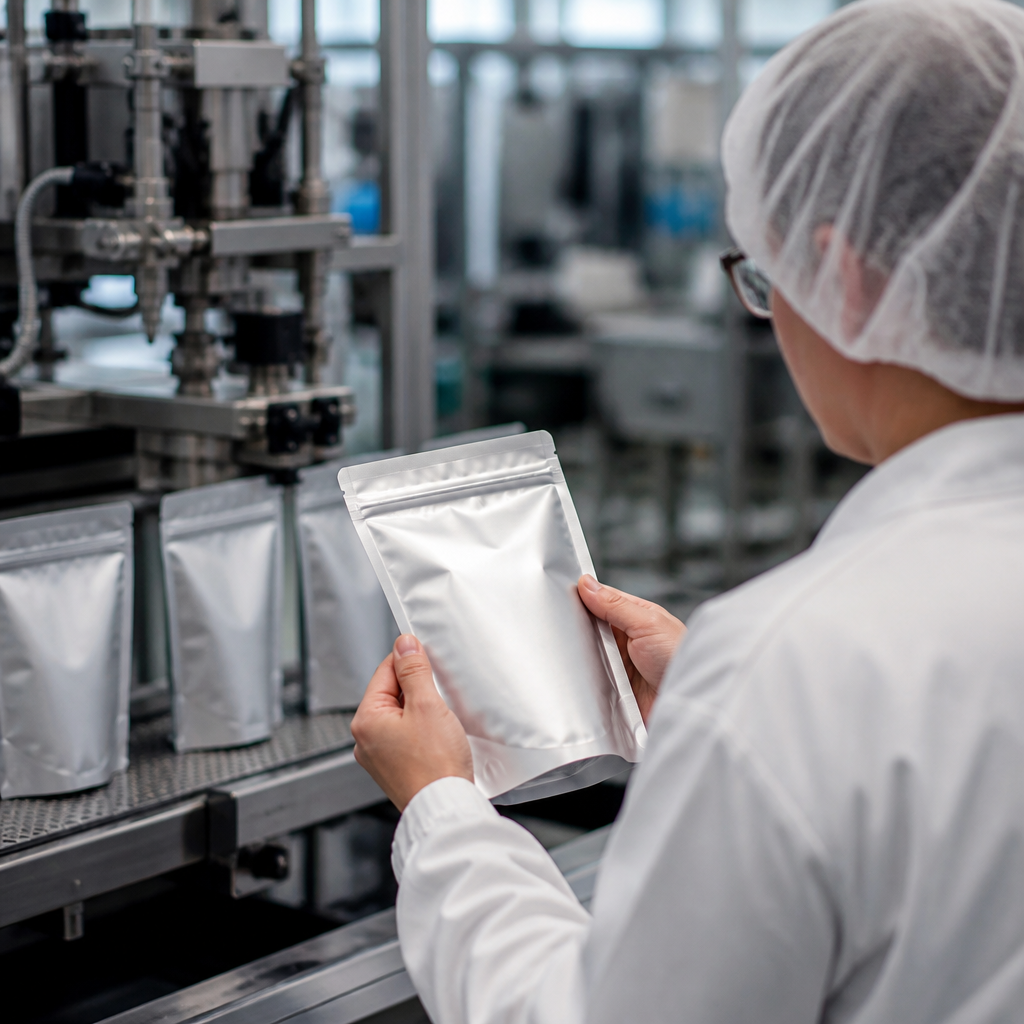
The actual production process varies by product type. For skincare, this might mean emulsifying a formula and filling tubes. For food, it could involve baking, blending, or bottling. Most modern facilities use automated equipment to ensure consistency and efficiency.
Quality Control and Compliance
Every batch is typically tested for quality, safety, and compliance with local regulations. This may include pH testing, microbial checks, or ingredient traceability, especially for regulated goods like supplements, food, or cosmetics.
Labeling and Final Packaging
Once the product is filled and sealed, labels are applied and products are boxed for sale. At this stage, compliance with FDA (U.S.), EFSA (EU), or other regional standards is critical - especially when it comes to claims, allergens, and nutritional information.
Warehousing and Fulfillment
Your products may be sent to a fulfillment center, wholesaler, or direct to retail. Some manufacturers also offer in-house storage or dropshipping options to simplify logistics for emerging brands.
What Are Examples of Consumer Packaged Goods?
Consumer Packaged Goods (CPG) are everyday items sold in ready-to-use packaging, designed for quick use and regular repurchase. These products span multiple categories and are typically found in supermarkets, drugstores, or online marketplaces.
Common examples of CPG include:
- Food and Beverages: Granola bars, bottled water, sauces, coffee capsules, canned soup, and ready meals.
- Beauty and Personal Care: Skincare creams, shampoos, deodorants, razors, and cosmetics.
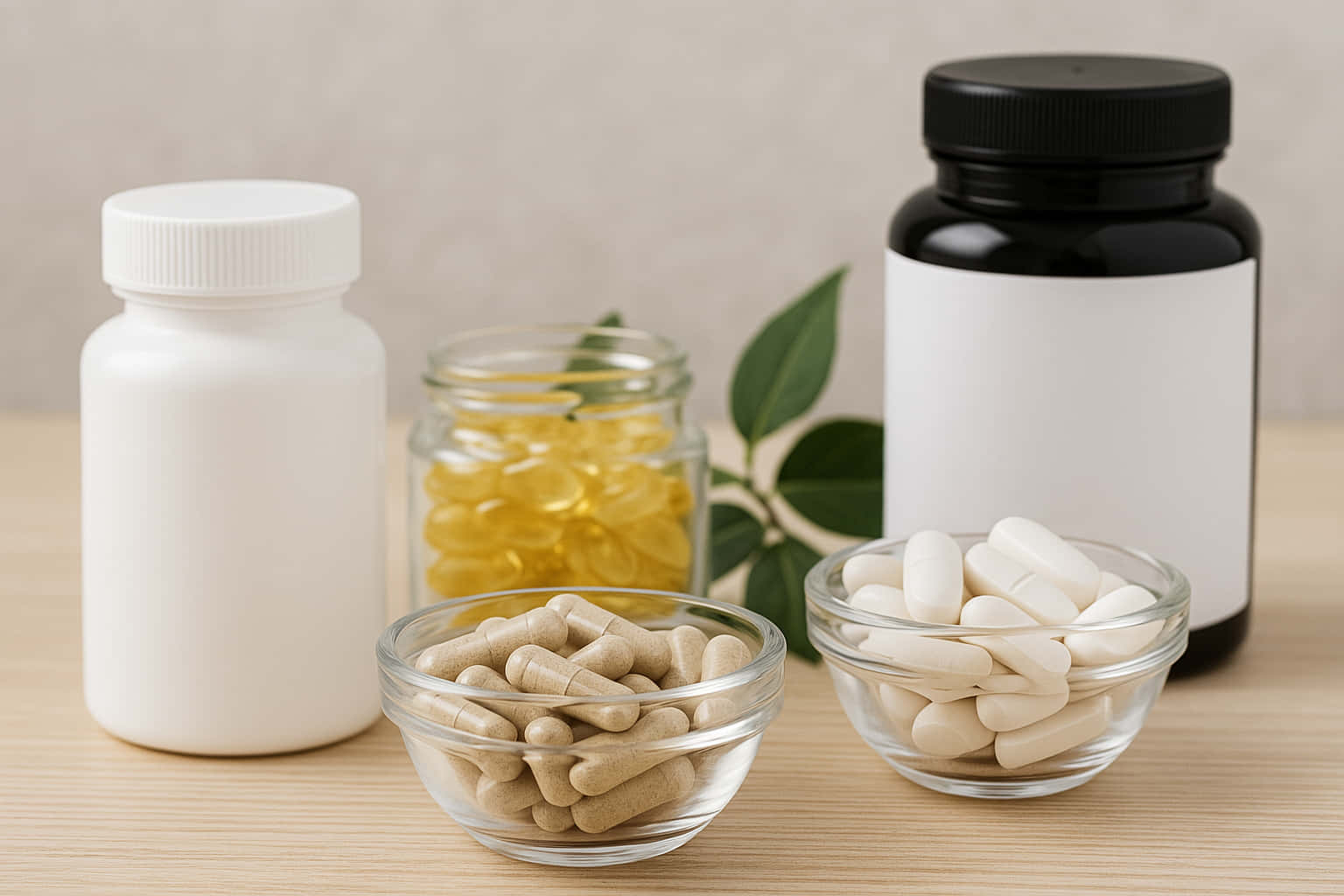
- Health and Wellness: Vitamins, supplements, protein powders, and over-the-counter medications.
- Home and Cleaning Products: Detergents, dish soap, candles, paper towels, and disinfecting wipes.
- Pet and Baby Products: Dog treats, cat food, diapers, baby wipes, and baby lotions.
What these products have in common is high volume, fast turnover, and a need for consistent, cost-effective manufacturing which is why having the right CPG manufacturing partner is essential.
Where Are Consumer Packaged Goods Sold?
Consumer Packaged Goods (CPG) are sold through a wide range of channels, both physical and digital, making them easily accessible to everyday shoppers.
Here are the most common sales channels for CPG products:
- Retail Stores: Supermarkets, drugstores, convenience stores, and big-box retailers like Walmart, Target, or Carrefour are key points of sale for CPG products.
- Ecommerce Platforms: Brands often sell directly to consumers via their own websites or through online marketplaces like Amazon, Walmart.com, or niche DTC platforms.
- Subscription Services: Many CPG brands offer recurring delivery models for items like supplements, personal care products, or food, making it easy for consumers to restock.
- Wholesale and Distribution: Some brands sell their products in bulk to retailers, gyms, spas, hotels, or other businesses that need recurring inventory.
- Pop-up Shops and Events: For early-stage or lifestyle-focused brands, temporary retail setups and trade shows are great for testing markets and building awareness.
CPG products are designed for high availability and frequent purchase, so the more accessible the distribution, the stronger the brand’s growth potential.
Types of CPG Manufacturers
Choosing the right type of manufacturer depends on your brand’s goals, how much customization you want, and your order volume. Here are the most common types:
Private Label Manufacturers
Private label manufacturers offer ready-made formulas you can customize with your own branding. This is a great fit for brands wanting speed to market with lower investment.
Contract Manufacturers (OEM)
Contract manufacturers produce custom formulations using your exact recipe, often with more control over ingredients, texture, scent, and function. Best for brands with strong product differentiation.
Full-Service (Turnkey) Manufacturers
Ideal for founders who want an all-in-one solution. These manufacturers handle product development, sourcing, filling, testing, packaging, and even logistics — giving you more time to focus on branding and marketing.
Small-Batch or Artisan Producers
If you're launching a boutique or handmade product, these manufacturers offer low MOQs and more flexibility - perfect for testing before scaling.
How Wonnda Helps with CPG Manufacturing
Wonnda is a top sourcing platform built specifically for consumer product brands. Whether you're developing a skincare line, scaling your supplement range, launching a snack product, or entering the functional beverage space, Wonnda helps you find and collaborate with verified manufacturers faster, safer, and more efficiently than traditional methods.
Instead of spending weeks chasing referrals, emailing unknown suppliers, or attending trade shows, you can manage your entire sourcing process in one place. Wonnda allows you to filter manufacturers based on:
- Product category and industry - from beauty and wellness to food, home goods, and pet care
- Country or region - find local, reshored, or nearshoring options depending on your strategy
- Certifications and capabilities - like FDA registration, GMP, organic, cruelty-free, or eco-friendly packaging
- MOQ, packaging formats, and production methods - so you can match partners with your brand’s scale and goals
Wonnda is ideal for growing CPG brands that want to move fast, build smarter supply chains, and launch confidently with trusted manufacturing partners. Whether you're starting small or planning to scale, Wonnda gives you the tools to make it happen.
What to Look for in a CPG Manufacturing Partner
Choosing the right manufacturing partner is one of the most important decisions you'll make as a consumer product brand. A reliable, experienced manufacturer can help you launch on time, maintain consistent quality, and scale your operations as your brand grows. On the other hand, the wrong partner can lead to delays, cost overruns, and missed opportunities.
Here are the key factors to evaluate before committing to a manufacturing partner:
1. Can they meet your MOQ and scale with you over time?
Start by checking their minimum order quantities (MOQs). Some manufacturers specialize in small batches for startups, while others cater to large production runs. Make sure they can accommodate your current volume but also support you as you grow and expand your product line.
2. Do they have experience with your product category?
Not all manufacturers are equipped to handle every product type. Look for partners who have a proven track record in your specific category, whether that’s skincare, supplements, food, or cleaning products. Familiarity with your format, like bottles, jars, pouches, or capsules can significantly reduce risks during production.
3. What certifications and quality standards do they meet?
Depending on your product and market, your manufacturer may need to follow strict regulations. Ask if they hold relevant certifications such as FDA registration, Good Manufacturing Practices (GMP), USDA Organic, cruelty-free, or ISO standards. These not only ensure product safety but also build customer trust.
4. Are they familiar with compliance in your target markets?
If you plan to sell internationally, your partner must understand the regulatory environment in each country, including labeling rules, ingredient restrictions, and shelf-life requirements. This is especially important for food, supplements, and cosmetics.
5. Are they transparent and responsive?
Communication is key in any partnership. Choose a manufacturer that is upfront about costs, timelines, and any potential limitations. Fast, clear responses and transparent quoting processes help avoid misunderstandings later.
6. Do they offer flexibility in product development and packaging?
As a growing brand, you may want to tweak your formula, test limited editions, or offer different packaging formats. A good partner will support customization, small runs, and innovation without requiring massive commitments.
7. Can you test before committing to full production?
Requesting samples or trial runs is essential. It allows you to test product quality, packaging durability, and overall fit before placing a large order. A professional manufacturer will offer sample kits and guidance throughout this phase.
Why CPG Manufacturing Is Changing in 2025
Manufacturing used to be a behind-the-scenes function. Today, it’s a strategic advantage, especially for brands that want to move fast, stay lean, and respond to trends.
In 2025, we’re seeing:
- A shift to smaller batch runs to reduce inventory waste
- Increased demand for local production due to tariffs and shipping costs
- Growth in sustainable packaging and ethical sourcing
- Adoption of digital platforms that simplify sourcing, collaboration, and scale
For new and growing brands, this is a huge opportunity and a chance to build a more agile, transparent supply chain from day one.
Related articles
10+ Best Doypack Suppliers in Europe (2026 List)
10+ Best European Packaging Suppliers in 2026
Stainless Steel Cookware Manufacturing: Materials, Processes, and What Buyers Should Know
Best Care Label Manufacturers and Wash Label Suppliers (2026)
10+ Best Woven Label Manufacturers in Europe and Turkey (2026)
The Complete Guide to Sustainable Textile Labels and Certifications (2026)
Clothing Label Requirements in Europe: What Fashion Brands Must Include (2026)
Best Sustainable Label Manufacturers for Eco-Conscious Brands (2026)