
Best private label coffee capsules manufacturers
Source private label coffee capsules suppliers through Wonnda. These require precision filling and sealing operations, with compatibility for various coffee machine systems being a key sourcing variable. Material options include aluminum or compostable capsules, each affecting shelf life and consumer use. The integrity of the gas-tight seal is critical for maintaining freshness and product quality, demanding high standards from manufacturers. Lead times can vary significantly based on customization and material choices.
- Coffee pods and capsules market — projected to reach 40.02 billion USD by 2029
- 28.65 billion USD
- Coffee pods and capsules CAGR — single-serve convenience and home cafe trend driving growth
- 6.91%
- Europe regional share — largest regional market for pods and capsules
- 36.21%
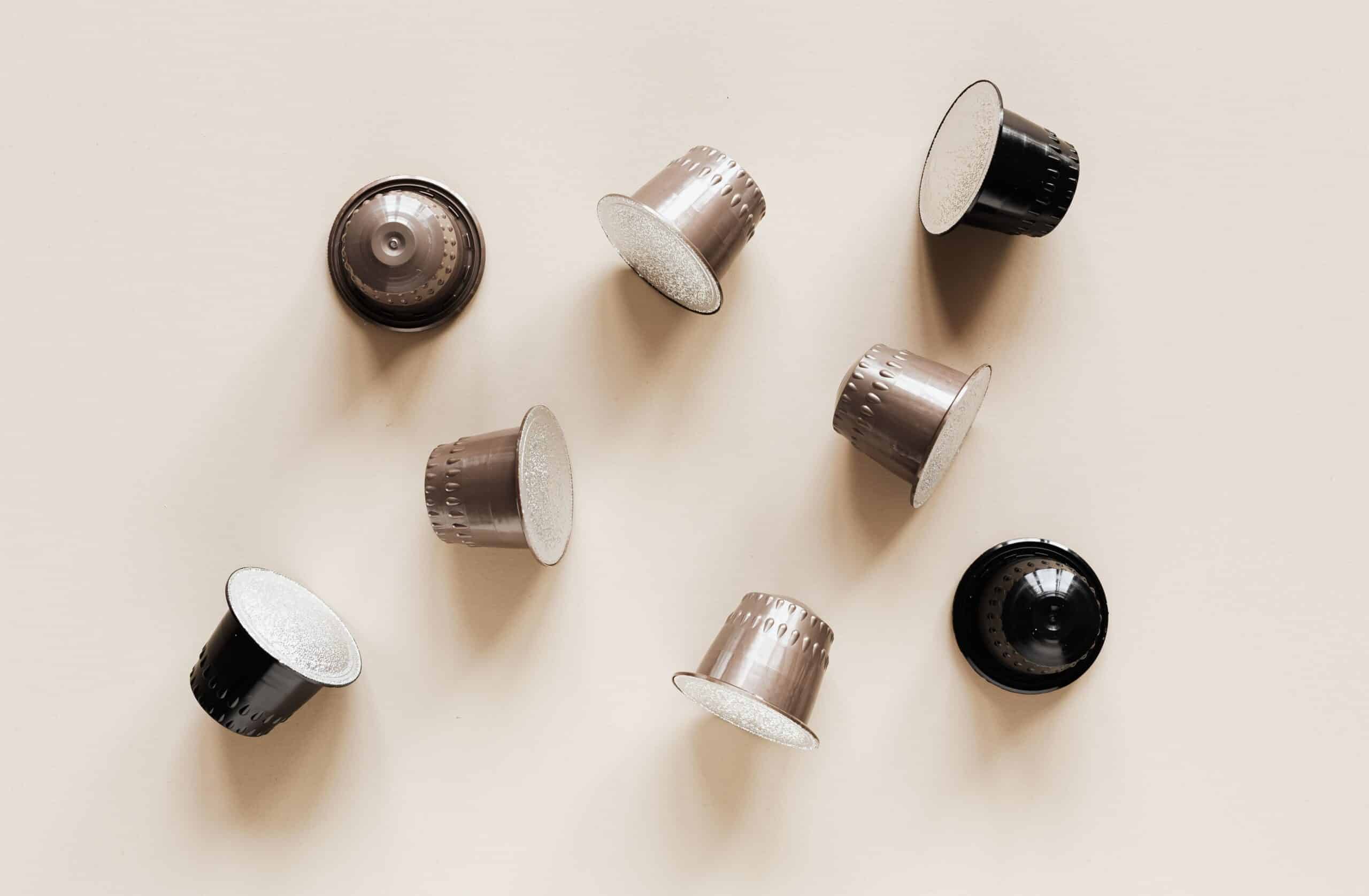
6+ Top private label coffee capsules manufacturers
Wonnda works with the best private label coffee capsules manufacturers. Here is a list of trusted suppliers from our network.

ANilab
4.9Private LabelContract ManufacturingSlovakia-based manufacturer producing mushroom coffee (lion’s mane, reishi, cordyceps), functional instant beverage blends, nespresso© compatible capsules for functional mushrooms and teas, available to brands sourcing coffee capsules.
- Country
- Slovakia
- MOQ
- 500 units
- Lead time
- On request

Kaffa Coffee
4.7Private LabelContract ManufacturingPortugal-based manufacturer producing nespresso-compatible coffee capsules, delta q-compatible capsules, dolce gusto-compatible capsules, available to brands sourcing coffee capsules.
- Country
- Portugal
- MOQ
- Lead time
 Private LabelContract Manufacturing
Belgium-based manufacturer producing cleanroom polyethylene bags, cleanroom polyethylene tubes, vacuum-packaged coffee pads, available to brands sourcing coffee capsules.
- Country
- Belgium
- MOQ
- Lead time
 Private LabelContract Manufacturing
Italy-based manufacturer producing whole bean coffee, ground coffee, single-serve capsules, available to brands sourcing coffee capsules.
- Country
- Italy
- MOQ
- Lead time
 Private LabelContract Manufacturing
United Kingdom-based manufacturer producing whole bean coffee, roast & ground coffee, capsule coffee (single-serve), available to brands sourcing coffee capsules.
- Country
- United Kingdom
- MOQ
- Lead time
 Private LabelContract Manufacturing
Netherlands-based manufacturer producing stand-up pouches, flat bottom pouches, sided gusset pouches, available to brands sourcing coffee capsules.
- Country
- Netherlands
- MOQ
- Lead time
Compare MOQs and lead times
Quick side-by-side of the shortlist. Missing values shown as a dash.
| Supplier | Location | Types | MOQ | Lead time |
|---|---|---|---|---|
| ANilab | Slovakia | PL · CM | 500 units | On request |
| Kaffa Coffee | Portugal | PL · CM | ||
| Beyers | Belgium | PL · CM | ||
| Gruppo Gimoka | Italy | PL · CM | ||
| UCC Europe | United Kingdom | PL · CM | ||
| Cappac | Netherlands | PL · CM |
Buyer criteria
- Extraction performance in the target machine
A capsule must brew correctly in the actual consumer machine, building the right pressure, volume, and crema, so verify the filler validates extraction in real target machines rather than on a lab rig. Ask to brew production-representative capsules yourself in the machines your customers own. A capsule that runs thin, chokes, or under-extracts will be returned no matter how good the coffee is, so machine performance is the first qualification, not an afterthought.
- Seal integrity and freshness verification
Capsule freshness depends entirely on a gas-tight seal, since there is no valve and the coffee sits sealed until pierced. Confirm the filler flushes with inert gas where appropriate and tests seal strength and residual oxygen, not just visually. Ask for leak-test and residual-oxygen data. A capsule with a marginal seal stales internally and brews flat, and the customer blames the coffee, so seal verification is a core quality gate.
- Capsule material match to your claim
Aluminium, plastic, and compostable cups behave differently on barrier, extraction, and disposal, so confirm the material matches your positioning and that the filler runs it reliably at scale. Compostable in particular is a specialist capability with sealing and shelf-life challenges. Ask which materials they run in production, not in trials, and request samples in your exact material, since a plastic-line filler quoting compostable may struggle with seals and shelf life.
- Compostability certification, not just claims
If you market compostable or home-compostable capsules, the claim must rest on recognized certification (such as EN 13432 for industrial composting or a home-compost certification), not a marketing word. Confirm the specific standard, whether it is industrial or home, and that the certificate covers the finished sealed capsule. Greenwashing claims here draw regulatory scrutiny, and customers and retailers increasingly demand the actual certification before listing the product.
- Dose control and intensity consistency
Strength and intensity claims rest on a tightly controlled coffee dose per capsule. Confirm the filler holds fill weight to a tight tolerance and checks it continuously, since dose variation makes some cups weak and others choke the machine. Ask how they verify dose across a run and how they map your intensity scale to actual dose and grind, so the intensity number on the box reflects what the customer tastes cup after cup.
- IP and compatibility position for compatible systems
For Nespresso-compatible or other compatible capsules, confirm the filler's cup design genuinely brews in the target system and does not infringe the system owner's patents or trademarks. Ask how they handle compatibility claims on packaging, since system owners actively police both function and labeling. A filler that is vague about the IP position exposes you to delisting or legal action, so clarity on both function and lawful labeling is essential before committing.
- MOQ, tooling, and changeover economics
Capsule filling carries higher setup than bagging because of dosing, sealing, and capsule tooling, so MOQs and changeover costs are larger. Match the MOQ to your launch volume and ask for the price break schedule across reorder sizes. A line geared for millions of capsules prices a 10,000-unit launch poorly. Understand whether material changes (aluminium to compostable) or blend changes drive most of the changeover cost, so you plan SKUs to minimize it.
Red flags
- No extraction validation in real machines
A filler that cannot show capsules brewed and validated in the actual target consumer machines is guessing at the most important quality attribute. Capsule performance is system-specific, and a cup that pierces badly, chokes, or runs thin will be returned. If they validate only on internal rigs or skip machine testing, expect compatibility complaints in the field, which are the costliest and most reputation-damaging failures in the category.
- Compostable claim without a named standard
Compostable or biodegradable language with no recognized certification (EN 13432, a home-compost scheme, or equivalent) and no indication of industrial versus home composting is greenwashing. It draws regulatory action and retailer rejection. If a filler markets compostable capsules but cannot produce the certificate covering the finished sealed cup, the claim is not defensible, and you inherit the liability when a regulator or retailer challenges it.
- Seal tested by eye only
If seal integrity is judged visually rather than by leak and residual-oxygen testing, your capsules can have microscopic defects that stale the coffee internally well before the best-before. With no valve and no other freshness mechanism, the seal is everything. A filler that treats seal verification as a glance rather than a measured test will ship capsules that brew flat, and the staling is invisible until the customer tastes it.
- Inconsistent dose or grind
Capsules filled with variable dose or inconsistently ground coffee brew unpredictably, some weak, some choking the machine. If the filler cannot show tight fill-weight control and a controlled grind matched to the system, the intensity printed on the box is meaningless. Dose and grind variation is the most common cause of inconsistent shots and machine jams, both of which generate returns and end the subscription the format relies on.
- Vague or aggressive compatibility labeling
Packaging that overstates compatibility, implies endorsement by the system owner, or uses the system owner's trademarks improperly invites legal action and delisting. A filler that is casual about how compatibility is claimed on the box is exposing you to enforcement. Demand lawful, accurate compatibility wording and confirmation that the cup genuinely works in the named system, since both function and labeling are policed by the system owners.
- Filter or drip blend repurposed for capsules
A coffee blend and grind designed for drip or filter brewing dropped into a capsule without re-tuning will not extract correctly under pressure, producing a thin shot with poor crema. If the filler does not develop the roast, blend, and grind specifically for high-pressure single-serve extraction against the target machine, the cup quality suffers. Reusing a bagged-coffee recipe in a capsule is a shortcut that the customer tastes immediately.
Manufacturing process
- 01
System and capsule specification
The brand fixes the machine system (Nespresso-compatible, Dolce Gusto, K-Cup, or proprietary) and the capsule material (aluminium, plastic, or compostable). This locks the cup geometry, the piercing and back-pressure mechanics, and which filling lines can run the job. For compatible capsules, the cup must brew correctly in the target machine without infringing the system owner's IP, an engineering and legal step done before any coffee is roasted.
- 02
Blend and roast for capsule extraction
Coffee is roasted and blended specifically for high-pressure single-serve extraction, which favors profiles that produce body and crema in a few seconds of contact under pressure. The roast and blend are tuned to the small dose and short extraction of a capsule, not to drip or filter brewing. This is why a great filter blend does not automatically make a great capsule, and the roaster develops the profile against the actual machine.
- 03
Grinding to capsule particle size
The roasted coffee is ground to a fine, tightly controlled particle size suited to the pressure and contact time of the capsule system. Grind size and fines directly control back-pressure, extraction, and crema, so the grind is dialed in against the target machine. Too coarse and the shot runs thin and fast, too fine and it chokes, so grind consistency is a critical control point on a capsule line.
- 04
Dosing into the capsule
Ground coffee is dosed by weight into each cup to a tight tolerance, then tamped or settled to the right density. Dose and density set the extraction and the strength of every cup, so the filling line checks fill weight continuously. Underdosing produces a weak, watery shot and overdosing chokes the machine, so dose control is the heart of capsule quality and the basis of any strength claim.
- 05
Inert-gas flushing and lidding
Before sealing, the headspace is typically flushed with nitrogen or a modified atmosphere to displace oxygen and protect the ground coffee, then a foil or film lid is heat-sealed to the cup. This airtight seal, not a degassing valve, is the freshness system for capsules, since the portion must stay fresh inside the sealed cup until the machine pierces it. Seal integrity is verified, because a weak seal stales the coffee.
- 06
Seal integrity and leak testing
Sealed capsules are checked for seal strength and gas-tightness, often by sampling for leak and residual-oxygen tests, because a microscopic seal defect lets oxygen in and stales the portion long before the best-before. For aluminium, the lid bond and the cup wall must both hold; for compostable cups, sealing is harder and tested more closely. This step protects both freshness and the clean pierce-and-brew the machine expects.
- 07
Compatibility and extraction validation
Production-representative capsules are brewed in the actual target machines to confirm they pierce cleanly, build correct pressure, deliver the intended volume and crema, and do not jam or leak. For compatible systems this validation against real consumer machines is essential, since a capsule that brews badly or sticks in the machine generates returns. The extraction profile is signed off against the target before the run scales.
- 08
Secondary packaging, coding, and case packing
Capsules are packed into sleeves, boxes, or pouches, coded with lot and best-before, labeled with system compatibility, blend, intensity, and any recycling or compostability marks, then case-packed and palletized. Compatibility and disposal claims must be accurate and, for compostable products, backed by certification. Lot codes trace finished capsules back to the coffee and capsule lots for any quality or compliance investigation.
Understanding coffee capsules private-label manufacturing
Capsule Systems and Materials
Coffee capsules present a distinct sourcing challenge compared to bagged coffee due to their precision filling and sealing operations. The primary value and risk lie in the capsule itself, its compatibility with consumer machines, the material used, and the gas-tight seal that maintains freshness.
The first crucial decision involves selecting the capsule system. Nespresso-compatible capsules represent the largest market for private label brands. However, brands must adhere to specific cup geometry and extraction behaviors without infringing on intellectual property. Other formats like Dolce Gusto, Lavazza, and K-Cup each have unique cup shapes and brewing mechanics, which dictate compatible filling lines and tooling.
Capsule material is central to the category. Aluminum offers superior oxygen and aroma barriers, reliable extraction, and is widely recycled. Plastic is a more economical option but provides a weaker barrier. Compostable or bio-based capsules address sustainability concerns, though they introduce challenges in sealing, shelf-life, and machine compatibility. The global coffee pods and capsules market was valued at approximately 28.65 billion USD in 2024, with projections to reach 40.02 billion USD by 2029, growing at a CAGR of about 6.91 percent. Europe accounts for the largest regional share, at nearly 36 percent.
MOQs and Lead Times
Sourcing for capsules is primarily driven by the filling line rather than the coffee itself. Minimum Order Quantities (MOQs) for custom blends in custom capsules typically range from 10,000 to 50,000 capsules per SKU. This is due to the significant setup costs associated with filling, sealing, and capsule tooling. Lead times generally span 6 to 12 weeks.
Cost Drivers and Freshness
Key cost drivers for coffee capsules, in approximate order, include the capsule and lid material, with aluminum and compostable options being more expensive than plastic. The coffee blend and dose per capsule, the filling and sealing operation (including nitrogen or modified-atmosphere flushing), and secondary packaging also contribute significantly to the overall cost. Freshness in capsules is managed by an airtight seal and often inert-gas flushing inside the cup, differing from the degassing valve used in coffee bags.
Target Markets and Quality Assurance
Private label capsule buyers often include D2C and subscription coffee brands targeting domestic single-serve machines, grocery and discounter own-label ranges, hospitality and office channels, and sustainability-focused brands. Given that machine compatibility and seal integrity are critical, qualifying a filler based on extraction performance, seal integrity, and freshness is paramount. For compostable claims, genuine certification is essential. A capsule that brews poorly or leaks can lead to stale coffee and product returns, making quality assurance more vital than per-capsule price.
How private label works for coffee capsules
Private label coffee capsules are a precision filling-and-sealing business wrapped around roasted coffee. The brand chooses the machine system and the capsule material, sets the blend, dose, and intensity, and the filler roasts and grinds coffee tuned for high-pressure single-serve extraction, doses it into the cup, flushes and seals it gas-tight, and validates that it brews correctly in the target machine. Unlike bagged coffee, where freshness is managed by a valve and a barrier bag, here the entire product hinges on the capsule cup, its compatibility, and its seal, which is why a capsule line is a different operation from a coffee bagging line and not simply an add-on to it.
The briefing sequence is system and material first, then coffee. The machine system fixes the cup geometry and extraction mechanics and determines which fillers can quote, the capsule material sets barrier, sealing, and disposal, and only then is the blend, roast, and grind developed against the actual machine. A brand that picks a blend before settling the system and material usually has to re-tune everything, because a coffee that works in a bag does not automatically extract well under capsule pressure.
What separates premium from commodity capsules
Two capsules can look identical in the box and perform very differently in the machine. A commodity capsule uses a cheap plastic cup, a filter blend dropped in without re-tuning, loose dose control, and a basic seal, producing inconsistent shots with weak crema and short freshness. A premium capsule uses a high-barrier aluminium or a properly certified compostable cup, a blend and grind developed for pressure extraction, tight dose control, and an inert-gas-flushed gas-tight seal validated by leak testing.
The seal and the machine performance are the integrity lines in capsules. Both are invisible in the box and decisive in the cup. A marginal seal stales the coffee internally with no outward sign, and a poorly engineered cup pierces badly, chokes, or runs thin in the consumer's machine. Brands that validate extraction in real machines and verify the seal earn the reorder that single-serve subscription depends on, while commodity capsules generate the machine jams and flat shots that drive returns.
Compatibility and the material decision
The defining strategic choice in this category is which installed base to serve and in what material. A Nespresso-compatible aluminium or plastic capsule reaches the largest European base of machines, an espresso-system capsule serves a different installed base, and each system imposes its own cup geometry and extraction profile that the filler must match. The material then layers on top: aluminium delivers the best barrier and crema and a recyclable end-of-life, plastic is cheapest but the weakest environmental story, and certified compostable answers the sustainability brief but is the hardest to seal reliably and the most certification-dependent.
This is not a decision a brand can defer, because it cascades through tooling, filler selection, claim and price. A brand that wants a home-compostable capsule needs a specialist filler with the right sealing technology and certification from the outset, since few fillers can run it and a compostable claim made without the certified finished-capsule data is exactly the kind of green statement regulators now challenge. Choosing the system and material deliberately, against the audience and the claim, is the single highest-leverage move in launching a capsule line.
Sourcing geography for coffee capsules
Capsule filling for the European market clusters in Italy, the heartland of espresso and a deep base of capsule fillers and machine know-how, with significant capacity in Germany, Switzerland, and the Netherlands, and growing cost-competitive filling in Poland and Eastern Europe. Specialist compostable-capsule fillers are fewer and concentrated where the sealing technology and certification expertise exist. The green coffee still originates from the producing belt and reaches the filler as roasted, ground coffee tuned for the format.
For EU brands, filling within Europe shortens lead times, allows validation against the European installed base of machines, and simplifies certification and EUDR documentation, while compatible-capsule intellectual property is also better understood by established European fillers. The sustainability story, aluminium recycling or certified compostability, is increasingly the differentiator in this category, and it only holds up with the right filler capability and genuine certification rather than a marketing label. Because Italian fillers in particular have run compatible formats for years, the practical compatibility and patent landscape is best navigated with a partner that already operates inside it.
Cost structure breakdown
The capsule cost stack is led by the cup and lid material and the filling-and-sealing operation, with the coffee a smaller share than in bagged products because the dose per capsule is small.
- Capsule and lid material: aluminium and certified compostable cost more than plastic, multiplied across every unit and the dominant material cost.
- Coffee blend and dose: a few grams per capsule, so the green is a smaller share than in bags, though premium blends still move it.
- Filling, sealing, and gas flushing: dosing, inert-gas flushing, and heat sealing, with capsule tooling and changeover dominating small runs.
- Secondary packaging: sleeves, boxes, or pouches with artwork minimums that penalize small SKUs.
- QC and certification: leak and residual-oxygen testing, extraction validation, and compostability or recycling certification.
Because the cup material and the filling operation dominate, sourcing discipline means choosing the material deliberately against your claim and price, and never cutting the seal or extraction validation to save a fraction of a cent per capsule. The economics also reward scale sharply, since tooling and changeover are fixed costs spread across the run, so a small launch carries a high per-capsule penalty that only falls as volume grows. A brand planning a capsule line should model the cost at realistic launch and reorder volumes rather than at the headline price for a large run.
Compliance and certification landscape
Coffee capsules are regulated as a food in food-contact packaging, so the filler should hold HACCP-based food-safety systems and ideally BRCGS or IFS certification, and the cup and lid materials must be food-contact compliant. Ochratoxin A limits apply to the coffee itself under EU food law. Compatibility claims for Nespresso-compatible and other systems must be lawful, accurate, and clear of the system owner's trademarks and active patents, an area the system owners actively police.
Environmental claims carry the heaviest current scrutiny. Compostable and home-compostable claims must rest on recognized standards such as EN 13432 for industrial composting or a home-compost certification, must specify which condition applies, and must cover the finished sealed capsule rather than just the cup body. Recyclability claims for aluminium and plastic must be accurate for the consumer's local disposal route. The EU Deforestation Regulation also brings the coffee in capsules into scope, requiring deforestation-free due diligence back to the plot of origin. Confirm that the filler can supply both the EUDR documentation and any environmental certification covering the actual finished product before you print the claim.
Industry insights
Frequently asked questions
Can I make Nespresso-compatible capsules without legal trouble?+
Should I choose aluminium, plastic, or compostable capsules?+
How is a coffee capsule kept fresh without a degassing valve?+
Why is the coffee blend for capsules different from bagged coffee?+
What MOQ should I expect for private label coffee capsules?+
How do I make sure my intensity scale is consistent across cups?+
Can the same factory make both my coffee bags and my capsules?+
What does a compostable capsule certification actually need to cover?+
Explore adjacent product types
Get a vetted shortlist of coffee capsules suppliers in 48 hours.
Post a brief on Wonnda. Free, no commitment. We match you with vetted manufacturers that fit your MOQ, format and market.