
Best private label skincare manufacturers
Wonnda connects brands with private label skincare manufacturers. This includes a wide array of products, from leave-on treatments like serums and moisturizers, to rinse-off cleansers and masks. Sourcing considerations often revolve around the manufacturer's expertise in various formulations, such as emulsions, gels, aqueous solutions, or anhydrous textures, to align with a brand's desired product routine. Key to successful partnerships are manufacturers who can ensure the stability of active ingredients over time and provide necessary product support.
- Global skin care products market — projected to reach 202.77 billion USD by 2033
- 155.84 billion USD
- Skin care market CAGR — steady growth led by treatment and active-driven products
- 3.1%
- Face creams and moisturizers share — the single largest product segment within skin care
- 41.9%
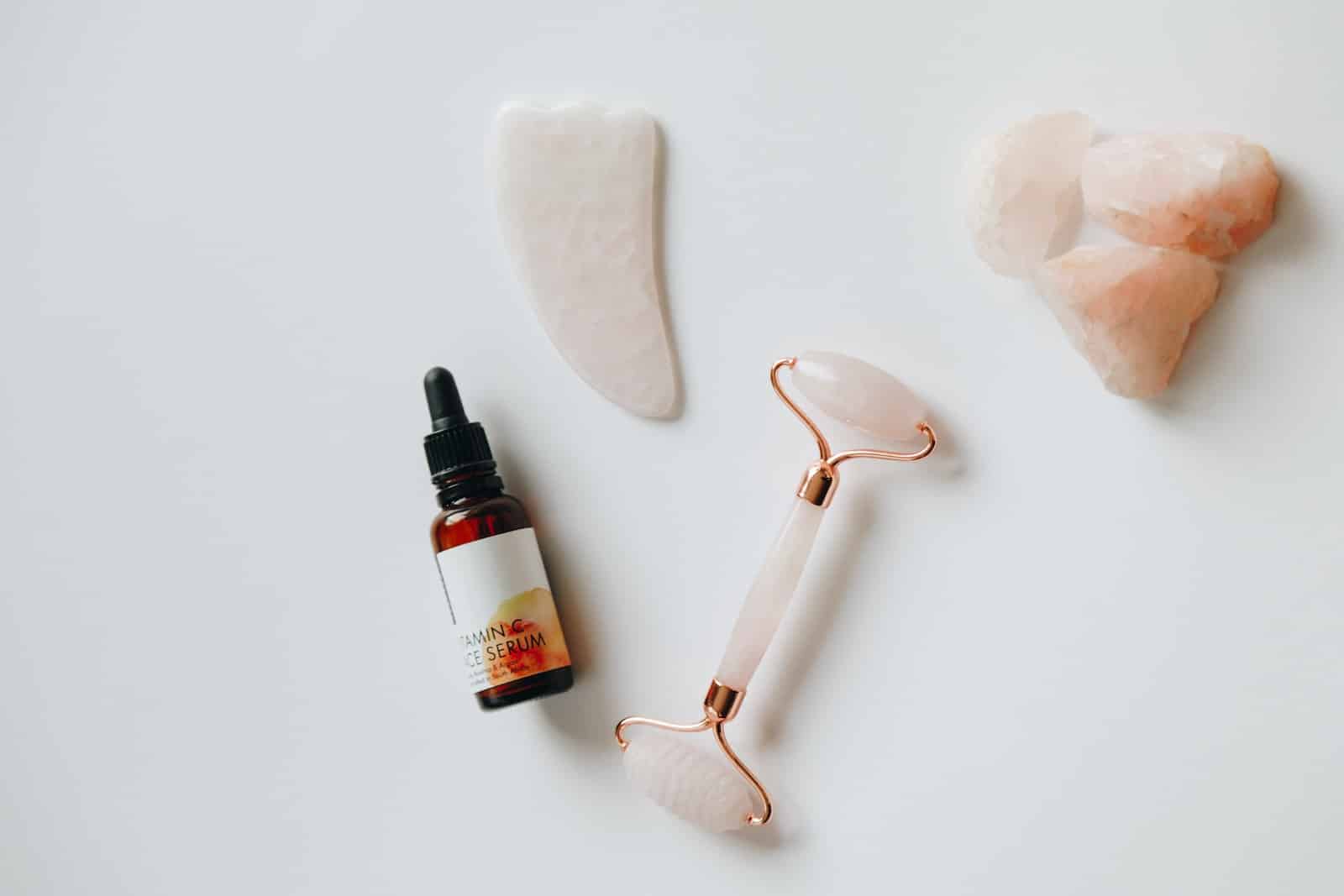
15+ Top private label skincare manufacturers
Wonnda works with the best private label skincare manufacturers. Here is a list of trusted suppliers from our network.
- Featured
 Private LabelContract ManufacturingWhite Label
Italian contract manufacturer for private label cosmetics and medical devices with COSMOS certification.
- Country
- Italia
- MOQ
- 500
- Lead time
- Featured
Silanus
5.0Private LabelContract ManufacturingHungarian manufacturer of face creams, moisturisers, body lotions and shower gels, natural and herbal-based. Low minimums (a few hundred to a few thousand) suit emerging brands.
- Country
- Hungary
- MOQ
- A few hundred to a few thousand units (depending on product type)
- Lead time
- 4 weeks
- FeaturedSOContract ManufacturingPrivate LabelWhite Label
Solid, water-free cosmetics manufacturer in the Netherlands for white label and private label
- Country
- Netherlands
- MOQ
- White label from 1,000 pcs; private label (custom formula) from 4,000 pcs; retail packaging from 4,000 pcs; personalised actives from 2,500 pcs.
- Lead time
- Featured
Tsilkov
4.7Private LabelContract ManufacturingBulgarian maker of face sheet masks, skincare sachets and aftercare creams. Strong for mask-led and sachet-format launches.
- Country
- Bulgaria
- MOQ
- Lead time
- Featured
 Contract ManufacturingPrivate Label
Bright Innovation Labs is a leading US-based contract manufacturer specializing in beauty, personal, and home care products, offering formulation and creation across liquids and powders.
- Country
- Ohio 43054
- MOQ
- 5,000 units
- Lead time
- Featured
 Contract ManufacturingPrivate Label
ISO 22716 cosmetics contract manufacturer with in-house R&D lab in Poland
- Country
- Poland
- MOQ
- From 1,000 units for most creams, lotions, shampoos and toners; 3,000 units for perfumes; about 10,000 units for lip balms.
- Lead time
- 3-6 months new formula; 4-8 weeks repeat
- Featured
 Contract ManufacturingPrivate LabelWhite Label
San Marino manufacturer of supplements, medical devices and aesthetic skincare
- Country
- San Marino
- MOQ
- From 100 units for cosmetics; 500 units for injectables; 5,000 units for food supplements.
- Lead time
- About 4 weeks
- Featured
 Contract ManufacturingPrivate LabelWhite Label
Polish GMP manufacturer of dermocosmetics, skincare and supplements
- Country
- Poland
- MOQ
- From 5,000 units per product.
- Lead time
- Featured
 Private LabelContract ManufacturingWhite Label
Top Lithuanian white label, private label and contract manufacturer for cosmetics
- Country
- Lithuania
- MOQ
- 500 units
- Lead time
- Featured
 Private LabelContract ManufacturingWholesale
European CDMO for food supplements, cosmetics, and pet food with patented BMT® microencapsulation technology and 30+ years of formulation expertise.
- Country
- Slovenia
- MOQ
- Contact for MOQs (project-dependent)
- Lead time
- 12 weeks
- Featured

Bio2you
4.7Private LabelContract ManufacturingLatvian maker of sea buckthorn skincare, including facial serum, mask, cream and body lotion. A strong fit for natural, ingredient-led skincare ranges.
- Country
- Latvia
- MOQ
- Lead time
- Featured
 Private LabelContract Manufacturing
azba cosmetics GmbH is a Berlin-based private label cosmetics manufacturer and product developer, renowned for crafting naturally effective and hybrid formulations that merge clean beauty with scientific innovation. They offer end-to-end services including product development, formulation optimization, white & private label solutions, and contract manufacturing for all things cosmetics and beauty products. Whether you need ready-to-go formulations or bespoke recipes refined to your specifications, azba supports you from concept to market. Their expertise lies at the intersection of nature and modern science, leveraging their heritage in analytical research to create quality skincare, body care, and nutricosmetic products. Rooted in sustainability and transparency, the company is dedicated to using certified natural ingredients while ensuring rigorous quality and compliance standards. With flexible services ideal for both emerging boutique brands and established players, azba cosmetics empowers you to launch standout private label cosmetics lines with ease and integrity.
- Country
- Germany
- MOQ
- Lead time
- Featured
Panaka
4.7Private LabelContract ManufacturingSwiss manufacturer of private label skincare serums and SPF products, with organic and enzyme-based options. A fit for premium, claims-led positioning.
- Country
- Switzerland
- MOQ
- Lead time
- Featured
 Private LabelContract Manufacturing
Dutch private label manufacturer of skincare, haircare and personal care, also supplying cosmetic raw materials. A flexible all-rounder for a full skincare range.
- Country
- Netherlands
- MOQ
- Lead time
 Private LabelContract Manufacturing
Elevate Your Brand with Tailored Premium Product Solutions
- Country
- USA
- MOQ
- Lead time
Compare MOQs and lead times
Quick side-by-side of the shortlist. Missing values shown as a dash.
| Supplier | Location | Types | MOQ | Lead time |
|---|---|---|---|---|
| Dasais Cosmetic Hub | Italia | PL · CM · White Label | 500 | |
| Silanus | Hungary | PL · CM | A few hundred to a few thousand units (depending on product type) | 4 weeks |
| Solid Care Company | Netherlands | CM · PL · White Label | White label from 1,000 pcs; private label (custom formula) from 4,000 pcs; retail packaging from 4,000 pcs; personalised actives from 2,500 pcs. | |
| Tsilkov | Bulgaria | PL · CM | ||
| Bright Innovation Labs | Ohio 43054 | CM · PL | 5,000 units | |
| Cosmetics Laboratories | Poland | CM · PL | From 1,000 units for most creams, lotions, shampoos and toners; 3,000 units for perfumes; about 10,000 units for lip balms. | 3-6 months new formula; 4-8 weeks repeat |
| PromoPharma | San Marino | CM · PL · White Label · WS | From 100 units for cosmetics; 500 units for injectables; 5,000 units for food supplements. | About 4 weeks |
| Equalan Pharma Europe | Poland | CM · PL · White Label | From 5,000 units per product. | |
| The Very Lab | Lithuania | PL · CM · White Label | 500 units | |
| Biostile Global | Slovenia | PL · CM · WS | Contact for MOQs (project-dependent) | 12 weeks |
| Bio2you | Latvia | PL · CM | ||
| Azba Cosmetics | Germany | PL · CM | ||
| Panaka | Switzerland | PL · CM | ||
| Vitalforce Cosmetics | Netherlands | PL · CM | ||
| GP Labs | USA | PL · CM |
Buyer criteria
- Active-handling and stability competence
Skin care lives or dies on whether actives survive to the consumer, so verify the manufacturer understands the pH, compatibility and packaging needs of the actives you want and can show stability data proving they last. Ask how they stabilize sensitive ingredients like vitamin C or retinol. A house that formulates an active on the bench but cannot demonstrate it remains potent across shelf life will deliver a product that underperforms its own claims.
- Formulation depth across routine chemistries
A full routine spans surfactant cleansers, aqueous toners, emulsion moisturizers and anhydrous or high-active serums, so confirm the house has genuine depth across these chemistries, not just one. Ask which formats it develops in-house and to see examples. A manufacturer strong only in basic emulsions will struggle with a high-active serum or a stable acid exfoliant, leaving gaps in the routine you intend to sell.
- Active dosing honesty and substantiation
Confirm actives are dosed to levels that actually work, not fairy-dusted to appear on the label, and that the manufacturer can substantiate efficacy claims with appropriate testing. Ask for the inclusion level of each headline active and what claim-support testing they offer. In a results-driven category, an under-dosed active hidden behind a prominent label callout misleads customers and invites the claim scrutiny the EU increasingly applies.
- Sensory and texture development
Skin care reorder depends heavily on how a product feels, absorbs and layers within a routine, so assess the manufacturer's ability to deliver the target texture, finish and absorption alongside efficacy. Always evaluate production-representative samples on skin. A formula that performs on actives but feels greasy, tacky or pilling under makeup will lose the daily-use approval that drives repeat purchase, so sensory work is a core skill, not a finishing touch.
- Packaging matched to active protection
Verify the manufacturer recommends packaging that actually protects your formula, airless or opaque components for oxygen- and light-sensitive actives, and runs compatibility testing. Ask how packaging choice ties to the stability data. In skin care, packaging is functional: the wrong pack can degrade a vitamin C or retinol before the consumer finishes the bottle, so a house that treats packaging as purely aesthetic is missing a core part of the job.
- EU compliance and claims wrap
Insist on ISO 22716 GMP scoped to skin care, and check that the manufacturer either handles or arranges the safety assessment, PIF, CPNP notification and Responsible Person. Critically for this category, ask how they review efficacy claims for substantiation. A house fluent in Regulation 1223/2009 and in EU claims rules removes the two biggest skin care launch risks: a non-compliant product and an unsupported efficacy claim.
- Stage-appropriate MOQ and scalability
Match minimums to your launch volume per SKU, since bespoke active-led formulas with stability testing cost more to develop than stock bases, and confirm the partner can scale as hero products grow. Ask for price breaks across reorder sizes and which costs are one-off development versus recurring. A house geared only for large retail runs will price a focused treatment launch poorly, while one that cannot scale forces a re-source just as a serum takes off.
Red flags
- No stability data for active formulas
If a manufacturer cannot show stability data proving your active survives across shelf life, you are selling a product that may deliver nothing by the time it reaches the customer. Active degradation is the defining failure mode of skin care, invisible until results never appear. Refuse to scale any active-led SKU without documented stability supporting both the printed shelf life and the efficacy the active is meant to provide.
- Fairy-dusted headline actives
An active prominently named on the front of pack but dosed far below any effective level is a marketing tactic that misleads customers and invites EU claim scrutiny. Ask for the exact inclusion percentage of every headline active and whether it sits in the studied effective range. A house that resists disclosing active levels, or that dilutes them to cut cost while keeping the label callout, is selling a story rather than a treatment.
- Packaging chosen without regard to actives
Recommending a clear jar for an oxygen- and light-sensitive vitamin C or retinol shows a manufacturer that does not connect packaging to active stability. The wrong pack degrades the formula before the consumer finishes it, regardless of how good the bench formula was. Treat indifference to active-protective packaging as a sign the house lacks genuine active-led skin care experience, not just a cosmetic preference.
- Only one chemistry done well
A house that can only deliver basic emulsions but quotes confidently for high-active serums, acid exfoliants and surfactant cleansers across a full routine is overreaching. The result is some routine steps that perform and others that disappoint or destabilize. Confirm genuine in-house depth across the specific chemistries your routine needs, since a single-chemistry specialist stretched across a multi-step range usually delivers an uneven, incoherent line.
- Claims with no substantiation path
If the manufacturer makes or accepts efficacy claims with no plan to substantiate them, the product is exposed the moment a regulator or competitor challenges it. EU claims must meet the common criteria and be supported. A house unable to discuss what evidence each claim requires, or to arrange the consumer or instrumental testing involved, is leaving your most marketable claims legally indefensible and your brand at risk of enforcement.
- Texture judged only on paper
When a house describes how a product feels but will not hand over production-representative samples to trial on skin, it is usually concealing sensory problems, greasiness, tackiness, pilling under makeup, that no spec sheet reveals. In skin care, daily sensory experience drives reorder as much as efficacy does. Reluctance to let you test the real texture before committing typically means the product performs worse in use than the formula reads, surfacing as weak repeat purchase after launch.
Manufacturing process
- 01
Routine mapping and chemistry selection
The brand defines the routine, cleanser, toner, serum, moisturizer, mask, and the manufacturer matches each step to its base chemistry: surfactant system, aqueous solution, emulsion or anhydrous concentrate. Active intentions are set here, since a high-percentage vitamin C or a retinol drives both the chemistry and the stability work. Mapping the routine first ensures the steps cohere and the right formulation approach is chosen per product.
- 02
Active selection and formulation
The chemist selects active grades and doses against the claim and price target, then builds the emulsion or solution around them, balancing efficacy, stability, sensory feel and cost. Actives like vitamin C, retinol, niacinamide and acids have specific pH and compatibility needs. This is where skin care differentiates, since the same ingredient name can be dosed and stabilized very differently across a commodity and a premium formula.
- 03
Stability and active-survival testing
The formula undergoes accelerated and real-time stability testing to confirm the active remains potent and the emulsion stays intact across shelf life and temperature cycles. For oxygen- or light-sensitive actives, this dictates packaging. Stability is the defining skin care discipline: an active that degrades in the jar delivers nothing, so this step protects both efficacy claims and the repeat purchase that depends on visible results.
- 04
Packaging selection for active protection
Packaging is chosen to protect the formula: airless pumps and opaque or UV-blocking components for sensitive actives, jars or tubes where stability allows. Packaging-compatibility testing confirms the formula does not interact with its container. In skin care, packaging is a functional decision tied to active stability, not just aesthetics, since the wrong pack can oxidize a vitamin C or let a retinol degrade before use.
- 05
Safety assessment, PIF and claim review
A qualified safety assessor produces the Cosmetic Product Safety Report and Product Information File under EU Regulation 1223/2009, checking restricted-ingredient limits and allergens. Efficacy and ingredient claims are reviewed for substantiation, since skin care claims are an enforcement focus. This step ties the active-led formula to a defensible regulatory and claims position before the product can be sold.
- 06
CPNP notification and Responsible Person
Each product is notified on the EU CPNP portal under a Responsible Person established in the EU before sale. Many skincare manufacturers act as or arrange the Responsible Person for brands without an EU entity. Notification links the formula, label and frame formulation to a record accessible to authorities and poison centers, which is mandatory for placing any treatment product on the EU market.
- 07
Bulk manufacture and filling under ISO 22716
Approved bulk is manufactured under ISO 22716 GMP, with emulsions homogenized to the validated texture and active-containing batches handled to protect potency, then filled on the line matched to the format and packaging. In-process checks cover viscosity, pH, appearance and fill weight. Batch records document each lot, supporting traceability and any investigation into an active or stability issue.
- 08
QC, labeling and batch release
Finished product is tested against specification for microbiology, pH, viscosity and, where validated, active assay, then labeled with INCI, allergens, period-after-opening, batch code and Responsible Person details. Batches are released with documentation. In active-led skin care, verifying the active level at release is the strongest assurance that the product delivers what the label and the marketing claim.
Understanding skincare private-label manufacturing
Skincare Formulations and Chemistry
Skincare private label encompasses leave-on and rinse-off treatment products, cleansers, toners, moisturizers, serums, masks, and exfoliants. A brand sources these from a contract manufacturer under its own name within the skin care category. Skincare focuses on actives, their stability over shelf life, and substantiated efficacy.
The category includes various routine steps with different chemistries. Cleansers and toners are mainly aqueous or surfactant systems. Moisturizers and creams are water-in-oil or oil-in-water emulsions, while serums are high-active aqueous or anhydrous concentrates. Masks and exfoliants utilize gels, clays, and acids.
A manufacturer's proficiency lies in maintaining active stability and effectiveness across these formats. Ingredients like vitamin C or retinol can degrade in the jar, even if they perform well in testing. For brands building multi-step routines, range coherence across these chemistries is crucial.
MOQs and Lead Times
Minimum Order Quantities (MOQs) for a stock-formula treatment SKU typically start around 1,000 to 3,000 units. Bespoke, active-led formulas have higher MOQs due to additional development and stability testing requirements.
Lead times range from 8 to 16 weeks. These times can be extended when actives require stability validation or when specialist packaging, such as airless systems, is needed.
Primary cost drivers include the active grade and dose; a high-percentage vitamin C or a patented active significantly impacts base costs. Other factors are stability and packaging work to protect actives, emulsion or texture complexity, and regulatory compliance.
European Manufacturing and Market Overview
European skincare contract manufacturing is concentrated in Italy, France, Germany, Poland, and Spain. France and Germany are particularly strong in dermo-cosmetic and active-led formulations.
The global skincare products market was valued at approximately 155.84 billion USD in 2025 and is projected to reach about 202.77 billion USD by 2033 (Grand View Research). Face creams and moisturizers represent the largest product segment, accounting for around 41.9 percent of revenue.
Within private label, skincare is the leading sub-category. This reflects how well the treatment routine aligns with own-label production.
Quality and Certifications
Sourcing in skincare is largely driven by active load and stability considerations. Differentiation for brands comes from active efficacy, ingredient narratives, texture, sensory experience, and credible claims.
Successful brands often select a clear hero active and build a coherent routine around it. Qualifying a partner involves assessing their competence in active handling and stability, claim substantiation capabilities, and texture and sensory delivery across the routine.
EU compliance is also critical, requiring expertise in areas such as Responsible Person, CPNP, and ISO 22716. A beautiful texture that fails to deliver or an active that degrades silently in the jar can deter repeat purchases, which are vital for the category.
How private label works in skin care
Skincare private label centers on formulation chemistry and active stability more than any other beauty sub-category. A brand briefs a contract manufacturer on the routine it wants of cleanser, toner, serum, moisturizer or mask, its active intentions and its positioning, and the manufacturer develops or customizes formulas across the relevant chemistries: surfactant systems, aqueous solutions, emulsions and high-active concentrates. The defining value a skincare house adds is keeping actives effective from the lab to the consumer, because an ingredient that works on the bench is worthless if it degrades in the jar before use.
The sequence runs from routine mapping to active selection, then stability testing, then packaging chosen to protect the formula. A brand that picks packaging or a price point before settling actives and proving their stability usually has to unwind those decisions, since a sensitive active and a clear jar, or a premium efficacy claim and a bargain active dose, cannot coexist.
Routine mapping deserves attention as a strategic act rather than a shopping list. A coherent range shares a positioning, a sensory signature and an active philosophy across its steps, so a cleanser, serum and moisturizer read as one brand rather than three unrelated products. Deciding the hero step that carries the brand's claim, and supporting it with complementary products, gives a manufacturer a clear development brief and gives the customer a reason to buy the full routine, which lifts average order value well above a single product.
Premium versus commodity skin care
The difference between a premium and a commodity skin care product is almost entirely invisible on the shelf: it lives in active grade and dose, stability discipline, and sensory quality. A commodity product names an active prominently but doses it below any effective level, uses the cheapest stable base, and accepts whatever packaging is cheapest. A premium product doses actives to studied levels, proves they survive shelf life, invests in protective packaging, and delivers a texture that earns daily use.
Active dosing honesty is the integrity line in skin care. Because actives are the dominant cost and the dose is invisible to the customer, fairy-dusting is the easiest way to protect margin while keeping a marketable label. Brands that dose actives to effective levels, prove stability and substantiate claims earn the repeat purchase a results-driven category depends on, while under-dosed commodity products churn customers who conclude the product does not work.
Sensory quality is the premium marker customers feel without analyzing. The way a cleanser rinses without tightness, a serum absorbs without tack and a moisturizer cushions without grease are all engineered outcomes, and they decide whether a product becomes part of a daily ritual or sits unused. A premium house develops texture as a deliberate objective tested against the target user, while a commodity product accepts whatever sensory result the cheapest functional base delivers.
Sourcing geography for skin care
European skin care contract manufacturing concentrates in Italy, France, Germany, Poland and Spain, with France and Germany particularly strong in dermo-cosmetic and active-led formulation backed by deep stability and testing capability. South Korea is a major global force in trend-led skin care development, often setting ingredient and texture trends, which EU brands weigh against lead time and the compliance documentation needed to import and notify.
For EU brands, formulating and producing within Europe keeps the Responsible Person, Product Information File and notification machinery close, shortens lead times for stability iteration, and eases factory audits, which matters more in an active-led category where formulation cycles are longer. Brands selling a clean, dermo-cosmetic or European-made story almost always keep production in Western Europe, accepting higher unit cost as the price of formulation depth and compliance control.
Cost structure in skin care
The skin care cost stack is led by actives and the work to protect them. For a typical treatment product it runs active grade and dose, then stability and protective packaging, then emulsion or texture complexity, then the regulatory and claims wrap.
- Active grade and dose: the dominant, most variable cost; a high-percentage vitamin C or patented active can exceed the rest of the formula combined.
- Stability and packaging: stability testing plus airless or opaque components to keep sensitive actives effective.
- Texture and emulsion complexity: the sensory development that drives daily-use approval and reorder.
- Regulatory and claims: safety assessment, Product Information File, notification and claim-substantiation testing.
- Filling and quality control: format-specific filling plus microbiology, pH, viscosity and active-assay checks.
Sourcing discipline in skin care means scrutinizing active dose and stability, where real efficacy and real cost live, rather than negotiating the base price of a formula whose active may not survive to the customer.
Compliance and certification landscape
EU skin care is governed by Regulation 1223/2009, requiring a Responsible Person, a Product Information File, a Cosmetic Product Safety Report, notification and good manufacturing practice, with ISO 22716 the recognized standard. Labeling covers the ingredient list, the declarable allergens, period-after-opening and Responsible Person details. Efficacy claims must meet the common criteria and be substantiated, an active focus of enforcement in a category that markets heavily on performance, and claims that imply a medical effect can push a product into the medicines or borderline category.
For clean or natural positioning, standards such as COSMOS add their own ingredient and preservation constraints that complicate active stability. For sales beyond the EU, the UK regime and the US framework under the modernized cosmetics rules add further notification and registration duties. A manufacturer fluent in your target-market rules will flag claim limits, required testing and packaging implications before they become a relabeling or enforcement problem, which is exactly the value an active-led skincare partner provides.
Building a coherent range rather than single products
Most successful skin-care brands sell systems, not isolated products, and that has direct sourcing consequences. A routine spreads development cost and minimum order quantities across several products at once, so a brand should plan the full launch lineup before committing, rather than adding products piecemeal and discovering that each carries its own minimum and its own development cycle. Briefing a manufacturer on the whole range lets it share a base philosophy and sensory signature across steps and sequence the work efficiently.
Range design is also where margin and loyalty are built. A hero product attracts the first purchase, while complementary steps raise the basket and lock in a routine that resists switching, which is what turns a one-time buyer into a repeat customer. The discipline is restraint: a tight, coherent range of well-developed products outperforms a sprawling catalogue of thin ones, both commercially and in the eyes of a manufacturer who can give a focused brief the depth it deserves. Deciding early how many products the launch supports, and which one carries the brand's claim, sets up the sourcing relationship for a sustainable line rather than a scattered debut.
Industry insights
Frequently asked questions
How do I keep actives like vitamin C and retinol stable in my skincare products?+
What is the difference between a serum and a moisturizer in formulation terms?+
Why does packaging matter so much for skincare specifically?+
How do I know if an active is dosed at an effective level?+
What MOQ and lead time should I expect for a private label skincare routine?+
Can I make a clean or natural skincare range and still keep actives stable?+
How are skincare efficacy claims substantiated for the EU?+
Should I build my whole routine with one manufacturer?+
Explore adjacent product types
Get a vetted shortlist of skincare suppliers in 48 hours.
Post a brief on Wonnda. Free, no commitment. We match you with vetted manufacturers that fit your MOQ, format and market.