
Best private label candles manufacturers
Source private label candles suppliers through Wonnda. Sourcing involves various formats, including molded or extruded pillars, dipped tapers, and poured tea lights or container candles. Key considerations include the type of wax, which can range from paraffin to soy, beeswax, or blends, and the desired burn characteristics. Certifications like EN 15493 for fire safety are important for demonstrating product compliance. Lead times for candle production vary depending on complexity and order volume.
- Global candle market — projected to reach 25.44 billion USD by 2033
- 14.06 billion USD
- Candle market CAGR — growth driven by home decor, gifting and self-care
- 7.3%
- Leading wax type — paraffin leads, with soy and natural waxes growing
- Paraffin, ~30%
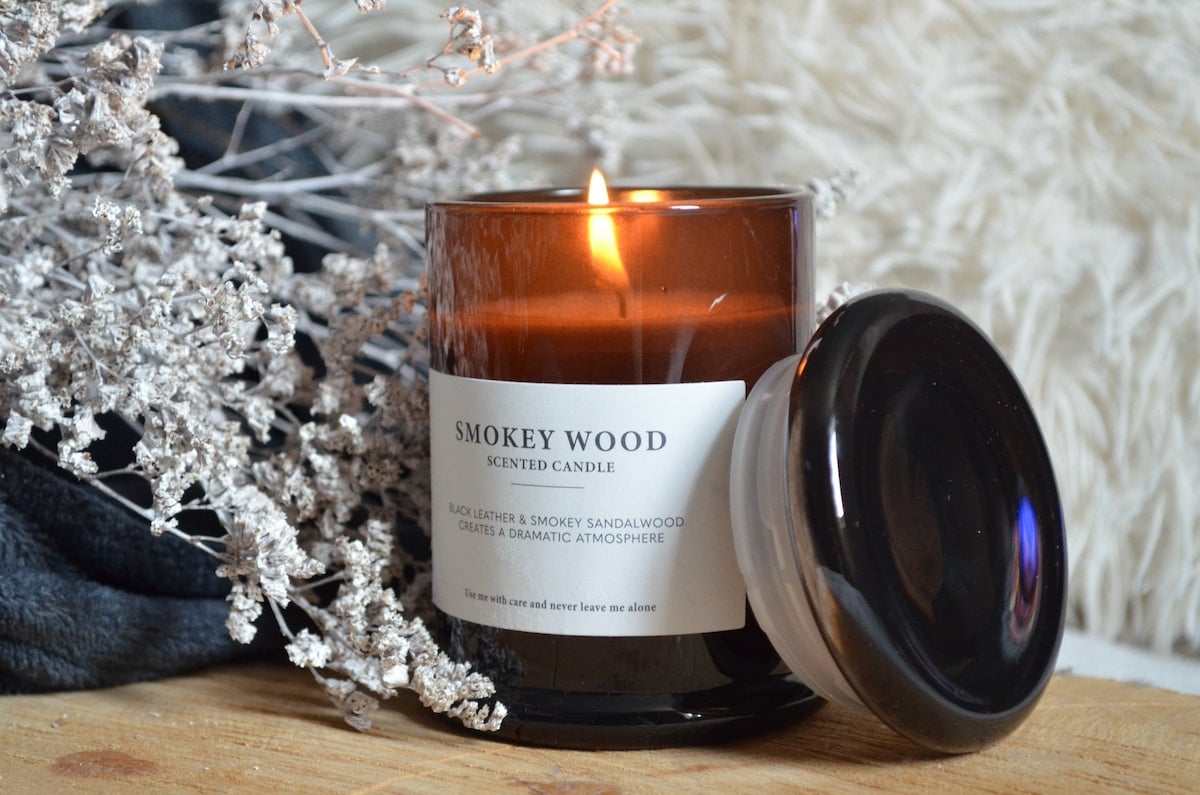
4+ Top private label candles manufacturers
Wonnda works with the best private label candles manufacturers. Here is a list of trusted suppliers from our network.
 Private LabelContract Manufacturing
Belgium-based manufacturer producing botanique candle, rain forest candle, golden hour candle, available to brands sourcing candles.
- Country
- Belgium
- MOQ
- Lead time
 Private LabelContract Manufacturing
UK-based manufacturer producing scented soy candles, reed diffusers, room sprays, available to brands sourcing candles.
- Country
- UK
- MOQ
- Lead time
 Private LabelContract Manufacturing
Europe-based manufacturer producing premium scented candles, home fragrance products, available to brands sourcing candles.
- Country
- -
- MOQ
- Lead time
 Private LabelContract Manufacturing
Germany-based manufacturer producing letting go candle, inner light candle, manifesting dreams candle, available to brands sourcing candles.
- Country
- Germany
- MOQ
- Lead time
Compare MOQs and lead times
Quick side-by-side of the shortlist. Missing values shown as a dash.
| Supplier | Location | Types | MOQ | Lead time |
|---|---|---|---|---|
| Feu des Fleurs | Belgium | PL · CM | ||
| The Country Candle Co. | UK | PL · CM | ||
| Wiera | - | PL · CM | ||
| Nava Candles | Germany | PL · CM |
Buyer criteria
- Format capability run in-house
Confirm the maker actually produces your specific formats in-house rather than subcontracting, because a tea-light and dinner-candle line is a different operation from molded pillars or hand-finished decorative candles. Ask which formats they run on their own equipment. A partner geared for one route will struggle with another, so matching the maker's real capability to your range breadth prevents quality gaps and hidden subcontracting on the formats they do not truly own.
- Shape retention and structural quality
For freestanding candles, verify they stand straight, hold their shape and resist slumping in warm conditions, since this is the structural quality that distinguishes a good pillar or taper. Ask how the wax hardness and any stearin content are specified. A candle that bends in a warm shop or burns down lopsided fails before fragrance even matters, so structural integrity is a core requirement for non-container formats that a scented-jar maker may overlook.
- Wax type and finish accuracy
Confirm the exact wax and any blend, and for decorative and dining candles the color, finish and dripless or self-extinguishing properties, because for unscented candles the look and burn behavior are the product. Ask for samples in your actual color and finish. A maker who cannot match a clean, even color or a smooth overdipped surface will deliver decorative candles that look cheap, undermining the premium a finished candle commands.
- Burn safety across formats
Require burn testing and EN 15493 and EN 15426 compliance for each format, since a pillar, a taper and a tea light have different burn and stability risks. Ask for evidence per format rather than a blanket assurance. Freestanding candles add the risk of collapse or flame instability that containers avoid, so confirm the maker tests for upright burning and clean consumption, with EN 15494 warning labeling applied to every format in the range.
- MOQ structure matched to format
Understand that minimums vary sharply by format, since automated tea light and dinner candle lines run in the tens of thousands while decorative or container candles may start far lower. Ask for the MOQ per format you intend to launch. A maker quoting a single blanket minimum has not thought about your range, and matching each format to a maker geared for its volume avoids overpaying on small decorative runs or facing impossible minimums on commodity lines.
- Finishing and decoration quality
For decorative, carved, embossed or overdipped candles, evaluate the finishing quality directly on samples, because hand or machine finishing is where decorative candles win or lose. Check base levelness, surface smoothness, color evenness and any decoration. A maker strong on volume tea lights may have no finishing capability at all. Finishing is the value in a decorative candle, so confirm the partner can deliver the look your positioning requires before committing.
- Packaging engineered for fragile formats
Confirm packaging protects the finish and shape of tall or decorative candles in transit, since tapers, sculpted candles and dinner candles damage easily compared with robust tea lights. Ask how they pack your specific formats. Broken or scuffed decorative candles arriving at retail are a return and reputation problem, so packaging is a functional requirement for fragile formats, not just presentation, and it differs from how a container candle is boxed.
Red flags
- Single format dressed up as full capability
A maker that runs only automated tea lights or only container pours but markets itself as a full candle manufacturer will subcontract the formats it cannot make, hiding quality and accountability gaps. Ask exactly which formats are produced on their own lines. A partner claiming the whole category without the equipment to back it will deliver inconsistent quality across your range, with the outsourced formats the weakest and least controlled.
- Pillars or tapers that slump or bend
Freestanding candles that lean, bend in warm conditions or burn down lopsided signal wax that is too soft or a poorly controlled forming process. Demand samples and check shape retention. For non-container formats this structural failure is fundamental and will worsen in shop and home conditions. A maker who cannot deliver a candle that stands and burns straight has not mastered the format, whatever the scent or color looks like.
- No EN safety testing per format
Treating all formats as equally safe, or testing only one, ignores that pillars, tapers and tea lights have distinct fire and stability risks. A maker without EN 15493 and EN 15426 evidence for each format, and EN 15494 warning labeling, is shipping unproven fire-hazard products. Across a multi-format range this is disqualifying, since a collapsing pillar or an unstable taper is a serious safety and liability exposure that blanket assurances do not cover.
- Poor or uneven finish on decorative candles
Patchy color, rough surfaces, uneven overdipping or wobbly bases on decorative and dining candles indicate weak finishing capability, and finishing is the value in an unscented decorative candle. A maker who ships visibly inconsistent samples will not improve at scale. For premium decorative lines this defeats the purpose, since customers pay for the look, and a maker without real finishing skill is the wrong partner for that part of a range.
- Blanket MOQ ignoring format economics
A maker quoting one minimum across every format has not understood that tea lights and dinner candles run in huge automated volumes while decorative candles are made in small batches. This usually means either an impossible minimum on specialty items or an uneconomic one on commodity lines. A partner who cannot articulate format-specific MOQs is likely forcing your range onto the wrong line, with cost and quality consequences across the board.
- Wax misstated for natural positioning
A candle sold as soy, rapeseed or natural that is actually paraffin or an undisclosed blend misleads customers and breaks the positioning. Demand the wax specification and supplier for each format. Natural claims are a key premium driver, so substitution behind a natural label is both a trust and a compliance issue, and a maker vague about the exact wax across formats is either careless or quietly cutting cost with cheaper material.
Manufacturing process
- 01
Format and wax selection
The brand fixes the format (pillar, taper, votive, tea light, dinner or container) and the wax, since these drive the whole production route. Paraffin and stearin blends suit firm freestanding and dining candles, while soy, coconut and rapeseed serve natural and premium lines. Format and wax together decide whether the candle is molded, extruded, dipped, pressed or poured, and which manufacturing line and minimums apply.
- 02
Wax preparation and coloring
Wax is melted and conditioned, and dye is added for colored decorative and dining candles, with pigment chosen to give even color and good shape retention. For unscented candles this coloring and the resulting finish are central to the product rather than secondary to a fragrance. Additives such as stearin are blended in to raise hardness, opacity and dripless performance in dinner and pillar formats.
- 03
Forming the candle
The candle is shaped by its format's method: pillars and shaped candles are molded or extruded, tapers are dipped or drawn around a continuous wick, tea lights and votives are poured into cups or molds, and dinner candles are often pressed or extruded at high speed. Forming sets the candle's structural quality, since a freestanding candle must stand straight, hold its shape and not slump in warm conditions.
- 04
Wick centering and sizing
The wick is sized to the wax and the candle diameter and held centered as the candle sets, because off-center or wrongly sized wicks cause uneven burning, dripping or smoking. For freestanding candles the priority is a stable, controlled flame that consumes the candle evenly without flaring or drowning, so wick choice is matched to the format's burn behavior as much as to any fragrance load.
- 05
Finishing, overdipping and decoration
Decorative and dining candles are finished for appearance: overdipping for a smooth or colored outer layer, polishing, trimming the base to stand level, and any embossing, carving or surface effect. This finishing is a major part of the value for unscented decorative candles, where the look is the product. Self-extinguishing or dripless treatments are applied here for dining candles intended for the table.
- 06
Curing and conditioning
Candles are allowed to set and stabilize fully so they hold shape and, where scented, develop throw. For freestanding candles, conditioning ensures the wax has hardened to its final firmness so the candle does not bend, slump or burn too fast. Adequate setting time also prevents surface defects and ensures color and finish are stable before the candles are handled and packed.
- 07
Burn and safety testing
Representative candles are burn-tested for stability, flame height, dripping, soot and full consumption, and checked against EN 15493 fire safety and EN 15426 sooting standards. For pillars and tapers the test also covers whether the candle stays upright and burns down cleanly without collapsing or tunneling. Safety warning labels and pictograms are applied per EN 15494, since every candle format is a fire hazard.
- 08
Packing for format and channel
Candles are packed to suit the format and channel: tea lights and dinner candles in multi-packs or bulk trays for retail and hospitality, decorative and gift candles in individual cartons or sets. Lot coding and any fragrance allergen or CLP declarations are applied. Packaging is engineered to protect finish and shape in transit, which matters more for tall tapers and decorative shapes than for robust tea lights.
Understanding candles private-label manufacturing
Candle Formats and Manufacturing
- Candles encompass diverse formats beyond scented jar candles, including unscented pillars and tapers, votives and tea lights, dinner and church candles, and decorative shaped and carved candles.
- Each format requires a distinct manufacturing process: a pillar is molded or extruded, a taper is dipped or drawn, a tea light is poured into a metal or polycarbonate cup, and a container candle is poured into a vessel.
- Brands can combine different formats, waxes, and finishes to create a cohesive product line.
Wax Types and Finishes
- Paraffin is the primary wax for pillars, tapers, and dinner candles due to its firmness, shape and color retention, and cost-effectiveness for high-volume production.
- Stearin is often blended with paraffin to enhance hardness and opacity, especially in European dinner candles.
- Soy, coconut blends, and beeswax are used for natural and premium candles.
- Rapeseed wax is an emerging natural option in Europe.
- For decorative and dining candles, color, surface finish, and properties like being dripless or self-extinguishing are as important as fragrance, as these are often unscented.
- Wick sizing depends on the wax and diameter; for freestanding candles, burn stability and shape retention are critical alongside scent throw.
Manufacturing Locations, MOQs, and Lead Times
- European candle manufacturing is concentrated in Germany, Poland, the Netherlands, and surrounding regions.
- These areas offer high-volume capacity for dinner, pillar, and tea light production, as well as specialized makers for decorative and gifting lines.
- The global candle market was valued at approximately 14.06 billion USD in 2024 and is projected to reach 25.44 billion USD by 2033, with a roughly 7.3 percent CAGR (Grand View Research).
- Paraffin is the leading wax with about a 30 percent market share, and votives are the largest product format.
- Minimum Order Quantities (MOQs) vary significantly by format:
- High-volume tea lights and dinner candles, produced on automated lines, can start in the tens of thousands of pieces.
- Decorative container or specialty candles may have MOQs ranging from 500 to 2,000 units.
- Lead times typically range from 4 to 10 weeks.
Cost Drivers and Partner Qualification
Cost is primarily influenced by the wax type and volume used per candle. For instance, a large pillar candle uses more wax than a tea light, making wax a more significant cost factor for larger formats. For decorative and dining candles, dye, finish, and any overdipping are major cost contributors, followed by the wick and packaging. The cost structure of decorative and dining candles differs from scented container candles due to the absence of an expensive vessel or fragrance.
Private label candle buyers include home and decor retailers, hospitality and event suppliers, gifting and seasonal brands, and lifestyle brands. Channel distribution spans mass retail and hospitality wholesale for commodity items, to specialist and gift retail for decorative and premium lines. When selecting a manufacturing partner, it is crucial to assess their expertise in specific formats and waxes, their burn safety certifications against EN 15493 and EN 15426, and their finishing quality. A manufacturer specialized in automated tea lights, for example, may not be suitable for hand-finished decorative pillars.
How private label works across the candle category
Private label candles are best understood as a family of related but distinct manufacturing jobs rather than a single product. A brand chooses formats, waxes, colors, finishes and whether candles are scented, and a maker produces them by the method each format demands: molding or extruding pillars, dipping or drawing tapers, pouring tea lights and votives, and pouring containers. The breadth is the opportunity, since a candle line can combine ambient scented containers, decorative pillars, dining tapers and tea lights into a coherent range. The value a maker adds is the right method and finishing for each format, which is why matching the maker's real capability to the range is the central sourcing task.
The briefing sequence starts with format and wax, because together they decide the production route, the minimums and the technical risks. Scent, if any, color and finish follow. A brand that designs a multi-format range without checking which formats a maker actually runs in-house often discovers some are subcontracted, which is where quality and accountability slip. Deciding the format mix first, then qualifying makers against it, prevents that.
Wax choice carries more weight than its share of cost suggests. Paraffin, soy, rapeseed, coconut blends and beeswax differ in melt point, color, scent throw and how cleanly they burn, and each behaves differently in a container versus a freestanding mold. A wax that pours beautifully in a glass can slump as a pillar, so the wax has to be matched to the format and the finish at the briefing stage rather than chosen on cost or marketing appeal alone.
What separates premium from commodity candles
Across the candle category, premium and commodity separate on structural quality, finish and honest materials as much as on fragrance. A commodity candle may use the cheapest wax, leave a rough or uneven finish, lean or slump, and burn unevenly. A premium candle stands true, holds its shape, carries a clean even color and a smooth finish, burns down steadily, and uses the wax its label claims. For decorative and dining formats, where many candles are unscented, the finish and the burn behavior are the entire proposition.
For freestanding candles, structural integrity is the integrity line. A pillar that bends in a warm room or a taper that drips onto the table fails in ways a customer notices immediately, and no fragrance compensates. Brands that specify the right wax hardness and finishing earn repeat retail and hospitality orders, while commodity candles that slump or burn lopsided generate returns. This is a different quality axis from scented containers, where throw and burn inside the glass dominate.
For scented containers the premium line moves to the burn pool and the throw. A well-made container candle melts evenly to the edge without tunneling, releases scent both cold and lit, and burns without excessive soot, all of which come from matching the wick to the wax, vessel diameter and fragrance load. A cheap container candle tunnels down the middle, wasting wax, and either barely scents a room or smokes, which is why wick engineering and burn testing matter as much as the fragrance itself.
Sourcing geography for candles
Candle manufacturing for Europe concentrates in Germany, Poland and the Netherlands, with large automated capacity for tea lights, dinner candles and pillars alongside design-led makers for decorative and gifting lines. Poland and Germany in particular host high-volume dining and tea-light production, while specialist makers across the region serve carved, shaped and premium decorative formats. Because formats run on different equipment, a brand with a broad range may use more than one maker, matching commodity volume lines and decorative finishing to the partners best equipped for each.
For EU brands, producing within Europe simplifies EN candle-safety compliance across formats, shortens lead times on a product that needs setting and conditioning, and makes burn-test approvals practical. Paraffin remains the leading wax at around 30 percent share (Grand View Research), but natural waxes including rapeseed are growing in Europe, so makers offering credible natural options are increasingly relevant for premium positioning.
Trends shaping the candle market
Two forces dominate current demand. The first is natural and renewable wax: soy, rapeseed and coconut blends are pulling share from paraffin as customers scrutinize what they burn indoors, and the gifting and home-fragrance end increasingly expects a natural wax story. The second is gifting and home decor crossover, where candles are bought as objects and presents rather than utilities, which raises the value of finish, color, vessel design and packaging over raw burn time.
Reusable and refillable vessels are an emerging thread on the container side, turning the candle into a repeat-purchase refill rather than a disposable, which changes both the component sourcing and the brand model. For a maker selection, the consequence is that natural-wax capability and design-led finishing now matter for a premium line in a way that pure volume tea-light capacity does not.
Cost structure breakdown
The candle cost stack depends heavily on format. For chunky freestanding candles the wax volume leads, while for scented containers the vessel dominates, so there is no single cost profile across the category.
- Wax and volume per candle: the primary driver for pillars, church and dinner candles, which use far more wax than tea lights or containers.
- Color, finish and overdipping: central cost and value for decorative and dining candles, where the look is the product.
- Wick and burn testing: inexpensive in material but requiring per-format engineering and safety testing.
- Vessel or holder: dominant for container candles, absent for most freestanding formats.
- Packaging: multi-pack trays for tea lights and dinner candles, protective cartons for fragile tapers and decorative shapes.
Sourcing discipline means identifying which driver dominates each format, scrutinizing wax for chunky candles and finishing for decorative ones, rather than applying one cost lens across a diverse range.
Compliance and certification landscape
Every candle format is a fire-hazard consumer product, so the European candle safety standards apply across the range: EN 15493 for fire safety, EN 15426 for sooting behavior, and EN 15494 for consumer warning labels and pictograms. Crucially, each format carries distinct risks, since a tall taper, a freestanding pillar and a tea light fail in different ways, so testing and warnings must cover each format rather than the range as a whole. Warnings about supervision, flammable surroundings and children apply universally.
Where candles are scented, the fragrance must conform to IFRA category 12 and allergen or CLP declarations may apply, but a large share of decorative and dining candles are unscented, in which case the wax, finish and structural safety are the focus. Natural wax claims such as soy or rapeseed must be substantiated, since substitution is a compliance and trust issue. A maker experienced across formats will handle per-format EN testing, correct labeling and any fragrance compliance, so confirm that safety and labeling are treated as deliverables for every format you launch, not just the headline scented ones.
Industry insights
Frequently asked questions
What candle formats can a private label run actually cover?+
Which wax suits unscented dining and decorative candles?+
How does sourcing a pillar candle differ from a scented container candle?+
Why do candle MOQs vary so much between formats?+
What makes a good dinner or taper candle versus a poor one?+
Do unscented candles still need safety testing?+
How is wax cost different for chunky candles versus scented jars?+
What lead time should I plan for a multi-format candle range?+
Explore adjacent product types
Get a vetted shortlist of candles suppliers in 48 hours.
Post a brief on Wonnda. Free, no commitment. We match you with vetted manufacturers that fit your MOQ, format and market.