
Best private label collagen manufacturers
Source private label collagen suppliers through Wonnda. Collagen sourcing requires careful consideration of the animal origin, such as bovine, marine, or chicken, as this impacts price, target audience, and dietary certifications. These supplements are typically offered as hydrolyzed peptides in formats like powders for blending into various presentations, including sticks or tubs. Key sourcing variables also include testing for purity and ensuring compliance with desired health claims for skin, hair, nail, or joint support.
- Collagen skin-care supplements segment — growing 7.4% CAGR through 2033 to roughly 1.95 billion USD
- 1.03 billion USD
- Overall collagen market — spans food, beverage and cosmetics; 11.0% CAGR projected to 2033
- 10.4 billion USD
- Collagen market by 2033 — food and beverage is the largest application at 56.8% share
- 26.2 billion USD
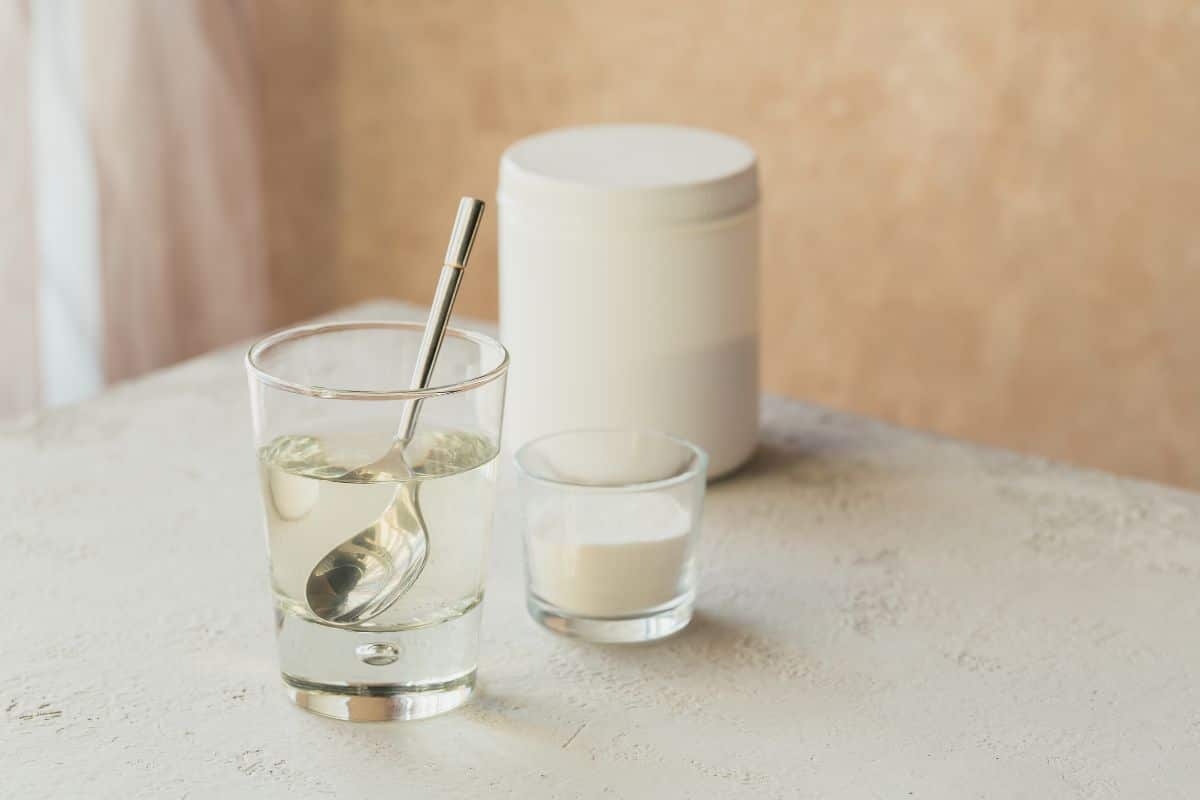
6+ Top private label collagen manufacturers
Wonnda works with the best private label collagen manufacturers. Here is a list of trusted suppliers from our network.
- Featured
NorVita
4.7Private LabelContract ManufacturingEstonia-based manufacturer producing vitamin d3 spray, vitamin d3 baby spray, beauty collagen gel, available to brands sourcing collagen.
- Country
- Estonia
- MOQ
- Lead time
- Featured
 Private LabelContract Manufacturing
Germany-based manufacturer producing denture cleansing tablets, dietary supplement capsules, dietary supplement tablets, available to brands sourcing collagen.
- Country
- Germany
- MOQ
- Lead time
- Featured
 Contract ManufacturingPrivate LabelWhite Label
San Marino manufacturer of supplements, medical devices and aesthetic skincare
- Country
- San Marino
- MOQ
- From 100 units for cosmetics; 500 units for injectables; 5,000 units for food supplements.
- Lead time
- About 4 weeks
- Featured
 Private LabelContract Manufacturing
Slovenia-based manufacturer producing vitamin c capsules, vitamin d3 capsules, multivitamin tablets, available to brands sourcing collagen.
- Country
- Slovenia
- MOQ
- Lead time
 Private LabelContract Manufacturing
USA-based manufacturer producing dietary supplements, pet supplements, pet grooming products, available to brands sourcing collagen.
- Country
- USA
- MOQ
- Lead time
 Private LabelContract Manufacturing
Poland-based manufacturer producing classic energy drinks, bcaa beverages, fruit juices, available to brands sourcing collagen.
- Country
- Poland
- MOQ
- Lead time
Compare MOQs and lead times
Quick side-by-side of the shortlist. Missing values shown as a dash.
| Supplier | Location | Types | MOQ | Lead time |
|---|---|---|---|---|
| NorVita | Estonia | PL · CM | ||
| BMP Production | Germany | PL · CM | ||
| PromoPharma | San Marino | CM · PL · White Label · WS | From 100 units for cosmetics; 500 units for injectables; 5,000 units for food supplements. | About 4 weeks |
| Private Vitamin | Slovenia | PL · CM | ||
| GP Labs | USA | PL · CM | ||
| Brandsparkle | Poland | PL · CM |
Buyer criteria
- Verified peptide source and traceability
The animal source defines your allergen, religious and sustainability claims, so verify it is what the label says with documentation back to the processor. Marine relabeled from cheaper bovine is a known fraud. Ask for source traceability and, where relevant, halal, kosher or MSC-style sustainability certificates, since a source claim you cannot substantiate is both a marketing and a compliance liability.
- Honest and defensible dose
Efficacy claims for collagen rest on studied doses, often 5 to 10 g daily. Confirm the per-serving peptide dose matches what your marketing implies and is delivered in a realistic serving format. An under-dosed product hidden behind a small scoop or a single low-gram stick will not produce results, generating the disappointment that ends repeat purchase in a results-driven category.
- Cold-water solubility and mixability
Consumers add collagen to coffee, water and smoothies, so it must dissolve cleanly without grit, clumps or foam. Test production-representative samples in cold liquid yourself. Poor solubility is the most common complaint after taste, and it cannot be judged from a spec sheet, so insist on a dispersion demonstration before approving the blend.
- Flavor masking for the chosen source
Marine collagen carries a fishy note and bovine a mild broth note that the flavor system must mask. Evaluate the blender on whether the finished taste is clean in the intended use, especially in plain water for unflavored or lightly flavored products. A great peptide poorly masked tastes off in every cup, so flavor capability is a core qualification, not a finishing touch.
- Supporting active formulation capability
Most collagen products add vitamin C, hyaluronic acid, biotin or zinc to build a beauty stack. Confirm the blender can source and evenly distribute these low-inclusion actives and that the additions are dosed to defensible levels rather than fairy-dusted for the label. Ask how blend uniformity is verified for the smallest-inclusion ingredient in the stack.
- Format capability for sticks and shots
If you want single-serve stick packs or RTD shots for convenience positioning, confirm the manufacturer runs that format in-house rather than subcontracting. Stick and shot lines have their own tooling, minimums and fill-accuracy challenges. A blender that only fills tubs cannot deliver the on-the-go format that increasingly drives the category without adding a second partner.
- GMP, heavy-metal and microbiological control
Collagen is an animal-derived protein with real heavy-metal and microbiological risk, so require GMP and food-safety certification plus per-batch heavy-metal and micro testing. Confirm the certification scope covers powdered supplements. For marine collagen, ask specifically about heavy-metal screening, since fish-derived materials warrant particular attention to contaminant limits.
Red flags
- Source claim without traceability
A marine or grass-fed bovine claim with no documentation back to the processor cannot be trusted, and marine relabeled from cheaper bovine is a documented fraud. If the blender cannot trace the peptide to its source and provide the relevant certificates, treat the premium source claim as unsubstantiated, because it is exactly the claim a customer pays extra for and a regulator will probe.
- Tiny dose behind a small scoop
If the serving delivers well under the studied 5 to 10 g while the marketing implies clinical results, the product is engineered to look efficacious while minimizing peptide cost. Check the grams per serving against the claims. An under-dosed collagen produces no visible benefit, and beauty-from-within lives or dies on customers seeing a result and reordering.
- No cold-water solubility demonstration
A blender unwilling to show the product dissolving cleanly in cold water is hiding grit, clumping or foaming. Solubility is the second-biggest complaint driver after taste and cannot be assessed on paper. Refusal to demonstrate dispersion on production-representative material usually means the blend performs poorly in the glass, where the customer judges it daily.
- Unmasked source taste
Marine collagen that still tastes fishy, or bovine that tastes of broth, signals weak flavor capability. If samples taste off in the intended use, especially plain water, the problem will reach every customer. A blender that cannot deliver a clean taste on the source you have chosen will leave you with a product that performs in efficacy but fails on the very first sip.
- Fairy-dusted co-actives
Vitamin C, hyaluronic acid or biotin listed on the label at token levels too low to matter is a marketing tactic that inflates the ingredient panel without delivering function. Ask for the actual inclusion levels of every supporting active. A stack that looks impressive but is dosed below any meaningful threshold misleads customers and invites claim scrutiny.
- No heavy-metal testing on animal peptide
Collagen is animal-derived and carries genuine heavy-metal risk, especially marine sources. A manufacturer that does not test each batch for heavy metals and microbiology is exposing your brand to contaminant and safety failures. In a product taken daily at multi-gram doses, missing contaminant testing is disqualifying regardless of how attractive the peptide price appears.
Manufacturing process
- 01
Peptide source selection and procurement
The brand fixes the source (bovine, marine, porcine, or type II) and the blender procures hydrolyzed collagen peptide to a specification for peptide molecular weight, protein content, ash and source traceability. Source dictates allergen status, religious certification, and price, so it is locked before anything else. Incoming peptide is tested for identity, microbiology and heavy metals.
- 02
Dose and stack formulation
The daily peptide dose (commonly 5 to 10 g) is set against the price target, then supporting actives are added: vitamin C as a synthesis cofactor, hyaluronic acid, biotin, zinc. The dose is both an efficacy and a cost decision, since doubling the peptide roughly doubles the dominant raw-material cost. The stack is designed to a defensible serving size.
- 03
Flavor and solubility system development
Flavors, sweeteners and acids are developed to mask the source note, sharper for marine than bovine, and to deliver clean cold-water solubility without grit or foam. Collagen must dissolve in a glass or shaker without clumping. This step is where marine collagen products succeed or fail, since an unmasked fishy note kills reorder.
- 04
Dry blending
Peptide, flavors, acids and co-actives are blended to a validated uniformity so every serving delivers the labeled dose and the supporting stack. Fine flavor powders and the bulk peptide must combine without segregating across the batch. Blend uniformity is sampled before filling to confirm even distribution of low-inclusion actives such as vitamin C.
- 05
Solubility and dispersion check
Production-representative blend is dissolved in cold water to confirm it disperses cleanly, hydrates without lumps, and leaves no grit or persistent foam. Collagen is judged by the consumer on how it mixes into coffee, water or a smoothie, so this functional check is run before committing to the fill, not after complaints arrive.
- 06
Filling into format
Blend is filled into tubs, single-serve stick packs, sachets, or dosed into RTD shots. Stick packs and shots carry higher tooling and material cost but command convenience premiums. Fill weight is checked continuously so each stick or scoop delivers the labeled peptide dose, which is the basis of the efficacy claim.
- 07
Quality control and source verification
QC tests protein content, microbiological limits, heavy metals and, where claimed, peptide molecular weight. Source authenticity matters: marine must be marine, not cheaper bovine relabeled. Allergen declarations (fish for marine) are verified. Per-batch certificates of analysis document peptide content, source and safety for traceability.
- 08
Labeling, lot coding and packing
Products are labeled with the peptide source, dose, allergen declarations, lot code and expiry, then cartoned and palletized. Source and dose are the claims most scrutinized, so labeling must match the formula exactly. Lot codes trace finished units back to the peptide lot, supporting any authenticity or quality investigation.
Understanding collagen private-label manufacturing
Collagen Sources and Their Impact
Collagen supplements offer a structural protein, hydrolyzed into short peptides for bodily absorption, promising support for skin, hair, nails, and joints.
For private label brands, the raw peptide's animal source - bovine hide, porcine, marine fish skin, or chicken cartilage - is a critical decision. This choice determines price, label claims, target audience, and regulatory/religious positioning.
- Bovine collagen: Affordable, rich in type I and III, suitable for skin and general beauty positioning.
- Marine collagen: Premium, with a cleaner sustainability and pescatarian narrative. Smaller peptide sizes are often marketed as more bioavailable, but require flavor masking and fish-allergen declarations.
- Porcine collagen: Cost-effective but excludes halal, kosher, and a significant portion of the beauty market.
- Type II collagen (chicken or cartilage): Specifically targets joint support.
Many brands enhance collagen products with vitamin C, hyaluronic acid, biotin, or zinc to create a comprehensive beauty stack.
The collagen skin-care supplements segment was valued near 1.03 billion USD in 2024, with a projected growth of about 7.4 percent CAGR through 2033 (Grand View Research). The overall collagen market, including food, beverage, and cosmetics, reached approximately 10.4 billion USD in 2024 and is expected to more than double by 2033. Beauty-from-within is among the fastest-growing supplement narratives.
Production, MOQs, and Lead Times
Collagen peptide production and blending for Europe utilize global peptide suppliers, including large processors in Germany, France, and Brazil for bovine collagen, and Southeast Asian and European processors for marine collagen. Contract blenders and fillers are found across Germany, the Netherlands, Italy, Poland, and the UK.
Collagen is typically sold as flavored or unflavored powder in tubs, sachets, or stick packs, or integrated into ready-to-drink shots. Capsules represent a smaller market share due to the large effective dose - often 5 to 10 g per day - which is impractical for a few capsules.
MOQs for custom powder blends generally range from 1,000 to 5,000 units, with lower MOQs for relabeled stock peptide. Lead times usually span 6 to 12 weeks, which can extend with marine sourcing.
Cost drivers include, in order: peptide source and grade, dose per serving (a 10 g daily dose uses twice the peptide of a 5 g one), format and packaging (stick packs and RTD shots are more expensive than bulk tubs), and the flavor system.
Target Audience and Differentiation
Private label collagen buyers are primarily beauty and wellness D2C brands, followed by aesthetics clinics, practitioner ranges, retailer beauty-supplement lines, and increasingly mainstream beauty and grocery outlets as the category expands.
Differentiation can be achieved through:
- Source story (marine, grass-fed bovine)
- Peptide bioavailability claims
- Supporting active ingredient stack
- Convenient formats (e.g., single-serve sticks for on-the-go use)
- Flavor
Qualifying a partner based on peptide source transparency, dose accuracy, and effective flavor masking is more crucial than headline price. An under-dosed or fishy-tasting collagen product can hinder repeat purchases, which are vital for beauty-from-within product success.
How private label works for collagen
Collagen private label is a blending and formatting business built on a single dominant raw material: hydrolyzed collagen peptide. The brand selects the animal source, sets the per-serving dose, designs any supporting active stack, and chooses the format, while the blender procures peptide to specification, develops the flavor and solubility system, and fills the chosen format. Because the peptide is the product, the decisions that matter most are source and dose, with flavor and format determining whether customers stick with it.
The briefing sequence is unusual for a supplement: source comes before everything because it sets price, allergen status, religious certification and audience at once. Dose follows, as both an efficacy and a cost decision. Only then do flavor, co-actives and format get designed. A brand that picks a format or a price point before settling source and dose usually has to unwind those decisions, since a premium marine sustainability story and a bargain price point cannot coexist.
A second factor that brands underestimate is molecular weight and peptide profile. Hydrolysis cuts the collagen protein into shorter fragments, and the degree of that hydrolysis governs both solubility and the absorption story a brand can credibly tell. A blender that can specify peptide molecular weight, not just source, gives a brand a sharper bridge between the raw material and the claim, and lets the product dissolve cleanly into cold liquid rather than clumping at the bottom of the glass.
What separates premium from commodity collagen
Premium collagen is defined by source provenance, honest dosing, and clean solubility and taste. A commodity product uses the cheapest bovine or porcine peptide, doses below studied levels behind a small scoop, and relies on heavy flavoring. A premium product specifies a traceable source such as grass-fed bovine or sustainably caught marine, delivers a full studied dose, and invests in solubility and masking so the product performs in the cup.
Dose honesty is the quiet integrity line in collagen. Because the peptide is the dominant cost, under-dosing is the easiest way to protect margin, and it is invisible to the customer until weeks pass with no visible benefit. Brands that deliver studied doses and traceable sources earn the repeat purchase that beauty-from-within depends on, while under-dosed commodity products churn customers who conclude collagen does not work.
The other premium marker is the co-active stack. A commodity collagen is peptide and flavor. A premium one pairs the peptide with meaningfully dosed vitamin C to support the body's own collagen synthesis, and may add hyaluronic acid, biotin or zinc tuned to a beauty or joint position. The discipline is dosing those co-actives to levels that matter rather than fairy-dusting them onto the label, since a stack that looks impressive but underdelivers fails the same trust test as an underdosed peptide.
Sourcing geography for collagen peptide
Collagen peptide production is global and source-specific. Bovine peptide draws heavily on large processors in Germany, France and Brazil, marine peptide on European and Southeast Asian fish-processing supply chains, and type II on poultry and cartilage processors. Contract blending and filling for the European market concentrate in Germany, the Netherlands, Italy, Poland and the UK, where peptide is combined with flavors and co-actives and filled into tubs, sticks or shots.
For EU brands, blending within Europe simplifies traceability, supports provenance claims, and shortens lead times, while the peptide itself often originates from a few large global processors regardless of where blending happens. Marine sourcing adds supply tightness and reinforces the need for heavy-metal screening. The provenance story of grass-fed, marine or sustainably sourced peptide is increasingly central to differentiation, and it only holds up with traceability back to the processor.
Cost structure breakdown
The collagen cost stack is led by the peptide, scaled by the dose. A higher per-serving gram count is the biggest single cost driver, followed by source grade, format, flavor system and co-actives.
- Peptide source and dose: the dominant cost; marine and premium bovine cost more, and every extra gram per serving multiplies across the run.
- Format: single-serve sticks and ready-to-drink shots cost more per dose than bulk tubs because of tooling and material.
- Flavor and co-actives: masking systems and meaningfully dosed vitamin C, hyaluronic acid or biotin.
- Filling and packaging: tub, sachet or shot filling plus artwork minimums.
- Quality control: heavy-metal, microbiological and source-authenticity testing.
Sourcing discipline means treating the dose as a deliberate efficacy-and-cost decision rather than a hidden lever to cut, and choosing format with eyes open to its per-dose premium. Because peptide is a traded raw material, its price moves with cattle and fish processing economics, so a brand on a tight margin should agree how price swings are handled before locking a retail price it cannot defend.
Compliance and certification landscape
Collagen is regulated as a food supplement, with mandatory allergen labeling for marine sources and source declarations that underpin halal, kosher and sustainability claims. Manufacturers should hold good-manufacturing-practice and food-safety certification, and given the animal-derived raw material, per-batch heavy-metal and microbiological testing is essential rather than optional. Marine collagen in particular warrants careful contaminant screening.
Claims are a sensitive area: beauty and joint benefits must align with what is permitted in the target market, and only authorized claims may appear on the label. Source authenticity is both a marketing and a compliance matter, since a marine or grass-fed claim must be substantiated by traceability. A manufacturer experienced in your markets will flag claim limits, required allergen declarations and the documentation needed to support premium source positioning before they become a relabeling or enforcement problem.
What drives demand in the collagen category
Collagen has moved from a niche joint supplement into mainstream beauty-from-within, and that shift shapes how brands should source. The audience now skews toward skin, hair and nail positioning, which rewards clean taste, convenient single-serve formats and a credible provenance story over clinical austerity. Ready-to-mix sticks and drinkable shots have grown as the category chases routine and portability, and they carry the format premium noted above in exchange for higher perceived value and easier daily compliance.
Demand also rewards specificity. Vegan collagen builders, which supply the cofactors for the body's own synthesis rather than animal peptide, address consumers who reject animal sourcing, and they are a different product to brief, not a drop-in swap. Type II collagen for joints, marine for clean-beauty positioning and grass-fed bovine for value-conscious premium each map to a distinct buyer. A brand that matches source, format and co-active stack to one of these clear demand pockets sources a coherent product, while one that tries to serve everyone with a single generic tub competes only on price in the category's most crowded tier.
Industry insights
Frequently asked questions
Which collagen source should I choose: bovine, marine, porcine, or type II?+
How many grams of collagen per serving should my product deliver?+
Why is collagen usually a powder rather than capsules?+
How do I stop marine collagen from tasting fishy?+
Does adding vitamin C to collagen actually do anything?+
What MOQ should I expect for private label collagen?+
Can one manufacturer make both collagen tubs and single-serve sticks?+
How do I verify my marine collagen is genuinely marine?+
Explore adjacent product types
Get a vetted shortlist of collagen suppliers in 48 hours.
Post a brief on Wonnda. Free, no commitment. We match you with vetted manufacturers that fit your MOQ, format and market.