
Best private label matcha manufacturers
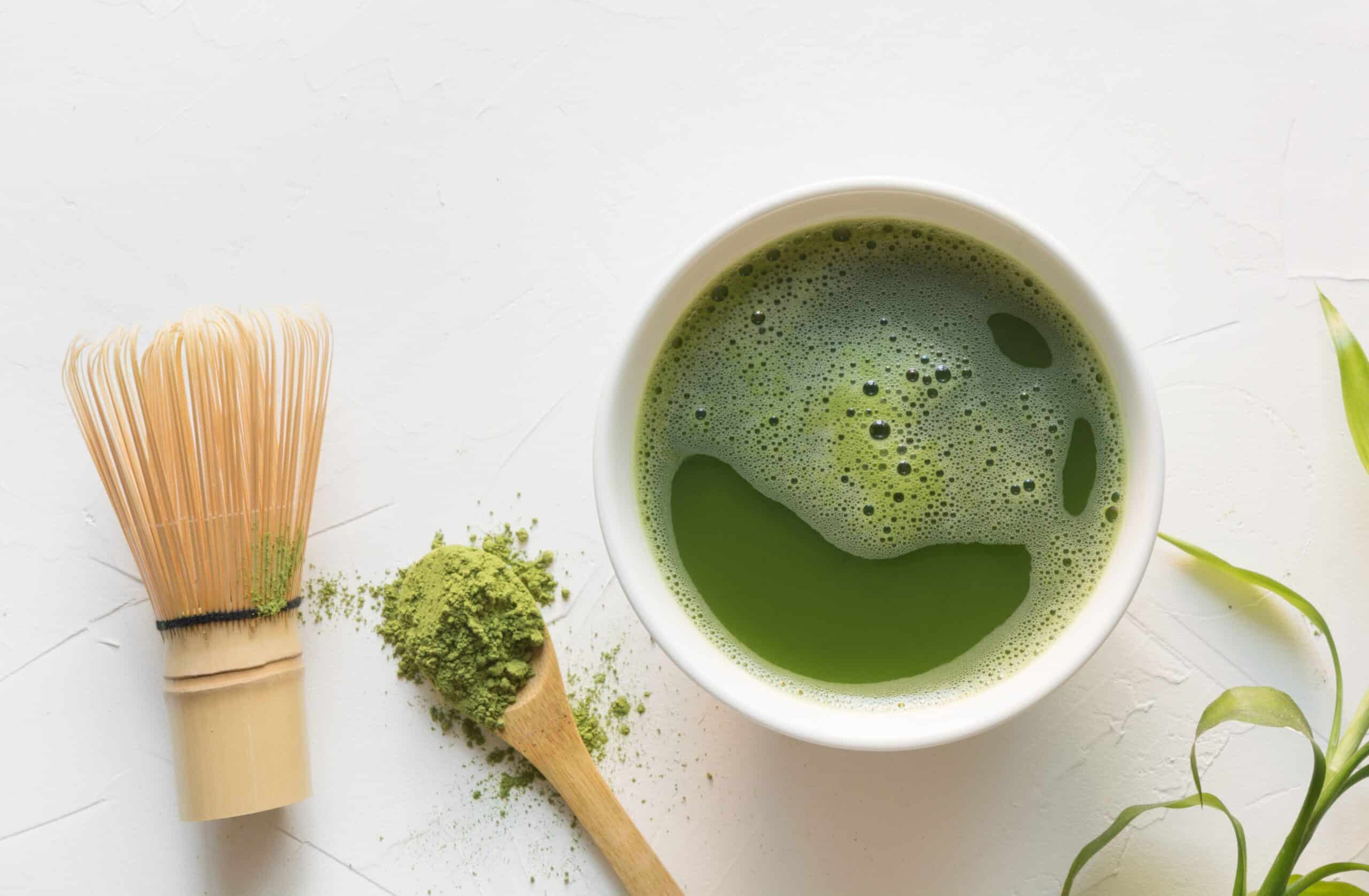
Wonnda connects brands with private label matcha manufacturers. Sourcing decisions center on the raw material's origin, grade, color, and particle fineness, as the entire leaf is consumed rather than steeped. Whether for ceremonial use or culinary applications, manufacturers can provide specific grades of the shade-grown green tea powder. Considerations for manufacturing include light-protected packaging options to preserve quality and freshness, ensuring the matcha retains its vibrant characteristics.
- Vetted suppliers
- 20,000+
- Brands & buyers
- 25,000+
- EU-made
- 80%
5+ Top private label matcha manufacturers
Wonnda works with the best private label matcha manufacturers. Here is a list of trusted suppliers from our network.
 Private LabelContract Manufacturing
Europe-based manufacturer producing organic matcha powder, conventional matcha powder, green tea bulk products, available to brands sourcing matcha.
- Country
- -
- MOQ
- Lead time
 Private LabelContract Manufacturing
Europe-based manufacturer producing moya matcha traditional, moya matcha culinary, moya matcha daily, available to brands sourcing matcha.
- Country
- -
- MOQ
- Lead time
 Private LabelContract Manufacturing
Europe-based manufacturer producing protein bars, nutrition bars, energy bars, available to brands sourcing matcha.
- Country
- -
- MOQ
- Lead time
 Private LabelContract Manufacturing
Europe-based manufacturer producing ceremonial matcha powder, culinary matcha powder, hojicha powder, available to brands sourcing matcha.
- Country
- -
- MOQ
- Lead time
 Private LabelContract Manufacturing
Europe-based manufacturer producing culinary grade matcha powder, premium grade matcha powder, ceremonial grade matcha powder, available to brands sourcing matcha.
- Country
- -
- MOQ
- Lead time
Compare MOQs and lead times
Quick side-by-side of the shortlist. Missing values shown as a dash.
| Supplier | Location | Types | MOQ | Lead time |
|---|---|---|---|---|
| The Matcha House | - | PL · CM | ||
| Moya Matcha | - | PL · CM | ||
| Health Bar | - | PL · CM | ||
| Aiya Europe | - | PL · CM | ||
| Riching Matcha | - | PL · CM |
Buyer criteria
- Grade authenticity and harvest
Confirm whether the powder is genuine first-flush ceremonial leaf or a later culinary harvest, since both are sold under loose marketing terms. Ask for the harvest, the origin region and a sample to verify color and umami. A supplier vague about harvest timing is likely blending grades or overstating quality for the price.
- Color and particle consistency
Bright jade color and an ultrafine, non-gritty particle define good matcha. Ask how the supplier controls color batch to batch and whether grinding is genuine stone-milling or a faster mechanical mill that runs coarser and warmer. Request samples across batches, because color and texture are the first things a consumer judges.
- Contaminant testing on whole leaf
Because matcha is consumed whole rather than steeped, heavy metals and pesticide residues are not diluted away. Require certificates of analysis for lead, other heavy metals and pesticide screens against EU limits, plus microbiological results. This matters more for matcha than for steeped tea and should be non-negotiable.
- Origin traceability and provenance
If you make a Japanese-origin claim such as Uji or Kagoshima, verify documentation back to the growing region, since origin is a core part of matcha pricing and storytelling. Confirm whether the supplier ships true single-origin or blends across origins, because a mislabeled origin is both a compliance and a trust risk.
- Protective packaging capability
Matcha degrades fast in light, oxygen and humidity. Confirm the supplier fills into opaque, resealable, low-oxygen packs and can nitrogen-flush where needed. Ask about expected shelf life in the chosen pack, because a clear jar or a non-resealable pouch will let color and flavor fade well before the best-before date.
Red flags
- Dull or yellow-green color
Vivid jade green signals fresh, well-shaded leaf processed quickly. A dull, yellowish or brownish powder indicates older leaf, oxidation, or poor storage. Color is the clearest visible quality signal in matcha, so a supplier whose samples look faded is offering low grade regardless of how it is described on the spec sheet.
- No contaminant certificates
Since the entire leaf is ingested, a supplier who cannot produce heavy-metal and pesticide-residue results is unacceptable. Lead and pesticide exposure are real risks in tea, and without batch certificates against EU limits you cannot prove your product is safe or compliant. Treat missing contaminant data as disqualifying.
- Ceremonial claim at culinary price
If a supplier offers ceremonial grade far below the going rate, it is almost certainly later-harvest culinary leaf relabeled. Genuine first-flush stone-ground matcha is slow to produce and seasonal. A price that looks too good signals grade misrepresentation, which will show up as bitterness and dull color in the cup.
- Clear or non-resealable packaging
Offering matcha in a clear jar or a pack that does not reseal shows the supplier does not understand the product. Light and oxygen fade matcha within weeks once opened. A partner who proposes packaging that fails to protect color and flavor will leave you with stale-tasting product before the printed expiry.
Manufacturing process
- 01
Shade growing and harvest
Tea plants are shaded for several weeks before picking, which raises chlorophyll and amino acids and gives matcha its color and umami. The youngest spring leaves yield ceremonial grade, later harvests culinary grade. Harvest timing at origin sets both the grade and the seasonal availability of the finished powder.
- 02
Steaming and drying
Picked leaves are steamed quickly to halt oxidation, preserving the green color that distinguishes matcha from oxidized teas, then dried. This produces an intermediate called aracha. Fast, controlled processing right after harvest is what keeps the bright green hue rather than a dull brown tone.
- 03
Deveining and sorting into tencha
Stems and veins are removed and the leaf is sorted, leaving the pure leaf flesh called tencha. Removing the fibrous parts is what allows a smooth, non-gritty grind. Grade is largely determined here by how young and clean the selected leaf is.
- 04
Stone grinding
Tencha is ground on granite mills into an ultrafine powder, traditionally slowly to avoid heat that would dull color and flavor. Genuine stone milling produces a fine particle size that suspends in water, but it is slow, which limits volume and is a key reason ceremonial matcha is expensive and seasonal.
- 05
Quality and contaminant testing
Powder is checked for color, particle fineness, sensory profile and contaminants. Because the whole leaf is consumed, heavy metals and pesticide residues are tested rather than diluted by steeping. Reputable suppliers provide certificates of analysis covering these along with microbiological limits.
- 06
Light-protected packing
Matcha is filled into opaque, resealable, low-oxygen packaging such as tins or foil pouches, often nitrogen-flushed, then lot-coded with a best-before date. Color and flavor fade fast in light, air and heat, so protective packing is functional and directly determines how the product looks and tastes at the point of use.
Understanding matcha private-label manufacturing
Matcha Grades and Origins
Matcha is a shade-grown green tea leaf, deveined, and stone-ground into an ultrafine powder. Unlike other teas, there is no infusion step; the whole leaf is consumed as powder. This makes grade, color, particle fineness, and origin directly visible and tasted by the consumer.
The primary choice is between ceremonial and culinary grade. Ceremonial matcha, from the youngest spring leaves, is finely ground with a vivid green color, smooth umami, and minimal bitterness, intended for drinking straight. Culinary grade uses later harvests, is slightly coarser and more astringent, and is priced for lattes, baking, and smoothies where other ingredients mask sharpness. Most brands offer both grades.
Origin is also a key factor. Japanese matcha from regions like Uji and Kagoshima commands a premium and offers a provenance story. Chinese-grown matcha is more cost-competitive and often used for culinary lines.
Sourcing, MOQs, and Lead Times
True stone-ground matcha is produced at origin. Private label sourcing typically involves contracting a Japanese or Chinese producer, or a European importer-packer. These partners purchase bulk powder and fill retail formats under food-safety certification.
Lead times for sourcing from origin range from 8 to 14 weeks. These times are influenced by harvest timing, grinding capacity, and shipping. Matcha is seasonal, and spring-harvest ceremonial grade is limited and sells through quickly.
Minimum Order Quantities (MOQs) for a custom retail pack generally start around 100 to 300 kg of powder. MOQs may be lower for relabeling an importer's stock grade.
Cost Factors and Packaging
Cost is primarily driven by grade and harvest, with first-flush ceremonial leaf being significantly more expensive than culinary grade. Origin also impacts cost, with Japanese matcha being dearer than Chinese. The grinding method plays a role, as genuine stone-milling is slow and limits volume.
Packaging is functional rather than cosmetic due to matcha's sensitivity to oxidation, light, and air. An opaque, resealable, low-oxygen pack, such as a tin or a foil pouch with a valve, is essential to protect color and flavor and contributes to the overall cost.
Quality Assurance and Target Markets
Private label matcha buyers include D2C wellness and tea brands, cafes, barista lines needing consistent latte-grade powder, and retailer health ranges. The channel dictates the format: D2C and retail prefer resealable tins and pouches, while foodservice requires bulk culinary grade.
Qualifying a supplier involves evaluating grade authenticity, color and particle consistency, heavy-metal and pesticide testing, and harvest traceability. These factors are more critical than headline price. Faded, dull, or gritty matcha is immediately obvious to consumers and negatively impacts repeat purchases in a category where color and smoothness are key selling points.
Frequently asked questions
What is the difference between ceremonial and culinary matcha for my range?+
Should I source matcha from Japan or China?+
Why does matcha need special packaging?+
How is matcha tested for safety?+
What MOQ and lead time should I plan for matcha?+
Can a supplier add flavors or blends to matcha?+
Explore adjacent product types
Get a vetted shortlist of matcha suppliers in 48 hours.
Post a brief on Wonnda. Free, no commitment. We match you with vetted manufacturers that fit your MOQ, format and market.