
Best private label reishi mushroom manufacturers
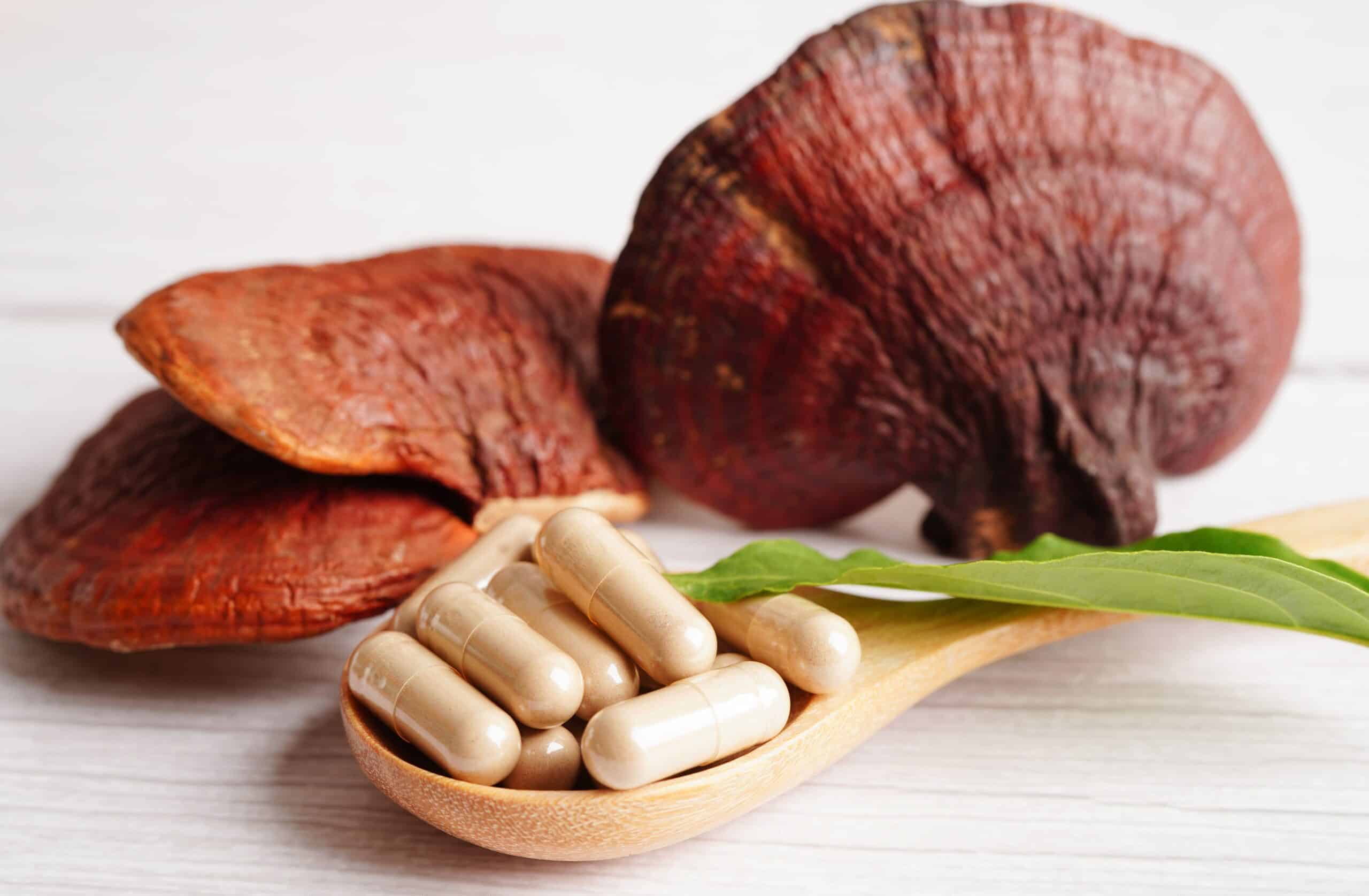
Wonnda connects brands with private label reishi mushroom manufacturers. This medicinal mushroom is widely cultivated, making ingredient integrity centered on whether the fruiting body or mycelium is used. Extracts typically specify beta-glucan and triterpene content, with dual extracts being common. Reishi is frequently formulated into supplements for calming, immune support, and stress resilience.
- Vetted suppliers
- 20,000+
- Brands & buyers
- 25,000+
- EU-made
- 80%
6+ Top private label reishi mushroom manufacturers
Wonnda works with the best private label reishi mushroom manufacturers. Here is a list of trusted suppliers from our network.

ANilab
4.9Private LabelContract ManufacturingSlovakia-based manufacturer producing mushroom coffee (lion’s mane, reishi, cordyceps), functional instant beverage blends, nespresso© compatible capsules for functional mushrooms and teas, available to brands sourcing reishi mushroom.
- Country
- Slovakia
- MOQ
- 500 units
- Lead time
- On request
Mighty Fungi
4.7Private LabelContract ManufacturingEstonia-based manufacturer producing lion's mane extract, red reishi extract, chaga extract, available to brands sourcing reishi mushroom.
- Country
- Estonia
- MOQ
- Lead time
 Private LabelContract Manufacturing
Europe-based manufacturer producing nutritional supplements, private label supplements, custom formulation services, available to brands sourcing reishi mushroom.
- Country
- -
- MOQ
- Lead time
 Private LabelContract Manufacturing
Estonia-based manufacturer producing chaga mushroom extract, reishi mushroom extract, lion's mane mushroom extract, available to brands sourcing reishi mushroom.
- Country
- Estonia
- MOQ
- Lead time
 Private LabelContract Manufacturing
Europe-based manufacturer producing organic mushroom extract powder, mushroom extract (bulk), organic mushroom powder, available to brands sourcing reishi mushroom.
- Country
- -
- MOQ
- Lead time
 Private LabelContract Manufacturing
Europe-based manufacturer producing vitamin capsules, mineral tablets, enzyme supplements, available to brands sourcing reishi mushroom.
- Country
- -
- MOQ
- Lead time
Compare MOQs and lead times
Quick side-by-side of the shortlist. Missing values shown as a dash.
| Supplier | Location | Types | MOQ | Lead time |
|---|---|---|---|---|
| ANilab | Slovakia | PL · CM | 500 units | On request |
| Mighty Fungi | Estonia | PL · CM | ||
| Rocket Science Nutrition | - | PL · CM | ||
| Natural Chaga OÜ | Estonia | PL · CM | ||
| BioFungi Supplements | - | PL · CM | ||
| Supplement Factory UK | - | PL · CM |
Buyer criteria
- Fruiting body, not grain-grown mycelium
Reishi actives concentrate in the fruiting body, so confirm the product uses fruiting-body extract rather than mycelium grown on grain, which is largely starch substrate. Ask the manufacturer to state the part of the organism used. A mycelium-on-grain product sold as reishi delivers little of the actives, so this is the first authenticity question to settle.
- Beta-glucan and triterpene verification
Beta-glucans and reishi-specific triterpenes are the meaningful active measures, so confirm the manufacturer standardises and assays both rather than quoting total polysaccharides, which grain starch inflates. Ask for both figures on a Certificate of Analysis, since a dual-extract reishi positioned on its full profile should show a verified triterpene content as well as beta-glucans.
- Low starch as authenticity proof
A high starch level signals grain substrate from mycelium cultivation rather than genuine fruiting body. Confirm the manufacturer tests starch and that it is low. Together with beta-glucan and triterpene figures, the starch level reveals whether the powder is concentrated fruiting-body active material or a diluted mycelium-on-grain product wearing the reishi name.
- Dual extraction for the full profile
Reishi's distinctive triterpenes are alcohol-soluble, so a hot-water-only extract captures beta-glucans but misses them. If your positioning rests on reishi's full traditional profile, confirm the manufacturer offers a dual extract and can show triterpene content. A water-only extract is acceptable for a beta-glucan focus but not for a complete reishi claim.
- Heavy-metal and microbiological control
Cultivated mushrooms can still accumulate contaminants, so confirm each batch is screened for heavy metals and microbiology, and that the extract source is qualified. Ask for per-batch testing. In a daily-use supplement, contaminant control protects safety regardless of how attractive the extract price is, and supports the premium positioning reishi carries.
Red flags
- Mycelium on grain sold as reishi
If the product is mycelium grown on grain rather than fruiting body, much of the powder is starch substrate and the true reishi actives are low, even though the label says reishi. A manufacturer presenting grain-grown mycelium as equivalent to fruiting body is the central authenticity failure in mushroom supplements and a clear reason to source elsewhere.
- Triterpenes never mentioned
A reishi product positioned on its traditional profile that never references triterpene content may be a hot-water-only extract or a low-grade material missing reishi's distinctive alcohol-soluble compounds. If the manufacturer cannot discuss or assay triterpenes, treat a full-profile reishi claim as unsupported and the extract as incomplete.
- Total polysaccharides instead of beta-glucans
Reporting total polysaccharides rather than beta-glucan content can mask a low true active level inflated by grain starch. Beta-glucans are the meaningful measure. A house that leans on a total-polysaccharide figure and will not provide a beta-glucan assay is presenting an unreliable picture of potency.
- No starch test on the powder
Without a starch test you cannot distinguish genuine fruiting-body extract from diluted mycelium-on-grain material. A manufacturer that does not measure starch alongside the actives cannot prove authenticity, which is the defining quality risk in reishi and the easiest fraud for a buyer to be caught by.
Manufacturing process
- 01
Fruiting-body sourcing and identity
Reishi fruiting body is sourced from cultivation specialists and verified for species identity, since the valued actives concentrate in the fruiting body rather than grain-grown mycelium. The part of the organism is confirmed at the start, because a product built on mycelium-on-grain will be high in starch and low in true reishi actives regardless of later processing.
- 02
Extraction method selection
An extraction method is chosen to release the bioactives from the chitinous structure: hot-water extraction for beta-glucans, or dual extraction adding an alcohol step to capture the alcohol-soluble triterpenes distinctive to reishi. Raw powder is avoided for an efficacy product, since the actives are not accessible from unextracted material.
- 03
Extraction and standardisation
The fruiting body is extracted and standardised to target beta-glucan and, for dual extracts, triterpene levels, the meaningful active measures for reishi. The extraction ratio is documented. A reputable processor measures beta-glucans and triterpenes specifically rather than total polysaccharides, which grain starch can inflate to mask a low true active content.
- 04
Formulation and format
The standardised extract is formulated to the target dose in a capsule, powder, or dual-extract liquid, with excipients or carriers for clean flow. Reishi is bitter from its triterpenes, so taste is considered for powder and liquid formats. The dose is set against the standardised actives so the serving delivers a meaningful amount of beta-glucans and triterpenes.
- 05
Blending and encapsulation or filling
Extract and excipients are blended to a validated uniformity, then encapsulated or filled with in-process dose checks. Blend uniformity is sampled so the extract distributes evenly across the batch, and fill weight or volume is checked so each unit carries the intended extract dose. Capsules suit reishi by avoiding its bitter taste.
- 06
Quality control and authenticity testing
Finished product is assayed for beta-glucan and triterpene content, tested for starch as a fruiting-body authenticity check, and screened for heavy metals and microbiology. Per-batch certificates of analysis document the active content and the starch level, which together evidence that the product is genuine fruiting-body extract rather than diluted mycelium.
- 07
Packaging, labelling and lot coding
Product is bottled or filled, labelled with the extract type, the part of the organism used, dose, active content where claimed, allergen information, lot code, and expiry, then case-packed. Honest labelling specifies fruiting-body extract rather than implying it for a mycelium product, with lot codes tracing finished units back to the extract lot.
Understanding reishi mushroom private-label manufacturing
Understanding Reishi Sourcing and Extraction
Reishi (Ganoderma lucidum) is a popular cultivated medicinal mushroom, often used in supplements for calming, immune support, and stress resilience. Unlike wild-foraged species, reishi is typically cultivated on logs or sawdust. The crucial aspect of sourcing reishi lies in identifying the specific part of the organism used and its extraction method.
A key integrity issue for reishi is the distinction between fruiting-body and mycelium. The valuable bioactives, specifically beta-glucans and reishi-specific triterpenes, are concentrated in the fruiting body. These triterpenes also contribute to reishi's characteristic bitterness.
A common, cheaper alternative is mycelium grown on grain. In this method, the harvested powder primarily consists of the grain substrate rather than mushroom, a practice known as grain spawn dilution. This results in a product high in starch and low in true active compounds. A credible reishi supplement should be made from fruiting-body extract, evidenced by verified beta-glucan content and low starch levels, not inflated total-polysaccharide figures.
Extraction is essential for reishi due to its chitinous cell structure, which requires processing to access the bioactives. Hot-water extraction is used for beta-glucans. A "dual extraction" method adds alcohol to capture alcohol-soluble triterpenes, which are distinctive to reishi and contribute to its bitter taste. A reishi product aiming for a full traditional profile typically utilizes a dual extract. Triterpene content serves as a meaningful quality marker alongside beta-glucans.
MOQs, Lead Times, and Manufacturing
Reishi supplements are commonly available as capsules, powders, or sometimes dual-extract liquids. These are often produced by functional-mushroom houses that source extracts from specialized cultivation and extraction facilities, frequently located in Asia for the raw extract. Contract manufacturing for finished products often occurs in the EU, including countries like Germany, the Netherlands, Poland, and the UK.
Minimum Order Quantities (MOQs) typically range from 1,000 to 5,000 units for capsules and powders. Lead times for these products are generally between 6 to 12 weeks. The cost of reishi products is primarily determined by the extract grade, specifically whether it is fruiting body and dual-extracted. Other factors influencing cost include the final format, packaging, excipients, and testing.
Target Market and Quality Assurance
Private label reishi buyers are predominantly D2C brands focused on calm, sleep, and stress-related wellness, as well as adaptogen and functional-blend brands, and retailer functional ranges. Reishi is commonly positioned within evening and relaxation product stacks, distinguishing it from more stimulating mushroom varieties.
When selecting a partner, prioritize fruiting-body sourcing, verified beta-glucan and triterpene content, and low starch levels over initial pricing. Grain-grown mycelium sold as reishi provides minimal active compounds, which are crucial for the calming and immune-support positioning of the product.
Frequently asked questions
What is the difference between fruiting-body and mycelium reishi?+
Why are triterpenes important in a reishi product?+
How do I verify reishi quality on a Certificate of Analysis?+
Is reishi better suited to a calming or an energising product?+
Where is reishi extract made and how does that affect sourcing?+
What MOQ should I expect for private label reishi?+
Explore adjacent product types
Get a vetted shortlist of reishi mushroom suppliers in 48 hours.
Post a brief on Wonnda. Free, no commitment. We match you with vetted manufacturers that fit your MOQ, format and market.