
Best private label gluten-free pasta manufacturers
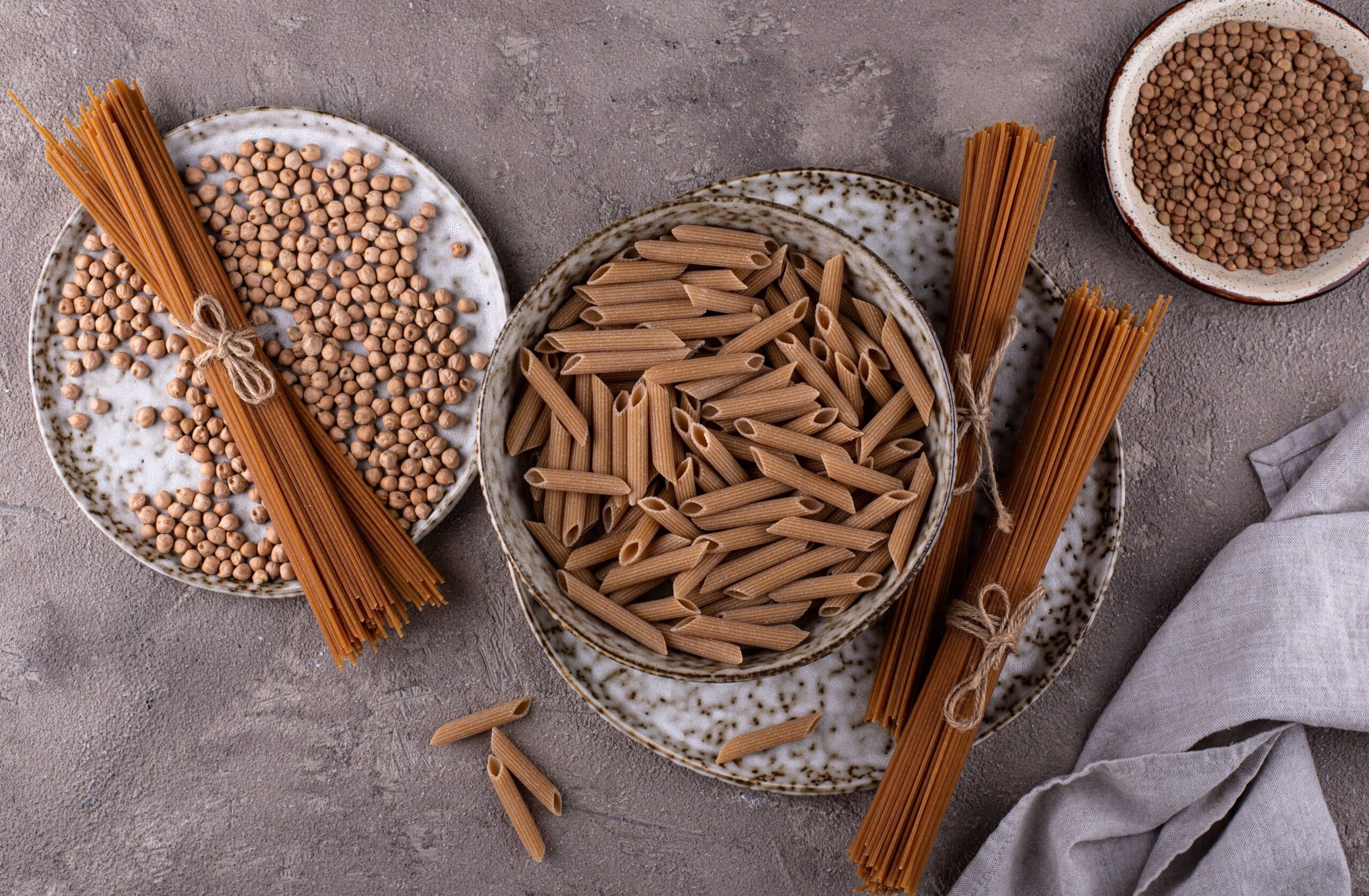
Shortlist private label gluten-free pasta suppliers on Wonnda. Sourcing involves corn, rice, or legume flours, available in dried or fresh formats. Key considerations include maintaining structural integrity and bite, ensuring it does not become mushy or fall apart during cooking. Credibility relies on a genuine gluten-free guarantee, often supported by controlled production and rigorous testing protocols for cross-contamination.
- Vetted suppliers
- 20,000+
- Brands & buyers
- 25,000+
- EU-made
- 80%
5+ Top private label gluten-free pasta manufacturers
Wonnda works with the best private label gluten-free pasta manufacturers. Here is a list of trusted suppliers from our network.
- Featured
 Private LabelContract Manufacturing
Poland-based manufacturer producing supplement powders, supplement capsules, konjac (shirataki) products: organic konjac noodles, rice, and spaghetti (low-calorie, gluten-free)., available to brands sourcing gluten-free pasta.
- Country
- Poland
- MOQ
- Lead time
 Private LabelContract Manufacturing
Europe-based manufacturer producing standard dry pasta, fresh pasta, gluten-free pasta, available to brands sourcing gluten-free pasta.
- Country
- -
- MOQ
- Lead time
 Private LabelContract Manufacturing
Italy-based manufacturer producing flavored pasta, specialty pasta, gluten-free pasta, available to brands sourcing gluten-free pasta.
- Country
- Italy
- MOQ
- Lead time
 Private LabelContract Manufacturing
Europe-based manufacturer producing durum wheat semolina pasta, egg pasta, whole wheat pasta with omega-3, available to brands sourcing gluten-free pasta.
- Country
- -
- MOQ
- Lead time
 Private LabelContract Manufacturing
Europe-based manufacturer producing gluten-free dry pasta, organic gluten-free pasta, special-infused pasta with spices and herbs, available to brands sourcing gluten-free pasta.
- Country
- -
- MOQ
- Lead time
Compare MOQs and lead times
Quick side-by-side of the shortlist. Missing values shown as a dash.
| Supplier | Location | Types | MOQ | Lead time |
|---|---|---|---|---|
| DIET-FOOD (Mipama) | Poland | PL · CM | ||
| Spaichinger | - | PL · CM | ||
| Pasta Dalla Costa | Italy | PL · CM | ||
| Pasta Maltagliati | - | PL · CM | ||
| Pasta Pangea | - | PL · CM |
Buyer criteria
- Dedicated or validated gluten-free facility
A credible gluten-free claim depends on production free of wheat cross-contact, so confirm whether the facility is dedicated gluten-free or runs validated segregation and cleaning from wheat lines. Ask how they prevent and verify against cross-contact. A shared facility without proven controls cannot guarantee the gluten-free status that is the entire basis of the product.
- Gluten testing regime
The gluten-free claim must be backed by testing that confirms levels below the legal threshold, so confirm the manufacturer's testing frequency and whether it covers product and line. Ask for test records and any certification. A producer that treats gluten testing as occasional or assumed, rather than systematic, leaves your free-from claim unsupported and your customers at risk.
- Cooking quality of the blend
Gluten-free pasta commonly fails by turning to mush or falling apart, so test the specific blend cooked to package instructions for bite, firmness, and shape integrity. A blend that cooks well within a forgiving window is far better than one that overcooks in seconds. Cooking quality varies sharply by flour base, so verify it on the exact recipe you intend to sell.
- Flour base fit for positioning
Match the flour base to your positioning: corn and rice for a neutral, wheat-like pasta, legume for high-protein and high-fiber claims at a premium. Confirm the taste, nutrition, and cooking tolerance suit your audience. A legume pasta sold to customers expecting a neutral wheat-like product, or vice versa, mismatches the flavor and texture to the buyer's expectation.
- Certification and labeling support
Many buyers expect a recognized gluten-free mark, so confirm the manufacturer's facility and testing support the certification you want, and that allergen labeling covers other allergens such as legumes. Ask which marks they can substantiate. Certification is a trust signal that the gluten-free channel often requires, so confirm it is genuinely backed rather than claimed.
Red flags
- Shared wheat facility without controls
A facility that also processes wheat without validated segregation, cleaning, and testing cannot guarantee a gluten-free product. Cross-contact with wheat is the central risk in this category, and a producer casual about it is exposing your customers, many of whom are coeliac, to harm and your brand to a failed claim. This is disqualifying for a gluten-free line.
- No systematic gluten testing
If the manufacturer cannot show regular gluten testing of product and line against the legal threshold, the gluten-free claim is unsupported. Assuming the recipe is gluten-free without testing ignores cross-contact risk. In a product whose entire value is a free-from guarantee, the absence of a real testing regime is a fundamental failure.
- Pasta that turns to mush
If the cooked samples go soft, sticky, or fall apart quickly, the blend and process have not solved the structural problem of gluten-free pasta. A product with a knife-edge cooking window that overcooks in seconds will frustrate every customer. Poor cooking quality is the most common practical failure in gluten-free pasta and must be ruled out on the actual recipe.
- Vague certification claims
A manufacturer that claims gluten-free certification but cannot specify the mark, the certifying scheme, or the testing behind it may be overstating its status. Since buyers and consumers rely on recognized marks as a guarantee, an unsubstantiated certification claim undermines trust and can expose your brand if challenged. Confirm any mark is genuinely held and supported.
Manufacturing process
- 01
Flour base selection and blending
The gluten-free flours, corn, rice, legume, or a blend, are chosen and combined to a recipe that balances taste, nutrition, cooking behavior, and cost. Without gluten, the blend and any structure-building ingredients must provide the bite and hold the shape. This formulation decision determines the product's character and its cooking tolerance.
- 02
Dough mixing
Flours are mixed with water, and sometimes other ingredients, to a dough that can be extruded into shape despite lacking gluten's elasticity. Hydration and mixing are controlled carefully, since gluten-free doughs behave very differently from wheat dough and are less forgiving, which makes the mixing step critical to a workable pasta.
- 03
Extrusion and shaping
The dough is extruded through dies to form the pasta shape. Die material and extrusion pressure affect surface texture and how well the shape holds, since gluten-free dough tends to be more fragile. Bronze dies give a rougher surface that holds sauce, while the extrusion must be tuned so shapes form cleanly without breaking.
- 04
Drying
Dried pasta is dried under a controlled temperature and humidity profile to remove moisture for shelf stability without cracking the more brittle gluten-free pasta. The drying curve is specific to the flour blend. Proper drying is essential for both shelf life and a pasta that cooks to the right texture rather than crumbling or going gummy.
- 05
Gluten testing and quality control
Product and line are tested to confirm gluten levels are below the legal gluten-free threshold, alongside cooking-quality checks for bite, firmness, and shape integrity after boiling. Testing backs the gluten-free claim and is not optional. Cooking trials verify the pasta holds together and does not turn to mush within the intended cooking window.
- 06
Packing, labeling, and certification marks
Pasta is packed, lot-coded, and labeled with the gluten-free claim and any recognized gluten-free certification mark the testing and facility support. Allergen labeling covers any other allergens such as legumes. Records link finished lots to gluten test results, supporting the claim and traceability for recall readiness.
Understanding gluten-free pasta private-label manufacturing
Flour Bases and Positioning Strategies
Gluten-free pasta replaces wheat semolina with alternative flours such as corn, rice, or legumes (chickpea, lentil, pea), or blends of these. The primary technical challenge is to achieve a bite, structure, and cooking behavior similar to wheat pasta without gluten.
For brands, gluten-free products require a genuine gluten-free guarantee, backed by controlled production and testing. Additionally, the pasta must maintain its structure when cooked, avoiding a mushy texture.
Corn and rice blends are classic neutral gluten-free pasta options. They offer a taste profile closest to wheat and are a high-volume choice. Legume pastas, made from chickpea, red lentil, or pea, align with high-protein and high-fiber positioning, commanding a premium. However, they have a more distinct flavor and a narrower cooking window.
The chosen blend dictates taste, nutrition, cooking tolerance, and price. Recipes for gluten-free pasta require alternative structure-builders and precise extrusion techniques to ensure shape integrity.
Manufacturing and Quality Assurance
Gluten-free pasta contract manufacturing is handled by dedicated gluten-free pasta producers and free-from specialists. Italy and other European countries have strong capacities for pasta expertise.
A critical sourcing factor is whether the manufacturing facility is dedicatedly gluten-free or if it employs validated segregation from wheat. This is essential for a credible gluten-free claim.
Private label gluten-free pasta buyers include D2C free-from and health brands, retailer gluten-free and high-protein ranges, and specialty health-food channels. These channels expect a certified or rigorously tested gluten-free guarantee, often indicated by a recognized gluten-free mark, along with a pasta that cooks well.
Qualifying a manufacturer based on dedicated or validated gluten-free production and testing, as well as the cooking quality of the specific blend, is more important than the headline price. A pasta that cannot prove it is gluten-free fails its core promise, and a pasta that turns to mush fails consumers.
MOQs, Lead Times, and Cost Factors
Minimum Order Quantities (MOQs) for dried gluten-free pasta typically start in the mid-thousands of units. These MOQs are determined by the extrusion and drying line.
Lead times range from 6 to 12 weeks. Custom blends requiring recipe development to achieve the correct cooking behavior will have longer lead times.
Cost is primarily driven by the alternative flours, with legume flours being more expensive than corn and rice, and all alternative flours costing more than wheat semolina. Other cost factors include dedicated or segregated gluten-free production overhead, extrusion and drying processes, and packaging.
The cost of gluten-free flours and the expense of guaranteeing freedom from cross-contact contribute to the higher price of this product compared to conventional pasta. The testing regimen that supports the gluten-free claim is a non-negotiable cost and not an area for cost reduction.
Frequently asked questions
Which flour base should I choose for gluten-free pasta?+
How is a gluten-free pasta guaranteed to actually be gluten-free?+
Why does gluten-free pasta so often turn to mush, and how do I avoid it?+
Is legume pasta worth the premium over corn and rice?+
What MOQ and lead time should I expect for gluten-free pasta?+
Do I need gluten-free certification, and which mark?+
Explore adjacent product types
Get a vetted shortlist of gluten-free pasta suppliers in 48 hours.
Post a brief on Wonnda. Free, no commitment. We match you with vetted manufacturers that fit your MOQ, format and market.