
Best private label cheese manufacturers
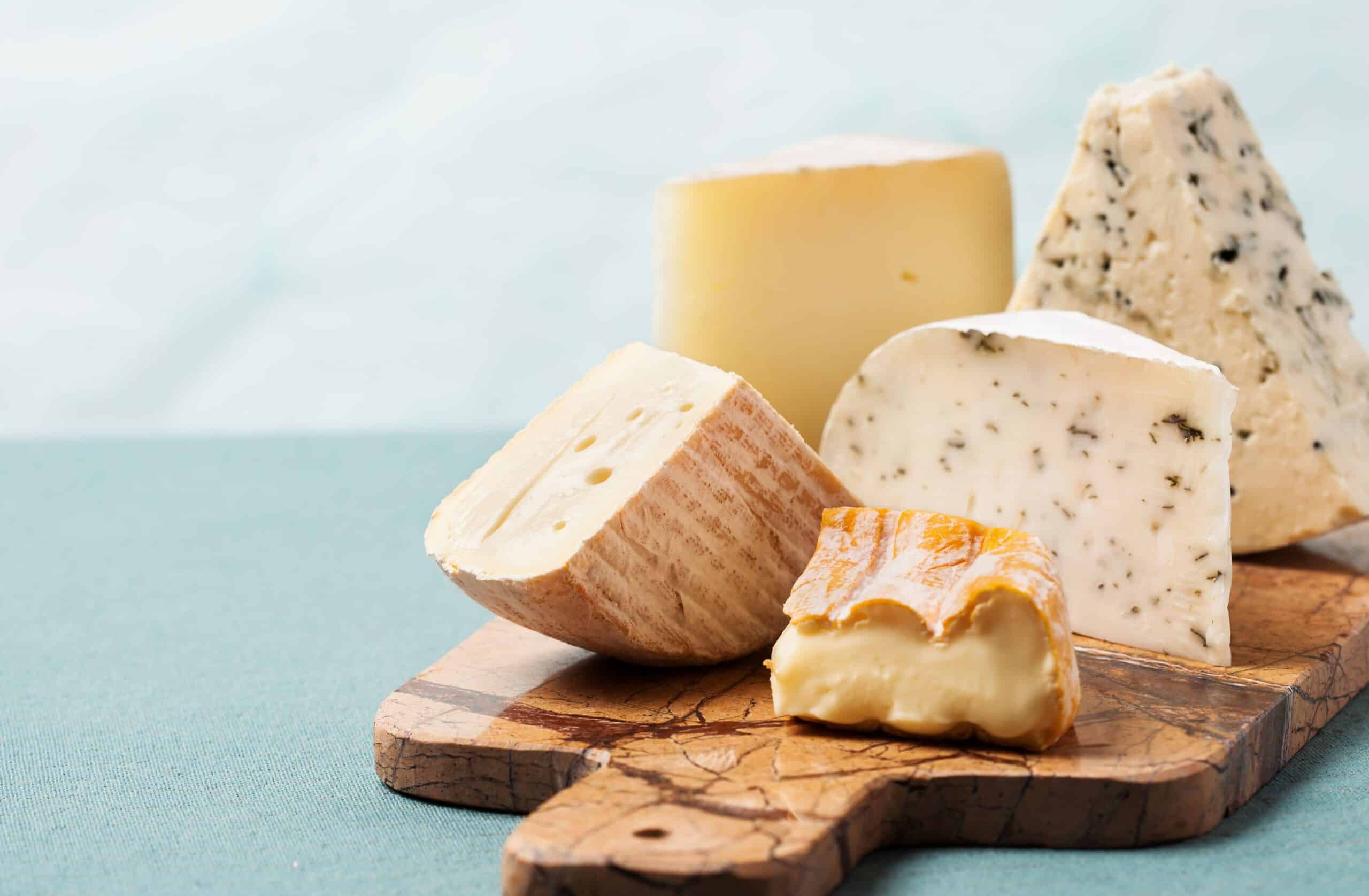
Find vetted private label cheese manufacturers on Wonnda. Cheese products range from fresh, soft varieties to aged, hard cheeses, each requiring specific manufacturing processes and material inputs. Key sourcing variables include the milk source, live cultures, rennet types, and specific ripening conditions that shape the final product character. Ensuring appropriate cold-chain handling from production to delivery is crucial for maintaining flavor consistency and product integrity across all formats.
- Vetted suppliers
- 20,000+
- Brands & buyers
- 25,000+
- EU-made
- 80%
6+ Top private label cheese manufacturers
Wonnda works with the best private label cheese manufacturers. Here is a list of trusted suppliers from our network.
 Private LabelContract Manufacturing
Europe-based manufacturer producing butter, texturized butter for confectionery, sliced and portioned cheeses, available to brands sourcing cheese.
- Country
- -
- MOQ
- Lead time
 Private LabelContract Manufacturing
Europe-based manufacturer producing white cheese, cheese for private label, eggs, available to brands sourcing cheese.
- Country
- -
- MOQ
- Lead time
 Private LabelContract Manufacturing
Europe-based manufacturer producing cream cheese (from fresh milk), plant-based cream cheese, processed cheese, available to brands sourcing cheese.
- Country
- -
- MOQ
- Lead time
 Private LabelContract Manufacturing
Europe-based manufacturer producing processed cheese slices, processed cheese blocks, processed cheese spreads, available to brands sourcing cheese.
- Country
- -
- MOQ
- Lead time
 Private LabelContract Manufacturing
Europe-based manufacturer producing cheddar cheese, double gloucester cheese, stilton cheese, available to brands sourcing cheese.
- Country
- -
- MOQ
- Lead time
 Private LabelContract Manufacturing
Europe-based manufacturer producing private label cheese products, consumer and retail cheese ranges, foodservice cheese products, available to brands sourcing cheese.
- Country
- -
- MOQ
- Lead time
Compare MOQs and lead times
Quick side-by-side of the shortlist. Missing values shown as a dash.
| Supplier | Location | Types | MOQ | Lead time |
|---|---|---|---|---|
| Inalpi | - | PL · CM | ||
| Nordex Food | - | PL · CM | ||
| Lekkerkerker Food | - | PL · CM | ||
| Rupp Cheese | - | PL · CM | ||
| Coombes Castle | - | PL · CM | ||
| Hochland Professional | - | PL · CM |
Buyer criteria
- Milk source quality and consistency
The milk is the dominant input and the ceiling on quality, so confirm the dairy's milk source, its testing at intake, and how it holds composition consistent across seasons. Ask whether milk is own-herd, cooperative, or bought-in. Variable milk produces variable cheese, so a dairy without strong, consistent milk supply cannot deliver a stable product batch to batch.
- Consistency across batches for aged styles
Aged cheese develops over months, so verify the dairy can hold an aged style to a consistent flavor and texture profile across batches and seasons. Ask how they control ripening conditions and grade matured cheese. A dairy whose aged cheese drifts in sharpness or texture will give your customers a different product each time, which retail listings will not tolerate.
- Cold-chain and shelf-life management
Cheese, especially fresh styles, needs reliable cold-chain from the dairy onward. Confirm cold storage, the shelf life supported for your style, and how temperature is controlled in dispatch. Ask what shelf life is realistic for the format. A break in cold-chain or an over-optimistic shelf life leads to spoilage and returns that erode the listing.
- Packaging suited to the cheese style
Match packaging to the cheese: waxing for some hard styles, vacuum packing for portions, modified atmosphere for sliced or fresh products. Confirm the dairy runs the format you need and that it protects against drying out and spoilage. The wrong pack lets a hard cheese dry or a fresh cheese spoil before its date, regardless of how good the cheese is.
- Milk price exposure and supply terms
Milk is commodity-linked, so understand how the dairy prices and whether it passes through milk market swings. Ask about price validity windows and how milk shortages affect supply. A dairy with weak milk supply relationships or no clarity on pricing leaves you exposed to mid-contract cost shocks in a category already tied to volatile dairy markets.
Red flags
- Opaque or inconsistent milk supply
If the dairy will not clarify its milk source or cannot show consistent milk composition across seasons, the cheese will vary unpredictably. Milk is the foundation of the product, so opacity here usually means spot-bought milk of variable quality and a cheese that cannot be held to a stable profile, which is disqualifying for a retail program.
- Over-optimistic shelf life without data
A shelf life claimed for a fresh or aged cheese with no supporting storage data invites spoilage and returns. Cheese is biologically active, and shelf life depends on style, packaging, and cold-chain. A dairy that assigns a generous date without evidence is guessing with your inventory and your brand's spoilage complaints.
- Weak cold-chain handling
If the dairy cannot demonstrate cold storage and temperature-controlled dispatch, fresh cheese in particular will spoil before it reaches the shelf. Temperature abuse is invisible on arrival but shortens usable life sharply. A co-packer casual about cold-chain is exposing your product to spoilage you will only discover through customer complaints.
- Aged cheese with drifting profile
If matured cheese varies noticeably in sharpness, texture, or appearance between batches, the dairy lacks control over ripening or milk. For an aged style sold under your brand, an inconsistent profile means customers get a different cheese each purchase, which undermines the brand and the retail listing built on a recognizable product.
Manufacturing process
- 01
Milk intake and standardization
Raw milk is received, tested for quality and antibiotics, and standardized to the target fat and protein for the cheese type. Pasteurization is applied unless a raw-milk style is intended and permitted. Milk quality and consistency at intake set the ceiling on the finished cheese, since no process recovers from poor milk.
- 02
Culture and rennet addition
Starter cultures are added to acidify the milk and develop flavor, followed by rennet to coagulate it into curd. The culture blend and rennet type are specific to the cheese style and largely determine its character. Temperature and timing are held to the recipe so coagulation forms a curd of the right firmness.
- 03
Curd cutting and whey separation
The set curd is cut to a size that controls moisture: smaller cuts expel more whey for harder cheeses, larger cuts retain moisture for softer ones. Whey is drained off, and for many styles the curd is cooked, stirred, or washed to fine-tune texture and acidity before the next stage.
- 04
Shaping, pressing, and salting
Curd is molded into the target shape and, for firmer cheeses, pressed to expel remaining whey and knit the body. Salting follows by brine bath or dry salt, which controls moisture, flavor, and the microbial environment for ripening. The format here sets whether the cheese will be sold whole, waxed, or later portioned.
- 05
Ripening and maturation
Aged cheeses move to controlled temperature and humidity rooms to mature, sometimes for months, developing flavor, texture, and rind. Fresh cheeses skip this and go straight to packing. Maturation is monitored and turned or treated per style, and it ties up capital and storage space throughout, which is why aged cheese cannot be rushed.
- 06
Portioning, packing, and cold storage
Cheese is cut and portioned, then waxed, vacuum-packed, or packed under modified atmosphere depending on style and shelf-life needs, lot-coded with allergen labeling, and held in cold storage. Cold-chain discipline from this point to the shelf protects the product, since temperature abuse spoils cheese and shortens its usable life.
Understanding cheese private-label manufacturing
Types of Cheese and Production Considerations
Cheese private label encompasses a broad spectrum, from fresh, soft cheeses and spreads to aged, hard varieties. The production process involves coagulating milk, separating the curd from the whey, and then shaping, salting, and either selling the product fresh or maturing it under controlled conditions.
Unlike many private label food items, cheese is a living, biological product. The milk source, cultures, rennet, and ripening conditions all significantly influence the final character. Production realities vary greatly between a fresh cream cheese produced and shipped in days, and a hard cheese aged for months before it is even cut. The chosen cheese type dictates the entire sourcing path.
The initial decision between fresh and matured cheese is critical as it determines lead time, cold-chain requirements, and suitable dairies. Fresh cheeses - such as quark, cream cheese, mozzarella, or fresh goat cheese - have a short shelf life, necessitate a reliable cold chain from dairy to shelf, and result in fast inventory turnover. Aged cheeses - like gouda, cheddar, or hard alpine styles - require significant capital and warehouse space during maturation, often for several months, with the dairy effectively pre-financing the stock during this ripening period.
Plant-based and dairy-alternative cheeses represent an entirely separate production process, utilizing coconut oil, starch, or fermented bases instead of milk.
Manufacturing Locations, MOQs, and Lead Times
Cheese contract manufacturing in Europe is concentrated in key dairy regions. These include:
- The Netherlands
- Germany
- France
- Denmark
- Italy
- Ireland
These regions feature strong cooperative dairies and specialist affineurs for aged cheese styles. Minimum Order Quantities (MOQs) are primarily driven by milk volumes and ripening capacity, rather than packaging. A custom recipe typically requires a substantial committed volume due to the dairy's commitment of milk and culture lots.
Lead times are short for fresh cheeses, often just a few weeks. For aged cheeses, the maturation period itself sets the minimum lead time, meaning a style aged for months cannot be expedited regardless of order size.
Cost Drivers
The primary cost factor for cheese is milk, a dairy commodity whose price fluctuates with market conditions and represents the dominant input. Other cost drivers include:
- Cheese type and aging (maturation ties up capital and incurs storage and yield loss over time)
- Cultures and rennet for specialty styles
- Cutting, portioning, and packaging (waxing, vacuum packing, or modified-atmosphere portioning each add cost)
Brands are often surprised by their exposure to milk price fluctuations, as the cost of goods moves with dairy markets in a way that differs from dry-goods products.
Market and Quality Expectations
Private label cheese buyers include retailer dairy ranges, deli and specialty-food brands, food-service suppliers, and an increasing number of direct-to-consumer (D2C) cheese and gift brands. The market expects consistent flavor, reliable cold-chain handling, and strict allergen and labeling compliance.
Qualifying a dairy based on its milk source and consistency, its ability to maintain a consistent profile for aged styles, and its cold-chain and packaging effectiveness is more crucial than the headline price. Cheese that arrives warm, dries out, or exhibits significant flavor variations between batches will not maintain retail listings.
Frequently asked questions
How does making fresh cheese differ from aged cheese for sourcing?+
Why does cheese cost move with milk prices?+
What shelf life can I expect for private label cheese?+
What MOQ should I expect for a custom cheese?+
How is consistency maintained in an aged cheese sold under my brand?+
Can a dairy make plant-based cheese alongside dairy cheese?+
Explore adjacent product types
Get a vetted shortlist of cheese suppliers in 48 hours.
Post a brief on Wonnda. Free, no commitment. We match you with vetted manufacturers that fit your MOQ, format and market.