
Best private label açai manufacturers
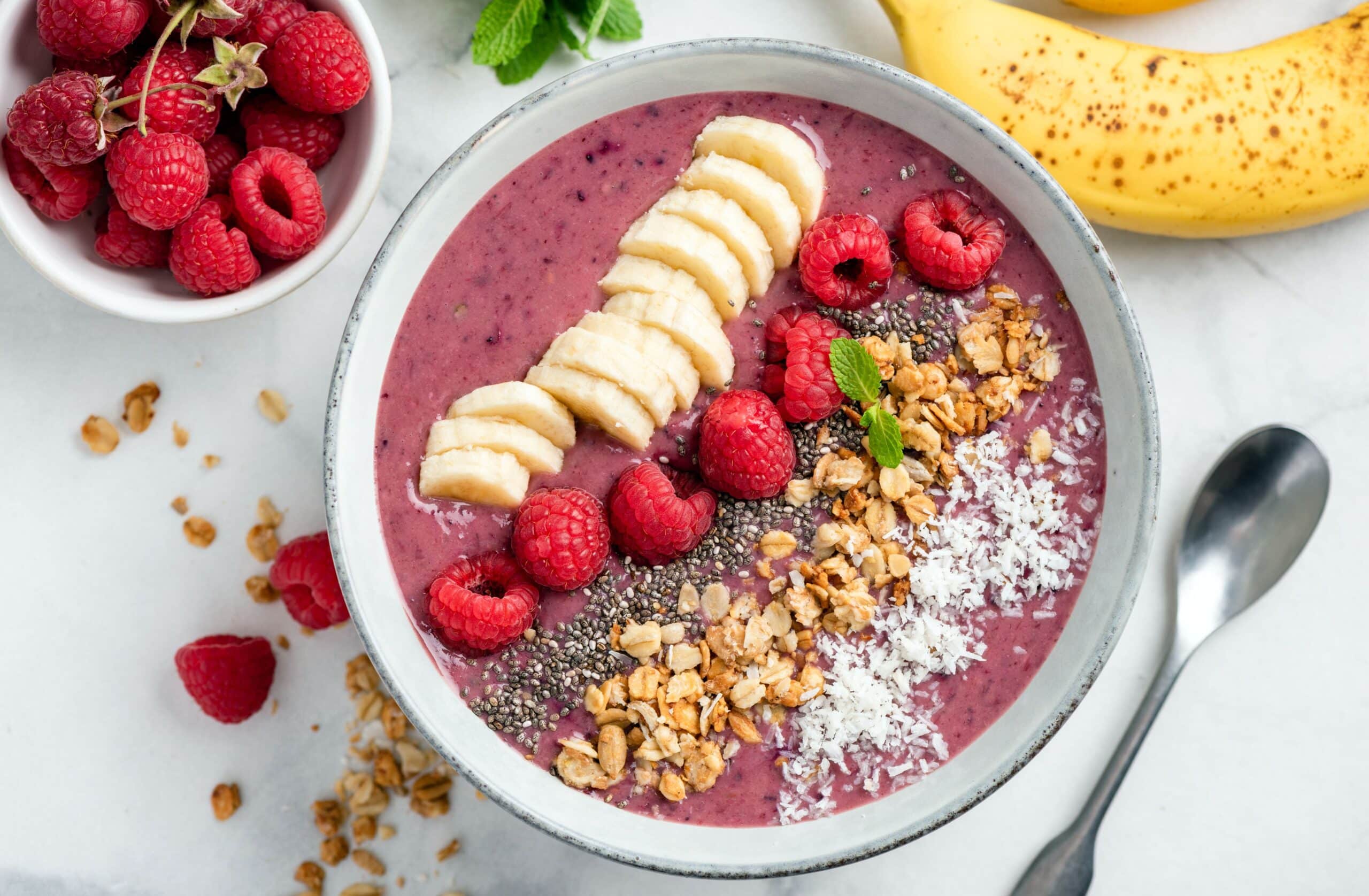
Source private label açai suppliers through Wonnda. Açai products primarily rely on frozen pulp, which is highly perishable and flash-frozen at the source. Key product formats include frozen smoothie packs, sorbet-style bowl bases, and freeze-dried powders. Sourcing considerations revolve around maintaining a consistent cold chain and ensuring pulp quality, which are crucial before any recipe development begins.
- Vetted suppliers
- 20,000+
- Brands & buyers
- 25,000+
- EU-made
- 80%
5+ Top private label açai manufacturers
Wonnda works with the best private label açai manufacturers. Here is a list of trusted suppliers from our network.
 Private LabelContract Manufacturing
Netherlands-based manufacturer producing purple superfood powder, blue superfood powder, amazonian superfoods, available to brands sourcing açai.
- Country
- Netherlands
- MOQ
- Lead time
- 72Private LabelContract Manufacturing
Netherlands-based manufacturer producing the seventy2 survival system (1-person, 72-hour kit), the seventy2 pro survival system (2+ person, 72-hour kit), datrex 1200-calorie survival bars, available to brands sourcing açai.
- Country
- Netherlands
- MOQ
- Lead time
 Private LabelContract Manufacturing
Brazil-based manufacturer producing açaí cream, pitaya cream, cupuaçu cream, available to brands sourcing açai.
- Country
- Brazil
- MOQ
- Lead time
 Private LabelContract Manufacturing
Brazil-based manufacturer producing private label acai, acai products, private label acai solutions, available to brands sourcing açai.
- Country
- Brazil
- MOQ
- Lead time
 Private LabelContract Manufacturing
Spain-based manufacturer producing organic açaí pulp 14%, açaí bio sorbet, açaí sorbet for soft machines and slush machines, available to brands sourcing açai.
- Country
- Spain
- MOQ
- Lead time
Compare MOQs and lead times
Quick side-by-side of the shortlist. Missing values shown as a dash.
| Supplier | Location | Types | MOQ | Lead time |
|---|---|---|---|---|
| Byou Superfoods | Netherlands | PL · CM | ||
| 72 Seventy Two | Netherlands | PL · CM | ||
| Açaí Town | Brazil | PL · CM | ||
| Lacai | Brazil | PL · CM | ||
| Coraçaí | Spain | PL · CM |
Buyer criteria
- Pulp sourcing and traceability
Acai is a single imported raw material, so confirm where the pulp comes from and whether it traces back to specific harvesting cooperatives, especially for organic or sustainability claims. Ask for the supplier and the relevant certificates. Pulp grade and origin set the taste, cost, and credibility of your product, so opacity here undermines both quality control and any premium sourcing story.
- Unbroken frozen cold-chain
The product depends on a cold-chain that begins in Brazil and cannot break, so verify frozen storage, temperature-controlled freight, and dispatch. Ask how they monitor temperature through international shipping and onward. A single thaw ruins the pulp irrecoverably, so cold-chain integrity is the most important capability to confirm, ahead of any recipe consideration.
- Pulp grade and solids content
Pulp grades differ in solids content and added sugar, which drive both taste and cost. Confirm the grade you are buying and that it matches your positioning, since a high-solids unsweetened pulp performs very differently from a sweetened lower-solids one. Ask for the specification, because grade substitution quietly changes the product your customers receive.
- Honest added-sugar labeling
Acai is naturally tart, so many bowl bases add sugar or sweet fruit. If you position on purity or low sugar, confirm exactly what is added and that labeling is honest. Ask for the full ingredient and sugar breakdown. An over-sweetened base sold as pure acai misleads customers and invites label scrutiny in a category built on a clean-eating image.
- Freeze-drying capability for powder
If you want shelf-stable acai powder, confirm the manufacturer freeze-dries in-house or sources quality freeze-dried acai, since the drying process and batch size differ entirely from frozen formats. Ask about the powder's solubility and color retention. A co-packer set up only for frozen formats cannot deliver powder without adding a separate partner or process.
Red flags
- Any cold-chain break in transit
Evidence that frozen pulp has thawed and refrozen, or a manufacturer that cannot demonstrate temperature monitoring through international freight, is disqualifying. A single thaw ruins acai pulp irrecoverably and degrades color, texture, and safety. In a frozen product imported from the Amazon, cold-chain failure is the defining risk and there is no recovering a warmed shipment.
- Untraceable pulp origin
If the manufacturer cannot say where the pulp comes from or trace it to harvesting cooperatives, organic and sustainability claims cannot be substantiated and quality cannot be controlled. Acai is the entire product, so opacity on its origin usually means spot-bought pulp of variable grade and no basis for the premium sourcing story customers pay for.
- Over-sweetened base sold as pure
A bowl base loaded with added sugar or cheap sweet fruit but marketed as pure acai misleads customers and invites label challenges. If the ingredient breakdown shows significant added sugar behind a purity claim, the product does not match its positioning, which erodes trust in a category sold specifically on its clean, natural image.
- Vague grade specification
A manufacturer that will not specify the pulp grade and solids content is leaving room to substitute a cheaper, lower-solids or sweetened pulp without telling you. Grade drives both taste and cost, so a missing specification means your product can change between batches, which is unacceptable for a brand built on a consistent acai experience.
Manufacturing process
- 01
Harvest and source pulping
Acai berries are harvested in the Amazon and pulped and flash-frozen within hours at source, because the fresh fruit degrades almost immediately. This first step happens in Brazil regardless of where finished products are made, and pulp quality and traceability from the harvesting cooperatives are set here, before anything is shipped.
- 02
Frozen import and pulp grading
Frozen pulp is shipped under temperature control to the manufacturer, where it is received frozen and verified against a grade specification for solids content and any added sugar or fruit. The cold-chain must hold through international freight, since a thaw in transit ruins the pulp irrecoverably and there is no salvaging a warmed shipment.
- 03
Formulation and blending
Depending on format, pulp is blended with other frozen fruit, sweetener, or functional ingredients to a target taste and texture, or kept near-pure for clean smoothie packs. The recipe balances the naturally tart, earthy acai flavor against sweetness and cost, with added sugar kept honest for label and positioning reasons.
- 04
Format processing
The product is processed to its format: portioned into smoothie packs, set as a sorbet-style bowl base, freeze-dried into powder for shelf-stable products, or filled into pouches. Freeze-drying is a distinct process and batch size, while frozen formats stay in the frozen state throughout, never being allowed to thaw and refreeze.
- 05
Freezing, filling, and sealing
Frozen-format products are portioned and packed in the frozen state and sealed, with fill weight and pack integrity checked. Powder is packed against moisture. Throughout, the cold-chain is maintained so the product never partially thaws, which would degrade texture and color and compromise the freshness the category is sold on.
- 06
Frozen storage and dispatch
Finished frozen product is held in cold storage and dispatched under temperature control, lot-coded with allergen and sugar labeling and any organic or sustainability marks the certificates support. Cold-chain discipline from here to the shelf is what protects the product, since a single break in the frozen chain ruins the batch.
Understanding açai private-label manufacturing
Acai Sourcing and Formats
Acai private label products depend on the frozen pulp of the acai berry, a perishable Amazonian fruit. The berries are harvested, pulped, and flash-frozen at the source due to rapid degradation. This frozen pulp is then processed into various formats such as smoothie packs, sorbet-style bowl bases, powders, or ready-to-blend pouches.
The sourcing decision for acai is heavily influenced by frozen logistics and pulp quality because the product relies on a single imported tropical raw material with a fragile cold chain starting in Brazil.
Key decisions include the format and pulp grade. Frozen pulp can be sold as nearly pure smoothie packs, sweetened and blended into ready-to-eat bowl bases, freeze-dried for shelf-stable products and supplements, or formulated into pouches. Pulp grades vary in solids content and the addition of sugar or other fruits, impacting taste and cost. Organic and sustainably sourced acai commands a premium and requires traceability to harvesting cooperatives in the Amazon.
Manufacturing and Logistics
Acai contract manufacturing is split between Brazil, where most pulping and freezing occurs, and European or local co-packers. These co-packers import frozen pulp and handle formulation, blending, freeze-drying, or filling into finished products. A robust frozen cold chain and storage are essential throughout the entire process due to the product's frozen nature.
MOQs for custom frozen acai products typically start in the mid-thousands of units. Freeze-dried powder runs are determined by the drying batch size. Lead times range from 8 to 16 weeks, influenced by international frozen shipping and the seasonality of the harvest, which can lead to supply tightening.
Cost Drivers and Quality Assurance
The primary cost driver for acai products is the acai pulp itself, with organic and high-solids pulp costing more. The imported frozen raw material is the dominant input. Other significant costs include the cold chain and frozen freight from Brazil, which can be volatile.
Additional costs come from any added fruit, sweetener, or processing like freeze-drying, and frozen-format packaging. The distinct cold-chain cost and associated risk differentiate acai from shelf-stable fruit products, as a single thaw in transit can ruin an entire shipment with no recovery.
Private label acai buyers, including D2C smoothie brands, frozen retail, juice bars, and supplement brands, expect an unbroken frozen cold chain, clean labeling of any added sugar, and often organic or sustainability credentials. Qualifying a manufacturer based on pulp sourcing, traceability, frozen cold-chain integrity from Brazil to the shelf, and accurate labeling of added sugar is crucial, as issues can undermine product integrity in a category emphasizing purity and freshness.
Frequently asked questions
Why is acai always frozen or freeze-dried rather than fresh?+
What makes the acai cold-chain so critical?+
What pulp grades are available and how do they affect my product?+
How do I make an honest low-sugar or pure acai claim?+
What MOQ and lead time should I expect for private label acai?+
Should I make my acai product in Brazil or import the pulp to a local co-packer?+
Explore adjacent product types
Get a vetted shortlist of açai suppliers in 48 hours.
Post a brief on Wonnda. Free, no commitment. We match you with vetted manufacturers that fit your MOQ, format and market.