
Best private label capers manufacturers
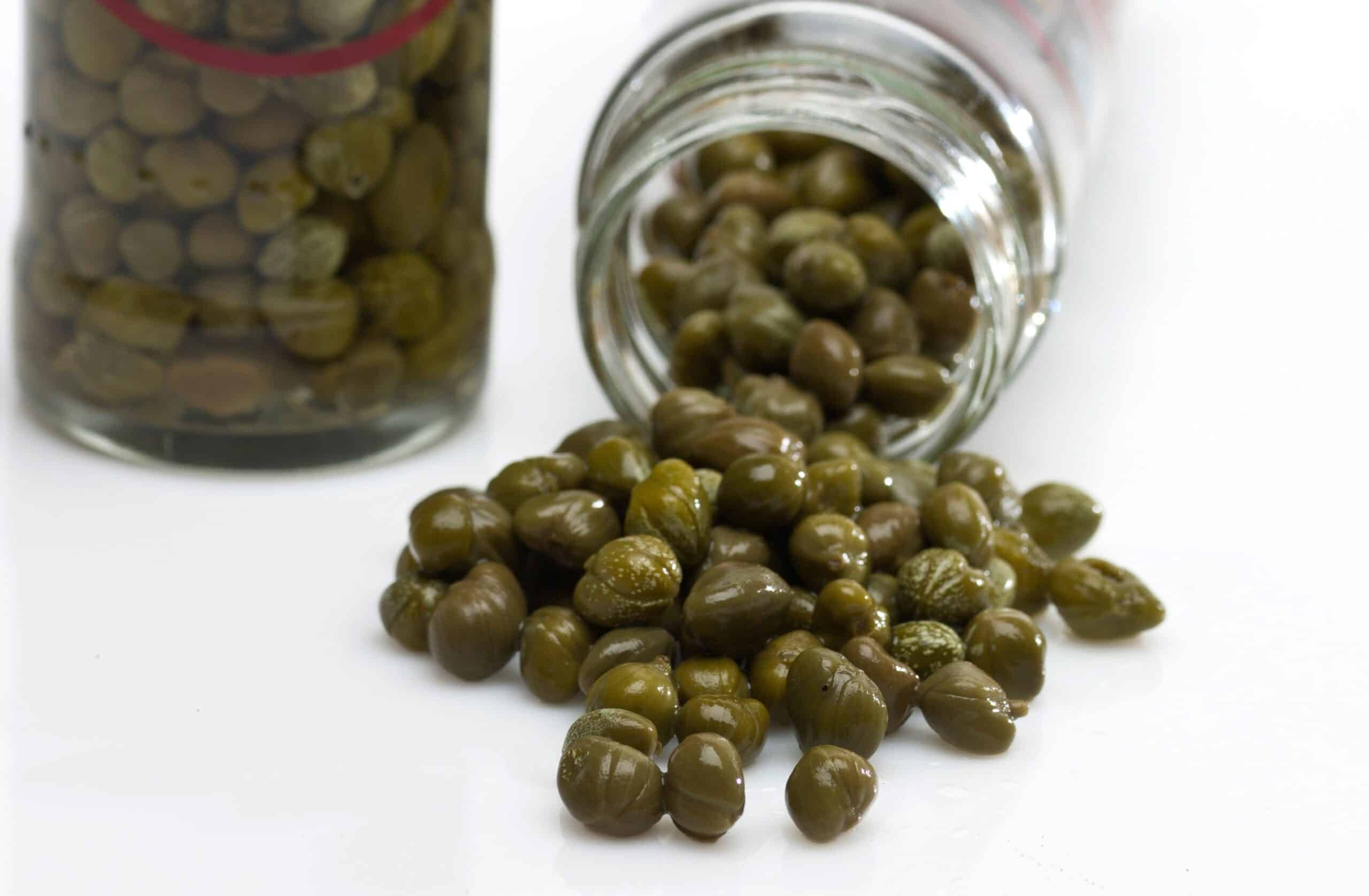
Find vetted private label capers manufacturers on Wonnda. Sourcing capers requires attention to the flower bud's size, with classifications such as nonpareil or capote influencing texture and intensity. Preservation methods, including brine, vinegar, or salt curing, significantly impact the final flavor profile and shelf stability. Consider specific qualities like Protected Geographical Indication if origin character is key for your product line. Lead times can vary depending on harvest cycles and the chosen curing process.
- Vetted suppliers
- 20,000+
- Brands & buyers
- 25,000+
- EU-made
- 80%
5+ Top private label capers manufacturers
Wonnda works with the best private label capers manufacturers. Here is a list of trusted suppliers from our network.
 Private LabelContract Manufacturing
Turkey-based manufacturer producing capers, caperberries, jalapeños, available to brands sourcing capers.
- Country
- Turkey
- MOQ
- Lead time
 Private LabelContract Manufacturing
Europe-based manufacturer producing tomato paste, tomatoes, roasted eggplant, available to brands sourcing capers.
- Country
- -
- MOQ
- Lead time
 Private LabelContract Manufacturing
Europe-based manufacturer producing pasta sauces, pesto, antipasti, available to brands sourcing capers.
- Country
- -
- MOQ
- Lead time
 Private LabelContract Manufacturing
Europe-based manufacturer producing arbequina olive oil, grapeseed oil, sunflower oil, available to brands sourcing capers.
- Country
- -
- MOQ
- Lead time
 Private LabelContract Manufacturing
Europe-based manufacturer producing marinated mushrooms, roasted pineapple habanero salsa, butter chicken sauce, available to brands sourcing capers.
- Country
- -
- MOQ
- Lead time
Compare MOQs and lead times
Quick side-by-side of the shortlist. Missing values shown as a dash.
| Supplier | Location | Types | MOQ | Lead time |
|---|---|---|---|---|
| Sibas Food | Turkey | PL · CM | ||
| Hemsi | - | PL · CM | ||
| Saor Italia | - | PL · CM | ||
| La Pedriza | - | PL · CM | ||
| Sunny Dell Foods | - | PL · CM |
Buyer criteria
- Size-grade consistency
Capers are sold and priced by grade, so verify the packer delivers a uniform, tightly graded product matching the grade you specify, whether nonpareil or a larger size. A jar mixing grades looks cheap and misrepresents a premium claim. Ask for graded samples and the grading method, since consistent bud size is the most visible quality marker on shelf and the basis of the grade premium.
- Cure type and texture quality
Confirm the packer can deliver your chosen cure, salt-packed for the firmest chef-grade product or brine and vinegar for retail, and that the capers stay firm rather than mushy through shelf life. Texture defines quality in capers. Taste and feel production-representative samples, since a soft, waterlogged caper fails even if the size grade is correct on paper.
- Origin traceability and provenance
If you sell a Pantelleria, Sicilian, or other named-origin or PGI claim, verify origin traceability and the relevant certification, since provenance is exactly what commands the premium. A packer that cannot document the growing origin cannot back the claim. For value lines origin matters less, but for gourmet positioning it is central and must be substantiated to the source.
- Brine, salt and pH control
The preserving medium controls both taste and safety. Verify the packer controls brine strength, vinegar acidity, or salt coverage and validates the pH for ambient shelf stability under acidified-food rules. Off-balance brine makes capers too salty, too sour, or unsafe. Ask for the pH and salt specifications and the stabilization method, since these govern flavor consistency and microbiological safety together.
- HACCP and food-safety certification
Require HACCP plus BRCGS or IFS appropriate to retail supply, with the scope covering pickled or acidified vegetable products. These cover pH control, pasteurization, and seal integrity. For organic capers, confirm the matching certification. Check the certificate is current and that your exact product type sits within the audited scope before committing to a private label run.
Red flags
- Mixed or inconsistent size grades
If samples show buds of widely varying size when a single grade was specified, the packer is not grading tightly and is likely blending in cheaper, larger buds. Since grade sets both price and appearance, inconsistent sizing misrepresents the product and looks poor on shelf. A packer that cannot deliver a uniform grade undermines any premium claim you build the line on.
- Soft or mushy texture
Capers that arrive waterlogged, soft, or mushy have been over-processed, poorly cured, or held in the wrong brine, and they fail the texture test that defines quality. A firm, taut bud is the whole appeal. If production-representative samples are soft, the cure or stabilization is wrong, and the defect will reach every jar, so treat poor texture as a reason to reject the supplier.
- Provenance claim without traceability
A Pantelleria, Sicilian, or PGI origin claim with no traceability back to the growing region or the relevant certification is unsubstantiated and a mislabeling risk. Provenance is the claim a gourmet buyer pays extra for, so a packer vague about origin is likely blending lower-cost capers behind a premium label. Demand origin documentation before backing any named-origin claim.
- Uncontrolled brine or pH
If the packer cannot specify and control brine strength, acidity, or salt coverage and validate the pH for ambient stability, the product risks being inconsistent in taste or unsafe at shelf temperature. Acidified ambient foods depend on a verified pH target. A packer casual about brine chemistry and pH control is a both a quality and a food-safety risk that should not be scaled.
Manufacturing process
- 01
Harvest and sorting
Caper buds are hand-picked from the bush over the harvest season, since they ripen and must be gathered at the right small, tight size. Picked buds are sorted to remove stems, leaves, and damaged buds. Hand harvesting is labor-intensive and a major reason smaller, premium grades cost more, as they take more picking for less weight.
- 02
Size grading
Buds are graded by diameter into commercial sizes, from the tiny nonpareil up through surfines, capotes, and larger grades. Grading is done by calibrated screens or sorting and determines both price and the consistency a retail buyer expects in the jar. Tight grading is what gives a uniform, premium appearance versus a mixed, lower-grade pack.
- 03
Curing
Raw capers are too bitter to eat, so they are cured to develop flavor. Salt-packing layers buds in dry salt to draw out moisture and bitterness while preserving the firmest texture, the chef-preferred method. Brine or vinegar curing ferments and preserves the buds in liquid, the common retail route. Cure type defines flavor, texture, and shelf positioning.
- 04
Brining or salting to final spec
Cured capers are adjusted to the final brine, vinegar, or salt specification for the product, balancing salt and acid for taste, preservation, and a stable pH. The liquid medium is controlled for strength and clarity. For salt-packed product, the salt grade and coverage are set to protect the buds through shelf life without over-salting.
- 05
Filling and packing
Graded, cured capers are filled into jars, pouches, or food-service tins with the brine or salt medium to a controlled drained weight, then sealed. Vacuum or hot-fill and proper headspace protect shelf stability. Drained-weight accuracy matters, since the consumer judges value on the capers, not the liquid, and underfill draws complaints.
- 06
Pasteurization or stabilization
Brine and vinegar packs are typically pasteurized or rely on a validated acidified pH to ensure shelf stability and food safety at ambient temperature. The process is controlled so the capers stay firm rather than softening. Acidified-food rules govern the pH target, which is verified as a safety control for ambient-stable jars.
- 07
Quality control and traceability
QC checks size grade, drained weight, texture, color, brine clarity, and pH or salt level, and runs microbiological testing on ambient packs. HACCP critical control points cover pH and seal integrity. Origin and lot traceability support any PGI or provenance claim and recall readiness. Certificates of analysis travel with each batch.
Understanding capers private-label manufacturing
Grade and Product Type
Capers are the immature flower buds of the caper bush, harvested by hand, cured, and preserved. They are graded by size, from the tiny nonpareil up through surfines, capucines, capotes, and larger grades. Smaller buds command a premium due to their firmer texture and concentrated flavor.
Caperberries are the larger fruit of the same plant, sold whole on the stem. The cure method determines texture and flavor, with salt-packed capers favored by chefs for their firm texture and pure taste. Capers in vinegar or brine are a common retail standard.
Sourcing and Origins
Caper production is centered in the Mediterranean, with Italy (Pantelleria and Salina), Spain, Morocco, and Turkey as main growing and packing origins. PGI-protected origins, such as Pantelleria, carry a provenance premium.
The sourcing story for capers lies in the raw material and cure, rather than heavy processing. The caper bush thrives in dry, rocky Mediterranean conditions, and the buds are picked at specific sizes.
MOQs and Lead Times
MOQs for private label jars or pouches typically range from a few thousand to tens of thousands of units, depending on the packer and pack size. These minimums are primarily driven by jar and lid component requirements and filling setup.
Lead times are 8 to 14 weeks, tied to harvest timing. Capers are seasonal, and the best grades are picked within a defined window. Cost is determined by grade (nonpareil being more expensive), then origin, PGI status, cure, and finally, packaging.
Quality and Certifications
Private label caper buyers include retailer Mediterranean and antipasti ranges, premium food brands, foodservice distributors, and specialty delis. The category spans from value brine-packed capers to provenance-led salt-packed nonpareil capers from named origins.
Qualifying a packer requires checking for HACCP and BRCGS or IFS certification. Other critical factors include size-grade consistency, origin traceability for any provenance claims, and brine and salt quality control. This ensures a product that delivers the expected texture and clean, briny taste.
Frequently asked questions
What do the caper size grades mean and which should I choose?+
Should I choose salt-packed or brine-packed capers?+
Why are capers from Pantelleria or Sicily more expensive?+
How do I keep capers firm and not mushy?+
Are capers shelf-stable at ambient temperature?+
What MOQ and lead time should I expect for private label capers?+
Explore adjacent product types
Get a vetted shortlist of capers suppliers in 48 hours.
Post a brief on Wonnda. Free, no commitment. We match you with vetted manufacturers that fit your MOQ, format and market.