
Best private label chili oil manufacturers
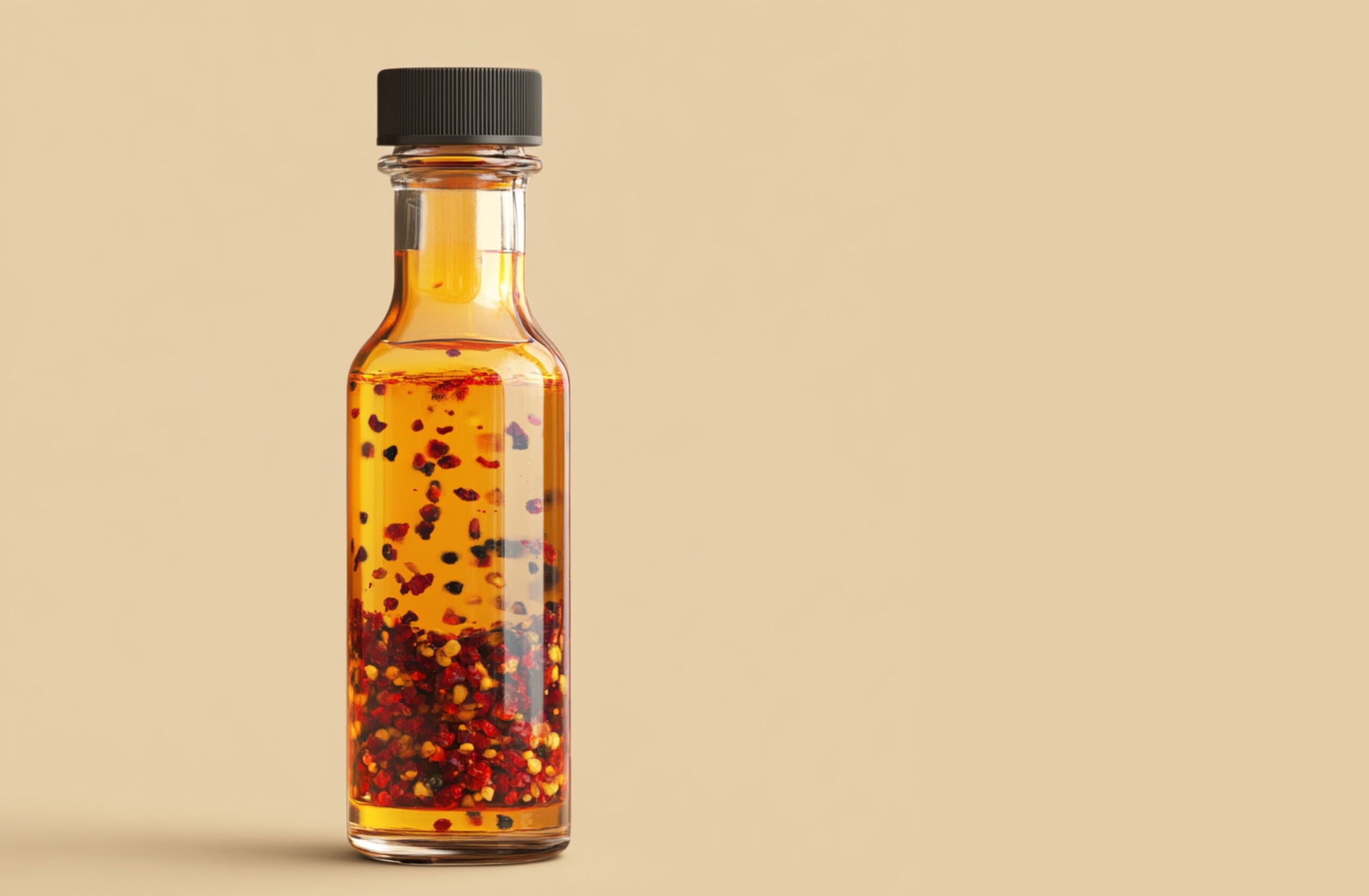
Wonnda connects brands with private label chili oil manufacturers. Sourcing considerations include whether you need a clear infused oil or a chunky chili crisp, as processes, shelf-life risks, and packaging formats differ significantly. Recipe variations often involve the specific type of dried chilies, aromatics, and inclusions like fried garlic, onion, or fermented soybean. Manufacturers can accommodate different container formats for both clear oils and crisp-style sauces.
- Vetted suppliers
- 20,000+
- Brands & buyers
- 25,000+
- EU-made
- 80%
5+ Top private label chili oil manufacturers
Wonnda works with the best private label chili oil manufacturers. Here is a list of trusted suppliers from our network.
 Private LabelContract Manufacturing
Belgium-based manufacturer producing dormi sana capsules, ax1 forte powder, beauty booster skin anti-aging capsules, available to brands sourcing chili oil.
- Country
- Belgium
- MOQ
- Lead time
 Private LabelContract Manufacturing
Bulgaria-based manufacturer producing bulgarian carrot powder, jalapeno powder, dried pasilla chillies, available to brands sourcing chili oil.
- Country
- Bulgaria
- MOQ
- Lead time
 Private LabelContract Manufacturing
Spain-based manufacturer producing fresh oranges, fresh lemons, extra virgin olive oil, available to brands sourcing chili oil.
- Country
- Spain
- MOQ
- Lead time
 Private LabelContract Manufacturing
USA-based manufacturer producing hot sauces, wing sauces, bbq sauces, available to brands sourcing chili oil.
- Country
- USA
- MOQ
- Lead time
 Private LabelContract Manufacturing
Netherlands-based manufacturer producing original hot ones sauces, last dab xperience, da bomb beyond insanity, available to brands sourcing chili oil.
- Country
- Netherlands
- MOQ
- Lead time
Compare MOQs and lead times
Quick side-by-side of the shortlist. Missing values shown as a dash.
| Supplier | Location | Types | MOQ | Lead time |
|---|---|---|---|---|
| Lombardia Vita | Belgium | PL · CM | ||
| Chilli Hills | Bulgaria | PL · CM | ||
| Fet a Soller S.L. | Spain | PL · CM | ||
| Hot Sauce Depot | USA | PL · CM | ||
| HeatSupply | Netherlands | PL · CM |
Buyer criteria
- Oxidation control over shelf life
Chili oil lives and dies on oil quality, so confirm how the manufacturer limits oxidation: oil selection, headspace control, antioxidant or natural tocopherol use, and the oxidation testing behind the shelf-life claim. Ask for peroxide value data at end of life. A co-packer that cannot evidence oxidation control will ship product that turns rancid before its date.
- Consistent heat and color batch to batch
Buyers recognize a chili oil by its burn and its red, so the manufacturer must hold both consistent across batches. Ask how heat is targeted and verified and how the chili blend is controlled when crops vary. Drifting Scoville or a dull color between batches confuses customers and signals weak raw-material and process control.
- Inclusion crunch stability
For chili crisp, the crunchy inclusions must stay crisp in oil to the end of shelf life rather than going soft or rancid. Confirm the moisture control on fried aromatics and request aged samples to taste. A crisp that has gone soft or stale by the time it reaches the customer fails on the one attribute that defines the style.
- Heat-stable, food-safe colorants and oils
If color is enhanced, confirm any colorant is heat-stable and permitted in your markets, and that the oil base suits infusion without breaking down. Ask about the base oil's behavior at infusion temperature. An oil or color that degrades during processing produces a bitter taste and a faded jar that no amount of branding rescues.
- Jar format and tamper-evident sealing
Choose the jar size and closure that suit a viscous, oily product and confirm the seal is genuinely tamper-evident and leak-resistant for an oil. Ask how they prevent oil seepage around the lid in transit. A chili oil that leaks or arrives with an unsealed lid is both a safety and a presentation failure on shelf.
Red flags
- No oxidation or peroxide-value testing
If the manufacturer cannot show oxidation testing behind the shelf-life claim, the oil may turn rancid well before its date. Oil rancidity is the leading defect in this category and is invisible until the customer tastes it. A co-packer treating oxidation as untested is exposing your brand to off-flavor complaints and returns.
- Scorched or bitter infused oil
An infused oil with a burnt, bitter edge or a dull brown rather than vivid red signals an uncontrolled infusion temperature. Scorching destroys both flavor and color and cannot be masked. If samples taste bitter or look faded, the manufacturer lacks the temperature control that defines a good chili oil.
- Inclusions that go soft fast
If a crisp-style product loses its crunch within weeks because fried aromatics were not dried to the right moisture, the product fails on its defining feature. Refusal to provide aged samples to taste usually means the inclusions do not hold up, leaving customers with a soft, oily paste instead of a crisp.
- Vague heat level control
A manufacturer that cannot target and verify a Scoville range, or that shrugs at batch-to-batch heat variation, will ship product that is unpredictably mild or fierce. Inconsistent heat undermines the customer's trust in the product and signals the chili blend and process are not under proper control.
Manufacturing process
- 01
Oil base and chili blend selection
The base oil is chosen for flavor, infusion behavior, and cost, and the chili blend is balanced for heat, aroma, and the vivid red color buyers expect. Heat level is targeted to a Scoville range and verified, since consistency between batches is what defines a recognizable product on shelf.
- 02
Aromatic and inclusion preparation
Garlic, onion, ginger, spices, and any fermented or crunchy inclusions are prepared, fried, or dried to the right moisture so they stay crisp in oil. For crisp-style products this step controls both flavor depth and how well the inclusions resist going soft or rancid once submerged in the finished oil.
- 03
Controlled infusion
The oil is heated to a controlled temperature and combined with chilies and aromatics to extract color, capsaicin heat, and flavor without scorching, which would turn the oil bitter and dull the red. Time and temperature are held to a validated profile so each batch infuses to the same heat and color.
- 04
Blending and inclusion dosing
For clear oils the infused oil is separated from solids; for crisp products the measured crunchy inclusions are dosed into the oil so each jar carries a consistent solid-to-oil ratio. Even distribution matters because customers judge a chili crisp on getting enough crunch in every spoonful, not just oil.
- 05
Filling and headspace control
Jars are filled by weight with attention to the oil-to-solids ratio and headspace, then fitted with a tamper-evident closure. Crisp products fill slower because the chunky phase must distribute evenly. Minimizing oxygen in the headspace protects against rancidity over the stated shelf life.
- 06
Quality control and shelf-life check
QC verifies heat level, color, flavor, and the absence of off or rancid notes, plus fill weight and seal integrity. Peroxide value or equivalent oxidation indicators are checked against the shelf-life claim. Per-batch records document heat, color, and oxidation status before release.
Understanding chili oil private-label manufacturing
Product Definition
Chili oil is an infused condiment made by heating a neutral or aromatic base oil and combining it with dried chilies, aromatics, and often crunchy inclusions. These inclusions can be fried garlic, onion, or fermented soybean. The product is then bottled as either a clear infused oil or a chunky crisp-style sauce.
For brands, chili oil stands at the intersection of a pantry oil and a flavor experience. The style of chili oil being produced dictates sourcing decisions, as clear infused oil and Sichuan-style chili crisp involve different processes, shelf-life risks, and jar formats.
Formulation and Ingredients
The first decision in chili oil production is selecting the oil base and chili profile. Base oils like rapeseed or sunflower are chosen for flavor, smoke point during infusion, and cost, alongside more characterful options. The chili blend determines heat and color, balancing varieties for visual redness, aroma, and Scoville level, given that color and burn are primary factors for buyers.
Crisp-style products present the technical challenge of ensuring inclusions remain crunchy in oil without becoming rancid. This is both a formulation and packaging issue, in addition to being a recipe consideration.
Manufacturing and Logistics
Chili oil contract manufacturing is handled by specialist Asian-food co-packers and general sauce and condiment fillers. Capable producers are found across Europe, with significant authentic-style capacity in Asia.
Minimum Order Quantities (MOQs) for custom chili oil typically begin in the low thousands of units for clear infused oil. MOQs are somewhat higher for crisp products with multiple inclusions due to increased inclusion handling and fill complexity. Lead times generally range from 6 to 12 weeks, which can be extended if a custom chili blend or bespoke inclusion requires sourcing and testing.
Cost is primarily driven by the oil base, as it is the largest volume ingredient and a commodity with fluctuating prices. The chili and inclusion blend also impacts cost, with specialty chilies and fried aromatics being more expensive than bulk flake. Other cost factors include the jar and tamper-evident closure, followed by filling, which is slower and more expensive for chunky crisp products than for clear oil.
Quality and Market Considerations
Manufacturers differentiate themselves by ensuring heat-stable color and a clean, non-rancid flavor throughout the stated shelf life. Oxidized oil and faded red color are quick ways to lose repeat customers.
Private label chili oil buyers include D2C condiment and Asian-food brands, specialty grocery and deli ranges, and food-service suppliers. The market rewards distinctive heat profiles, vibrant color, and crunch that lasts in the jar. Qualifying a manufacturer based on oil oxidation control, inclusion stability, and accurate, consistent heat level is more critical than the headline price. A chili oil that separates poorly, fades, or tastes rancid before its expiration date will not maintain shelf space or secure reorders.
Frequently asked questions
What is the difference between a clear chili oil and a chili crisp for production?+
How do you stop chili oil from going rancid?+
How is the heat level kept consistent between batches?+
What color should chili oil be and how is it kept vivid?+
What MOQ and lead time should I expect for a custom chili oil?+
Can the crunchy bits in chili crisp stay crisp on the shelf?+
Explore adjacent product types
Get a vetted shortlist of chili oil suppliers in 48 hours.
Post a brief on Wonnda. Free, no commitment. We match you with vetted manufacturers that fit your MOQ, format and market.