How to start a private label coffee brand? Complete guide to sourcing the best coffee in 2026

Key Takeaways:
- Define your brand identity: A clear vision guides your sourcing and marketing strategies.
- Prioritize quality and sustainability: Ethically sourced, high-quality beans are crucial for success.
- Leverage expert partnerships: Collaborate with trusted roasters and suppliers on Wonnda to ensure consistency and excellence.
The coffee industry continues to thrive, offering entrepreneurs a promising opportunity to create their own private label coffee brand. Whether you’re passionate about specialty coffee or aiming to launch a sustainable coffee business, this guide will walk you through the essential steps to sourcing high-quality coffee and building a successful brand this year.
What is a private label coffee brand?
A private label coffee brand is a coffee product that’s manufactured by third-party suppliers, such as privatelabel coffee manufacturers or roasters, but sold under your own brand name. Essentially, you focus on creating your brand identity, designing the packaging, and marketing the product, while an experienced producer handles the coffee production and quality control. This model allows entrepreneurs to enter the coffee market without the heavy investment in production facilities, offering flexibility to customize blends and create a unique product that resonates with your target audience.
What is the difference between private label and white label coffee?
Private Label Coffee: This is a fully customized product designed specifically for a single brand. Businesses work with suppliers to develop unique blends, roast profiles, and packaging tailored to their brand identity. This exclusivity ensures that no other company can sell the same product under a different name.
White Label Coffee: This is a more generic, ready-made coffee product that multiple businesses can rebrand as their own. The supplier produces the same blend for different brands, with little to no customization beyond packaging and labeling.
Kaffa from Portugal - Your Manufacturing Partner For Private Label Coffee
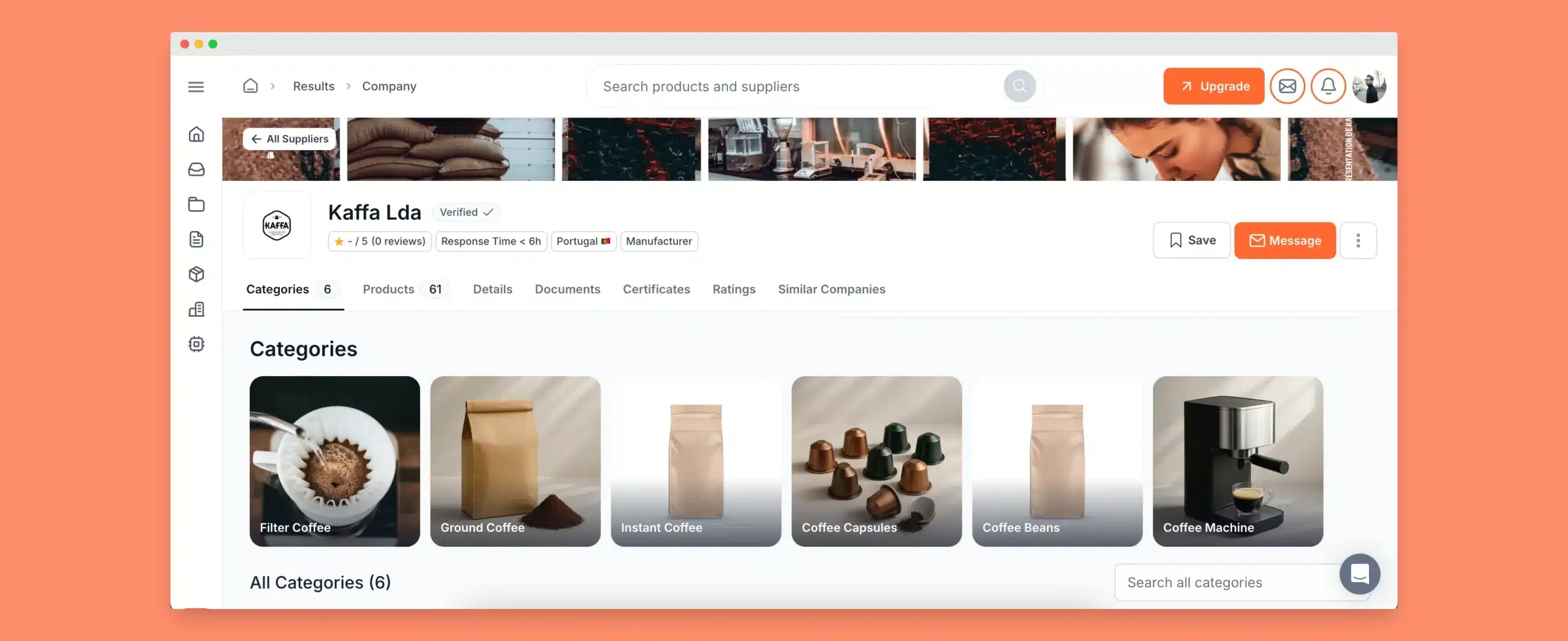
Kaffa is one of Europe’s premier best private label manufacturers and contract manufacturers specializing in coffee capsules. Headquartered in Portugal, the company has positioned itself as a trusted partner for brands looking to enter the fast-growing capsule coffee market with innovative, high-quality products. What sets Kaffa apart is its ability to provide a fully integrated, end-to-end production solution. From sourcing and roasting green coffee beans, to blending, encapsulating, and developing customized packaging. Whether you’re launching a new brand or scaling an existing one, Kaffa’s infrastructure and flexibility make it a go-to manufacturer for capsule-based coffee products.
With a production capacity exceeding 500 million capsules per year, Kaffa operates one of the most advanced manufacturing facilities in Europe. They support all types of capsule formats, including Nespresso®, Dolce Gusto®, Lavazza®, and proprietary systems, making it easy for brands to diversify their product lines. Kaffa is also known for its dedication to quality, using only carefully selected raw materials and employing strict quality control at every stage of the process.
Beyond production, Kaffa offers support in recipe development, custom blends, and packaging design. Allowing brands to create distinctive products that stand out on the shelves. Their team collaborates closely with clients to understand market goals and deliver tailored solutions that reflect the brand’s identity. With sustainability becoming increasingly important, Kaffa also supports eco-friendly capsule options and sustainable sourcing practices.
Whether you're targeting the premium specialty coffee segment or launching a mass-market product line, Kaffa’s experience, scale, and innovation make them a reliable and strategic partner for long-term success. As the European coffee market continues to grow, Kaffa provides the tools and know-how for brands to thrive with high-quality, private label capsule products.
Website: kaffacoffee.com
Steps on how to create a successful private label coffee brand
Define your coffee brand’s identity
Before diving into sourcing, it’s crucial to establish a clear brand identity. Ask yourself:
- What type of coffee experience do you want to offer?
- Who is your target audience?
- Will your brand focus on specialty, organic, fair trade, or single-origin coffee?
- What unique selling points will differentiate your coffee brand from competitors?
Having a strong brand vision will help guide your sourcing decisions and marketing strategy.
Understand the coffee supply chain
Sourcing high-quality coffee involves understanding the coffee supply chain:
- Farmers & Producers: Coffee is grown in specific regions known as the “Coffee Belt,” including countries in South America, Africa, and Asia.
- Processing Methods: Washed, natural, or honey processing methods impact the coffee’s flavor profile.
- Exporters & Importers: These intermediaries help connect farmers with roasters and brands.
- Roasters: Decide whether to partner with a roaster or roast your own coffee.
Knowing how coffee moves from farm to cup will help you make informed sourcing decisions.
Freshly prepared cappuccino and cold brew
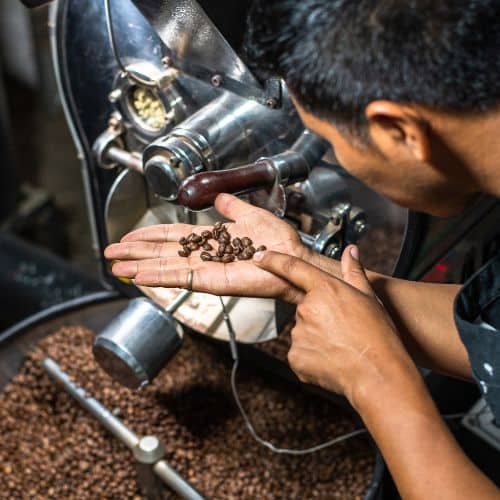
Private label coffee production
Choose your coffee sourcing strategy
There are multiple ways to source coffee for your brand:
Direct Trade
Building relationships directly with coffee farmers allows for greater transparency and control over the sourcing process. It ensures ethical practices and sustainability by supporting fair wages, environmentally friendly farming methods, and long-term partnerships. Additionally, working closely with farmers provides access to exclusive, high-quality beans that can help differentiate your brand in the competitive coffee market.
Working with Importers & Wholesalers
Importers provide access to a wide variety of coffee beans from different regions, allowing brands to explore diverse flavor profiles without the complexities of direct sourcing. This approach simplifies logistics and ensures a more reliable supply chain, making it easier to maintain consistent quality and inventory. It is an ideal option for startups looking for a straightforward and efficient way to source high-quality coffee without the challenges of managing direct trade relationships.
Private Label Coffee Suppliers
Partnering with Wonnda allows you to leverage its trusted network of private label coffee suppliers, giving you the flexibility to customize your coffee blends while ensuring access to high-quality beans and expert support. This streamlined process is ideal for entrepreneurs looking for a hassle-free way to enter the coffee market while maintaining complete control over their brand identity and product development.
Questions to ask private label suppliers about coffee production:
- Where do you source your coffee beans from?
- Can I customize my own coffee blend and roast profile?
- Do you offer specialty or flavored coffee options?
- What are the minimum order quantities (MOQs) for customized packaging?
- Can you handle international shipping and distribution?
- Do you offer samples for testing before placing a full order?
Select the best coffee beans
When selecting coffee beans, it's important to consider several factors. First, the origin of the coffee matters, as different regions offer distinct flavors; for example, Ethiopian coffee often exhibits fruity notes, while Brazilian coffee tends to have nutty and chocolatey characteristics.
Additionally, the variety of coffee plays a significant role - Arabica beans are generally smoother in taste, whereas Robusta beans offer a stronger flavor and higher caffeine content. The roast profile is another essential element to consider, whether you prefer a light, medium, or dark roast, as it directly impacts the overall flavor and aroma of your brew. Finally, specialty coffee is often graded using cupping scores, with beans scoring above 80 being considered high quality.
Consider sustainable and ethical sourcing practices
Consumers are increasingly concerned about sustainability and ethical sourcing. Consider:
Fair Trade & Organic Certifications: Ensuring farmers receive fair wages and no harmful chemicals are used.
Carbon-Neutral Coffee: Partnering with suppliers focused on reducing carbon emissions.
Eco-Friendly Packaging: Using compostable or recyclable materials for packaging.
Partner with roasters & manufacturers
Once you have sourced your beans, you’ll need to decide whether to roast them yourself or work with a roaster.
In-House Roasting: Gives full control over roast profiles but requires equipment and expertise.
Contract Roasting: Partnering with an expert roaster to maintain consistency and quality.
Private Label Coffee Production: Allows you to brand pre-roasted coffee as your own.
Invest in branding, packaging, and marketing
Your coffee brand’s success depends on effective branding and marketing. It starts with creating a strong brand identity by designing a memorable logo, packaging, and brand story that resonates with your target audience. Using eco-friendly packaging made from sustainable materials further appeals to conscious consumers, reinforcing your brand’s commitment to quality and responsibility.
In addition, leveraging diverse marketing strategies - such as social media, influencer collaborations, and content marketing - helps build robust brand awareness, while establishing effective e-commerce and distribution channels, whether through your own website, platforms like Amazon, or partnerships with coffee shops and retailers, ensures you can reach a wide audience.
Finalize it with compliance and business setup
Before launching, ensure you:
- Register Your Business: Get the necessary permits and licenses.
- Comply with Food Safety Regulations: Follow local and international standards for coffee distribution.
- Secure a Reliable Supply Chain: Work with trusted logistics partners to ensure smooth delivery.
5 private label coffee brand ideas
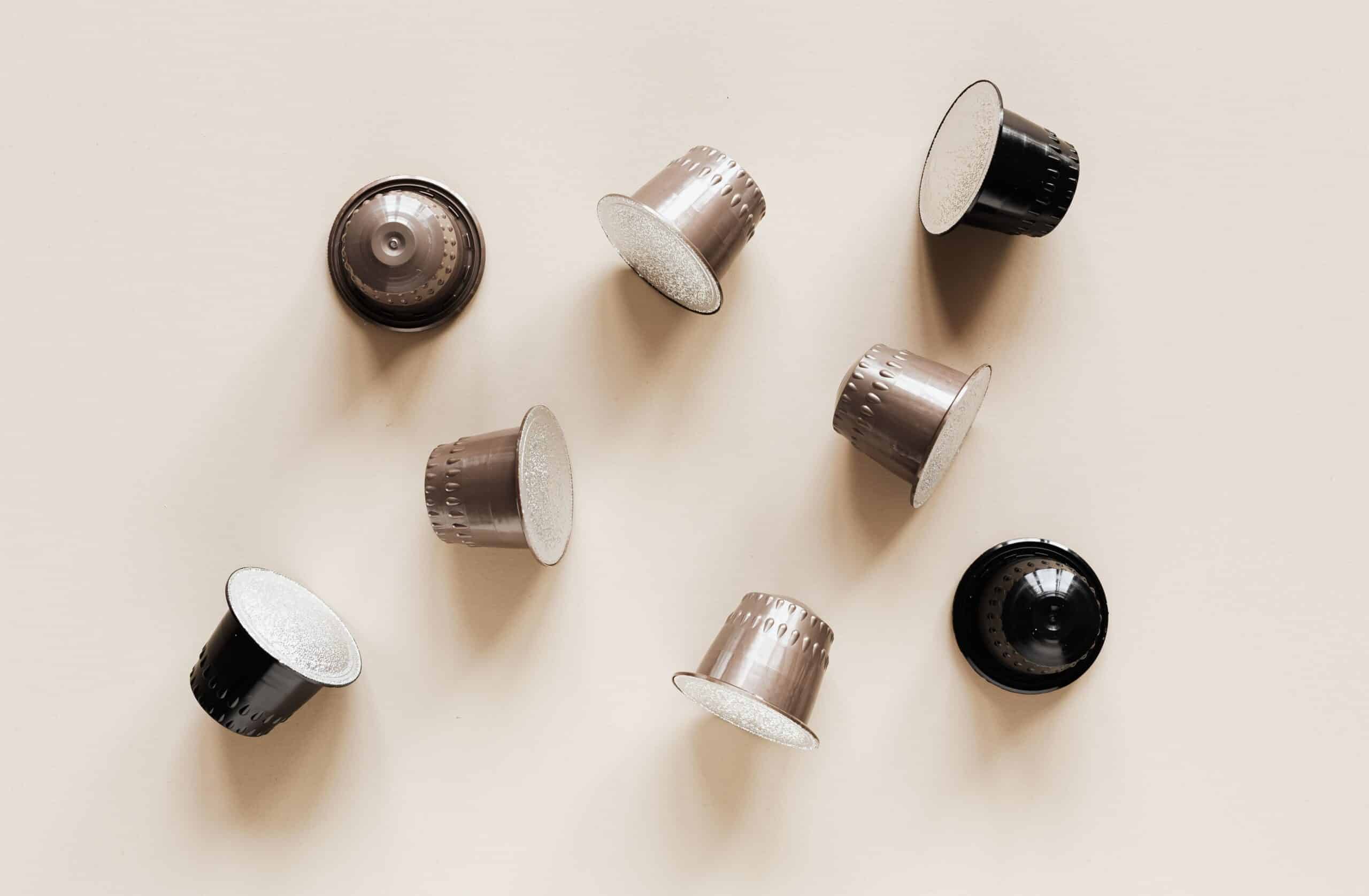
- Coffee Capsules & Pods – A convenient, eco-friendly line of compostable or Nespresso-compatible coffee capsules.
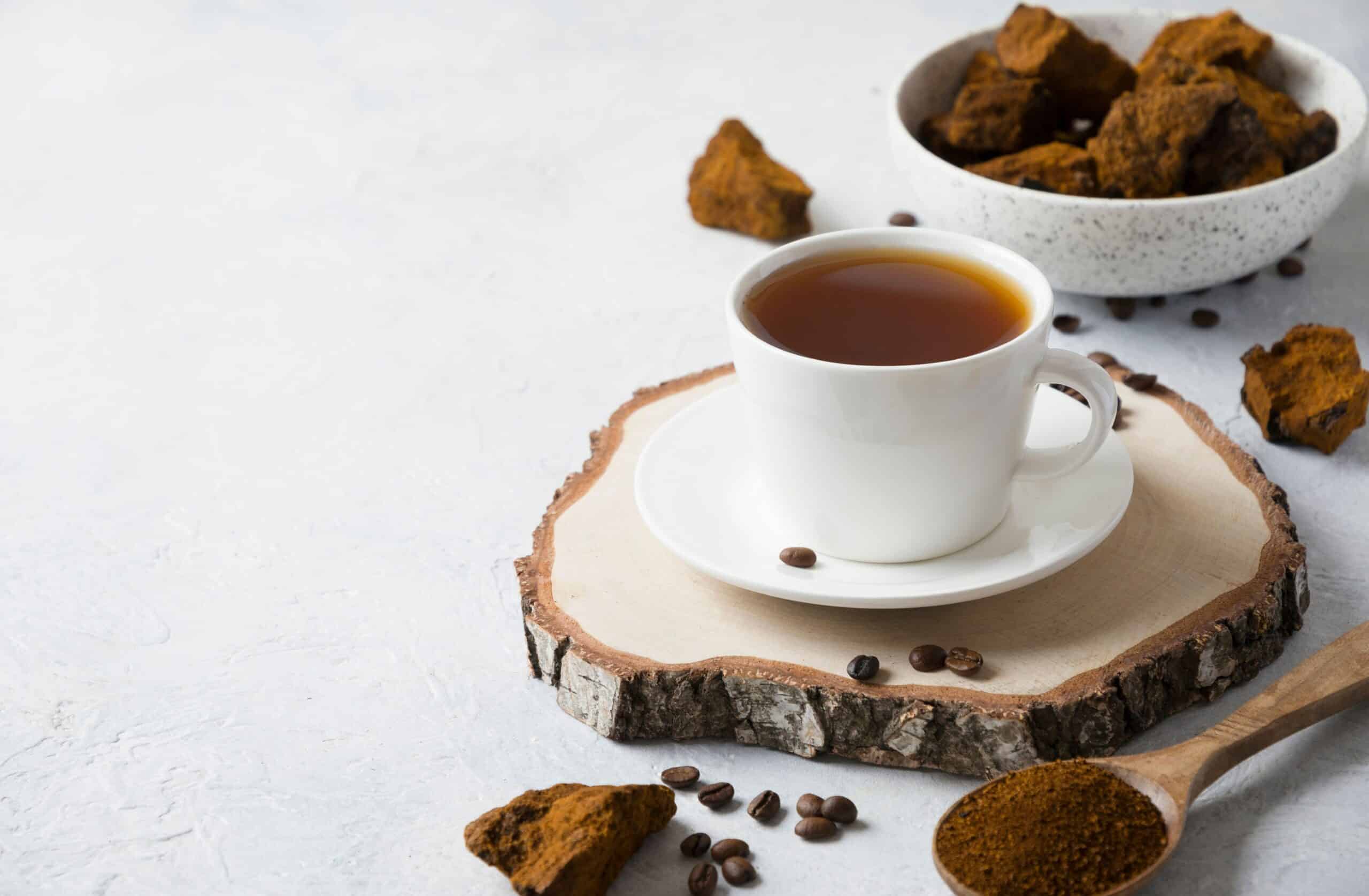
- Mushroom Coffee – A functional coffee infused with adaptogenic mushrooms for enhanced focus and wellness.
- Cold Brew Coffee – Ready-to-drink bottled or canned cold brew with unique flavors like vanilla, caramel, or oat milk.
- Protein Coffee – A high-protein coffee blend for fitness enthusiasts, combining caffeine with protein for energy and recovery.
- Decaf & Low-Caffeine Coffee – A premium, smooth decaf coffee brand catering to health-conscious and caffeine-sensitive consumers.
Is it profitable to start a private label coffee business?
The profitability of a private label coffee business this year can be promising, but it largely depends on several key factors:
- Market Positioning and Differentiation: With a saturated market, having a unique brand identity, quality product, and strong storytelling can set you apart.
- Cost Management: Securing high-quality, ethically sourced beans and managing production costs effectively are critical for healthy margins.
- Consumer Trends: The rising demand for specialty and sustainably sourced coffee creates opportunities, but you must keep up with changing consumer preferences and emerging trends.
- Effective Marketing and Distribution: A solid online presence, strategic partnerships, and targeted marketing can help you reach the right audience and drive sales.
- Industry Competition: Increased competition means that success will often require innovation, consistent quality, and excellent customer service.
In summary, while there's potential for profitability given the ongoing popularity of premium and ethically produced coffee, the success of your venture will depend on strategic planning, robust supply chain management, and the ability to stand out in a competitive landscape.
Conclusion
Starting a private label coffee brand requires a combination of quality sourcing, sustainability, and a strong marketing strategy. By carefully selecting your coffee beans, ensuring ethical sourcing, and building a compelling brand, you can create a successful coffee business that resonates with modern consumers.
Are you ready to launch your coffee brand? Explore suppliers and manufacturers on Wonnda to kickstart your journey today!
Related articles
Best Clothing Manufacturers in Europe - 2026 Guide by Wonnda
10+ Best Beauty Manufacturers in the US (2026 List)

How to Find a Manufacturer for Your Product (2026 Guide)
European Suppliers: How to find the best EU suppliers in 2026

10 Best European Sourcing Agencies To Find Suppliers & Launch Your Product
How to Start a Premium Private Label Cookware Brand: The Complete Guide
5+ Best Private Label Nonstick Cookware Manufacturers
5+ Best Private Label Cookware Manufacturers in the USA (2026)