Private Label Coffee - Everything You Need to Know About Launching a Private Label Coffee Line

What is Private Label Coffee?
Private label coffee refers to coffee products manufactured by a private label coffee manufacturer (also known as contract manufacturers or private label manufacturers) but sold under another company's brand. Instead of setting up your own roasting facility, you partner with a manufacturer who produces the coffee, and you market it under your own label.
This model is popular because it saves time, reduces costs, and allows you to focus on building your brand, not on manufacturing.
Private Label Coffee Product Ideas
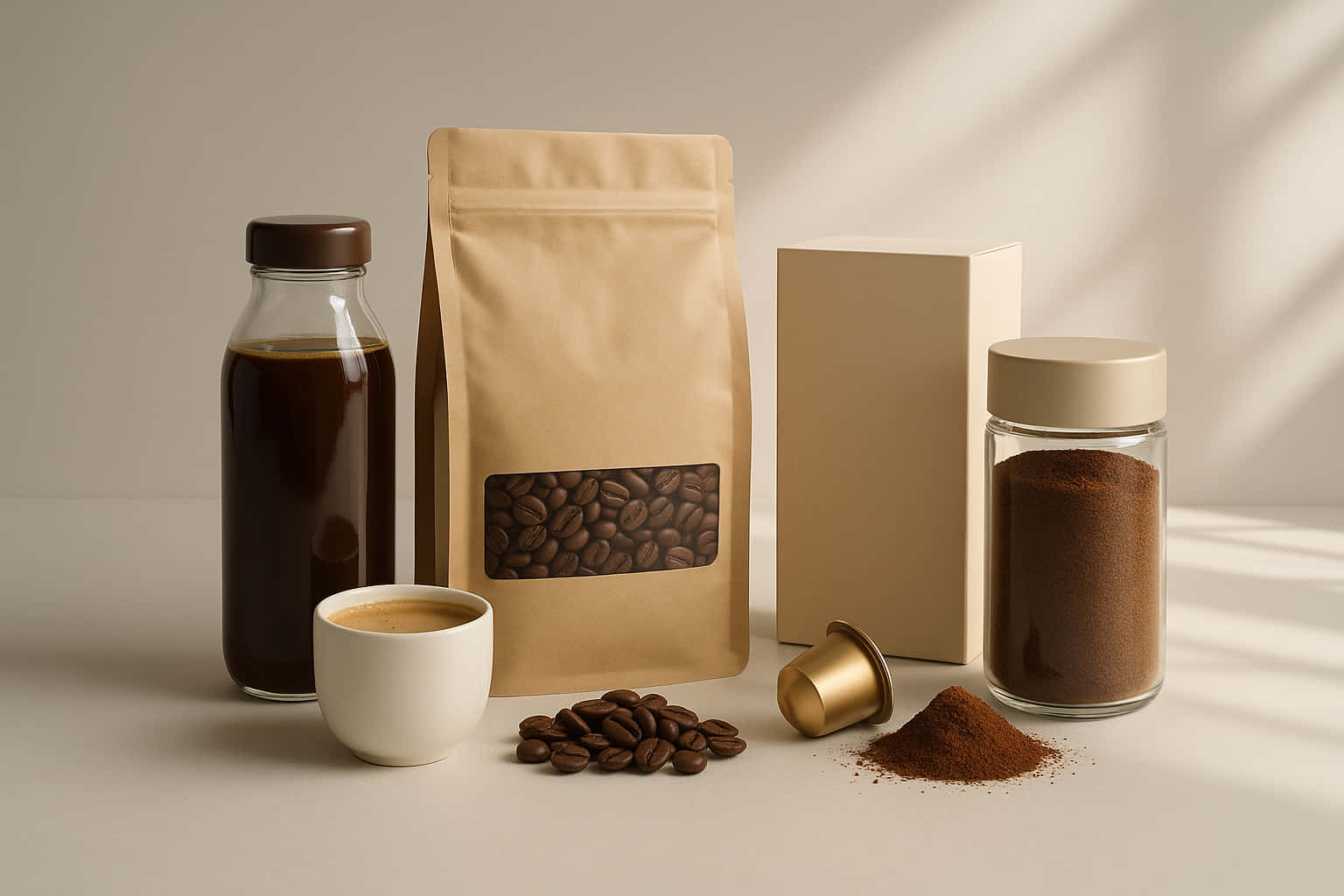
When it comes to private label coffee, there are a variety of product options you can offer:
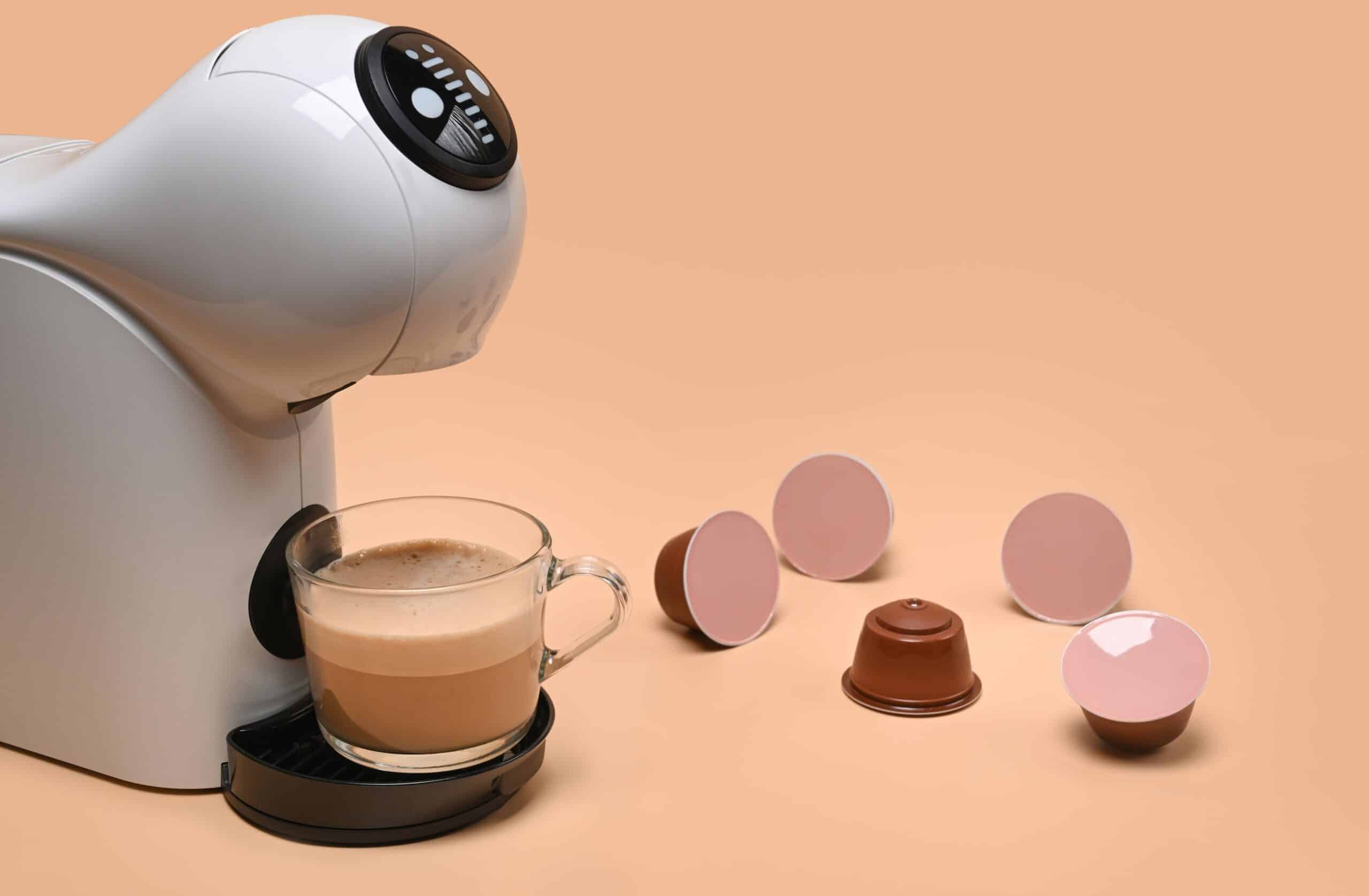
- Coffee Capsules and Pods: Compatible with popular machines like Nespresso or Keurig.
- Ground Coffee Bags: Perfect for traditional brewing methods.
- Whole Bean Coffee: For customers who prefer grinding their coffee fresh.
- Cold Brew Concentrates: Ready-to-drink and increasingly popular.
- Functional Coffee: Coffee infused with adaptogens, nootropics, or added vitamins. Use Wonnda to find the best private label mushroom coffee manufacturers.
- Flavored Coffees: Vanilla, hazelnut, caramel, peppermint, and more.
- Decaf Options: For customers looking for a caffeine-free alternative.
Offering a mix of these products can help you appeal to a broader range of coffee lovers.
Why Launch a Private Label Coffee Brand?
- Lower Startup Costs: No need to invest in expensive roasting or packaging equipment.
- Faster Time to Market: Work with established manufacturers and get your product ready to sell quickly.
- Brand Control: Customize the coffee blend, packaging, and branding to fit your audience.
- Scalability: Grow your business without worrying about manufacturing bottlenecks.
Best Private Label Coffee Manufacturers
Kaffa
Kaffa Coffee is a leading private label manufacturer from Portugal. They are known as a manufacturer for coffee capsule manufacturer, specializing in all capsule systems available on the market, including unique closed systems. With a 7,000 m² facility, 14 production lines, and an annual capacity of 310 million capsules, Kaffa Coffee offers a full-service private label solution - from green coffee selection and roasting to encapsulation and packaging development. They provide the lowest minimum order quantities for coffee capsules in the EU, making high-quality private label coffee accessible to brands of all sizes. Their commitment to innovation, quality, and sustainability ensures every capsule delivers an exceptional coffee experience.
Country: Portugal
Website: https://kaffacoffee.com/private-label/
BKI Foods
BKI is a full-service supplier specializing in coffee and tea products, offering complete in-house production of whole beans, ground coffee, instant coffee, and capsules. With a broad portfolio of branded coffee products, BKI also develops and manufactures Private Label coffee for both retail and Out of Home markets.
Country: Denmark
Website: https://www.bkifoods.com/
Lucaffé
Lucaffè’s dedication to quality has driven its growth from a modest start to a thriving facility, continually upgrading its machinery for precise coffee bean processing. Their process starts with hand-selecting beans for purity, followed by gentle hot air roasting to preserve essential oils. Using a 3-step grinding process, Lucaffè achieves the perfect grind for filter coffee, pods, and capsules. Emphasizing customer health and sustainability as top priorities, Lucaffè continuously innovates to develop eco-friendly solutions that maintain the flavor and freshness of their coffee.
Country: Italy
Website: www.lucaffe.com
How to Start Your Own Private Label Coffee Brand
1. Define Your Brand Concept
Think about:
- Your target audience (gourmet lovers, eco-conscious consumers, fitness-focused buyers, etc.)
- Your brand story and values
- Your unique selling points (organic, fair trade, single-origin, specialty blends, etc.)
2. Find the Right Private Label Coffee Supplier
You can use Wonnda to find the best private label coffee manufacturers.
Look for manufacturers who:
- Offer high-quality beans (specialty-grade, organic, fair trade)
- Have flexible order quantities
- Allow custom branding and packaging
- Provide sample tasting before committing
Pro Tip: Use platforms like Wonnda to access trusted private label coffee suppliers.
3. Choose Your Coffee Types
Some options you might want to consider:
- Single-origin coffees
- Espresso blends
- Decaf options
- Flavored coffees (vanilla, hazelnut, caramel, etc.)
- Cold brew concentrates
4. Design Your Packaging
Packaging is key in the coffee market. Make sure your design:
- Reflects your brand's identity
- Communicates the product's quality
- Stands out on shelves or online stores
5. Set Up Your Sales Channels
You can sell private label coffee via:
- Your own e-commerce store
- Amazon or other marketplaces
- Local shops and cafes
- Subscription boxes
What to Look for in a Private Label Coffee Supplier
If you are looking for the best private label coffee manufacturers, Wonnda is the right private label marketplace for you.
- Coffee Quality: Specialty-grade beans score 80+ points by the Specialty Coffee Association (SCA).
- Certifications: Organic, Fair Trade, Rainforest Alliance, etc.
- Custom Options: Ability to create custom blends and roasts.
- Low Minimum Order Quantities (MOQs): Especially important when starting small.
- Reliability: Consistent quality and delivery timelines.
Wonnda makes it easy to find vetted private label coffee suppliers with customizable options.
Private Label Coffee Concept Ideas
Marketing your private label coffee brand effectively is crucial for success. Here are some creative ideas to boost your brand's visibility:
- Launch a Subscription Service: Offer curated monthly coffee boxes to build customer loyalty.
- Collaborate with Influencers: Partner with coffee enthusiasts on Instagram or TikTok.
- Create Seasonal Blends: Limited-time offers like Pumpkin Spice or Winter Blend create buzz.
- Tell a Compelling Story: Share the journey of your beans, your values, and your mission.
- Host Coffee Tasting Events: Both online and offline to introduce your brand.
- Offer Loyalty Programs: Reward repeat customers with discounts or free products.
- Use Eco-Friendly Messaging: Emphasize sustainability if your brand supports it.
The Private Label Coffee Market
The private label coffee market is booming as more consumers look for high-quality, affordable alternatives to big-name brands.
In the U.S. alone, private label coffee sales hit $2.2 billion by early 2024, reflecting a steady shift toward cost-effective options as mainstream prices continue to rise.
While unit sales dipped slightly, the growth in value shows that shoppers are willing to pay for store-brand products that deliver on taste and consistency. Ready-to-drink private label coffee is gaining traction too, with sales up 26% year-over-year, outperforming branded cold brews.
In Europe, the overall coffee market is projected to grow from $49.78 billion in 2025 to $60.44 billion by 2030, with private label expected to capture a bigger slice as consumers seek out value without compromising on quality.
More retailers and D2C startups are using private label to offer unique coffee products with better margins and greater control over branding. From whole beans and ground coffee to capsules and ready-to-drink options, the variety in formats allows brands to tailor products to specific customer needs - whether it's organic, single-origin, fair trade, or functional blends like mushroom coffee or protein-infused brews.
Improved access to contract manufacturers with low MOQs has made it easier for even small brands to launch their own coffee line without a massive upfront investment. While Europe and North America continue to lead in market volume, countries like India and those in Southeast Asia are catching up quickly as younger consumers embrace premium and specialty coffee. Sustainability is also becoming a key selling point - more private label brands are focusing on recyclable packaging, direct-trade sourcing, and climate-friendly production.
All of this makes private label coffee one of the most dynamic and accessible categories in the consumer goods space today.
Trends in the Private Label Coffee Industry
- Sustainability: Eco-friendly packaging and ethical sourcing are becoming must-haves.
- Specialty Coffee: Consumers are willing to pay more for quality and unique flavors.
- Subscription Models: Monthly coffee subscriptions are growing in popularity.
- Cold Brew Boom: Ready-to-drink cold brews are a hot trend to tap into.
Common Mistakes to Avoid
- Choosing Poor Quality Suppliers: Always taste and verify certifications.
- Ignoring Branding: Poor branding can make even good coffee hard to sell.
- Pricing Too High or Too Low: Understand your market positioning.
- Skipping a Marketing Plan: Success needs a good marketing and distribution strategy.
FAQs about Private Label Coffee
What is the minimum order quantity for private label coffee?
It depends on the supplier, but many offer MOQs starting from 100 to 500 bags.
Can I create my own custom coffee blend?
Yes, many private label suppliers allow you to develop a unique blend and roast.
How long does it take to launch a private label coffee brand?
Typically, it takes 2 to 4 months from concept to market launch.
Do I need special certifications to sell coffee?
If you want to market your coffee as "organic" or "fair trade," you'll need certifications. Otherwise, general food safety regulations apply.
Can I start a private label coffee brand with a small budget?
Absolutely. Many suppliers cater to startups with low MOQs and flexible options.
Related articles
Best Clothing Manufacturers in Europe - 2026 Guide by Wonnda
10+ Best Beauty Manufacturers in the US (2026 List)

How to Find a Manufacturer for Your Product (2026 Guide)
European Suppliers: How to find the best EU suppliers in 2026

10 Best European Sourcing Agencies To Find Suppliers & Launch Your Product
How to Start a Premium Private Label Cookware Brand: The Complete Guide
5+ Best Private Label Nonstick Cookware Manufacturers
5+ Best Private Label Cookware Manufacturers in the USA (2026)