Best Sustainable Label Manufacturers for Eco-Conscious Brands (2026)

Sustainability is no longer optional in fashion, beauty, and consumer goods. Retailers require it, consumers expect it, and regulations enforce it. But while most brands focus on sustainable raw materials and ethical factories, labeling and packaging trims are often an afterthought.
That's a problem. A brand selling organic cotton T-shirts with conventional polyester labels undermines its own positioning. Buyers, investors, and certification bodies notice these gaps.
This guide covers how to find and evaluate sustainable label manufacturers, what certifications actually matter, and which suppliers deliver certified, eco-friendly labels at production scale.
Key Takeaways
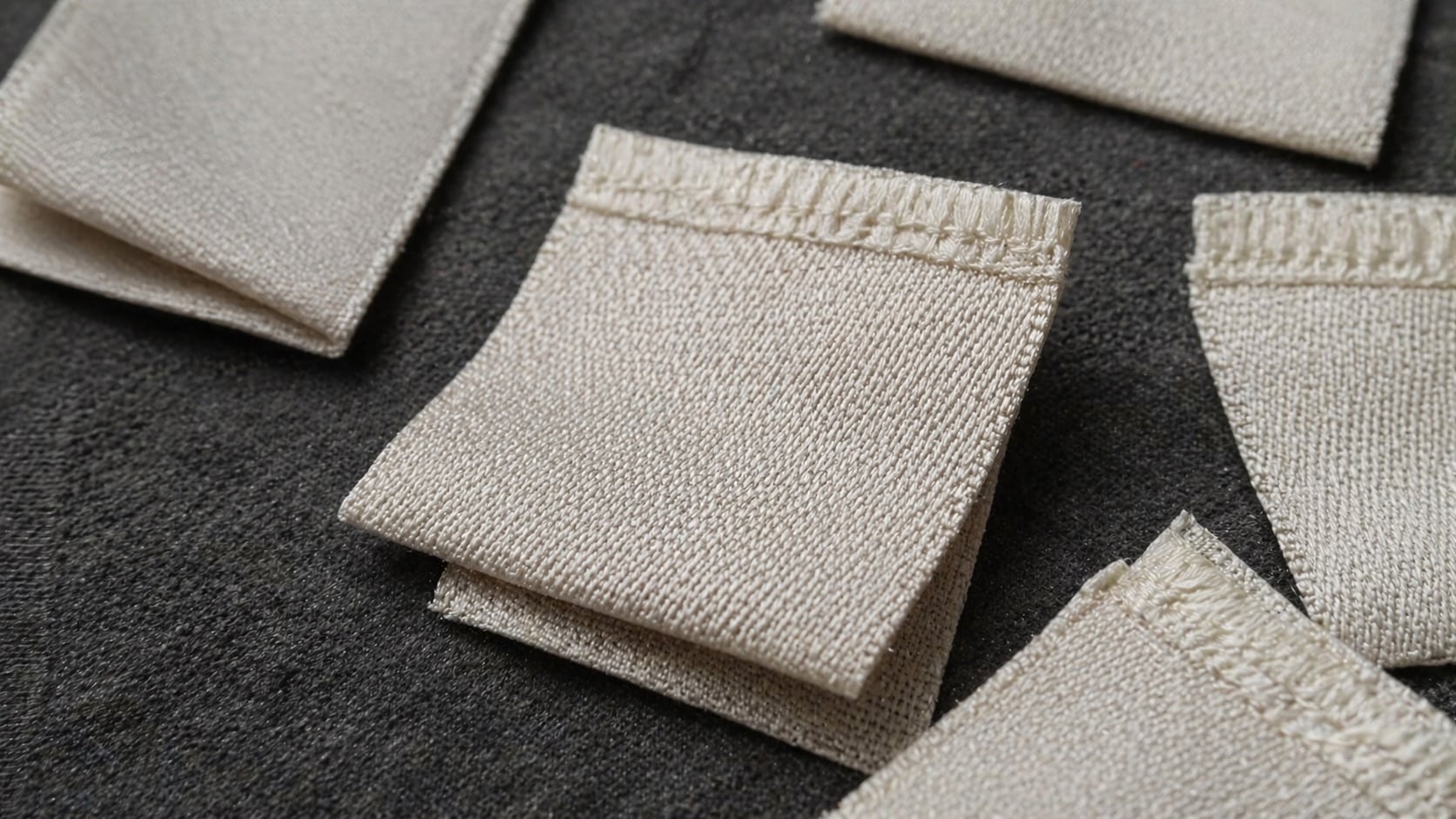
- Sustainable labels include woven brand labels, printed care labels, swing tags, and packaging made from recycled, organic, or FSC-certified materials.
- The most relevant certifications for label manufacturers are GOTS, GRS, OCS, Oeko-Tex, and FSC.
- Not all "eco" claims are equal. Look for certified supply chain transparency from raw material to finished label.
- Sustainable label sourcing does not necessarily mean higher costs. Turkey-based manufacturers like Etiteks offer certified sustainable labels at competitive price points.
- Wonnda connects brands with vetted label and packaging manufacturers, including suppliers with verified sustainability credentials.
What Makes a Label Manufacturer "Sustainable"?
Sustainability in label manufacturing is about three things: materials, process, and proof.
Materials cover the inputs. Recycled polyester yarn, organic cotton, recycled satin, and FSC-certified paper replace conventional raw materials. The best manufacturers can tell you exactly what percentage of their production uses recycled or certified materials and show an upward trajectory.
Process covers energy use, waste reduction, water management, and chemical handling during production. Weaving, printing, and finishing all have environmental footprints. Manufacturers investing in modern machinery tend to produce less waste and use less energy per unit.
Proof is where certifications come in. Without third-party verification, sustainability claims are marketing. The certifications below are the ones that matter most for label and trim manufacturing.
Sustainability Certifications for Labels, Explained
Understanding what each certification covers helps you ask the right questions when evaluating suppliers.
| Certification | What It Covers | Relevance for Labels |
|---|---|---|
| GOTS (Global Organic Textile Standard) | Organic fibers, processing, social criteria | Organic cotton care labels, organic yarn woven labels |
| GRS (Global Recycled Standard) | Recycled content verification, chain of custody | Recycled polyester yarn, recycled satin fabric |
| OCS (Organic Content Standard) | Organic material tracking through supply chain | Verifying organic cotton content in labels |
| RCS (Recycled Claim Standard) | Recycled input materials tracking | Validating recycled content claims on labels |
| Oeko-Tex Standard 100 | Tested for harmful substances | Skin-safe labels, especially care labels |
| FSC (Forest Stewardship Council) | Responsible forest management | Swing tags, paper packaging, cardboard inserts |
| Sedex/SMETA | Ethical trade, labor practices, health & safety | Supplier social compliance |
A manufacturer holding GOTS, GRS, and FSC together covers the full spectrum: organic fibers, recycled materials, and certified paper. This combination is rare and signals genuine commitment.
How to Evaluate a Sustainable Label Manufacturer
Before requesting quotes, assess potential suppliers against these criteria.
1. Certified Materials as a Percentage of Total Production
Ask for specific numbers. A manufacturer producing 35% of woven labels from recycled yarn and trending upward is more credible than one that offers "sustainable options upon request" without data.
2. Breadth of Certifications Held
Single-certification suppliers are common. Multi-certified suppliers (GOTS + GRS + OCS + FSC + Oeko-Tex) demonstrate a systematic, organization-wide commitment rather than a checkbox exercise.
3. Full Product Range Coverage
If your brand needs woven labels, care labels, and swing tags, sourcing all three from one certified supplier simplifies your compliance documentation and audit trail. Single-source sustainable trim suppliers save procurement teams significant time.
4. Machinery and Process Investment
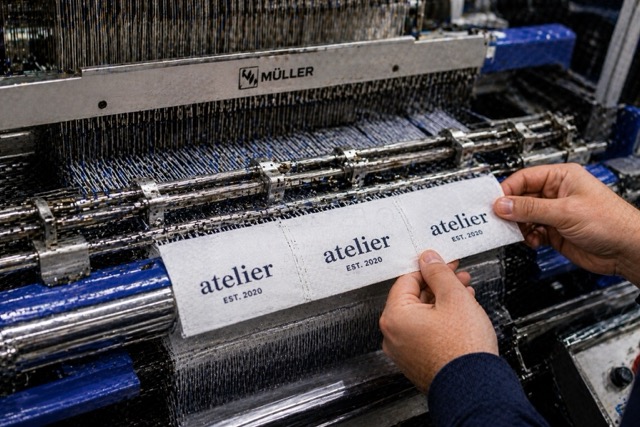
Modern European machinery (Muller for weaving, Heidelberg for printing) typically runs more efficiently with less waste than older equipment. Ask what machines they use and when they were acquired.
5. Transparency and Traceability
The best manufacturers can trace materials from raw yarn or paper stock through to the finished label. This matters for brands pursuing B Corp certification or preparing for the EU Digital Product Passport requirements.
10 Best Sustainable Label Manufacturers
1. Etiteks
Location: Istanbul, Turkey (4 production facilities)
Founded: 1983
Certifications: Etiteks itself or their sub-suppliers hold relevant certifications such as GOTS, GRS, OCS, RCS, Oeko-Tex, Sedex, FSC (FSC-C183770)
Monthly capacity: 40 million units
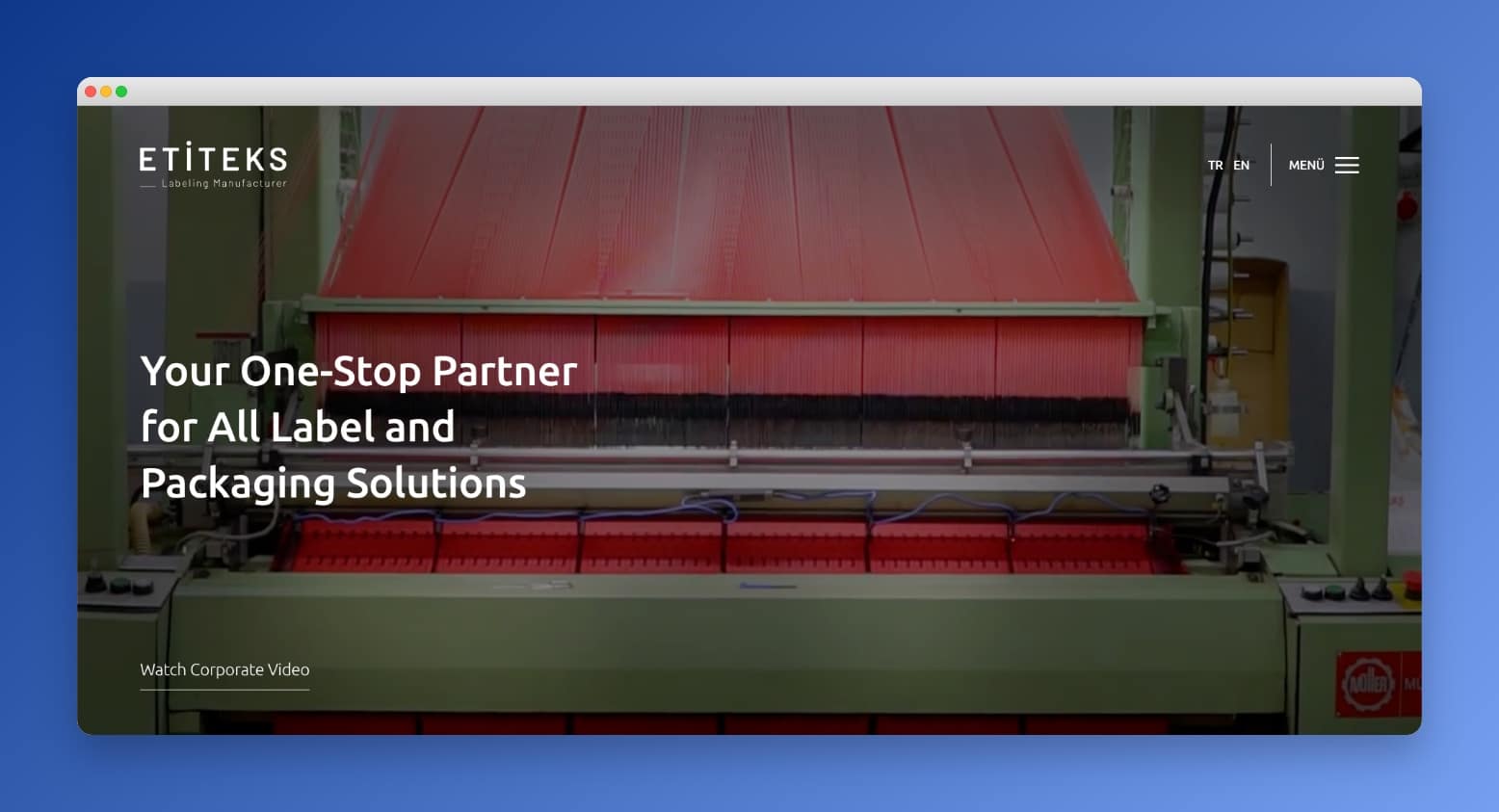
Etiteks is the first certified organic label producer in Turkey and one of the most comprehensively certified label manufacturers globally. The company produces woven labels, printed care labels, swing tags, and secondary packaging from a single-source operation.
What sets Etiteks apart is the depth of sustainable production already in place. 35% of woven label production uses recycled yarn (Muller Swiss machinery). 50% of care label fabric is recycled satin, with an additional 10% allocated to organic cotton (Focus UK printing machines). For swing tags and packaging, 45% of paper used is FSC-certified and recycled, printed on Heidelberg German presses.
The company exports to over 60 countries and serves fashion, beauty, sportswear, and home textile brands. For brands needing a single partner to handle all labeling and packaging trims with verified sustainability credentials, Etiteks is a strong fit.
2. Weavabel
Location: Leicestershire, United Kingdom
Specialization: Garment branding and trim solutions
UK-based Weavabel focuses on branded garment trims with a strong sustainability portfolio. They offer recycled polyester woven labels, organic cotton care labels, and FSC-certified paper swing tags. Their "Earthology" range consolidates their sustainable product options under a single brand.
3. Labelon
Location: Taipei, Taiwan (global distribution)
Specialization: Care labels, RFID labels
Labelon specializes in printed care labels and RFID-integrated solutions. Their sustainable offering includes recycled satin and recycled polyester taffeta materials. Strong in compliance labeling with high-volume capacity.
4. Coats Group
Location: Global (headquarters UK)
Specialization: Threads and labels
Primarily known as a thread manufacturer, Coats also produces labels and offers recycled material options. Their global footprint makes them accessible but they are less specialized in the full labeling and packaging suite compared to focused manufacturers like Etiteks.
5. SML Group
Location: Hong Kong (global production)
Specialization: Full-range label and packaging
SML is one of the largest global label suppliers. They offer recycled and organic label options across woven, printed, and paper products. Strong at scale, though pricing and minimum order requirements may favor larger brands.
6. Bel Labels
Location: Istanbul, Turkey
Specialization: Woven and printed labels
Another Turkey-based manufacturer with competitive pricing and growing sustainability credentials. Smaller certification portfolio than Etiteks but reliable for brands seeking cost-effective recycled label options.
7. Trimco Group
Location: Global (headquarters Netherlands)
Specialization: Full brand identity solutions
Trimco provides labels, tags, packaging, and brand identity components. Their sustainability program covers recycled and organic materials with a strong European client base. Good for brands needing a global, multi-site supplier.
8. Continental Clothing
Location: London, United Kingdom
Specialization: Sustainable labels for organic apparel
Continental focuses on labels specifically designed for organic and eco-certified apparel lines. Narrower product range than full-suite manufacturers but deep expertise in organic textile labeling.
9. Immago Labels
Location: UK (multiple production sites)
Specialization: Swing tags, care labels, woven labels
Immago provides a comprehensive labeling and packaging service with growing sustainable material options. Strong in the UK retail market with a full range of garment trims.
10. Dutch Label Shop
Location: Netherlands
Specialization: Custom woven labels, small to mid-volume
Good option for smaller brands or startups. Lower MOQs than large-scale manufacturers, though the sustainability certification portfolio is more limited. Suitable for brands at the beginning of their sustainability journey.
Comparison Table: Sustainable Label Manufacturers at a Glance
| Manufacturer | Location | Key Certs | Products | Recycled Content | Monthly Capacity |
|---|---|---|---|---|---|
| Etiteks | Istanbul, Turkey | They and/or their sub-suppliers hold relevant certificates such as GOTS, GRS, OCS, RCS, Oeko-Tex, Sedex, FSC | Woven + Care + Swing Tags + Packaging | 35-50% (increasing) | 40M units |
| Weavabel | UK | Woven + Care + Swing Tags | Available | Not disclosed | |
| Labelon | Taiwan | Care Labels + RFID | Available | High volume | |
| Coats Group | Global | Threads + Labels | Available | Very high | |
| SML Group | Global | Full range | Available | Very high | |
| Bel Labels | Turkey | Woven + Printed | Available | Mid-high | |
| Trimco Group | Global | Full brand identity | Available | High | |
| Continental | UK | Organic labels | Core focus | Mid | |
| Immago | UK | Swing Tags + Labels | Available | Mid-high | |
| Dutch Label Shop | Netherlands | Custom woven labels | Limited | Small-mid |
Common Mistakes When Sourcing Sustainable Labels
Accepting "eco-friendly" claims without certification. Many suppliers market sustainable options but lack third-party verification. Always ask for certificate numbers and check validity with the issuing body.
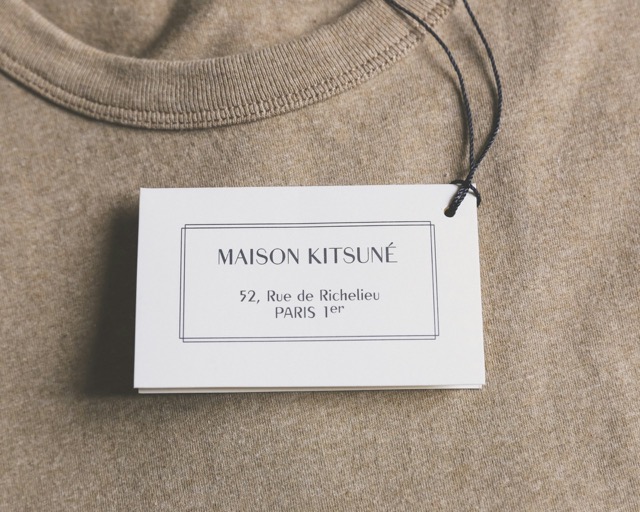
Overlooking care labels and swing tags. Brands often focus sustainability efforts on the main product material while leaving trims untouched. For GOTS or GRS certification of the final product, all components, including labels and tags, may need to meet the same standard.
Using too many suppliers for trims. Managing sustainability documentation across multiple trim vendors creates complexity and increases audit burden. A single-source manufacturer covering woven labels, care labels, and swing tags under one set of certifications simplifies compliance significantly.
Ignoring minimum order realities. Some sustainable material options require higher minimums because certified yarn or paper is produced in specific batch sizes. Plan order volumes accordingly and discuss MOQ flexibility early.
Not verifying the upward trend. A manufacturer currently at 35% recycled content but investing in reaching 60% within two years is a better long-term partner than one at 40% with no growth plan. Ask about targets, not just current numbers.
Post your requirements and get matched with sustainable label manufacturers on Wonnda.
Wonnda connects brands with vetted label and packaging manufacturers across Europe, Turkey, and beyond. Whether you need certified woven labels, recycled care labels, or FSC-certified swing tags, post a free sourcing request to get matched with suppliers that meet your sustainability standards.
Frequently Asked Questions
What certifications should I look for in a sustainable label manufacturer?
The most important certifications are GOTS (for organic fibers), GRS (for recycled content), Oeko-Tex Standard 100 (for chemical safety), and FSC (for paper-based products like swing tags). A manufacturer holding multiple certifications demonstrates a comprehensive sustainability program.
Are sustainable labels more expensive than conventional labels?
Not necessarily. Turkey-based manufacturers like Etiteks offer certified sustainable labels at competitive price points due to favorable production economics. Recycled polyester yarn prices have also decreased as recycling infrastructure has scaled. The premium for sustainable materials is typically 5-15% over conventional, and trending downward.
Can I get woven labels, care labels, and swing tags from one sustainable supplier?
Yes. Single-source manufacturers like Etiteks produce all three product types under one roof with shared sustainability certifications. This simplifies your supply chain, reduces shipping costs, and makes compliance documentation easier to manage.
What is the minimum order for sustainable labels?
MOQs vary by manufacturer and product type. Large-scale manufacturers typically require minimum orders of several thousand units per SKU. Some suppliers offer lower minimums for standard designs. Discuss your volume needs early in the quoting process to find the right fit.
How do I verify a manufacturer's sustainability claims?
Ask for certificate numbers and check them directly with the issuing body (e.g., the GOTS public database, FSC certificate checker). Request documentation showing what percentage of production uses certified materials. Visit the facility or request an audit report if possible.
Do sustainable labels meet the same quality standards as conventional labels?
Yes. Recycled polyester woven labels, recycled satin care labels, and FSC-certified paper swing tags meet the same durability, print quality, and softness standards as their conventional equivalents. Modern recycled materials are functionally identical to virgin materials.
Related articles

10+ Best Doypack Suppliers in Europe (2026 List)

10+ Best European Packaging Suppliers in 2026

Stainless Steel Cookware Manufacturing: Materials, Processes, and What Buyers Should Know
Best Care Label Manufacturers and Wash Label Suppliers (2026)
10+ Best Woven Label Manufacturers in Europe and Turkey (2026)
The Complete Guide to Sustainable Textile Labels and Certifications (2026)
Clothing Label Requirements in Europe: What Fashion Brands Must Include (2026)

10+ Best Sustainable Packaging Suppliers in Europe (2026 Update)