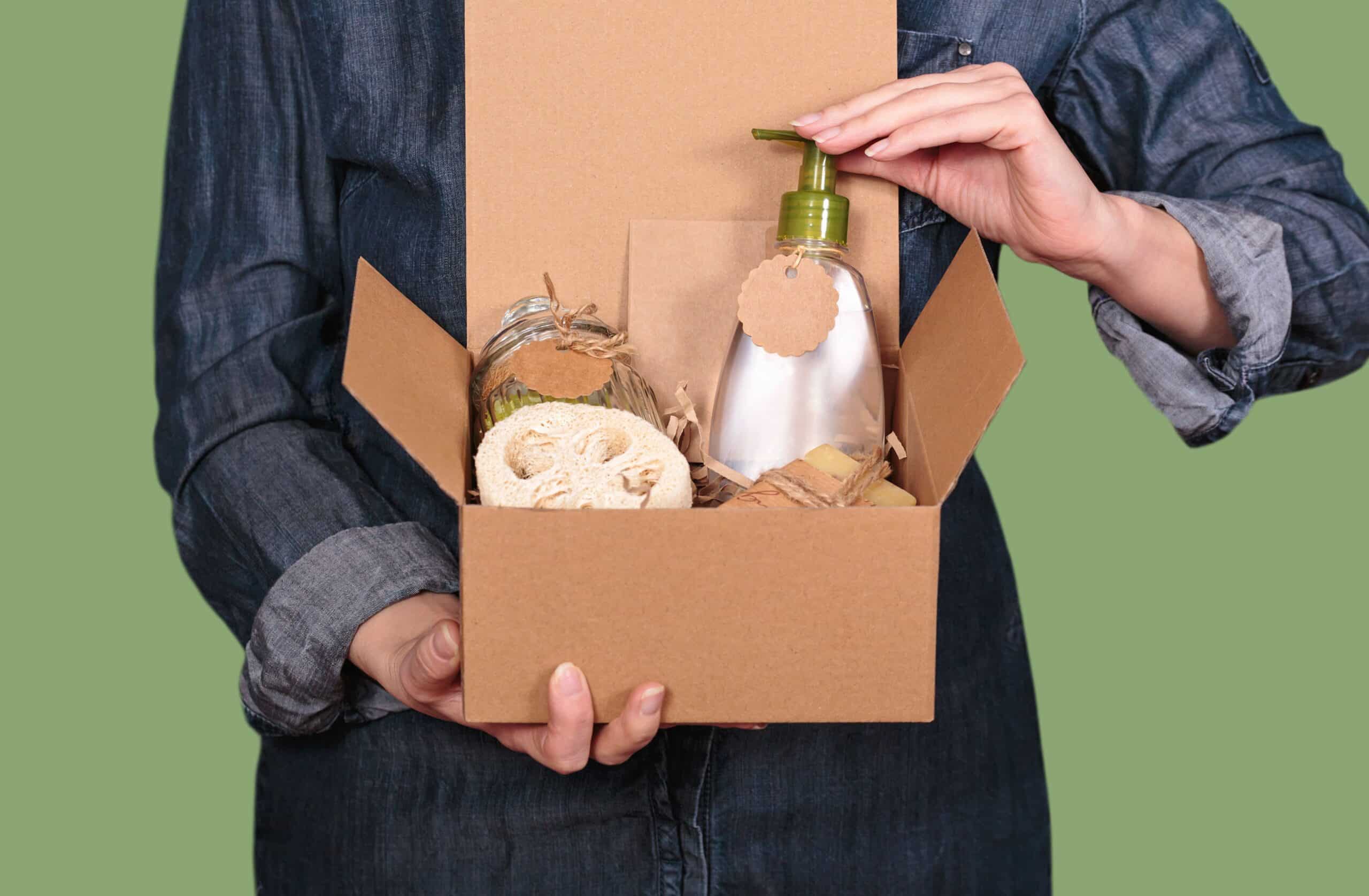
What is co-packing or contract packaging? Complete guide for 2026


Key takeaways:
- Cost-effective & scalable: Co-packing reduces manufacturing costs and enables brands to scale production efficiently without large capital investments.
- Regulatory compliance & quality assurance: Partnering with experienced co-packers ensures compliance with industry regulations and high product quality standards.
- Market adaptability: Co-packing supports innovation, allowing brands to quickly respond to changing consumer trends, sustainability demands, and e-commerce packaging needs.
In the competitive world of consumer goods, efficiency and scalability are crucial for success. Many brands, from food and beverage to cosmetics and supplements, rely on co-packing or contract packaging to streamline production and packaging processes. But what exactly does co-packing mean, and how can it benefit your business this year?
This guide explores everything you need to know about co-packing, its advantages, industries that use it, and how to choose the right co-packer.
What is co-packing?
Co-packing, short for contract packaging, is when a company outsources its packaging operations to a third-party service provider, known as a co-packer. These specialized manufacturers handle tasks like product filling, labeling, assembly, and distribution, allowing brands to focus on marketing and sales.
A co-packer can package products in various formats, including:
- Bottles, jars, and cans
- Pouches and sachets
- Blister packs and clamshells
- Boxes and cartons
- Custom packaging solutions

Packed juices in jars

Sustainable jewelry boxes
How does co-packing work?
The co-packing process typically involves several stages:
Product Development
The brand determines the product specifications, including ingredients, formulations, or raw materials.
Packaging Design
The company provides the branding, labeling, and structural packaging requirements.
Production & Filling
The co-packer manufactures and fills the packaging according to the agreed specifications.
Quality Control
The finished products undergo inspection to ensure they meet industry standards and regulations.
Storage & Distribution
Many co-packers also offer warehousing and logistics services to distribute the final product efficiently.
Benefits of using a co-packer
- Cost Savings: Co-packers have established production lines, reducing the need for brands to invest in manufacturing equipment and labor.
- Scalability: Businesses can easily scale production up or down based on demand without additional capital investments.
- Expertise & Compliance: Co-packers are well-versed in industry regulations, ensuring that packaging meets safety and compliance standards.
- Faster Time to Market: With streamlined production and logistics, brands can bring products to market more quickly.
- Focus on Branding & Sales: By outsourcing packaging, companies can allocate more resources to marketing and business growth.
Industries that use co-packing
Co-packing is widely adopted across a diverse range of industries. In the food and beverage sector, co-packers are responsible for packaging everything from snacks and sauces to dairy and frozen foods. The supplement and pharmaceutical industries rely on these services for vitamins, protein powders, and herbal supplements, ensuring products are safely and effectively packaged.
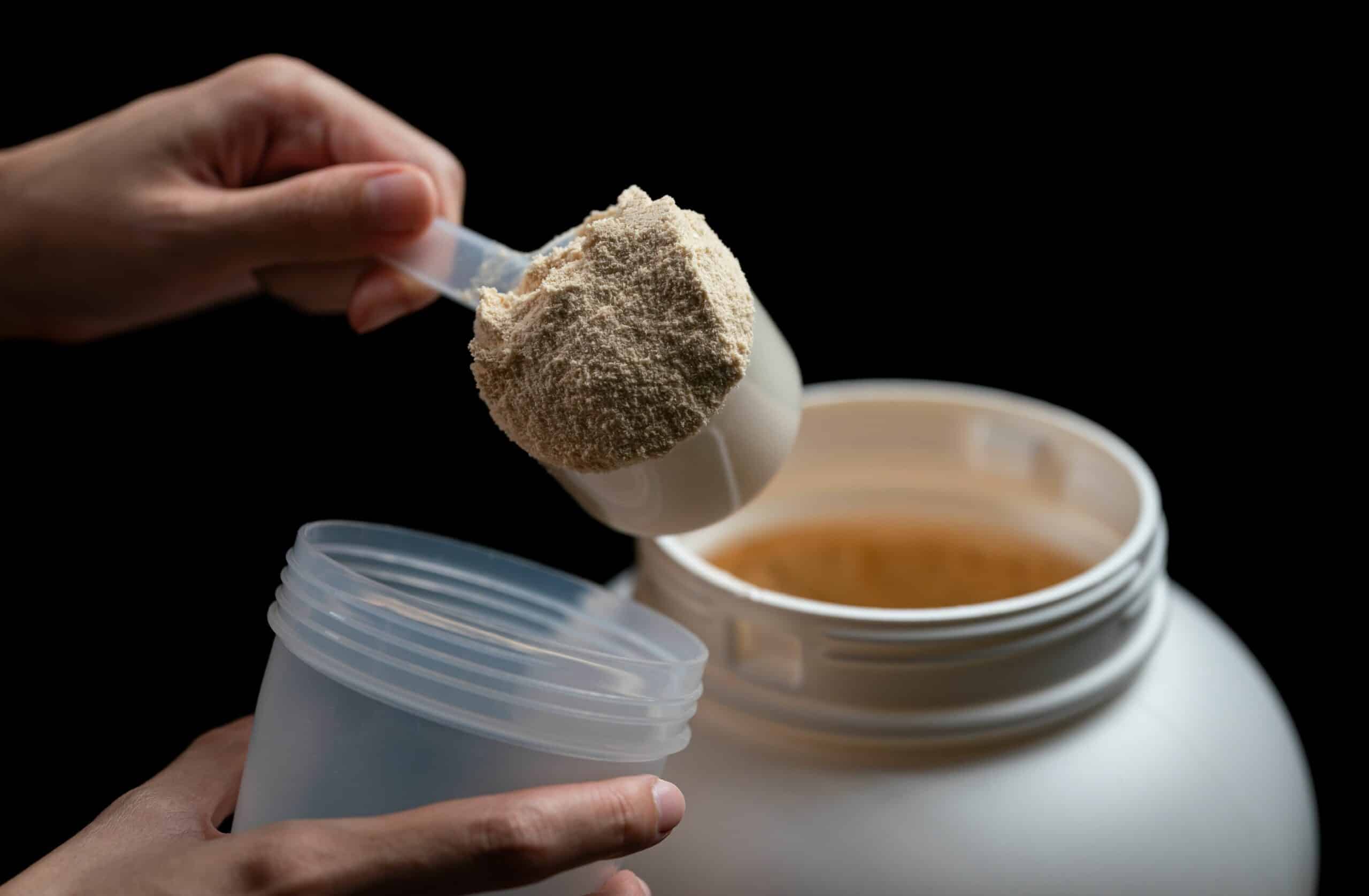
Protein powder is a high-quality packaging

Woman choosing packed frozen food
Additionally, beauty and personal care products, household cleaning supplies, and even pet food benefit from the expertise of co-packers who help maintain product integrity while meeting consumer expectations.
Choosing the right co-packer
Selecting the ideal co-packing partner is critical for ensuring that your products are manufactured and packaged to the highest quality standards while aligning with your brand vision. It requires careful consideration of several factors, each contributing to the overall success of your supply chain. Here are some key points to consider when choosing a co-packer:
Industry expertise and experience
Look for a co-packer that has a strong background in your specific product category. An experienced partner will understand the unique challenges and requirements of your industry, whether you are in food and beverage, supplements, beauty, or another sector. Their expertise can help streamline production, ensure compliance, and anticipate potential issues before they arise.
Certifications and compliance
Ensure that the co-packer maintains the necessary certifications such as FDA registration, Good Manufacturing Practices (GMP), or HACCP, depending on your industry. These certifications are critical indicators that the co-packer adheres to strict quality control and safety standards. Working with a certified co-packer minimizes the risk of regulatory issues and helps build trust with your customers.
Production capacity and flexibility
Evaluate the co-packer’s ability to meet your current and future production volume requirements. It’s important to choose a partner that not only can handle your present needs but also offers the flexibility to scale production as your business grows. Flexibility also means the willingness to accommodate custom formulations or packaging changes as market trends and your brand evolve.
Quality assurance and control
A reliable co-packer will have robust quality assurance processes in place. Ask about their inspection protocols, testing procedures, and how they handle any discrepancies in production. Consistent quality control is vital to ensuring that every batch of your product meets your standards and complies with industry regulations.
Customization and packaging solutions
Your co-packer should be able to offer tailored solutions that align with your brand’s identity. This includes providing options for custom packaging, labeling, and even innovative design solutions that make your product stand out on the shelf. Customization capabilities are especially important if you aim to differentiate your product in a competitive market.
Logistics and distribution support
Consider whether the co-packer offers additional services such as warehousing, inventory management, and shipping. Integrated logistics support can simplify your supply chain and reduce the burden on your internal resources. A co-packer that can manage these aspects effectively helps ensure that your products reach the market on time and in optimal condition.
Reputation and references
Finally, research the co-packer’s reputation in the industry. Request references or case studies from current or past clients to gain insights into their performance, reliability, and overall customer satisfaction. A strong reputation is often a reliable indicator of a co-packer’s ability to deliver consistent, high-quality results.
Co-packing trends
With evolving consumer demands and technological advancements, co-packing is also transforming. Key trends for this year include:
- Sustainable packaging: Eco-friendly materials, biodegradable packaging, and reduced plastic waste are becoming industry standards.
- Automation & AI integration: Robotics and smart packaging solutions improve efficiency and reduce costs.
- Personalization & small batch production: More brands are opting for customized packaging and limited-edition product runs.
- E-commerce-focused packaging: Brands are designing packaging tailored for online retail and direct-to-consumer shipping.
- Supply chain resilience: Co-packers are diversifying supply chains to prevent disruptions and ensure smooth production.
Conclusion
Co-packing is a strategic solution for brands looking to optimize their packaging and production processes while focusing on growth. Whether you're launching a new product or scaling an existing line, partnering with the right co-packer can enhance efficiency, reduce costs, and ensure high-quality packaging. As this year brings new innovations and sustainability demands, businesses that leverage contract packaging will stay ahead in the competitive market.
Are you ready to explore co-packing for your brand? Start by researching top co-packers in your industry and aligning their capabilities with your business needs.
Related articles

10+ Best Doypack Suppliers in Europe (2026 List)
10+ Best European Packaging Suppliers in 2026
Stainless Steel Cookware Manufacturing: Materials, Processes, and What Buyers Should Know
Best Care Label Manufacturers and Wash Label Suppliers (2026)
10+ Best Woven Label Manufacturers in Europe and Turkey (2026)
The Complete Guide to Sustainable Textile Labels and Certifications (2026)
Clothing Label Requirements in Europe: What Fashion Brands Must Include (2026)
Best Sustainable Label Manufacturers for Eco-Conscious Brands (2026)