
Best private label vitamin c supplement manufacturers
Shortlist private label vitamin c supplement suppliers on Wonnda. Sourcing considerations include different forms like ascorbic acid, buffered mineral ascorbate, and liposomal vitamin C, each impacting cost and formulation. Ascorbic acid is suitable for capsules, while buffered forms offer gentler options for chewables or sensitive stomachs. Liposomal varieties represent a premium offering due to enhanced absorption properties, making form selection a key variable in product development.
- Vitamin C market — global value, projected to reach 2.61 billion USD by 2030
- 1.95 billion USD
- Vitamin C market CAGR — steady growth anchored by immune-support demand
- 4.3%
- Largest regional market — highest revenue share of the vitamin C market
- Asia Pacific, 39.65%
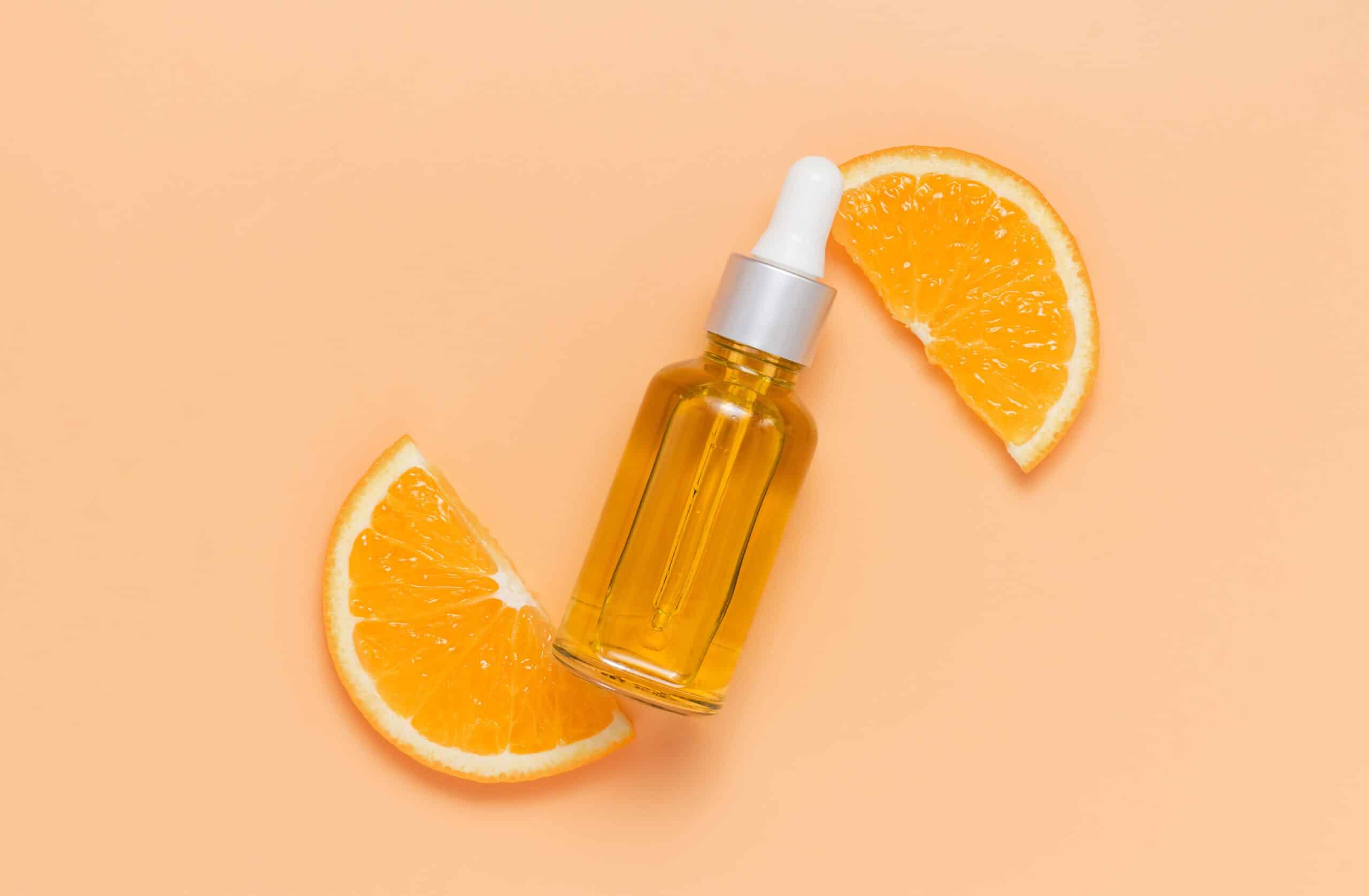
8+ Top private label vitamin c supplement manufacturers
Wonnda works with the best private label vitamin c supplement manufacturers. Here is a list of trusted suppliers from our network.
- Featured
 Private LabelContract Manufacturing
Germany-based manufacturer producing denture cleansing tablets, dietary supplement capsules, dietary supplement tablets, available to brands sourcing vitamin c supplement.
- Country
- Germany
- MOQ
- Lead time
- Featured
NorVita
4.7Private LabelContract ManufacturingEstonia-based manufacturer producing vitamin d3 spray, vitamin d3 baby spray, beauty collagen gel, available to brands sourcing vitamin c supplement.
- Country
- Estonia
- MOQ
- Lead time
- Featured
Activ'Inside
4.7Private LabelContract ManufacturingFrance-based manufacturer producing powder supplements, tablets, gummies, available to brands sourcing vitamin c supplement.
- Country
- France
- MOQ
- 1000 units
- Lead time
- 8 weeks
- Featured
 Private LabelContract Manufacturing
Latvia-based manufacturer producing b-complex vitamin blends, mineral and vitamin blends, magnesium formulations, available to brands sourcing vitamin c supplement.
- Country
- Latvia
- MOQ
- Lead time
- Featured
 Private LabelWhite LabelContract Manufacturing
Hungary-based manufacturer producing powder supplements, animal supplements, vitamin supplements, available to brands sourcing vitamin c supplement.
- Country
- Hungary
- MOQ
- From 500 units for selected ready capsule formulas; 1,000 units for capsules, softgels and collagen products
- Lead time
 Private LabelContract ManufacturingWholesale
Slovenia-based manufacturer with private label capability. European CDMO for food supplements, cosmetics, and pet food with patented BMT® microencapsulation technology and 30+ years of formulation ex
- Country
- Slovenia
- MOQ
- Contact for MOQs (project-dependent)
- Lead time
- 12 weeks
 Private LabelContract Manufacturing
Turkey-based manufacturer producing omega-3 fish oil capsules, immune support supplements, memory enhancement supplements, available to brands sourcing vitamin c supplement.
- Country
- Turkey
- MOQ
- Lead time
 Private LabelContract Manufacturing
USA-based manufacturer producing dietary supplements, pet supplements, pet grooming products, available to brands sourcing vitamin c supplement.
- Country
- USA
- MOQ
- Lead time
Compare MOQs and lead times
Quick side-by-side of the shortlist. Missing values shown as a dash.
| Supplier | Location | Types | MOQ | Lead time |
|---|---|---|---|---|
| BMP Production | Germany | PL · CM | ||
| NorVita | Estonia | PL · CM | ||
| Activ'Inside | France | PL · CM | 1000 units | 8 weeks |
| ERA Scientifico | Latvia | PL · CM | ||
| AYS Ltd. (All Your Solution) | Hungary | PL · White Label · CM · Packaging | From 500 units for selected ready capsule formulas; 1,000 units for capsules, softgels and collagen products | |
| Biostile Global | Slovenia | PL · CM · WS | Contact for MOQs (project-dependent) | 12 weeks |
| Ledapharma | Turkey | PL · CM | ||
| GP Labs | USA | PL · CM |
Buyer criteria
- Form matched to tolerability and claim
Match the vitamin C form to your positioning and your customer's stomach. Plain ascorbic acid is cheap and effective but acidic and harsh at high doses, buffered ascorbate is gentler for sensitive users and chewables, and liposomal carries an absorption premium. Confirm the manufacturer can supply your chosen form and understands its behavior. A house that treats all vitamin C as interchangeable will let you ship a harsh acid in a format where a buffered form belongs.
- Genuine liposomal encapsulation, if claimed
Liposomal vitamin C is frequently overclaimed, with some products simply mixing lecithin into a vitamin C liquid rather than truly encapsulating the active. If you position on liposomal, require evidence of genuine encapsulation and the specialist capability behind it. Ask how the liposomes are formed and verified. An absorption premium built on a liposomal claim that is not real is both a marketing and a regulatory exposure that surfaces under scrutiny.
- Potency, stability and overage for a degrading vitamin
Vitamin C oxidizes readily, so confirm the manufacturer assays potency against label claim, runs stability testing for your format and packaging, and formulates any overage needed to hold the label dose to expiry. Ask for stability data on your actual product. A high-dose vitamin C that degrades below claim before expiry, especially in a gummy or liquid, generates potency complaints and undermines the immune-support promise.
- Raw-material provenance and traceability
Because ascorbic acid comes from a few large global producers, confirm provenance where you make origin or non-China claims, with traceability back to the producer. Verify identity and potency on incoming material. A provenance claim you cannot substantiate is a liability, and even without an origin claim, knowing the supply source helps you manage the price volatility that affects this commodity active.
- Co-active formulation and whole-food positioning
Many vitamin C products add bioflavonoids, rosehip or acerola for a whole-food story, or zinc for an immune stack. Confirm the manufacturer can source and evenly distribute these at meaningful, defensible levels rather than token amounts, and that whole-food source claims are substantiated. Ask how uniformity is verified for the smallest-inclusion ingredient, since a fairy-dusted bioflavonoid adds label appeal without delivering the function it implies.
- Format and protective packaging capability
Confirm the manufacturer runs your intended format, tablet, capsule, chewable, gummy or liposomal liquid, in-house, and can provide light- and moisture-protective packaging suited to a degradation-prone vitamin. Each format has its own line and stability profile. A house that only presses tablets cannot deliver the gummy or liposomal liquid that may define your positioning without adding a second partner, and inadequate packaging shortens real shelf life.
- GMP, disintegration and certification scope
Require current GMP and food-safety certification with a scope covering your format, plus disintegration testing for tablets and capsules so the product releases its dose. Dense high-dose ascorbic acid tablets in particular must disintegrate properly. Ask for representative disintegration and assay data rather than generic assurances, and confirm the certification actually covers the specific format and any specialty process such as liposomal encapsulation you intend to use.
Red flags
- Liposomal claimed without real encapsulation
A liposomal positioning that rests on simply blending lecithin into a vitamin C liquid, rather than genuine phospholipid encapsulation, is a widespread overclaim. If the manufacturer cannot explain how the liposomes are formed and verified, the enhanced-absorption premium is unsupported. Customers pay extra specifically for liposomal delivery, so a false or unverifiable liposomal claim is both a trust failure and a regulatory exposure that does not survive scrutiny.
- No stability data for a degradation-prone vitamin
Vitamin C oxidizes readily, so a printed shelf life with no stability study behind it, especially for gummies and liquids, is guesswork on an active that demonstrably degrades. A manufacturer that assigns expiry without format-specific stability data, or does not formulate overage where needed, cannot guarantee the label dose holds, and you inherit the potency complaints when a high-dose immune product tests low before its date.
- Harsh plain acid in the wrong format
Plain ascorbic acid in a chewable, a high-dose everyday tablet for sensitive users, or any product positioned on gentleness contradicts the form's acidic nature. If a manufacturer pushes cheap plain acid into a format or audience that calls for a buffered ascorbate, the product will cause the stomach upset or sour taste your positioning promised to avoid. Form-format mismatch signals a house indifferent to how vitamin C actually behaves.
- No provenance transparency on the commodity active
Because ascorbic acid comes from a concentrated set of global producers, a manufacturer unwilling to disclose the supply source leaves you unable to substantiate any origin claim or manage price and quality risk. If you make a specific-provenance claim, opacity on the source is disqualifying, and even otherwise it signals a house buying spot-market commodity of variable quality without traceability you can rely on.
- Fairy-dusted bioflavonoids or whole-food claims
Bioflavonoids, rosehip or acerola listed for a whole-food halo at token levels too low to matter inflate the panel without delivering function. Ask for the actual inclusion levels and substantiation for any whole-food source claim. A vitamin C dressed up with trace botanicals to look natural while delivering nothing meaningful from them misleads customers and invites claim scrutiny in a category where whole-food positioning is heavily marketed.
- Dense high-dose tablets with no disintegration data
High-dose ascorbic acid tablets compressed hard for a 1,000 mg dose can disintegrate poorly and pass through largely intact, delivering little of the labeled vitamin. If the manufacturer cannot show disintegration data for the actual tablet, the high-dose claim is theoretical. A tablet that does not break down is a common failure mode in dense, high-dose vitamin C and should be ruled out before production.
Manufacturing process
- 01
Form selection and excipient design
The brand fixes the vitamin C form, plain ascorbic acid, buffered ascorbate, or liposomal, and the manufacturer designs the excipient and, for liposomal, the encapsulation system around it. Plain acid is dense and flows well but is acidic, while buffered forms are gentler and liposomal requires a phospholipid carrier. The form determines tolerability, format suitability and the absorption claim, so it is locked before dose and packaging.
- 02
Ascorbic acid procurement and verification
Ascorbic acid or its mineral ascorbate is procured to a specification for purity, potency and contaminant limits, and incoming material is tested. Because the active is a traded commodity from a few large producers, provenance and identity verification matter, and brands making non-China or specific-origin claims need traceability. Potency is confirmed on receipt, since the assay against label claim begins with a verified raw material.
- 03
Liposomal encapsulation where specified
For liposomal products, ascorbic acid is encapsulated within phospholipid vesicles using specialized equipment, a genuinely different process from blending a powder. The quality and authenticity of the liposomal structure determine whether the enhanced-absorption claim holds, and this capability is specialist. A house claiming liposomal must demonstrate real encapsulation rather than simply mixing lecithin into a vitamin C liquid, which is a common overclaim.
- 04
Blending and time-release design
For capsules, tablets and powders, the vitamin C is blended with excipients and any co-actives such as bioflavonoids, rosehip or zinc to a validated uniformity. Time-release or sustained-release positioning is engineered here through coatings or matrix systems that spread absorption over hours, which suits high doses. Blend uniformity is sampled so every unit carries the labeled dose and the co-active distribution.
- 05
Tableting, encapsulation, gummy or liquid filling
The product is formed into its final format: compressed tablets (common for high-dose value products because dense ascorbic acid tablets well), capsules, chewables or gummies (where buffering reduces acidity), or liquid for liposomal. Each format has its own line and challenges, and the format is matched to the form, since plain acid is harsh in a chewable while buffered ascorbate is more palatable. Fill or tablet weight is checked for dose accuracy.
- 06
Coating and protective finishing
Tablets may be coated for swallowability, for time-release, or to protect the moisture- and light-sensitive vitamin from degradation, and gummies and liquids are formulated and packaged to limit oxidation. Vitamin C oxidizes readily, so protective finishing and packaging are part of maintaining potency to expiry, not cosmetic. The finishing is matched to the format and the stability requirements of the form chosen.
- 07
Quality control and potency assay
QC assays vitamin C content against label claim, screens microbiological limits and, where relevant, heavy metals, and runs disintegration testing for tablets and capsules. Because vitamin C degrades, the assay and the stability program are central, and overage may be formulated to ensure label potency holds to expiry. Per-batch certificates of analysis document potency and safety for traceability.
- 08
Light- and moisture-protective packaging and labeling
Units are packed into moisture- and light-protective formats, amber or opaque bottles, blisters, or sealed liquid containers, since vitamin C degrades with exposure. Products are labeled with the form, dose, any co-actives, lot code and expiry. Packaging choice supports the stability claim. Lot codes trace finished product back to the ascorbic acid lots, supporting any potency or provenance investigation.
Understanding vitamin c supplement private-label manufacturing
Forms of Vitamin C and Cost Drivers
Vitamin C supplements deliver ascorbic acid, a widely studied micronutrient. The form of ascorbic acid - plain acid, buffered mineral ascorbate, or liposomal - significantly impacts the product more than the dose itself.
Plain ascorbic acid is cost-effective, but its acidity can be harsh in chewables and on sensitive stomachs. Buffered forms, such as sodium or calcium ascorbate, offer gentleness at a slightly increased cost. Liposomal vitamin C commands a premium due to its enhanced-absorption claims.
Primary cost drivers include the form of vitamin C (liposomal is significantly more expensive than plain ascorbic acid; buffered forms are slightly more). Other factors are the dose, format (gummies and liposomal liquids are more costly than tablets), and added active ingredients like bioflavonoids, rosehip, or zinc.
Manufacturing and Sourcing
The raw material for vitamin C, ascorbic acid, is a globally traded commodity primarily sourced from a few large producers, mostly in China. This can lead to volatility in pricing and makes provenance a recurring sourcing concern.
Undifferentiated compared to proprietary botanicals, ascorbic acid
How private label works for vitamin C
Vitamin C private label is built around a cheap, commodity active and a set of choices about its form and format. The brand selects the vitamin C form, plain ascorbic acid, buffered ascorbate or liposomal, sets the dose and any time-release, chooses the format, and decides on co-actives and positioning, while the manufacturer procures and verifies the ascorbic acid, formulates for stability, and produces the chosen format. Because the active itself is undifferentiated and inexpensive, the value a brand adds lives in the form, the format, the added actives, and the stability and provenance story, not in the raw material.
The briefing sequence starts with the form, because it sets tolerability, format suitability, cost and the absorption claim at once, followed by the dose and time-release decision. Format, co-actives and packaging follow. A brand that fixes a chewable or a high-dose everyday format before reconciling the form often ends up shipping a harsh plain acid where a buffered ascorbate belonged, or building a liposomal premium on an encapsulation it cannot verify.
What separates premium from commodity vitamin C
On the shelf two vitamin C products can quote the same milligrams and cost very differently, and the difference is in choices the consumer cannot see: the form and its tolerability, whether a liposomal claim is genuine, the stability and overage that keep the dose to expiry, and the honesty of any whole-food or provenance positioning. A commodity product uses plain ascorbic acid, tests to the minimum, and leans on a big dose number. A premium product chooses a form matched to its audience, verifies real liposomal encapsulation where claimed, formulates for stability, and substantiates its source and co-active claims.
The liposomal claim is the sharpest integrity line in vitamin C. Because genuine encapsulation is specialist and expensive while a lecithin blend is cheap, the temptation to overclaim liposomal delivery is strong and widespread. Brands that verify real encapsulation, or choose an honest buffered or high-dose form instead, protect the premium and the trust, while those that overclaim build a price premium on a delivery story that does not survive scrutiny.
Sourcing geography for vitamin C
Vitamin C finishing for the European market is handled by tablet, capsule, gummy and liquid houses across Germany, the Netherlands, Italy, Poland and the UK, while the ascorbic acid active comes overwhelmingly from a small number of large global producers, with the bulk of capacity in China. This concentration means the active is a traded commodity with volatile pricing, and provenance is a recurring question independent of where the finished product is made.
For EU brands, finishing within Europe simplifies regulatory documentation, shortens lead times, and supports clean-label positioning, while any origin claim such as European-sourced or non-China vitamin C requires traceability back to the producer that few commodity supply chains readily provide. Understanding the supply source also helps manage the price volatility inherent in a concentrated commodity market, where ascorbic acid pricing can swing with producer capacity and trade conditions.
Cost structure breakdown
The vitamin C cost stack is unusual because the active is cheap, so form, format and packaging often dominate. Liposomal encapsulation and gummy manufacturing cost far more than pressing a plain tablet, and protective packaging matters for a degrading vitamin, so the cost lives more in delivery than in the ascorbic acid.
- Form: the main cost lever; liposomal costs many times more than plain ascorbic acid, with buffered forms a modest step up.
- Format: gummies and liposomal liquids cost far more than tablets and capsules to produce.
- Dose and time-release: high-dose and sustained-release formulations add material and processing cost.
- Co-actives: bioflavonoids, rosehip, acerola or zinc dosed to meaningful levels.
- Packaging and QC: light- and moisture-protective packaging, potency assay and stability testing for a degradation-prone vitamin.
Sourcing discipline means recognizing that the active is a small part of the cost, so the real decisions are about form, format integrity (especially genuine liposomal), and stability, rather than haggling over the inexpensive ascorbic acid itself.
Compliance and certification landscape
Vitamin C supplements sit under food-supplement regulation in the EU, which sets permitted sources, maximum levels and label-claim rules, with notification requirements that vary by member state. Authorized claims, such as vitamin C contributing to normal immune function and to normal collagen formation, may be used only as permitted, which is why beauty-from-within and immune positioning must be worded carefully. Manufacturers should hold GMP and food-safety certification with a scope covering the specific format produced.
Stability is both a quality and a compliance matter, since the label potency must hold to expiry for a vitamin that oxidizes readily, and liposomal and whole-food claims must be substantiated rather than asserted. For combination products, claims tied to added zinc or botanicals must also meet the authorized-claim rules. A manufacturer experienced in your target markets will flag maximum-level limits, claim constraints and the stability and provenance documentation needed before they become a relabeling or enforcement problem.
Trends shaping the vitamin C category
Vitamin C is a mature, steadily growing category, so innovation concentrates on form and format rather than the active itself. The liposomal segment has grown quickly on an enhanced-absorption story, which has also drawn scrutiny as buyers and regulators question overclaimed liposomal products, rewarding brands that can substantiate genuine encapsulation. Gummies and effervescent tablets have expanded the format mix beyond capsules and tablets, appealing to consumers who want a more enjoyable or convenient daily dose, while sustained-release formulations address the limited absorption of large single doses.
Positioning is the other battleground. Immune support remains the anchor, but vitamin C is increasingly marketed for beauty-from-within on the strength of its genuine role as a cofactor in collagen synthesis, which pairs it with collagen and skin-health stacks. Whole-food and natural-source positioning, using acerola, rosehip and bioflavonoids, continues to grow among clean-label buyers, putting a premium on honest co-active dosing rather than fairy-dusting. Provenance is also rising as a quiet concern, with some brands seeking non-China or specifically sourced ascorbic acid, which requires traceability through a concentrated commodity supply chain. For a private label brand, the opportunity lies less in the cheap active and more in choosing a credible form, an appealing format, and an honest co-active and provenance story that a capable finisher can actually deliver and verify.
Industry insights
Frequently asked questions
Should I use plain ascorbic acid, buffered, or liposomal vitamin C?+
Is liposomal vitamin C worth the premium, and how do I verify it is real?+
How do I keep my vitamin C from degrading before expiry?+
What MOQ should I expect for a vitamin C product?+
Does a higher dose of vitamin C mean a better product?+
Should I add bioflavonoids, rosehip, or zinc to my vitamin C?+
Where does the ascorbic acid in my product actually come from?+
Can one manufacturer make vitamin C tablets, gummies, and liposomal liquid?+
Explore adjacent product types
Get a vetted shortlist of vitamin c supplement suppliers in 48 hours.
Post a brief on Wonnda. Free, no commitment. We match you with vetted manufacturers that fit your MOQ, format and market.