
Best private label magnesium supplement manufacturers
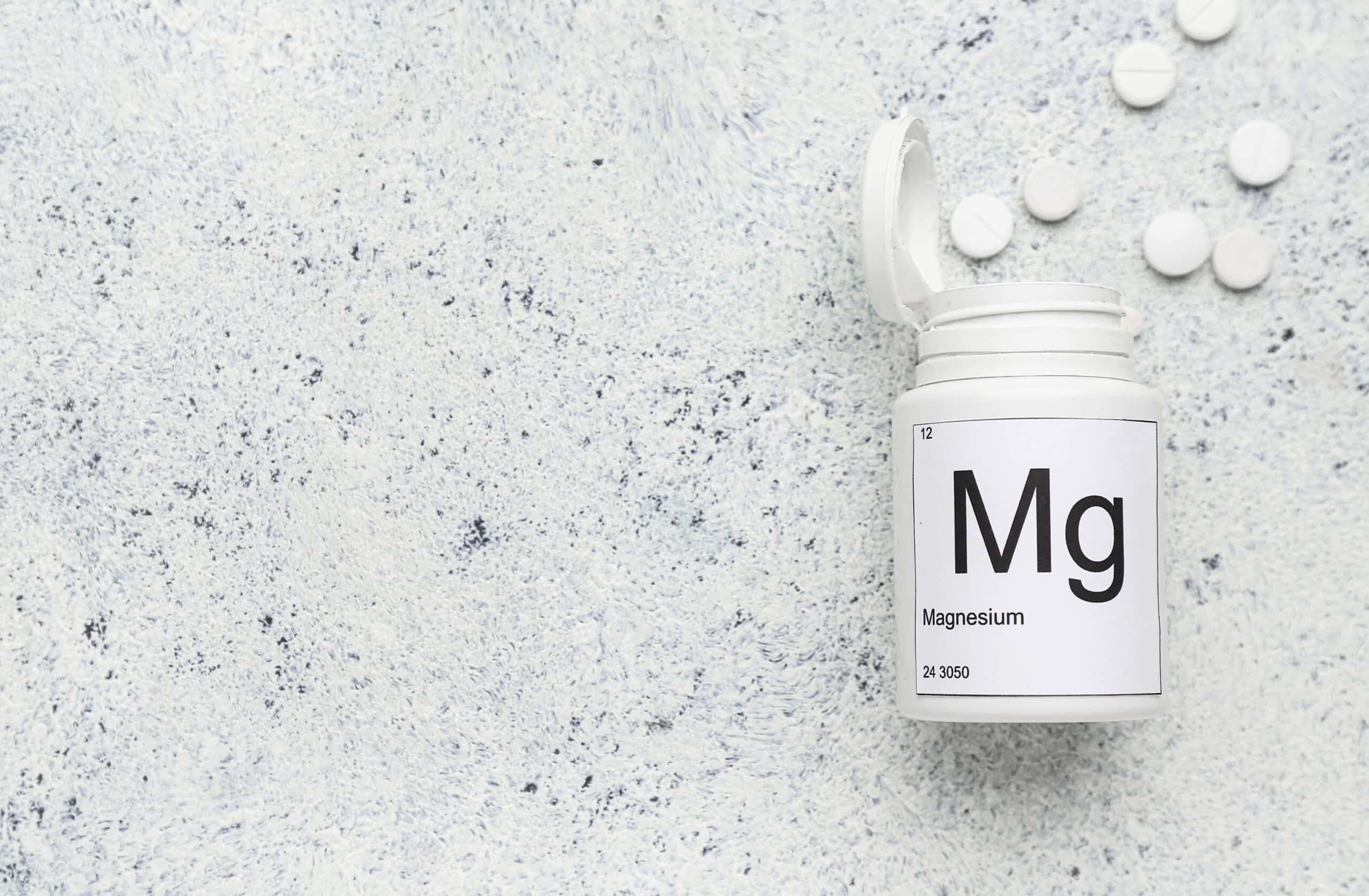
Shortlist private label magnesium supplement suppliers on Wonnda. The form of magnesium, such as glycinate, citrate, or oxide, is a critical sourcing variable, directly impacting elemental yield and bioavailability. These different forms significantly affect absorption rates and consumer experience, guiding product positioning and efficacy claims. Consider variations in dissolution profiles and potential for synergistic ingredients in final formulations. Certifications like GMP or specific dietary compliance are often vital for market acceptance.
- Magnesium supplements market by 2034 — global projected value at roughly 7.43% CAGR
- 8.94 billion USD
- Magnesium supplements CAGR — growth driven by sleep, stress and recovery positioning
- 7.43%
- Magnesium glycinate segment — value of the glycinate form specifically, the premium chelate segment
- 1,102.2 million USD
9+ Top private label magnesium supplement manufacturers
Wonnda works with the best private label magnesium supplement manufacturers. Here is a list of trusted suppliers from our network.
- Featured

Activ'Inside
4.7Private LabelContract ManufacturingFrance-based manufacturer producing powder supplements, tablets, gummies, available to brands sourcing magnesium supplement.
- Country
- France
- MOQ
- 1000 units
- Lead time
- 8 weeks
- Featured
 Private LabelContract Manufacturing
Germany-based manufacturer producing denture cleansing tablets, dietary supplement capsules, dietary supplement tablets, available to brands sourcing magnesium supplement.
- Country
- Germany
- MOQ
- Lead time
- Featured
NorVita
4.7Private LabelContract ManufacturingEstonia-based manufacturer producing vitamin d3 spray, vitamin d3 baby spray, beauty collagen gel, available to brands sourcing magnesium supplement.
- Country
- Estonia
- MOQ
- Lead time
- Featured
 Private LabelContract Manufacturing
Latvia-based manufacturer producing b-complex vitamin blends, mineral and vitamin blends, magnesium formulations, available to brands sourcing magnesium supplement.
- Country
- Latvia
- MOQ
- Lead time
- Featured
 Private LabelWhite LabelContract Manufacturing
Hungary-based manufacturer producing powder supplements, animal supplements, vitamin supplements, available to brands sourcing magnesium supplement.
- Country
- Hungary
- MOQ
- From 500 units for selected ready capsule formulas; 1,000 units for capsules, softgels and collagen products
- Lead time
- Featured
 Contract ManufacturingPrivate LabelWhite Label
Lithuanian private label manufacturer of supplement tablets, capsules and liposomals
- Country
- Lithuania
- MOQ
- From 1,000 bottles; 9,000 units in blisters; 300,000 units for bulk tablets and capsules.
- Lead time
- 6-8 weeks custom; 3-4 weeks repeat
 Private LabelContract ManufacturingWholesale
Slovenia-based manufacturer with private label capability. European CDMO for food supplements, cosmetics, and pet food with patented BMT® microencapsulation technology and 30+ years of formulation ex
- Country
- Slovenia
- MOQ
- Contact for MOQs (project-dependent)
- Lead time
- 12 weeks
 Private LabelContract Manufacturing
Slovenia-based manufacturer producing vitamin c capsules, vitamin d3 capsules, multivitamin tablets, available to brands sourcing magnesium supplement.
- Country
- Slovenia
- MOQ
- Lead time
 Private LabelContract Manufacturing
Poland-based manufacturer producing classic energy drinks, bcaa beverages, fruit juices, available to brands sourcing magnesium supplement.
- Country
- Poland
- MOQ
- Lead time
Compare MOQs and lead times
Quick side-by-side of the shortlist. Missing values shown as a dash.
| Supplier | Location | Types | MOQ | Lead time |
|---|---|---|---|---|
| Activ'Inside | France | PL · CM | 1000 units | 8 weeks |
| BMP Production | Germany | PL · CM | ||
| NorVita | Estonia | PL · CM | ||
| ERA Scientifico | Latvia | PL · CM | ||
| AYS Ltd. (All Your Solution) | Hungary | PL · White Label · CM · Packaging | From 500 units for selected ready capsule formulas; 1,000 units for capsules, softgels and collagen products | |
| Futures Nutrition | Lithuania | CM · PL · White Label | From 1,000 bottles; 9,000 units in blisters; 300,000 units for bulk tablets and capsules. | 6-8 weeks custom; 3-4 weeks repeat |
| Biostile Global | Slovenia | PL · CM · WS | Contact for MOQs (project-dependent) | 12 weeks |
| Private Vitamin | Slovenia | PL · CM | ||
| Brandsparkle | Poland | PL · CM |
Buyer criteria
- Elemental magnesium clearly specified
The number that matters is elemental magnesium, not the compound weight, since each salt yields a different amount. Confirm the manufacturer calculates and labels elemental content clearly and assays finished product against it. A spec that quotes only compound milligrams can hide a low elemental dose, especially with low-yield chelates. Insist on seeing the elemental calculation and the finished-product assay, because that is what determines both efficacy and label honesty.
- Verified salt form and true chelation
If you position on glycinate for gentle absorption, confirm the material is genuine magnesium bisglycinate and not a buffered blend of glycinate and cheaper oxide sold under a similar name. Ask for the supplier specification, the degree of chelation, and identity testing on receipt. The salt form is the entire basis of your tolerability and absorption story, so a quietly substituted or diluted chelate undermines exactly the claim customers pay extra for.
- Bioavailability and tolerability positioning match
Match the salt to your promise. Oxide suits value and laxative positioning but causes loose stools at higher doses, while glycinate suits sleep, stress and sensitive-stomach claims. Confirm the manufacturer understands the tolerability profile of your chosen form and dose. A house that treats all magnesium salts as interchangeable will not protect the gentle-on-the-gut claim that distinguishes a premium glycinate from a commodity oxide product.
- Fill weight and format feasibility
Because premium chelates have low elemental yield, a meaningful dose needs a high fill weight that may not fit one swallowable capsule. Confirm early whether your target elemental dose fits your intended format or requires a two-capsule serving or a powder. A manufacturer should calculate this before formulation, since discovering that your dose needs three large capsules after committing to a single-pill concept forces a costly redesign.
- Heavy-metal testing on mineral raw material
Magnesium salts are mined or chemically produced minerals that can carry heavy-metal contamination, so require per-batch heavy-metal testing on incoming material and finished product. Ask for the limits applied and the test data. A taken-daily mineral at gram-scale doses warrants particular attention to contaminant control, and a manufacturer that treats heavy-metal screening as optional on a mineral product is cutting a corner you cannot afford.
- Co-active formulation capability
Many magnesium products add vitamin D, vitamin B6 or zinc to build a sleep, stress or bone story. Confirm the manufacturer can source and evenly distribute these co-actives at meaningful, defensible levels rather than token amounts, and that the additions do not destabilize the blend. Ask how uniformity is verified for the smallest-inclusion ingredient, since a fairy-dusted co-active adds label clutter without delivering the function it implies.
- GMP and disintegration validation
Require current GMP and food-safety certification with a scope covering mineral supplements, plus disintegration testing for capsules and tablets so the product actually releases. Dense oxide tablets in particular can disintegrate poorly if compressed too hard. Ask for representative disintegration data rather than a generic assurance, because a magnesium tablet that does not break down delivers little of the elemental dose the label promises.
Red flags
- Only compound milligrams stated, no elemental figure
A label or quote that shows compound weight without the elemental magnesium hides the number that actually matters. With low-yield chelates, a large compound figure can mask a small elemental dose. If a manufacturer cannot or will not state and assay elemental content, you cannot judge efficacy or compare products honestly, and your customers are paying for milligrams of salt rather than milligrams of usable magnesium.
- Glycinate quietly cut with oxide
A material sold as magnesium glycinate that is actually a buffered blend with cheaper oxide delivers a higher elemental yield and lower cost, but loses the gentle absorption profile that justifies the premium. Demand identity testing and the degree of chelation. Silent oxide dilution surfaces as the loose stools and poor tolerability your glycinate positioning specifically promised to avoid, damaging exactly the customers who chose you for sensitivity.
- Salt forms treated as interchangeable
If a manufacturer talks about magnesium generically and seems indifferent to which salt you use, they do not understand the category. Oxide, citrate, glycinate and L-threonate differ in absorption, tolerability and elemental yield, and the right one depends on your positioning. A house that cannot advise on form-specific behavior will let you ship a product that contradicts its own claims, such as a sleep product that causes digestive upset.
- No heavy-metal data on the mineral
Magnesium is a mineral that can carry heavy-metal contamination from its source, so a manufacturer that does not test each batch is exposing your brand to contaminant failures on a product taken daily at gram-scale doses. Missing heavy-metal data on a mineral supplement is disqualifying regardless of price, because the high intake of magnesium means even modest contaminant levels accumulate in the consumer.
- Dense tablets with no disintegration data
Magnesium oxide and citrate tablets compressed too hard can pass through the body without fully breaking down, delivering little of the labeled dose. If the manufacturer cannot show disintegration data for the actual tablet, the elemental number on the label is theoretical. A tablet that does not disintegrate is a common, invisible failure mode in dense mineral products and should be ruled out before a production run.
- Unrealistic single-pill dose claims
A claim to deliver a high elemental glycinate dose in one small capsule is chemically implausible given the low elemental yield of the chelate. If a quote promises a large gentle-form dose in an improbably small pill, either the form is not what it claims or the elemental dose is overstated. Check the math: a genuine high-dose chelate product needs a high fill weight, multiple capsules, or a powder.
Manufacturing process
- 01
Salt form selection and elemental calculation
The brand fixes the magnesium salt (oxide, citrate, glycinate, L-threonate or a blend) and the manufacturer calculates the compound weight needed to deliver the target elemental magnesium, since each salt carries a different elemental percentage. This calculation determines fill weight, capsule count or scoop size before anything else, because a low-yield chelate at a meaningful elemental dose needs far more material than oxide.
- 02
Chelate or salt procurement and verification
The chosen magnesium grade is procured to a specification for elemental content, purity, heavy metals and, for chelates, the degree of true chelation. Incoming material is tested, because mislabeled or partially chelated material is a known issue. A genuine bisglycinate behaves differently from a buffered blend of glycinate and oxide sold under a similar name, so identity verification protects the tolerability claim.
- 03
Excipient and flow design
Magnesium salts vary in flow and compressibility, so the manufacturer selects fillers, flow agents and, for tablets, binders that let the dense or bulky powder run cleanly. Glycinate is bulky and can be hard to compress, while oxide is dense. Clean-label brands minimize excipients such as magnesium stearate, which changes how the blend tamps and how large the finished unit becomes.
- 04
Blending to uniformity
The magnesium salt is blended with any co-actives (vitamin D, B6, zinc) and excipients to a validated uniformity, so every capsule, tablet or scoop carries the labeled elemental dose. Blend time is qualified to avoid de-mixing dense and fine particles. Where a small-inclusion co-active is added, the blend is sampled top, middle and bottom to confirm even distribution across the batch.
- 05
Encapsulation, tableting or powder filling
The blend is encapsulated, compressed into tablets, or filled as a powder, depending on the dose and format. Because premium chelates need a high fill weight, large doses often run as two-capsule servings or as a dosed powder rather than a single pill. In-process fill-weight or tablet-weight checks control the elemental dose accuracy that the whole label claim rests on.
- 06
Coating and finishing where required
Tablets may be coated for swallowability or to mask the slightly metallic note of some salts, and powders may be flavored to cover the bitterness and salinity of magnesium in solution. Finishing is matched to the form, since glycinate is milder tasting than citrate in water. This step protects palatability, which matters most for powders taken daily in liquid.
- 07
Quality control and elemental assay
QC assays the elemental magnesium content against label claim, screens heavy metals and microbiological limits, and runs disintegration testing for capsules and tablets. The elemental assay is the critical check, because the legally and functionally relevant number is elemental magnesium, not compound weight. Per-batch certificates of analysis document elemental content and safety for traceability.
- 08
Packaging, labeling and lot coding
Units are bottled or pouched, labeled with both the compound and the elemental magnesium, any co-actives, lot code and expiry, then sealed and palletized. Clear elemental labeling is the honest standard and increasingly expected by informed buyers. Lot codes trace finished product back to the specific magnesium salt lots used, supporting any assay or quality investigation.
Understanding magnesium supplement private-label manufacturing
Magnesium Salt Forms and Their Impact
Magnesium supplements are defined by the specific magnesium salt used, which dictates elemental magnesium delivery, absorption rates, bowel tolerance, and brand positioning. Two products can claim 400 mg of magnesium but behave differently due to distinct chemical compounds like magnesium oxide and magnesium glycinate.
The core distinction lies between cheap, high-yield, poorly absorbed inorganic salts and more expensive, lower-yield, better-tolerated organic chelates.
- Magnesium oxide: A commodity workhorse with very high elemental magnesium per gram and low cost. It is poorly absorbed and can cause loose stools, often used in value products and laxatives.
- Magnesium citrate: A mid-tier organic salt with better absorption and mild laxative effects.
- Magnesium glycinate (bisglycinate): A premium chelate that is well-absorbed and gentle on the gut, marketed for sleep, stress, and sensitive users. It has a low elemental percentage, requiring a larger fill for a meaningful dose.
- Magnesium L-threonate: A niche premium form positioned for cognitive support.
MOQs, Lead Times, and Cost Drivers
Lead times for a custom magnesium product typically range from 8 to 14 weeks. Supply of chelates, especially glycinate, can occasionally extend these lead times due to high demand.
MOQs for custom capsules generally start at 5,000 to 10,000 units per SKU, with lower MOQs for relabeled stock. Powders have MOQs determined by batch weight.
Cost drivers, in order, are the salt form (glycinate and L-threonate are significantly more expensive than oxide), the elemental dose and resulting fill weight, the format (powder, capsule, or gummy), and packaging.
Manufacturing and Sourcing Locations
Magnesium contract manufacturing for Europe is concentrated in Germany, the Netherlands, Italy, Poland, and the UK. The magnesium salts themselves are primarily sourced from specialist mineral and chelate producers in Europe and Asia.
The global magnesium supplements market was projected by Custom Market Insights to reach approximately 8.94 billion USD by 2034, with a CAGR of roughly 7.43 percent. This growth is driven by strong demand for products positioned around sleep, stress, and recovery.
Product Formulation and Differentiation
Due to the low elemental percentage of premium forms like glycinate (around 14 percent elemental magnesium by weight), achieving a substantial 300 to 400 mg elemental dose may require over a gram of compound. This often necessitates multiple capsules or a powder format rather than a single pill.
Private label magnesium buyers include sleep, stress, and recovery D2C brands, sports-nutrition and fitness ranges, practitioner and clinic lines favoring chelated forms, and retailer health ranges selling volume products with oxide and citrate.
Differentiation hinges on the salt form and its bioavailability story, accurate elemental dose labeling, gut tolerability, and increasingly, blended forms that combine a chelate for absorption with a higher-yield salt for dose. It is crucial to qualify partners who clearly label elemental magnesium and supply the desired chelate grade at a verifiable specification, as a product marketed as gentle glycinate that is cut with oxide can cause adverse effects.
How private label works for magnesium supplements
Magnesium private label is a formulation business organized entirely around the choice of salt. The brand selects the magnesium form, sets the elemental dose and the format, and decides the positioning, while the manufacturer calculates the compound weight needed to hit the elemental target, procures and verifies the salt, designs the flow and excipient system, and fills the chosen format. Unlike a botanical capsule where the active is the story, here the same element behaves so differently across salts that the form is effectively the product.
That shapes the briefing. Form comes first because it sets absorption, tolerability, cost and elemental yield, followed by the elemental dose, which together with the form determines the fill weight and therefore whether the product can be a single capsule, a multi-capsule serving or a powder. Only then do co-actives, flavor and packaging get designed. A brand that fixes a single-pill format or a price point before reconciling the form and elemental dose usually discovers the chemistry will not cooperate.
What separates premium from commodity magnesium
On the shelf two magnesium products can quote similar milligrams and cost very differently, and the difference is mostly invisible: the salt form, the elemental yield behind the number, and the honesty of the elemental dose. A commodity product uses cheap oxide, advertises a large compound figure that masks poor absorption, and accepts the laxative effect. A premium product specifies a chelate such as glycinate, labels elemental magnesium clearly, and protects gut tolerability for daily use.
Elemental honesty is the integrity line in magnesium. Because the compound weight can flatter a low elemental dose, and because a premium-form name can be diluted with cheap oxide, the easiest ways to cut cost are invisible to the consumer until the product underperforms or upsets the gut. Brands that label elemental content, verify the chelate, and match the form to the claim earn trust, while those that hide behind compound milligrams compete only on a misleading number.
Sourcing geography for magnesium manufacturing
Magnesium finishing for the European market concentrates in Germany, the Netherlands, Italy, Poland and the UK, with Germany and the Netherlands strong on high-certification and clean-label work and Poland competitive on volume with EU compliance. The magnesium salts themselves, particularly the chelates, come from a smaller set of specialist mineral and chelate producers in Europe and Asia, so the grade and provenance of the salt matter independently of where the capsule or powder is finished.
For EU brands, finishing within Europe simplifies regulatory documentation, shortens lead times, and allows audits, while the chelate supply chain should still be scrutinized for true chelation and heavy-metal control. Asian salt production is significant on cost, but raises the importance of incoming identity and contaminant testing, since a mislabeled or partially chelated material undermines both the tolerability claim and the elemental dose that define a premium magnesium product.
Cost structure breakdown
The magnesium cost stack is led by the salt form and the fill weight it forces. A premium chelate at a meaningful elemental dose uses far more material than oxide and costs many times more per kilogram, so form and dose together dominate the bill of materials, followed by format, co-actives, packaging and QC.
- Salt form and grade: the dominant cost; glycinate and L-threonate cost many times more than oxide, and true chelation commands a premium.
- Elemental dose and fill weight: low-yield forms need large fills, multiplying material cost and pushing into powders or multi-capsule servings.
- Format: powders, capsules, tablets and gummies carry different tooling, filling and material costs.
- Co-actives: vitamin D, B6 or zinc dosed to meaningful levels rather than token amounts.
- QC and packaging: elemental assay, heavy-metal and disintegration testing plus bottling and labeling.
Sourcing discipline means choosing the salt form deliberately against positioning, reconciling the elemental dose with the fill weight early, and refusing to let a cheap oxide dilution erode a premium-form claim to protect margin.
Compliance and certification landscape
Magnesium supplements sit under food-supplement regulation in the EU, which sets permitted magnesium sources, maximum levels and label-claim rules, with notification requirements that vary by member state. Labeling should declare elemental magnesium, and authorized claims relating to magnesium, such as its contribution to normal muscle function and the reduction of tiredness, may be used only as permitted. Manufacturers should hold GMP and food-safety certification with a scope covering mineral supplements.
Because magnesium is a mineral that can carry heavy-metal contamination and is taken daily at gram-scale doses, contaminant testing on incoming material and finished product is essential rather than optional. For combination products, any claims tied to added vitamins or minerals must also meet the authorized-claim rules. A manufacturer experienced in your target markets will flag maximum-level limits, elemental-labeling expectations and claim constraints before they become a relabeling or enforcement problem.
Trends shaping the magnesium category
Magnesium has shifted from a niche mineral into one of the most prominent supplements in the sleep, stress and recovery space, and that repositioning has reshaped what brands launch. Glycinate-led products marketed for relaxation and sleep have driven much of the recent growth, pulling the category toward the premium chelated forms and away from commodity oxide. Powders and drink mixes have grown alongside capsules, partly because the high fill weight of a meaningful chelate dose suits a scoop better than a pill, and partly because a flavored evening magnesium drink fits the daily-ritual habit that sells well in wellness.
Two further trends matter for sourcing. First, blended-form products that combine a well-absorbed chelate with a higher-yield salt are becoming common as brands try to deliver both tolerability and a respectable elemental dose without an impractical pill count, which puts a premium on a manufacturer that can formulate and label these blends honestly. Second, dose transparency is rising: informed buyers increasingly check elemental magnesium rather than compound milligrams, and scrutinize whether a glycinate product is genuinely glycinate. Brands that label elemental content clearly and verify their chelate are rewarded as this scrutiny spreads. A manufacturer fluent in form-specific behavior, capable across capsules and powders, and willing to support transparent labeling is aligned with where the category is moving.
Industry insights
Frequently asked questions
Which magnesium form should I choose: oxide, citrate, glycinate, or L-threonate?+
Why do two magnesium products with the same milligrams behave differently?+
Why does my glycinate product need so many capsules?+
Will my magnesium supplement cause digestive upset?+
What MOQ and format options should I expect for magnesium?+
Can I combine different magnesium forms in one product?+
Should I add vitamin D, B6, or zinc to my magnesium product?+
How do I know my magnesium tablets actually dissolve and absorb?+
Explore adjacent product types
Get a vetted shortlist of magnesium supplement suppliers in 48 hours.
Post a brief on Wonnda. Free, no commitment. We match you with vetted manufacturers that fit your MOQ, format and market.