
Best private label ice cream manufacturers
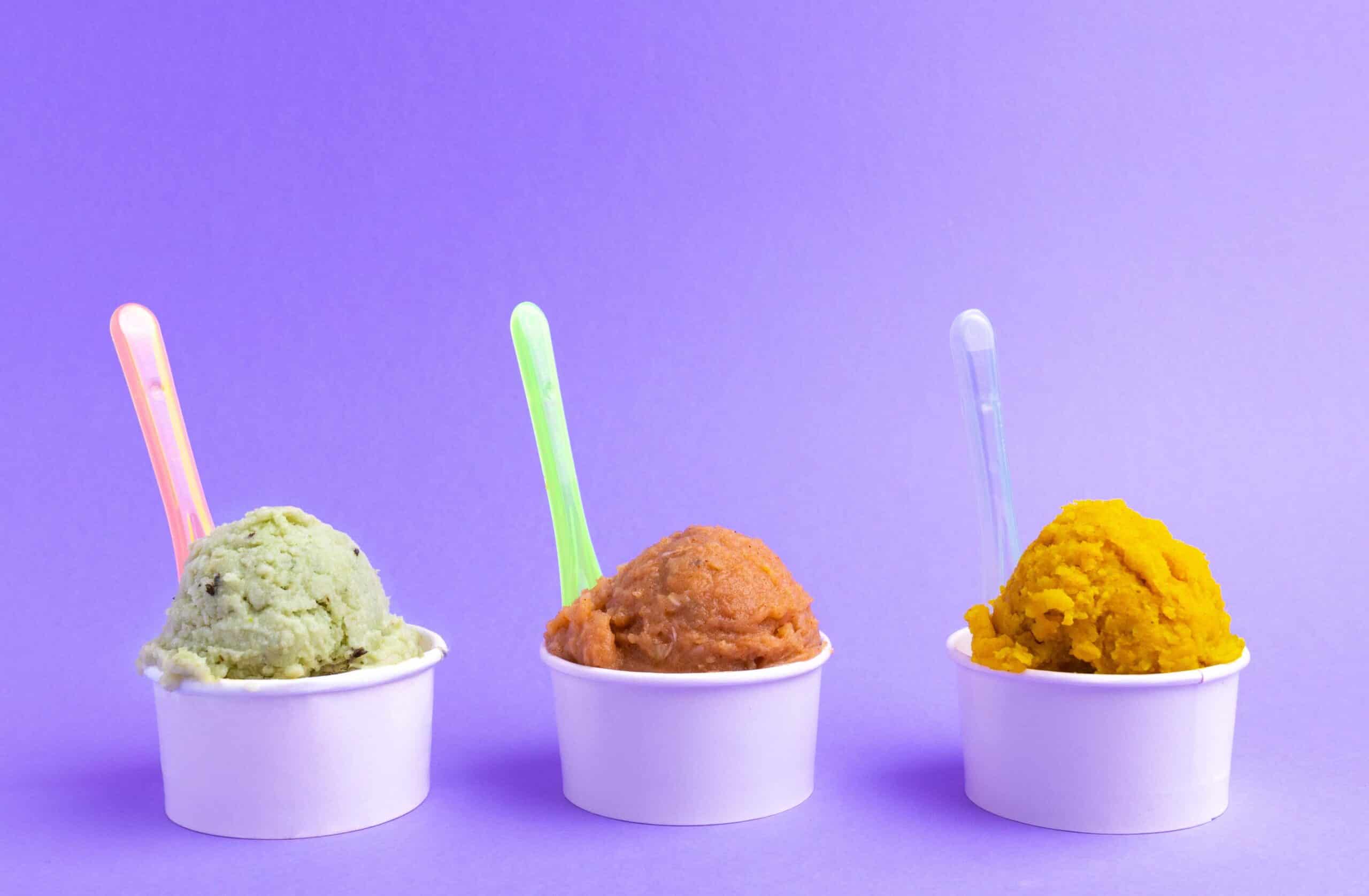
Wonnda is where brands find private label ice cream manufacturers. Brands can source ice cream in various formats, such as tubs or on sticks, with options for dairy or plant-based formulations. Key sourcing variables include the precise recipe, desired overrun for texture, and the integration of specific flavors and inclusions. Certifications like HACCP are crucial for ensuring food safety and cold-chain integrity from production to delivery.
- Vetted suppliers
- 20,000+
- Brands & buyers
- 25,000+
- EU-made
- 80%
5+ Top private label ice cream manufacturers
Wonnda works with the best private label ice cream manufacturers. Here is a list of trusted suppliers from our network.
 Private LabelContract Manufacturing
Netherlands-based manufacturer producing bulk ice cream (5-10 l), retail ice cream pints (500ml-1l), family-pack ice cream (2-4 l), available to brands sourcing ice cream.
- Country
- Netherlands
- MOQ
- Lead time
 Private LabelContract Manufacturing
Belgium-based manufacturer producing ice cream cones, ice cream sticks, ice cream cups, available to brands sourcing ice cream.
- Country
- Belgium
- MOQ
- Lead time
 Private LabelContract Manufacturing
Spain-based manufacturer producing fresh oranges, fresh lemons, extra virgin olive oil, available to brands sourcing ice cream.
- Country
- Spain
- MOQ
- Lead time
 Private LabelContract Manufacturing
Poland-based manufacturer producing ice lollies, ice cream cups, ice cream sandwiches, available to brands sourcing ice cream.
- Country
- Poland
- MOQ
- Lead time
 Private LabelContract Manufacturing
Belgium-based manufacturer producing jumbo chocolate-dipped ice cream sticks, ice cream bins and tubs, cones and cornets, available to brands sourcing ice cream.
- Country
- Belgium
- MOQ
- Lead time
Compare MOQs and lead times
Quick side-by-side of the shortlist. Missing values shown as a dash.
| Supplier | Location | Types | MOQ | Lead time |
|---|---|---|---|---|
| De Jong’s | Netherlands | PL · CM | ||
| Jacques Ice | Belgium | PL · CM | ||
| Fet a Soller S.L. | Spain | PL · CM | ||
| Kilargo | Poland | PL · CM | ||
| Ysco | Belgium | PL · CM |
Buyer criteria
- Food-safety certification
Ice cream is a food, so require a credible food-safety standard such as IFS, BRCGS, or ISO 22000 plus HACCP, appropriate to retail or food-service. Confirm the certification scope covers frozen dairy or plant-based dessert. A manufacturer without proper food-safety certification cannot be listed by retailers and exposes you to a contamination risk that is far more serious than a cosmetic defect.
- Cold-chain control
The product must stay frozen from line to freezer, so verify the manufacturer and their logistics maintain an unbroken cold chain and can document frozen storage and freight. Ask how temperature is monitored. A break in the cold chain causes heat shock and ice-crystal growth that ruins texture, and for the product to reach the customer in good condition the whole chain must hold.
- Overrun and texture consistency
Overrun, the air whipped into the ice cream, and ice-crystal size define whether the product is dense and premium or light, so confirm the manufacturer holds your target overrun and a smooth texture batch to batch. Taste production samples. An ice cream that varies in density or turns grainy fails the eating-quality test that drives repeat purchase in a treat category.
- Format capability
Tubs, sticks, bars, and cones each need different filling and molding lines, so confirm the manufacturer runs the format you want rather than assuming all ice-cream makers cover all formats. A stick or coated-bar line in particular is specialized. The format decision narrows your supplier list sharply, so settle it before sourcing in earnest.
- Recipe tier and inclusion quality
Decide your recipe tier through fat level, overrun, and the quality of inclusions, and confirm the manufacturer can deliver real fruit, chocolate, or nuts rather than cheap substitutes if you position premium. Taste the inclusions. A premium claim undermined by low butterfat, high air, or imitation inclusions will not survive against the eating quality customers expect.
Red flags
- No food-safety standard
If a manufacturer cannot show a recognized food-safety standard such as IFS, BRCGS, or ISO 22000 with HACCP, the product cannot be listed by serious retailers and carries a real contamination risk. For a frozen food, missing food-safety certification is disqualifying regardless of how good the recipe tastes.
- Weak cold-chain evidence
If the manufacturer cannot demonstrate unbroken cold-chain control and frozen-freight documentation, the product can suffer heat shock before it reaches the freezer, arriving grainy or refrozen. A casual attitude to the cold chain is a serious warning in a category where temperature control is the whole game.
- Grainy or icy texture on sample
If a sample is icy or grainy, the overrun, stabilizer system, or hardening is wrong, or the cold chain has already been broken. Ice-crystal texture is the defining quality of ice cream, so a poor-textured sample points to a process or logistics problem you cannot ignore.
- Premium claim on a high-air, vegetable-fat recipe
If a product is positioned premium but actually runs high overrun with vegetable-fat substitution and imitation inclusions, the eating quality will not match the claim. A manufacturer dressing an economy recipe as premium is setting up a mismatch that customers will taste immediately.
Manufacturing process
- 01
Mix formulation
The ice-cream mix is formulated from milk or cream, sugar, stabilizers, emulsifiers, and any plant base, with the fat level and overrun target set to the recipe tier. Stabilizers and emulsifiers control texture and resistance to ice-crystal growth. The mix recipe fixes the texture, the cost, and a large part of the eating quality.
- 02
Pasteurization and homogenization
The mix is pasteurized to ensure food safety and homogenized to break down fat globules for a smooth texture. Pasteurization is a non-negotiable food-safety step for a dairy product. Homogenization gives the mix the uniform fat distribution that produces a creamy rather than grainy frozen result.
- 03
Ageing
The pasteurized mix is aged under refrigeration for a period so stabilizers hydrate and fat partially crystallizes, which improves whipping and final texture. Ageing is a quiet but important step that a rushed line may skip. Properly aged mix freezes to a smoother, more stable ice cream.
- 04
Freezing and aeration
The mix is frozen and whipped simultaneously in a continuous freezer that incorporates air to the target overrun while forming small ice crystals. Overrun and crystal size are the heart of texture: low overrun gives density, controlled small crystals give smoothness. This step defines whether the product eats premium or light.
- 05
Inclusion addition and filling or molding
Real inclusions such as fruit, chocolate, or nuts are fed into the semi-frozen ice cream, then the product is filled into tubs, extruded and cut for sticks, or filled into cones, depending on the format line. Sticks are then coated and bars assembled. Format-specific equipment determines which products a manufacturer can make.
- 06
Hardening and cold storage
Filled product is rapidly hardened in a blast freezer to lock in the fine ice-crystal structure, then held in frozen storage. Fast hardening prevents large crystals from forming. The product must stay deeply frozen from here on, since any warming and refreezing causes heat shock and grainy texture.
- 07
Quality control, labelling, and cold-chain dispatch
The product is tested for overrun, texture, microbiological limits, and recipe conformity, labelled with ingredients, allergens, and nutritionals to food rules, lot-coded, and dispatched under unbroken cold chain. Frozen freight is documented. Traceability links finished units back to the mix and inclusion lots for any food-safety investigation.
Understanding ice cream private-label manufacturing
Product Overview
Ice cream is a frozen dairy or plant-based dessert, created by freezing and aerating a pasteurized mix of milk or cream, sugar, stabilizers, emulsifiers, and flavor. The incorporated air (overrun) and ice crystal size determine if the final product is dense and premium or light and economical.
Sourcing private-label ice cream is a food-manufacturing exercise. It is governed by cold-chain control, dairy and food-safety regulation, and the technical realities of freezing, which differentiate it from cosmetic products.
Manufacturing Considerations
A suitable partner is a food contract manufacturer with frozen-dessert lines and the necessary certifications. They should operate under HACCP and a food-safety standard such as IFS, BRCGS, or ISO 22000.
Core sourcing decisions involve format, recipe tier, and dairy versus plant-based. Format options include tubs, pints, individual sticks, bars, cones, and bulk catering tubs. Each requires different filling and molding equipment, which dictates manufacturer capabilities.
Recipe tier is determined by overrun and fat content. Premium ice cream has low overrun, high butterfat, and real inclusions. Economy products use high overrun with more air and vegetable-fat substitution.
Plant-based frozen desserts, made from oat, coconut, or other bases, are a significant growth segment. These products have specific formulation and labelling rules.
Location, MOQs, and Lead Times
Manufacturing for the European market is concentrated in dairy and frozen-food regions. These include Germany, the Netherlands, Belgium, Italy, France, and Poland, with specialists for sticks, tubs, and cones.
Cold-chain logistics are a critical constraint; the product must remain frozen from production to a freezer. Distance and frozen-freight costs are major factors, making regional production often preferable for fresh-frozen distribution.
MOQs are based on the mix batch and the filling or molding line. Expect several thousand liters of mix or several thousand units per SKU for a custom recipe. Lower MOQs are possible for stock-recipe relabels.
Lead times for a first custom run, including recipe development and food-safety documentation, are 6 to 14 weeks. This can be longer due to seasonal capacity constraints.
Cost Drivers and Differentiation
Cost is primarily driven by dairy fat and inclusions, such as butterfat, real fruit, chocolate, and nuts for premium recipes. Air and vegetable fat reduce costs in economy products.
Other cost factors include packaging, stick or cone components, frozen storage and freight, and processing. The cold chain increases logistics' share of the total cost compared to ambient products.
Private-label ice cream buyers include retailer own-brand frozen ranges, D2C and premium dessert brands, food-service and hospitality buyers, and specialty plant-based brands.
Differentiation is based on recipe tier, real inclusions, texture, and plant-based credentials. Qualifying a manufacturer on food-safety certification, cold-chain control, and texture and overrun consistency is paramount. Quality and safety failures, such as heat shock, ice-crystal growth, or cold chain breaks, have no cosmetic equivalent.
Frequently asked questions
What is overrun and why does it define ice-cream quality?+
Why is the cold chain so critical for private-label ice cream?+
How do tubs, sticks, and cones differ for manufacturing?+
What goes into a plant-based ice cream?+
What MOQ and lead time apply to private-label ice cream?+
What certifications should an ice-cream manufacturer hold?+
Explore adjacent product types
Get a vetted shortlist of ice cream suppliers in 48 hours.
Post a brief on Wonnda. Free, no commitment. We match you with vetted manufacturers that fit your MOQ, format and market.