
Best private label eye cream manufacturers
Source private label eye cream suppliers through Wonnda. Eye creams specifically target concerns like puffiness, dark circles, and fine lines around the delicate eye area. Formulations often feature specialized ingredients like caffeine and peptides, presented in small-fill packaging. Given the skin's sensitivity, formulations must be exceptionally gentle and are frequently fragrance-free to ensure high tolerability. These products are a critical component for brands aiming to offer specialized skincare solutions.
- Global eye cream market — the dedicated eye-treatment segment, growing toward 9.5 billion USD by 2034
- 5 billion USD
- Eye cream market CAGR — outpacing the broader skin care market on targeted-treatment demand
- 6.7%
- Global skin care products market — the category eye creams sit within as a specialist treatment
- 155.84 billion USD
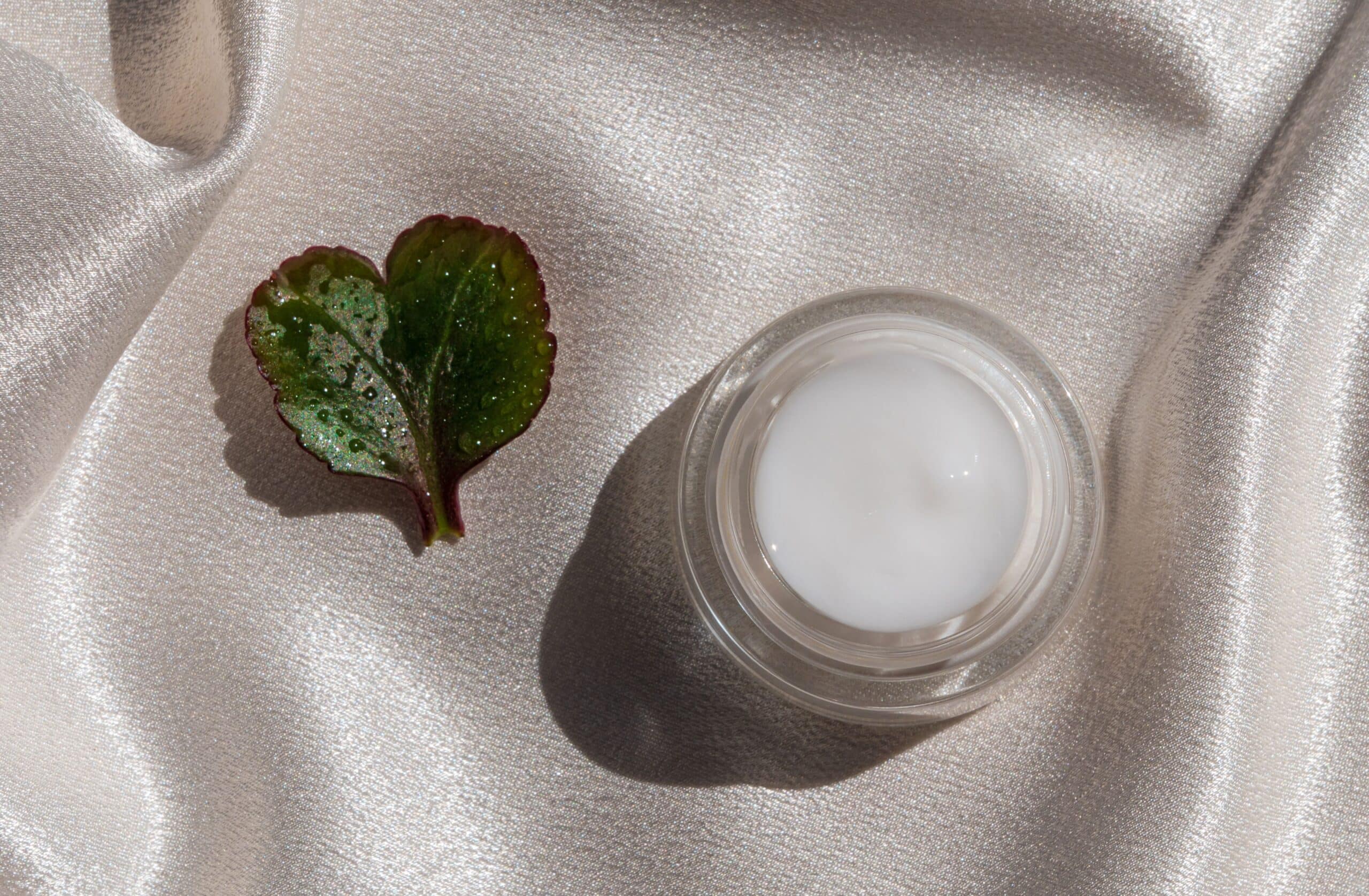
9+ Top private label eye cream manufacturers
Wonnda works with the best private label eye cream manufacturers. Here is a list of trusted suppliers from our network.
- Featured
Tsilkov
4.7Private LabelContract ManufacturingBulgaria-based manufacturer producing face sheet masks, tattoo aftercare creams, intimate skincare products, available to brands sourcing eye cream.
- Country
- Bulgaria
- MOQ
- Lead time
- Featured

Bio2you
4.7Private LabelContract ManufacturingLatvia-based manufacturer producing sea buckthorn facial serum, sea buckthorn mask, sea buckthorn cream, available to brands sourcing eye cream.
- Country
- Latvia
- MOQ
- Lead time
- Featured
 Private LabelContract Manufacturing
Germany-based manufacturer producing dietary supplements, natural cosmetics, hybrid cosmetics, available to brands sourcing eye cream.
- Country
- Germany
- MOQ
- Lead time
- Featured

Panaka
4.7Private LabelContract ManufacturingSwitzerland-based manufacturer producing private label skincare serums, private label spf products, private label toothpaste, available to brands sourcing eye cream.
- Country
- Switzerland
- MOQ
- Lead time
 Private LabelContract Manufacturing
USA-based manufacturer producing dietary supplements, pet supplements, pet grooming products, available to brands sourcing eye cream.
- Country
- USA
- MOQ
- Lead time
 Private LabelContract Manufacturing
Spain-based manufacturer producing lipsticks, eyeshadows, eyeliner pencils, available to brands sourcing eye cream.
- Country
- Spain
- MOQ
- Lead time
 Private LabelContract Manufacturing
Greece-based manufacturer producing sunscreen cream, self-tanning lotion, hyaluronic acid serum, available to brands sourcing eye cream.
- Country
- Greece
- MOQ
- Lead time
 Private LabelContract Manufacturing
Germany-based manufacturer producing body wash, intensive moisturizing treatments, private label cosmetics, available to brands sourcing eye cream.
- Country
- Germany
- MOQ
- Lead time
 Private LabelContract Manufacturing
Europe-based manufacturer producing ready-made skincare formulas, ready-made haircare formulas, ready-made body care formulas, available to brands sourcing eye cream.
- Country
- -
- MOQ
- Lead time
Compare MOQs and lead times
Quick side-by-side of the shortlist. Missing values shown as a dash.
| Supplier | Location | Types | MOQ | Lead time |
|---|---|---|---|---|
| Tsilkov | Bulgaria | PL · CM | ||
| Bio2you | Latvia | PL · CM | ||
| Azba Cosmetics | Germany | PL · CM | ||
| Panaka | Switzerland | PL · CM | ||
| GP Labs | USA | PL · CM | ||
| Amelia Cosmetics | Spain | PL · CM | ||
| ALCHEMIST LABS LTD | Greece | PL · CM | ||
| Atinacosmetics GmbH | Germany | PL · CM | ||
| Selfnamed | - | PL · CM |
Buyer criteria
- Eye-area formulation experience
Verify the manufacturer has genuine experience formulating for the eye area, not just adapting a face cream into a smaller jar. The eye area's thin, reactive skin demands a gentler base, careful active dosing and low-irritant choices. Ask to see eye products they have developed and the tolerability evidence behind them. A house that treats an eye cream as a downsized face cream will deliver a product that stings or irritates the most unforgiving area on the face.
- Tolerability and ophthalmological validation
Because the product sits beside the eye on delicate skin, confirm the manufacturer can support tolerability with eye-area irritation testing or ophthalmologist review and can substantiate fragrance-free or suitable-for-sensitive-eyes claims. Ask what tolerability validation they run. An eye cream marketed as gentle without supporting data is both a claim risk and a real hazard, since irritation here causes immediate watering, stinging and abandonment of the product.
- Gentle but effective active dosing
Confirm the manufacturer can deliver a visible benefit, de-puffing from caffeine, firming from peptides, within the eye area's tight tolerability ceiling, rather than either fairy-dusting actives or pushing irritating doses. Ask how they balance efficacy against gentleness for actives like caffeine and peptides. The defining eye-cream skill is achieving results on a claim while staying tolerable, which is harder than dosing the same actives for general facial skin.
- Fragrance-free and low-irritant base
Eye products are typically fragrance-free because the area reacts readily to fragrance and essential oils, so confirm the base avoids fragrance and high-irritant-potential ingredients and that preservatives and any colorants are chosen for tolerability. Ask how the base is designed for sensitive near-eye skin. A house that adds fragrance for sensory appeal, or uses a generic irritant-prone base, misunderstands the core requirement of an eye product.
- Applicator and small-fill capability
Eye creams sell in small fills, often with a cooling metal-tip or roller-ball applicator, so confirm the manufacturer can source and assemble the applicator you want and fill small volumes accurately. Ask about applicator tooling, minimums and compatibility testing. Because the applicator drives both cost and the de-puffing experience, a house that only fills standard jars cannot deliver the distinctive eye-cream format that supports the positioning and price.
- Texture under concealer and makeup
An eye cream must absorb without migrating into the eye and without creasing or pilling under concealer and makeup, so assess the manufacturer's ability to deliver a light, makeup-compatible feel and test samples under concealer. A cream that sits heavily, migrates or creases ruins the makeup it goes under, which customers notice immediately. Sensory and makeup-compatibility performance is a core qualification for an eye product, not a finishing detail.
- ISO 22716 GMP and eye-area compliance wrap
Require ISO 22716 GMP with a scope covering skin care, and confirm the manufacturer handles or arranges the safety assessment, PIF, CPNP notification and Responsible Person, with attention to eye-area exposure and preservative safety. Ask how fragrance-free, ophthalmologically-tested and efficacy claims are documented. A house fluent in Regulation 1223/2009 and in eye-area safety keeps a near-eye product compliant and its gentleness and efficacy claims defensible.
Red flags
- Face cream relabeled as an eye cream
If a manufacturer simply puts a face cream into a 15 ml jar and calls it an eye cream, the formula will likely carry fragrance, harsher actives or an irritant-prone base unsuited to the delicate, reactive eye area. Ask whether the formula was developed specifically for eye-area tolerability. A downsized face cream sold as an eye treatment is the most common shortcut and the most likely to sting, irritate or cause watering near the eye.
- No tolerability or eye-area testing
An eye cream marketed as gentle or suitable for sensitive eyes without eye-area irritation testing or ophthalmologist review is an unsupported claim and a real safety risk, since the area reacts immediately to harsh formulas. A manufacturer that cannot provide tolerability validation for a near-eye product is exposing your brand to both irritation complaints and claim challenges, which in this category are especially damaging because the failure is instant and obvious.
- Fragrance in an eye product
Including fragrance or essential oils in an eye cream for sensory appeal contradicts the core requirement, since the eye area reacts to fragrance more readily than facial skin and fragrance is a common allergen near the eye. A manufacturer that defaults to a fragranced base, or does not flag the risk, misunderstands eye-area formulation. For most eye products, fragrance-free is the safe and expected standard, so its presence is a warning sign.
- Harsh or fairy-dusted actives
Two opposite failures appear here: pushing irritating actives or high acid concentrations the eye area cannot tolerate, or fairy-dusting caffeine and peptides so low they do nothing for the de-puffing or firming claim. Either undermines the product. Ask for the inclusion levels and the tolerability rationale. A house that cannot dose actives to be both effective and gentle for the eye area has not solved the central eye-cream challenge.
- Migrates into the eye or creases under makeup
An eye cream that migrates into the eye causing stinging or watering, or that creases and pills under concealer, fails in daily use even if its actives are sound. If samples migrate or disrupt makeup and the manufacturer cannot reformulate the base to fix it, the product will be abandoned quickly. Refusal to provide samples to test near the eye and under makeup is a clear sign the texture has not been engineered for the eye area.
- No preservative challenge testing for near-eye use
An eye cream applied repeatedly near the eye, often with a fingertip or applicator that contacts skin, needs a validated preservative system, so a manufacturer that skips preservative-efficacy (challenge) testing risks microbial contamination in a particularly sensitive location. Ask to see the challenge-test data. For a product used so close to the eye, weak preservation is an unacceptable safety risk, not a minor omission, regardless of the rest of the formula.
Manufacturing process
- 01
Eye-area constraint and claim definition
The brand sets the targeted claim, de-puffing, dark circles, firming, hydration, and the manufacturer formulates against the eye area's unique constraint: skin roughly half facial thickness, close to the eye, and prone to irritation. This frames every later choice toward gentleness. Unlike a general face product, the formulation brief begins from tolerability limits, not just efficacy targets, since the eye area punishes harsh formulas.
- 02
Gentle active selection and dosing
Actives are chosen and dosed for efficacy at levels the eye area tolerates: caffeine for de-puffing and dark-circle reduction, peptides for fine lines and firming, mild brighteners, hyaluronic acid for hydration. Harsh acids and high retinoid doses common in face products are limited or avoided. The skill is achieving a visible benefit within a much tighter tolerability ceiling than facial skin allows.
- 03
Fragrance-free, low-irritant base design
The base is built light and fast-absorbing, typically fragrance-free or very low fragrance, since the eye area reacts readily to fragrance and essential oils. Emulsifiers, preservatives and any colorants are selected for low irritation potential. The texture must absorb without migrating into the eye or sitting heavily, so the base is engineered for comfort on thin, mobile skin as much as for delivery.
- 04
Tolerability and stability testing
The formula undergoes stability testing plus tolerability validation appropriate to the eye area, commonly ophthalmologist-reviewed or eye-area irritation testing, to support gentle and suitable-for-sensitive-eyes positioning. Any actives are checked for stability. This tolerability work is more central here than for other products, since an eye cream that stings or causes watering fails immediately and visibly with the consumer.
- 05
Applicator and small-fill packaging selection
Packaging is chosen for small fills, typically 15 ml or 30 ml, often with a cooling metal-tip or roller-ball applicator for de-puffing, or a small airless jar or tube. Applicator tooling and compatibility are tested. Because the fill is small and the applicator distinctive, packaging is proportionally a large share of cost and a key part of the product experience and positioning.
- 06
Safety assessment, PIF and CPNP
A qualified safety assessor produces the Cosmetic Product Safety Report and PIF under EU Regulation 1223/2009, with particular attention to eye-area exposure, irritation and preservative safety, and the product is notified on CPNP under a Responsible Person. Eye-area products warrant careful safety assessment given proximity to the eye. This wrap is mandatory before sale and ties the gentle formula to a defensible safety position.
- 07
Manufacture and small-fill filling under ISO 22716
Approved formula is produced under ISO 22716 GMP and filled into small components on a line set up for precise small-volume filling, since a 15 ml fill demands tighter accuracy than a large jar. Applicator assembly is integrated where used. In-process checks cover fill volume, appearance, pH and applicator function, with batch records documenting each lot for traceability.
- 08
QC, labeling and batch release
Finished eye cream is tested for microbiology, pH, appearance and applicator function, then labeled with INCI, allergens, period-after-opening, batch code and Responsible Person details, with any ophthalmologically-tested or fragrance-free claims supported by the file. Preservative efficacy matters given repeated near-eye use. Batches release with documentation, and accurate claim labeling is essential for a sensitive, near-eye product.
Understanding eye cream private-label manufacturing
Formulation Considerations
Eye cream is formulated specifically for the skin around the eyes, which is the thinnest and most delicate on the face. This area is prone to puffiness, dark circles, fine lines, and sensitivity to ingredients.
Eye creams are typically fragrance-free or have very low fragrance. They also avoid or carefully limit irritating actives and high acid concentrations. The active ingredients often include caffeine for de-puffing, peptides for firming, mild brighteners, and hydrators like hyaluronic acid.
The texture is usually a light, fast-absorbing emulsion or gel. This ensures it sits comfortably without migrating into the eye or creasing under concealer. This balance of gentleness and efficacy is a core formulation challenge.
MOQs, Lead Times, and Cost Drivers
MOQs for a stock-formula eye cream can start around 1,000 to 3,000 units; bespoke formulas have higher MOQs. Lead times typically run 8 to 14 weeks.
Products are usually sold in 15 ml or 30 ml fills, often with a metal-tip or roller-ball applicator or in small airless jars and tubes. The small fill size means raw-material cost per unit is low, but applicator and packaging costs are proportionally high.
The main cost drivers, in order, are the applicator and packaging, the actives, the formula development and tolerability testing, and the regulatory wrap.
Manufacturing and Market Overview
European eye cream contract manufacturing clusters in Italy, France, Germany, Poland, and Spain. France and Germany have dermo-cosmetic strength suitable for the tolerability demands of eye products.
The global eye cream market was valued at approximately 5 billion USD in 2024 and is projected to grow at about 6.7 percent CAGR through the early 2030s (GM Insights). This is within a global skin care market near 155.84 billion USD in 2025 (Grand View Research).
Quality and Compliance
Qualifying a manufacturing partner involves assessing their experience formulating for the delicate eye area and their ophthalmologically-tested and tolerability validation. It also includes evaluating applicator capability and EU compliance.
Key certifications and requirements for EU compliance include ISO 22716, CPNP, and a Responsible Person. An eye cream that irritates, migrates into the eye, or creases under makeup is considered a product failure by consumers.
How private label works for eye cream
Eye cream private label is a specialist, tolerability-first exercise. A brand briefs a contract manufacturer on the targeted claim of de-puffing, dark circles, firming or hydration, and the manufacturer formulates against the eye area's defining constraint: skin that is roughly half the thickness of facial skin, close to the eye and far more reactive. The core competence a brand buys is the ability to deliver a visible benefit while staying gentle enough for the most unforgiving area on the face, which is a harder balance than formulating the same actives for general skin.
The sequence runs from the eye-area constraint and claim to gentle active dosing, then a fragrance-free low-irritant base, then tolerability and stability testing, then the small-fill, often applicator-led packaging. A brand that picks a fragranced base or a standard jar before respecting the tolerability and small-fill realities usually has to unwind those choices, since the eye area punishes harsh formulas and the format economics differ from a full-size cream.
The claim chosen at the start quietly dictates the whole formula. A de-puffing position leans on caffeine and cooling delivery, a dark-circle position on brighteners and light-diffusing pigments, and a firming position on peptides, and each demands a different tolerability profile near the eye. Briefing a clear, single primary claim lets the manufacturer build a focused, gentle formula, while a vague request to do everything tends to produce a diluted product that respects neither efficacy nor the sensitivity the area requires.
Premium versus commodity eye cream
A premium eye cream is defined by genuine eye-area formulation, validated tolerability and a considered applicator experience, while a commodity one is often a downsized face cream in a small jar. The premium product is developed gentle from the start, dosed for both efficacy and tolerability, tested for eye-area suitability, and delivered with an applicator and texture that work near the eye and under makeup. The commodity product carries over fragrance and harsher actives and skips the tolerability work.
Tolerability is the integrity line in eye care. Because any irritation near the eye is felt instantly, an eye cream that stings, waters or creases fails immediately and visibly, while one that is genuinely gentle and effective earns trust in the most sensitive product slot a brand sells. The invisible discipline of formulating for thin, reactive skin is exactly what separates a real eye treatment from a relabeled face cream.
The applicator is part of the experience, not an afterthought. A cooling metal tip or a roller-ball changes how a de-puffing claim is perceived, a soft doe-foot suits a brightening fluid, and a small jar suits a richer balm. The texture must also work under concealer without pilling or creasing, since most eye creams are worn beneath makeup. A premium product treats the applicator and the under-makeup behavior as design objectives, while a commodity one defaults to whatever small component is cheapest.
Sourcing geography for eye cream
European eye cream manufacturing concentrates in Italy, France, Germany, Poland and Spain, with the dermo-cosmetic depth of France and Germany particularly suited to the tolerability and sensitive-skin demands of eye products. South Korea is a major global force in trend-led eye care, including cooling-applicator formats, which EU brands weigh against lead time and the import-and-notification documentation required.
For EU brands, formulating eye products within Europe keeps the Responsible Person, Product Information File and notification machinery close, supports the careful safety assessment a near-eye product needs, and eases audits. A sensitive-skin or dermo-cosmetic eye story almost always stays in Western European production, where tolerability-focused formulation depth and compliance control justify the cost, which the high per-milliliter price of a small-fill eye treatment readily supports.
Cost structure of an eye cream
The eye cream cost stack is unusual because the small fill makes packaging proportionally large. It runs the applicator and packaging, then actives, then formula development and tolerability testing, then the regulatory wrap.
- Applicator and packaging: a metal-tip or roller-ball applicator and small-fill components can outweigh raw-material cost and carry tooling minimums.
- Actives: caffeine, peptides and hydrators dosed for efficacy within tolerability limits, in a small fill so per-unit active cost is modest.
- Development and tolerability testing: eye-area formulation plus irritation or ophthalmologist validation.
- Regulatory: safety assessment with eye-area focus, Product Information File, notification and preservative-efficacy testing.
- Filling and quality control: precise small-volume filling and applicator assembly plus microbiology and pH checks.
Sourcing discipline means recognizing that for an eye cream the applicator and packaging, plus the tolerability work, are where the cost and the differentiation sit, far more than the small quantity of bulk.
Compliance and certification landscape
EU eye creams are governed by Regulation 1223/2009, requiring a Responsible Person, a Product Information File, a Cosmetic Product Safety Report, notification and good manufacturing practice, with ISO 22716 the recognized standard. The safety assessment gives particular weight to eye-area exposure, irritation and preservative safety given proximity to the eye. Claims such as ophthalmologically tested, fragrance-free or suitable for sensitive eyes must be substantiated to appear on the label, and efficacy claims like de-puffing must meet the common criteria.
For clean or natural eye creams, standards such as COSMOS constrain preservatives, which matters for a repeatedly near-eye-applied product where preservation must still be robust. For sales beyond the EU, the UK regime and the US framework under the modernized cosmetics rules add further duties. A manufacturer fluent in these rules ties the gentleness, fragrance-free and efficacy claims to proper testing before they become a relabeling or safety problem, which an unusually sensitive near-eye product demands.
Why minimum order quantities behave differently here
Eye cream economics defy the usual intuition that a small fill means a small commitment. The bulk needed to fill a fifteen-millilitre eye product is modest, but the applicator and component tooling carry minimums that dominate the order. A custom metal-tip applicator or a bespoke airless component can set a far higher effective minimum than the formula itself, which is why brands are often surprised that a small luxury jar requires a substantial first run.
This reshapes the launch decision. A brand can lower its entry barrier by accepting a stock applicator and component rather than commissioning custom tooling, reserving bespoke packaging for a later, proven product. The trade-off is between differentiation and risk: custom components signal premium and lock in a distinctive look, but they convert a low-bulk product into a high-commitment launch. Understanding that the packaging, not the cream, drives the minimum lets a brand plan its first eye-care run realistically rather than discovering the constraint after design is locked.
The high per-millilitre price an eye treatment commands does help carry these component costs, but only if the range is planned around it. A brand selling a small luxury jar at a premium can absorb a stock applicator comfortably, while one chasing a low shelf price with a custom component will struggle to make the maths work. Deciding the price position and the component strategy together, rather than in sequence, is what keeps an eye-care launch both distinctive and viable.
Industry insights
Frequently asked questions
Why does eye cream need to be formulated differently from face cream?+
What actives work in an eye cream for puffiness and dark circles?+
Should my eye cream be fragrance-free?+
What size and applicator should an eye cream use?+
How do I keep an eye cream from creasing under concealer?+
Does an eye cream need special safety testing because it is used near the eye?+
What MOQ and lead time should I expect for a private label eye cream?+
Can the same manufacturer make my eye cream and the rest of my skincare line?+
Explore adjacent product types
Get a vetted shortlist of eye cream suppliers in 48 hours.
Post a brief on Wonnda. Free, no commitment. We match you with vetted manufacturers that fit your MOQ, format and market.