
Best private label cosmetic packaging manufacturers
Find vetted private label cosmetic packaging manufacturers on Wonnda. Sourcing involves acquiring bottles, jars, tubes, pumps, droppers, airless dispensers, and caps, often from different suppliers for decoration and molding before assembly. A key decision is whether to utilize stock components with custom decoration or invest in custom tooling for unique designs. Consider material options like glass or PET, and functionality such as airless systems to protect formulations. Lead times can vary significantly based on component complexity and decoration requirements.
- Vetted suppliers
- 20,000+
- Brands & buyers
- 25,000+
- EU-made
- 80%
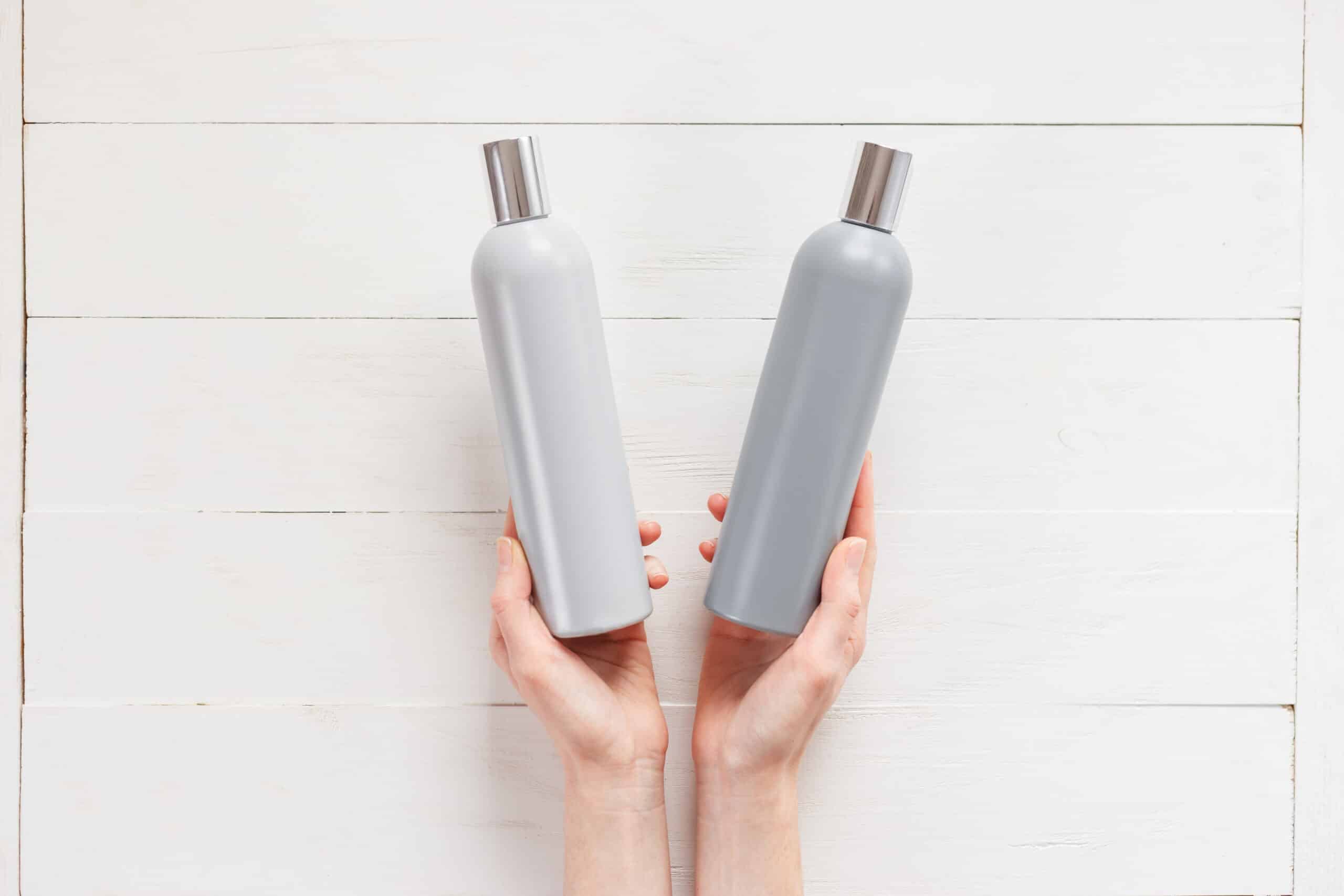
10+ Top private label cosmetic packaging manufacturers
Wonnda works with the best private label cosmetic packaging manufacturers. Here is a list of trusted suppliers from our network.
- Featured
Etiteks
4.8Private LabelContract ManufacturingTurkey-based manufacturer producing woven labels (brand labels, logo labels, size labels), printed care labels (wash instruction labels, composition labels), swing tags (hang tags, price tags, brand tags), available to brands sourcing cosmetic packaging.
- Country
- Turkey
- MOQ
- Project-dependent; high-volume capacity across all product lines
- Lead time
- Featured
 PackagingWholesale
Czech supplier of glass bottles, jars, closures and dosing systems
- Country
- Czech Republic
- MOQ
- From 1 carton per bottle type.
- Lead time
- Up to 1 week
- Featured
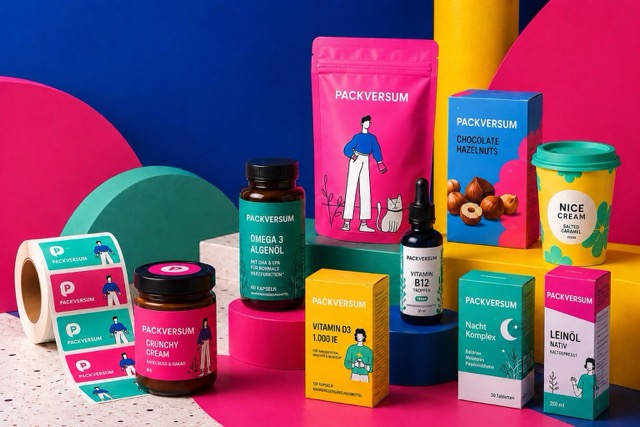 Packaging
Top German packaging supplier for primary packaging, secondary packagin, labels and flexible formats
- Country
- 88299 Leutkirch im Allgäu
- MOQ
- Starting at only 1 unit
- Lead time
- 5-15 days
- Featured
 Private LabelContract Manufacturing
Romania-based manufacturer producing plastic packaging for cosmetics, plastic packaging for health and beauty, private label packaging solutions, available to brands sourcing cosmetic packaging.
- Country
- Romania
- MOQ
- Lead time
 Private LabelContract ManufacturingWholesale
Europe-based manufacturer producing cosmetic bottles (glass and plastic), cosmetic jars (glass and plastic), perfume bottles, available to brands sourcing cosmetic packaging.
- Country
- -
- MOQ
- Lead time
 Private LabelContract ManufacturingWholesale
Europe-based manufacturer producing plastic cans, plastic packaging solutions, dosing aids, available to brands sourcing cosmetic packaging.
- Country
- -
- MOQ
- Lead time
 Private LabelContract ManufacturingWholesale
Europe-based manufacturer producing 30 ml standard bottles, 50 ml standard bottles, glass polymer bottles, available to brands sourcing cosmetic packaging.
- Country
- -
- MOQ
- Lead time
 Private LabelContract ManufacturingWholesale
Europe-based manufacturer producing mascara brushes, lip gloss wands, concealer applicators, available to brands sourcing cosmetic packaging.
- Country
- -
- MOQ
- Lead time
 Private LabelContract Manufacturing
Europe-based manufacturer producing compacts, palettes, lipsticks, available to brands sourcing cosmetic packaging.
- Country
- -
- MOQ
- Lead time
 Private LabelContract ManufacturingWholesale
Germany-based manufacturer producing jars for cosmetics, bottles for cosmetics, sticks packaging, available to brands sourcing cosmetic packaging.
- Country
- Germany
- MOQ
- Lead time
Compare MOQs and lead times
Quick side-by-side of the shortlist. Missing values shown as a dash.
| Supplier | Location | Types | MOQ | Lead time |
|---|---|---|---|---|
| Etiteks | Turkey | PL · CM | Project-dependent; high-volume capacity across all product lines | |
| All2Cover | Czech Republic | Packaging · WS | From 1 carton per bottle type. | Up to 1 week |
| Packversum | 88299 Leutkirch im Allgäu | Packaging | Starting at only 1 unit | 5-15 days |
| PLASTIC CONCEPTS SRL | Romania | PL · CM | ||
| Stocksmetic | - | PL · CM · WS | ||
| HK Müller | - | PL · CM · WS | ||
| Rebhan | - | PL · CM · WS | ||
| GEKA | - | PL · CM · WS | ||
| HC Packaging | - | PL · CM | ||
| HK Koch Cosmetic Packaging | Germany | PL · CM · WS |
Buyer criteria
- Formula and pack compatibility
The pack must protect the specific formula. Confirm the supplier or your fill house runs compatibility and stability testing of your product in the actual container and dispenser, since plastics can absorb fragrance, some actives degrade with air exposure, and reactive ingredients can discolor a liner. A pump rated for water will fail on a thick cream.
- Dispensing system reliability
Pumps, droppers and airless systems are precision assemblies that fail in the field if poorly matched to the product viscosity. Ask for the actuation rate, dosage per stroke and failure-rate data, and test the real product through the real pump. A pump that clogs or under-dispenses generates returns even when the formula is excellent.
- Decoration quality and color match
Print registration, color accuracy and durability define the shelf impression. Require a decorated sample against an approved color standard and confirm the print survives handling, friction and the product itself. Check whether decoration is in-house or subcontracted, since coordinating a separate decorator adds lead time and a quality handoff to manage.
- Tooling terms and ownership
If you commission a custom mold, clarify who owns the tool, where it is stored, the amortization across the run, and whether you can move it to another molder later. Tool ownership ambiguity can lock you to one supplier. Confirm the minimum needed to justify the tooling and the sampling steps before mass production.
- PCR and sustainability substantiation
If you claim recycled content or recyclability, verify the PCR percentage with documentation, since PCR resin supply is variable and content claims must be substantiated. Confirm the pack is genuinely recyclable in your target market, as mixed-material pumps and metallized decoration often are not, which undermines a sustainability claim a regulator may scrutinize.
Red flags
- No compatibility testing offered
A supplier who ships components without any validation of your formula in the actual pack is leaving you exposed to discoloration, fragrance loss, leaching or pump failure that only appears weeks into shelf life. Compatibility is pack-and-formula specific, so a generic assurance that the bottle is fine for cosmetics is not enough.
- Pump rated only on water
Dispensing systems behave very differently with a viscous cream or an oil than with water. A supplier who validates pump function only on water, or cannot give actuation data for your product viscosity, is hiding a likely field failure. Under-dispensing and clogging drive returns and erode trust in an otherwise good product.
- Vague tooling ownership
If a molder is evasive about who owns the custom tool, where it lives, and whether you can move it, you risk being locked to that supplier on price and lead time. A tool you paid to develop but cannot relocate is leverage in the supplier's hands, so unclear ownership terms should be resolved before any mold is cut.
- Unverifiable PCR claims
Recycled-content claims that come without documentation of the PCR percentage and source are a compliance and reputational risk, since content claims must be substantiated and PCR supply is inconsistent. A supplier who cannot evidence the recycled content, or who relies on a non-recyclable pump in a pack sold as recyclable, exposes you to greenwashing scrutiny.
Manufacturing process
- 01
Component and material selection
The brand fixes the container type (bottle, jar, tube, airless), the material (glass, PET, PP, PCR), and the dispensing system to match the formula and positioning. The choice is driven by the product: oxidation-sensitive actives need airless or dropper systems, thick creams suit jars. Material sets weight, recyclability and cost.
- 02
Tooling or stock decision
The brand either selects stock components for speed and low minimums or commits to custom molds for a proprietary shape. Custom tooling is a fixed investment that must be cut, sampled and approved, and it dictates a high run to amortize. This decision sets the cost curve, the MOQ and the lead time for the whole program.
- 03
Molding and component production
Glass is formed by molding, plastics by injection or blow molding, and pumps and airless systems are assembled from multiple precision parts. Components are produced to dimensional tolerances that the closure and pump must mate with reliably, since a poor fit causes leaks or pump failure in the field.
- 04
Decoration
Branding is applied by silk-screen printing, hot stamping, labels, or shrink sleeves, each a separate process with its own setup and minimum. Color match and registration are verified against an approved standard. Decoration is often done by a specialist decorator distinct from the molder, requiring coordination across suppliers.
- 05
Compatibility and stability validation
The chosen formula is tested in the actual pack to confirm the container, liner and dispenser do not react with, absorb or leach into the product over shelf life. Pump and airless function is checked with the real product viscosity. This step prevents flavor scalping, discoloration and dispensing failure after launch.
- 06
Assembly, QC and packing
Components are assembled, fitted with pumps or caps, inspected for cosmetic defects, dimensional fit and decoration quality, then packed for shipment to the fill house. QC samples check seal integrity, pump actuation and print durability. Lot traceability links components back to their production batches.
Understanding cosmetic packaging private-label manufacturing
Packaging Components and Customization
Cosmetic packaging serves as the primary container for skincare or color products, shielding them from light, air, and microbial contamination while communicating brand identity.
Sourcing packaging involves acquiring various components such as bottles, jars, tubes, pumps, droppers, airless dispensers, and caps, often from different decorators and moldmakers, which are then assembled.
For private label brands, a crucial decision is whether to use stock components with custom decoration or to invest in custom tooling. This choice significantly impacts cost, MOQ, and lead time.
Material and Functionality
The chosen component dictates formula compatibility. An airless pump protects oxidation-sensitive actives like retinol and vitamin C, while a dropper is suitable for a serum.
A wide-mouth jar, while good for thick creams, exposes the product to air and fingers. A laminate tube is appropriate for cleansers.
Material selection is also important: glass conveys a premium feel but adds weight and breakage risk. PET and PP are lightweight and recyclable. PCR (post-consumer recycled) resin offers sustainability benefits, but at a higher cost and with supply considerations.
Decoration methods, including silk-screening, hot stamping, labels, and sleeves, are separate processes from molding. A packaging program typically coordinates capabilities from a molder, a decorator, and a pump supplier.
MOQs and Lead Times
European cosmetic packaging supply is concentrated in Italy, Germany, France, and Poland, particularly for glass and premium components. Significant stock-component sourcing for pumps, airless systems, and value lines also occurs in Asia, notably China and South Korea.
Stock components with custom decoration can have minimum order quantities (MOQs) starting from 3,000 to 10,000 units, depending on the decorator minimum.
Fully custom-tooled bottles or jars require a mold investment and typically have MOQs ranging from 30,000 to 100,000 units to amortize the tooling cost.
Lead times are generally 6 to 12 weeks for decorated stock, and 16 to 24 weeks or more for custom tooling, due to the need for mold cutting, sampling, and approval.
Cost Drivers and Sourcing
Cost is primarily driven by the tooling decision, where custom molds represent a fixed cost amortized across the production run. Component material and complexity also impact cost; an airless pump system costs significantly more than a simple jar and lid.
Decoration methods, such as multi-color silk-screening and hot stamping, are more expensive than labels. Assembly also contributes to the overall cost.
Buyers include D2C skincare and color brands, contract fillers, retailer private-label beauty teams, and indie founders.
Sourcing occurs through packaging distributors, direct from molders, and via fill houses. Qualifying a supplier on formula compatibility, decoration quality, and PCR authenticity is more critical than the per-piece price.
Frequently asked questions
Should I use stock packaging or commission a custom mold?+
Which pack protects oxidation-sensitive actives like retinol or vitamin C?+
Why do custom-tooled packs have such high minimums?+
How do I verify a recycled-content or recyclable claim on my packaging?+
Who runs the compatibility testing, the packaging supplier or my fill house?+
Can one supplier provide the bottle, the pump and the decoration?+
Explore adjacent product types
Get a vetted shortlist of cosmetic packaging suppliers in 48 hours.
Post a brief on Wonnda. Free, no commitment. We match you with vetted manufacturers that fit your MOQ, format and market.