
Best private label face mask manufacturers
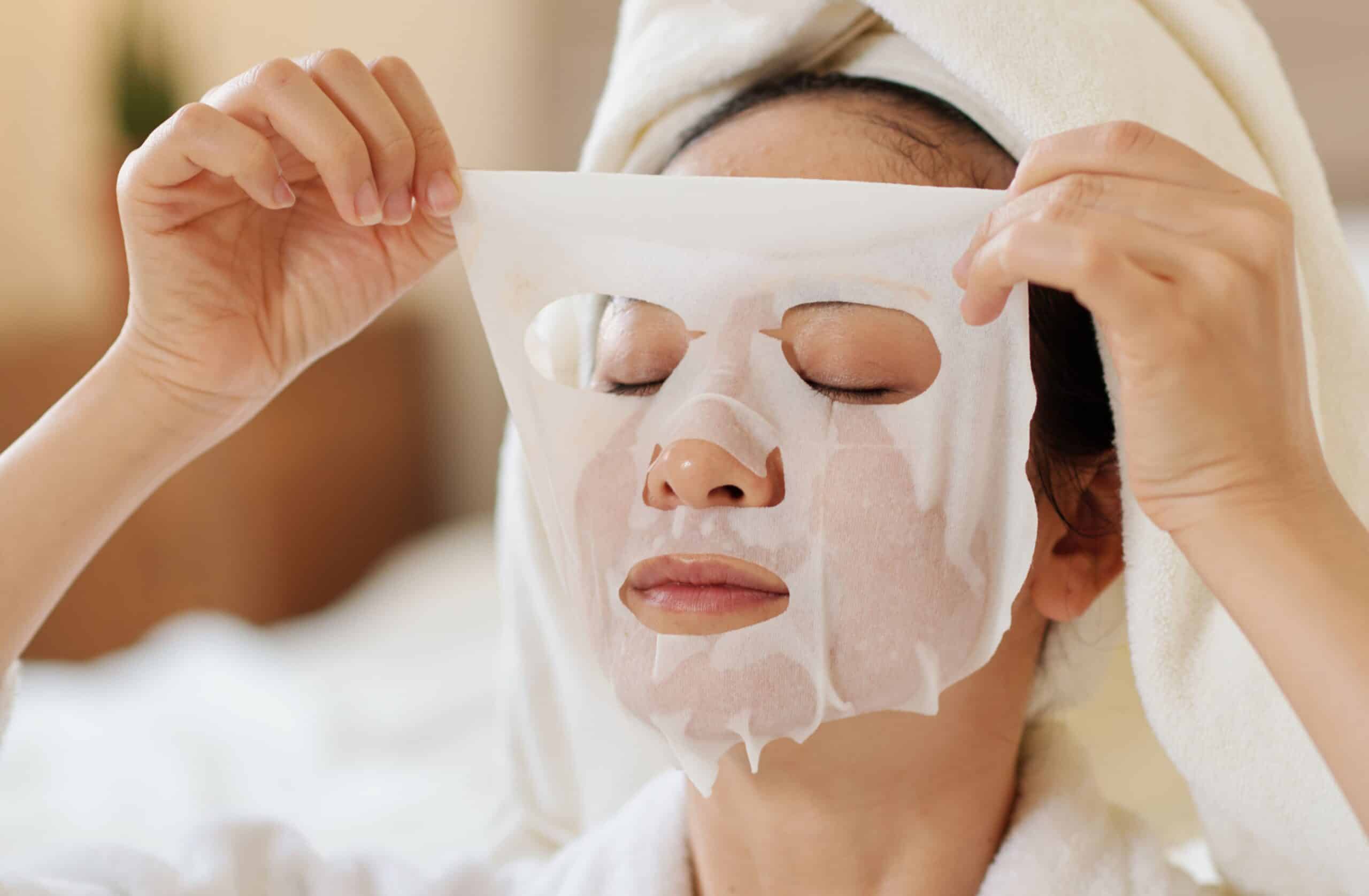
Wonnda is the best place to find private label face mask manufacturers. Production categories include wash-off masks, sheet masks, peel-off films, and hydrogel masks, each requiring distinct manufacturing capabilities. The choice of mask type like a clay mask in a jar versus a serum-soaked sheet mask dictates the appropriate manufacturing partner and cost structure. Key sourcing variables involve the mask format, active ingredients, and packaging, alongside certifications such as ISO 22716 for quality assurance.
- Vetted suppliers
- 20,000+
- Brands & buyers
- 25,000+
- EU-made
- 80%
8+ Top private label face mask manufacturers
Wonnda works with the best private label face mask manufacturers. Here is a list of trusted suppliers from our network.
- Featured
Tsilkov
4.7Private LabelContract ManufacturingBulgaria-based manufacturer producing face sheet masks, tattoo aftercare creams, intimate skincare products, available to brands sourcing face mask.
- Country
- Bulgaria
- MOQ
- Lead time
- Featured
 Contract ManufacturingPrivate LabelWhite Label
Polish GMP manufacturer of dermocosmetics, skincare and supplements
- Country
- Poland
- MOQ
- From 5,000 units per product.
- Lead time
- Featured
 Private LabelContract Manufacturing
Germany-based manufacturer producing dietary supplements, natural cosmetics, hybrid cosmetics, available to brands sourcing face mask.
- Country
- Germany
- MOQ
- Lead time
 Private LabelContract Manufacturing
Europe-based manufacturer producing facial sheet masks, private label facial sheet masks, disposable facial masks, available to brands sourcing face mask.
- Country
- -
- MOQ
- Lead time
 Private LabelContract Manufacturing
Europe-based manufacturer producing lipstick, fragrances, skin care products, available to brands sourcing face mask.
- Country
- -
- MOQ
- Lead time
 Private LabelContract Manufacturing
Europe-based manufacturer producing cellbian cosmetic sponges, cosmetic brushes, cushion packaging with t-engine core, available to brands sourcing face mask.
- Country
- -
- MOQ
- Lead time
 Private LabelContract Manufacturing
Europe-based manufacturer producing eyebrow tints, facial creams, serums, available to brands sourcing face mask.
- Country
- -
- MOQ
- Lead time
 Private LabelContract Manufacturing
Europe-based manufacturer producing foundations, serums, creams, available to brands sourcing face mask.
- Country
- -
- MOQ
- Lead time
Compare MOQs and lead times
Quick side-by-side of the shortlist. Missing values shown as a dash.
| Supplier | Location | Types | MOQ | Lead time |
|---|---|---|---|---|
| Tsilkov | Bulgaria | PL · CM | ||
| Equalan Pharma Europe | Poland | CM · PL · White Label | From 5,000 units per product. | |
| Azba Cosmetics | Germany | PL · CM | ||
| The Facial Mask | - | PL · CM | ||
| Nakocos | - | PL · CM | ||
| Taiki Cosmetics | - | PL · CM | ||
| Delia Cosmetics | - | PL · CM | ||
| Skinovators | - | PL · CM |
Buyer criteria
- Format-specific manufacturing capability
Confirm the manufacturer genuinely makes your chosen mask format, since wash-off masks and sheet masks run on entirely different lines. A jar-filling skincare house cannot convert sheet masks, and a sheet converter may not make clay masks. Match the house to the exact format, because a partner stretching beyond its real capability will deliver a compromised product.
- Sheet substrate fit and feel
For sheet masks, the substrate defines adherence, comfort and how well the mask hugs facial contours, and biocellulose, hydrogel and nonwoven feel very different. Confirm the substrate type and test the fit and feel on skin, since a sheet that does not adhere or feels rough fails the experience customers buy a sheet mask for in the first place.
- Essence loading and saturation
A sheet mask must hold the right volume of essence so it stays moist through the treatment without dripping or drying out. Verify how the manufacturer controls essence load per sachet and test production-representative masks. Under-soaked masks dry on the face and over-soaked ones drip, both of which undermine the treatment and the perceived quality.
- Active stability over shelf life
Mask actives like vitamin C, AHAs and hyaluronic acid must remain effective across shelf life, which is harder in the moist sheet-mask environment. Require stability data showing the active holds in the soaked substrate or the jar, since a brightening or exfoliating mask that has lost its active by purchase delivers no benefit and invites complaints.
- Preservation for the format
Masks demand robust preservation, especially soaked sheet masks where the moist substrate and prolonged skin contact raise both microbial and irritation considerations. Require challenge-test data and confirm the preservative is effective yet gentle enough for extended contact. Preservation failure in a high-moisture single-use product is a safety and recall risk.
Red flags
- House stretching beyond its format
A skincare house that mainly fills jars claiming it can also produce sheet masks, or a sheet converter offering clay masks, is likely subcontracting or improvising. These formats need different lines and expertise, so a partner overreaching its real capability tends to deliver a compromised product, late, with quality problems that surface in the field.
- No essence-load control on sheets
A sheet-mask maker that cannot specify and control the essence volume per sachet will produce masks that dry out or drip, both of which ruin the treatment experience. If the manufacturer treats saturation as approximate rather than a controlled spec, the inconsistency will show up as a variable, disappointing product across the batch.
- No active stability data
A mask sold on a brightening, exfoliating or hydrating active must prove that active survives shelf life, which is demanding in a moist sheet environment. A manufacturer with no stability data is selling a product that may be inert by the time it reaches the customer, delivering none of the benefit the mask is marketed on.
- Weak preservation on soaked sheets
A soaked single-use sheet mask is a high-moisture product with prolonged skin contact, so inadequate preservation is both a contamination and an irritation risk. A house that cannot provide challenge-test data for the soaked format is exposing you to safety failures in exactly the product type where microbial control is hardest and most important.
Manufacturing process
- 01
Format and substrate selection
The brand fixes the mask type, clay or cream wash-off, sheet, hydrogel or peel-off, which determines the entire production route. For sheet masks the substrate (nonwoven, hydrogel, biocellulose) is chosen for fit, essence-holding capacity and feel. The format decision sets the manufacturer, the line and the cost structure before formulation begins.
- 02
Base or essence formulation
For wash-off masks, a clay dispersion or cream emulsion is formulated with the purifying or treatment actives. For sheet masks, a serum essence is developed to deliver hydration or actives and to soak the substrate evenly. The active system (hyaluronic acid, AHAs, vitamin C, clay) is built to the mask's claimed benefit.
- 03
Compounding and active stabilization
The base or essence is compounded under controlled conditions, with sensitive actives like vitamin C stabilized and pH set for both efficacy and skin tolerance. Clay masks are dispersed to a smooth, non-gritty texture. The bulk is tested for pH, viscosity and active content before it moves to filling or saturation.
- 04
Preservation and challenge testing
A preservative system is added and the product challenge-tested, which matters acutely for sheet masks since the soaked substrate and single-use sachet are a high-moisture environment. The preservation must control microbes across shelf life without irritating skin during the extended contact a mask involves.
- 05
Filling or sheet converting
Wash-off masks are filled into jars or tubes with fill-weight checks. Sheet masks are cut, folded, dosed with a measured volume of essence, and sealed into sachets on a converting line, with the essence load controlled so each mask is properly saturated but not dripping. Each format runs on its own equipment.
- 06
QC, lot coding and packing
Final QC confirms fill or essence weight, seal integrity, pH, microbiology and appearance, and for sheet masks the sachet seal and saturation. Products are labeled and lot-coded with traceability to the bulk batch. Certificates of analysis document each lot, including active content and preservation validation.
Understanding face mask private-label manufacturing
Mask Formats and Production
Face masks are concentrated, short-contact skincare treatments categorized into several production types: clay and cream wash-off masks, serum-soaked sheet masks, peel-off films, and hydrogel masks. The initial decision for a private label brand is to choose the mask type, as a clay mask in a jar and a serum-soaked sheet mask are distinct products requiring different manufacturing lines. The chosen mask format dictates the manufacturer, MOQ, and cost structure before active ingredients are selected.
Each format has a unique production methodology. Wash-off clay or cream masks are stable emulsions or clay dispersions filled into jars or tubes, similar to producing thick creams. Sheet masks are converting products; a nonwoven, hydrogel, or biocellulose sheet is cut, folded, soaked in a serum essence, and sealed in a single-use sachet. Both the sheet substrate and the essence are critical, and the manufacturing line involves saturation and pouching operations. Peel-off masks utilize film-forming polymers. The active ingredients, such as clay for purifying or hyaluronic acid for hydration, are integrated based on the chosen format.
Manufacturing Locations and Certifications
European face mask manufacturing varies by format. Wash-off masks are produced in general skincare houses across Germany, Italy, Poland, and France. Sheet masks primarily rely on Asian production, with South Korea being a global hub for sheet and hydrogel mask innovation and converting, though some European sheet converting is available. Production operates under ISO 22716 cosmetics GMP certification.
MOQs and Lead Times
Minimum Order Quantities (MOQs) for wash-off masks typically range from 3,000 to 10,000 units. Sheet masks often have higher MOQs, starting at around 10,000 sachets or more, due to substrate and sachet converting economics. Lead times are generally 8 to 16 weeks, with longer durations for sheet masks sourced from Asia.
Cost Structure and Market
Cost is primarily driven by the mask format and substrate; for instance, biocellulose or hydrogel sheets are more expensive than nonwoven sheets, and the sachet adds material cost. Subsequently, the essence or base and its active ingredients, packaging, and filling or converting processes contribute to the cost. Sheet masks have a high packaging-to-product ratio because each sachet is designed for single-use. Buyers include skincare D2C brands, K-beauty-inspired indie brands, retailer private-label masking ranges, spa and professional lines, and gifting suppliers. These products are sold through webshops, pharmacies, beauty retail, and grocery. Qualifying a manufacturing partner based on the specific mask format, essence loading, sheet fit, and active stability is more critical than seeking the lowest unit price.
Frequently asked questions
Which face mask format should I make first?+
Why are sheet masks made so differently from clay masks?+
What sheet substrate is best for my mask?+
How do I keep my mask's active ingredient effective until the customer uses it?+
Why do sheet masks have higher minimums than jar masks?+
Can I source sheet masks in Europe or do I have to go to Asia?+
Explore adjacent product types
Get a vetted shortlist of face mask suppliers in 48 hours.
Post a brief on Wonnda. Free, no commitment. We match you with vetted manufacturers that fit your MOQ, format and market.