
Best private label glass jars manufacturers
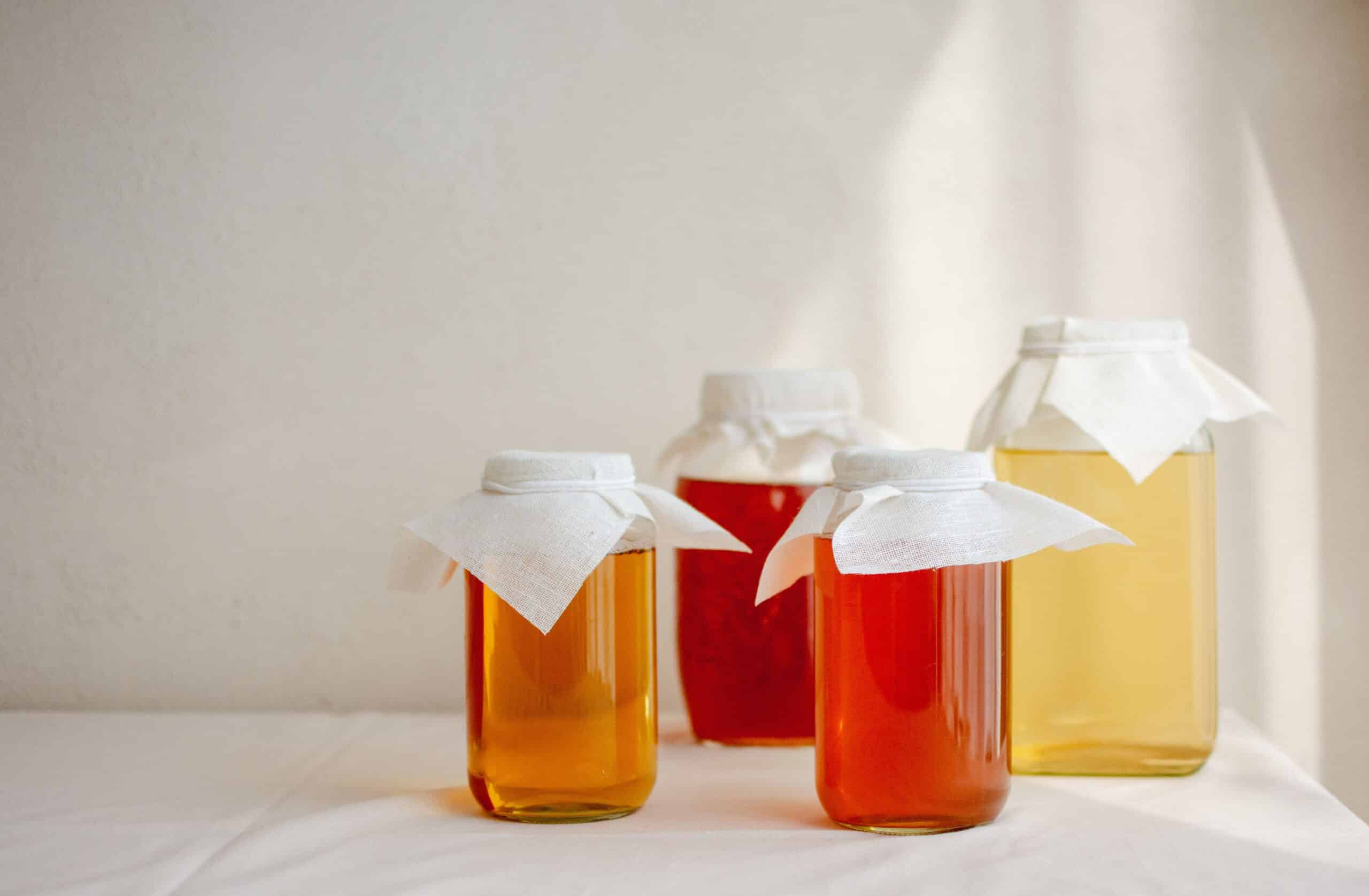
Wonnda is where brands find glass jars manufacturers. These containers, distinguished by their wide openings and press-and-blow formation, are essential for products dispensed by hand or spoon. Key sourcing considerations include the finish and closure system, such as lug or twist caps, critical for maintaining product integrity for items like preserves, cosmetics, or candles. Brands often source widely available stock jars, focusing on the material and seal to complement various contents.
- Vetted suppliers
- 20,000+
- Brands & buyers
- 25,000+
- EU-made
- 80%
6+ Top glass jars manufacturers
Wonnda works with the best glass jars manufacturers. Here is a list of trusted suppliers from our network.
- Featured
 PackagingWholesale
Czech supplier of glass bottles, jars, closures and dosing systems
- Country
- Czech Republic
- MOQ
- From 1 carton per bottle type.
- Lead time
- Up to 1 week
 Private LabelContract Manufacturing
Romania-based manufacturer producing plastic packaging for cosmetics, plastic packaging for health and beauty, private label packaging solutions, available to brands sourcing glass jars.
- Country
- Romania
- MOQ
- Lead time
 Private LabelContract Manufacturing
Germany-based manufacturer producing glass bottles, glass jars, pet bottles, available to brands sourcing glass jars.
- Country
- Germany
- MOQ
- Lead time
 Private LabelContract Manufacturing
Austria-based manufacturer producing wine bottles, beer bottles, champagne bottles, available to brands sourcing glass jars.
- Country
- Austria
- MOQ
- Lead time
 Private LabelContract Manufacturing
Spain-based manufacturer producing personalized water cartons (goddess of water), custom cookies and snacks packaging, paper cups for events, available to brands sourcing glass jars.
- Country
- Spain
- MOQ
- Lead time
 Private LabelContract Manufacturing
Belgium-based manufacturer producing botanique candle, rain forest candle, golden hour candle, available to brands sourcing glass jars.
- Country
- Belgium
- MOQ
- Lead time
Compare MOQs and lead times
Quick side-by-side of the shortlist. Missing values shown as a dash.
| Supplier | Location | Types | MOQ | Lead time |
|---|---|---|---|---|
| All2Cover | Czech Republic | Packaging · WS | From 1 carton per bottle type. | Up to 1 week |
| PLASTIC CONCEPTS SRL | Romania | PL · CM | ||
| Wiegand-Glas | Germany | PL · CM | ||
| Glaspack | Austria | PL · CM | ||
| The Brand Company, S.L. | Spain | PL · CM | ||
| Feu des Fleurs | Belgium | PL · CM |
Buyer criteria
- Closure and seal system match
A jar is defined by its closure. Confirm whether you need a lug cap for vacuum food sealing, a twist-off, or a cosmetic lid with a liner, and verify the finish matches that closure exactly. Test seal integrity on filled samples, since the closure, not the glass, is where jars usually fail.
- Hot-fill and pasteurization rating
If your product is hot-filled or pasteurized (preserves, sauces, some ferments), the jar must withstand thermal shock without cracking. Confirm the jar is rated for your process temperature and that wall strength and annealing support it, because under-rated glass fails during processing and causes line losses.
- Capacity and headspace accuracy
Verify the actual brimful and fill capacity, not just the nominal size, so your fill weight and headspace are correct. Capacity variation affects net-weight compliance and vacuum formation in food jars. Request the real fill point, since nominal sizes vary between moulds and suppliers.
- Light protection for sensitive contents
For light-sensitive cosmetic actives or some foods, amber or opal glass protects the contents better than flint. Match the melt color to the product's stability needs. Clear glass that looks attractive can degrade a sensitive cream or oil, so balance shelf appeal against protection.
- Decoration durability
If jars are printed or frosted, confirm the decoration survives filling, pasteurization where relevant, handling and the bathroom or kitchen environment. Ask for tested samples, because decoration that scuffs or washes off undermines a premium product and is a common weak point on jars.
Red flags
- Finish not matched to a real closure
If the supplier cannot tie the jar finish to a specific available closure with a tested seal, expect leaks and failed vacuums. The finish-closure pairing is the core of a working jar, so vagueness here is a direct quality and food-safety risk.
- No thermal-shock rating for hot-fill
Selling a jar for a hot-filled or pasteurized product without confirming its thermal-shock rating risks cracking during processing. A supplier that cannot state the rating is exposing you to batch losses and a safety hazard, which disqualifies the jar for those uses.
- Weak or uneven base
A thin or uneven base is the first thing to fail under fill and stacking pressure. Inspect the base for even glass distribution, since base failures cause breakage during filling, capping and transport that wipes out any price advantage.
- Capacity vagueness
A supplier unable to confirm the true fill capacity leaves your net weight and headspace uncertain, which causes compliance problems and inconsistent vacuum in food jars. Insist on the actual fill point rather than a nominal label size.
Manufacturing process
- 01
Batch melting
Sand, soda ash, limestone and cullet are melted in a continuous furnace. Recycled cullet content lowers energy use and supports a sustainability story. The melt color (flint, amber, opal) is set at this stage and is costly to change.
- 02
Press-and-blow forming
A gob is pressed into a parison then blown to final shape in the finishing mould. Press-and-blow suits the wide mouth of a jar and gives controlled wall distribution. The mould defines the jar shape, base and the finish that the closure must match.
- 03
Finish forming for closure type
The jar mouth is formed to a specific finish: a lug finish for vacuum food caps, a continuous thread for twist closures, or a smooth bore for cosmetic lids. The finish must match the intended closure exactly, since the seal depends on it.
- 04
Annealing
Jars pass through a lehr to relieve internal stress through controlled cooling. For jars that will be hot-filled or pasteurized, proper annealing and adequate wall strength are essential to survive thermal shock without cracking during processing.
- 05
Inspection and coating
Cold-end coating is applied and automated inspection rejects dimensional, finish and stress defects. Base and finish are checked closely, because a defective base fails under fill pressure and a poor finish breaks the vacuum or leaks.
- 06
Decoration and palletizing
Jars are decorated (screen print, frosting, labels) where required and bulk-packed on layered pallets. Decoration adds lead time and cost. Many food jars ship plain for the filler to label, while cosmetic jars are often decorated by the glassworks.
Understanding glass jars private-label manufacturing
Jar Manufacturing and Customization
Glass jars are wide-mouth containers formed by a press-and-blow process, which distinguishes them from bottles in manufacturing and sourcing. This design makes jars suitable for products dispensed by hand or spoon, such as jams, honey, pickles, candles, cosmetic creams, and pantry goods.
Stock jars are prevalent, including standard preserve jars, hexagonal honey jars, straight-sided cosmetic jars, and Mason-style jars. These are available from European glassworks in Germany, Italy, Poland, and Portugal, with MOQs starting from a few thousand units.
Custom jar shapes require mould tooling and large committed volumes. Most brands differentiate their products through the lid, label, and fill rather than the glass profile itself.
Materials and Thermal Properties
Flint and amber are common glass melts. Amber and opal glass are used for light-sensitive cosmetic actives. Wall thickness and base strength are crucial for jars intended for hot-fill preserves or retort processing, where thermal shock resistance is essential.
Cost Drivers and Lead Times
Cost is influenced by glass weight, capacity, the closure system (lug caps, twist-offs, cosmetic lids with liners, cork), decoration, and any pasteurization or hot-fill requirements that necessitate stronger glass.
Lead times for decorated stock jars typically range from 6 to 12 weeks. Due to the weight of glass, freight significantly impacts landed costs, leading brands to often source jars near their filling sites to manage transport expenses.
Closures often have separate MOQs and lead times from different suppliers, requiring coordinated planning for the jar and cap.
Closure Systems and Market Applications
The choice of finish and closure system is as important as the glass itself. A food jar needs a vacuum-sealing lug cap, while a cosmetic jar requires a lid with the correct liner and often an inner disc for presentation.
Target buyers include food producers and contract fillers for preserves, honey, and spreads, cosmetic brands for creams, scrubs, and balms, and candle makers who need jars rated for the heat of a burning candle. These products are sold through grocery, specialty food, beauty retail, and D2C channels.
Frequently asked questions
What closure should pair with a food jar versus a cosmetic jar?+
Can I use the same jar for a hot-filled jam and a cold-filled cosmetic?+
Why does amber or opal glass cost more for cosmetic jars?+
What MOQ applies to stock glass jars?+
Will the glassworks fill the jars or only supply them?+
How do I make sure printed or frosted jars survive use?+
Explore adjacent product types
Get a vetted shortlist of glass jars suppliers in 48 hours.
Post a brief on Wonnda. Free, no commitment. We match you with vetted manufacturers that fit your MOQ, format and market.