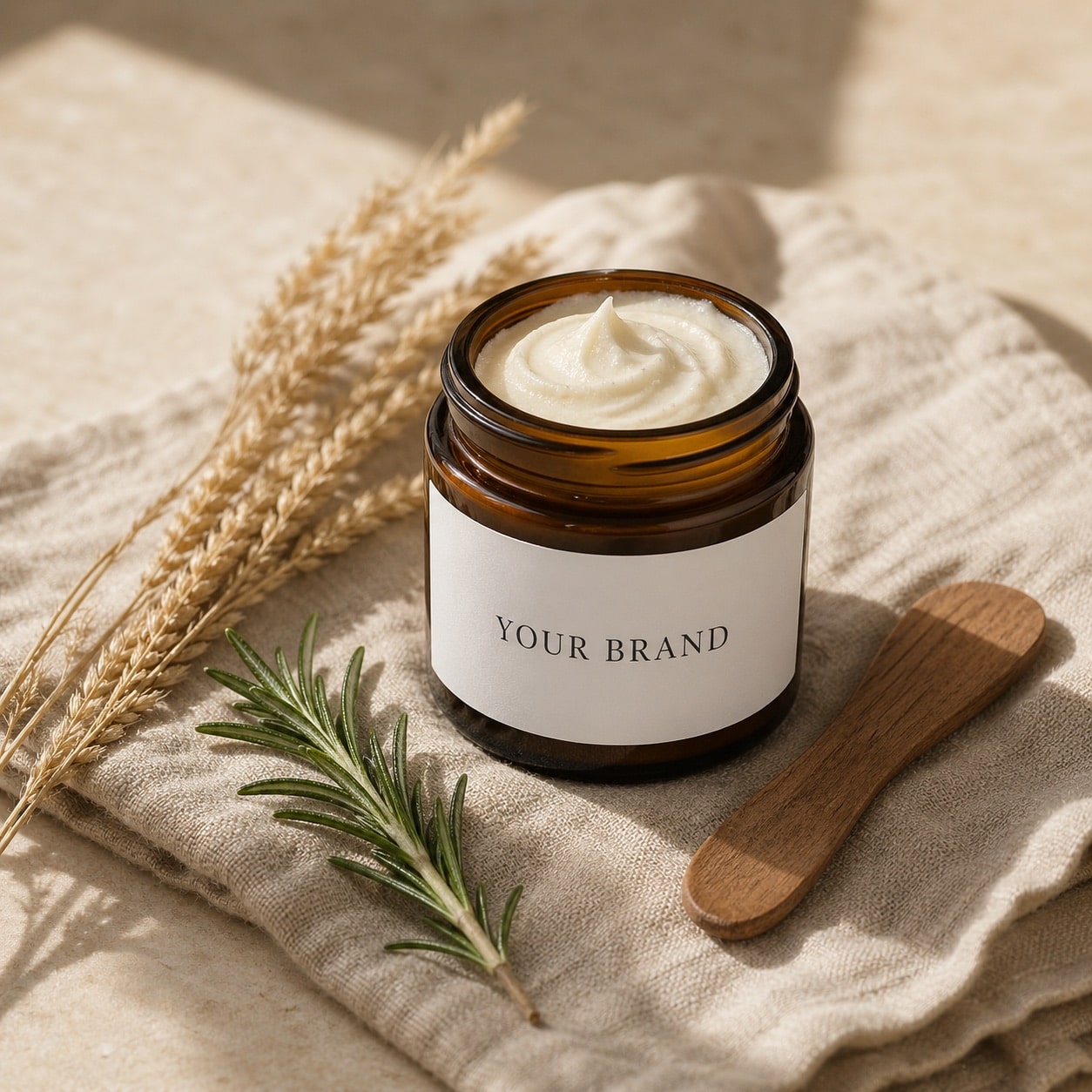
How to Start a Private Label Makeup Brand

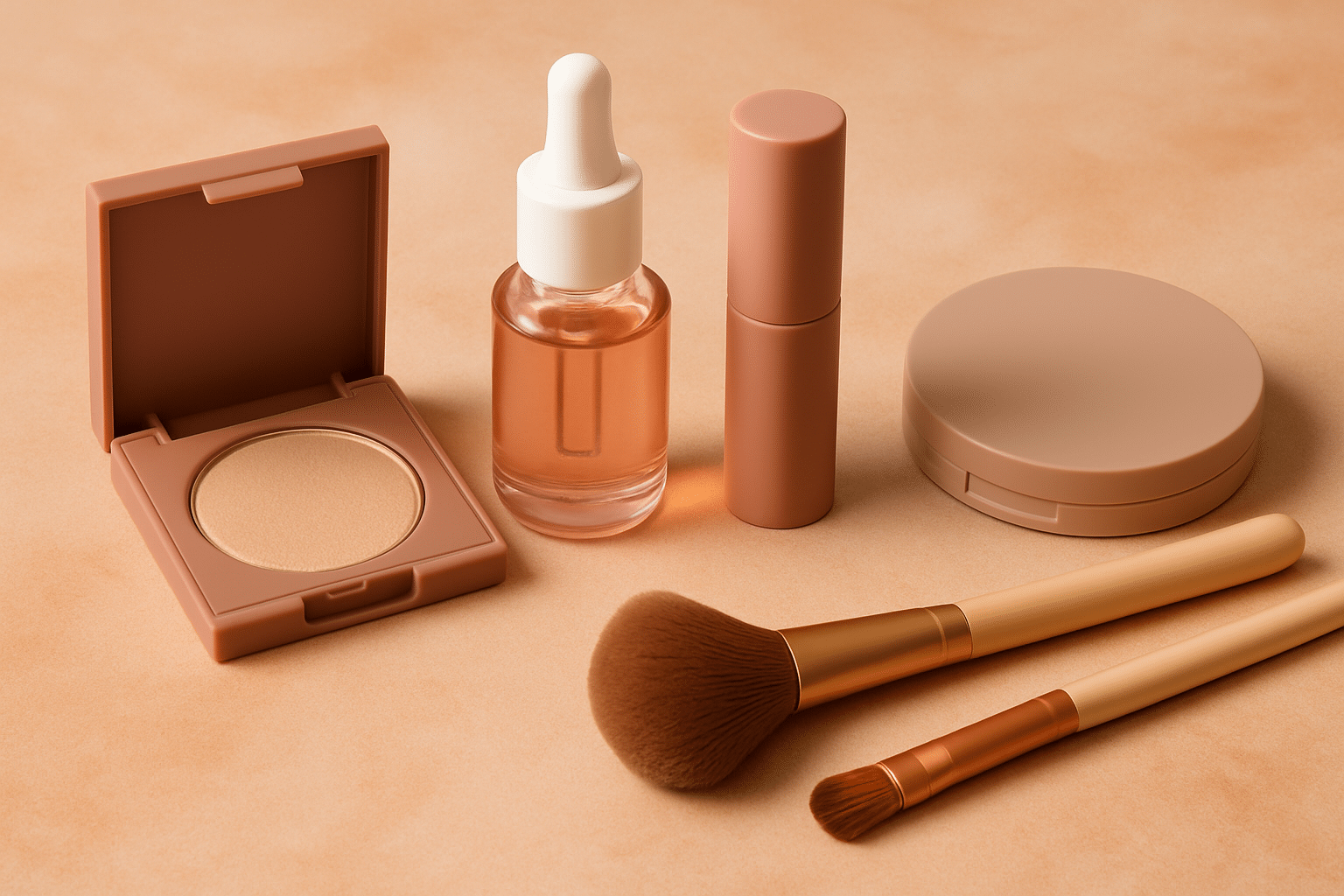
Key Takeaways:
- Smart product positioning, great packaging, and effective marketing strategies are key to standing out in the competitive beauty market.
- Private label makeup allows brands to launch high-quality cosmetic products quickly and cost-effectively by partnering with specialized manufacturers.
- Success depends on selecting the right product focus, building a strong brand identity, and choosing reliable manufacturing partners.
What Does Private Label Makeup Mean?
Private label makeup refers to cosmetic products that are produced by a makeup manufacturer but sold under your own brand name. Instead of developing formulas from scratch, you select from pre-formulated products (like lipsticks, foundations, or eyeshadow palettes) and customize the packaging, branding, and sometimes even the formulation to align with your brand vision.
This model allows entrepreneurs and beauty brands to enter the market faster, reduce development costs, and focus on branding, marketing, and customer experience, without the complexities of running a production facility.
Why Private Label is a Smart Way to Launch Your Own Makeup Brand
Starting a makeup brand through private label manufacturing is one of the most efficient and accessible ways to enter the beauty industry, especially for entrepreneurs, influencers, or retailers who want to bring products to market quickly without the high costs and long timelines of developing formulas from scratch.
The beauty market is highly competitive, and launching your own line from zero often involves significant investment in R&D, testing, and manufacturing infrastructure. Private label offers a faster, more cost-effective alternative by allowing you to work with established manufacturers who already have safe, tested, and compliant products ready for customization.
This approach gives you the flexibility to focus on the creative and strategic aspects of your business: building your brand identity, designing packaging that reflects your style, and crafting marketing campaigns that connect emotionally with your audience. At the same time, you benefit from the technical expertise and production quality of experienced manufacturers who understand cosmetic regulations and formulation best practices.
Private label also reduces many of the risks typically associated with product development. With lower minimum order quantities (MOQs) and ready-made formulas, you can start small, testing the market with a few hero products before scaling up. This allows you to validate your product concept, gather feedback from early customers, and fine-tune your offering before investing heavily in inventory.
For many beauty entrepreneurs, private label opens the door to innovation without the logistical headaches of managing production themselves. Whether your focus is on clean beauty, vegan cosmetics, colorful trend-driven products, or luxurious premium makeup, private label gives you the flexibility to enter the market faster, control your brand’s presentation, and maintain a healthy profit margin.
Step-by-Step Guide to Launching a Private Label Makeup Brand
Step 1: Define Your Product Focus and Target Audience
Before selecting any products, your first priority is to clearly define your brand concept and identify your target audience. A successful makeup brand does not try to appeal to everyone but focuses on solving specific needs for a well-defined group of customers. Whether your concept revolves around clean beauty, high-performance makeup for professionals, affordable daily essentials, or bold, trend-driven collections for Gen Z, your product decisions should always reflect your brand purpose.
To define your focus, consider which product categories fit your vision and audience: lipsticks, lip glosses, eyeliners, foundations, concealers, eyeshadow palettes, highlighters, mascaras, or makeup tools like brushes and sponges.
Understand your audience’s specific needs and preferences. Are they looking for vegan, cruelty-free, hypoallergenic, long-lasting, waterproof, or fragrance-free products? Are they prioritizing sustainable packaging, or high pigmentation?
Clarify your price positioning early on - are you aiming for the mass market, premium segment, or luxury tier? This will influence not only your product selection but also your packaging, branding, and marketing strategies.
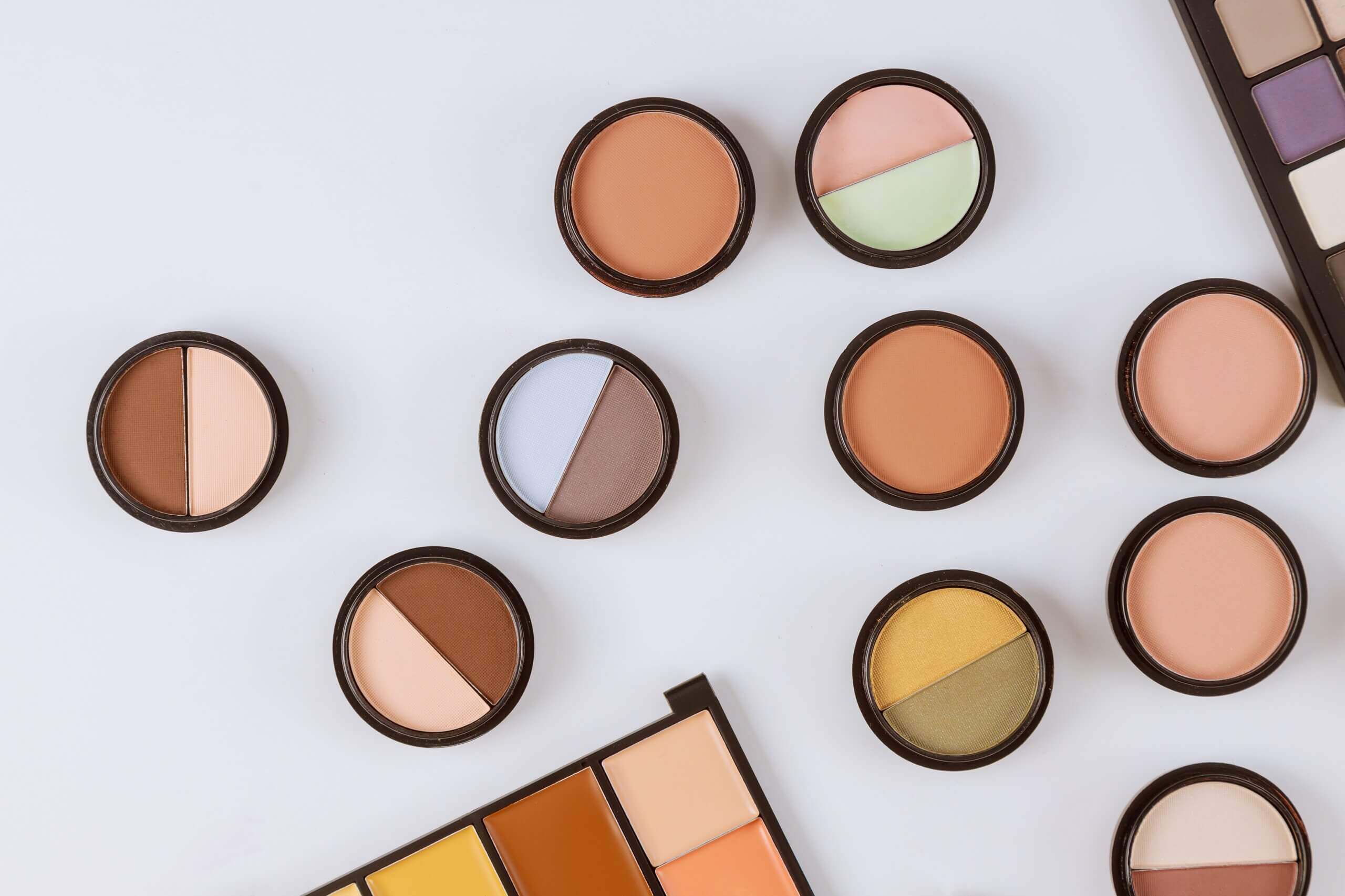
Private label makeup.
By focusing on a well-defined niche and understanding your customers’ values and pain points, you will be better positioned to create products that resonate and build loyalty from day one.
Step 2: Choose a Reliable Private Label Makeup Manufacturer
Choosing the right manufacturing partner is one of the most crucial steps in the process. Your manufacturer is responsible for the quality, safety, and consistency of your products, so selecting a reliable partner ensures that your brand’s reputation is built on solid ground.
Look for manufacturers who specialize in makeup and cosmetic products and who offer flexibility in their services, including custom formulation options, a variety of packaging choices, and reasonable minimum order quantities (MOQs).
Verify their certifications and compliance with cosmetic regulations. Essential certifications may include GMP (Good Manufacturing Practices), ISO standards, cruelty-free, vegan, organic, or halal certifications depending on your product claims and market requirements.
A trustworthy manufacturer should provide full ingredient documentation, safety data sheets, and testing information. Always request samples and evaluate not only the product quality but also their responsiveness, lead times, and transparency.
Why Use Wonnda to Source Private Label Makeup Manufacturers
To simplify your search, platforms like Wonnda can connect you directly with vetted private label makeup manufacturers. Instead of spending weeks researching and reaching out to multiple suppliers manually, Wonnda allows you to easily compare potential partners based on their product offerings, experience, certifications, and MOQs.
Through Wonnda, you can:
- Browse a network of trusted manufacturers that specialize in makeup and cosmetics.
- Filter suppliers based on specific criteria like product types, customization options, vegan or cruelty-free claims, and certification standards.
- Communicate with suppliers through a streamlined, centralized platform that keeps your sourcing process organized and transparent.
- Save time and reduce sourcing risks by working with pre-vetted partners who understand market requirements.
Using Wonnda not only accelerates your product development process but also helps ensure that you’re partnering with reliable manufacturers who can scale with your business as you grow. It allows you to focus more on your branding, marketing, and customer relationships, knowing that your production is in good hands.
Step 3: Customize Your Product and Packaging
Once your product selection is clear, it’s time to make the products your own. One of the major benefits of private label sourcing is that many manufacturers allow for customization of product formulas, shades, textures, and packaging.
Decide whether you want to stick with the base formulas provided or adjust elements like pigment levels, fragrances, or active ingredients. Many manufacturers also allow for small adjustments to better fit your brand promise.
When it comes to packaging, choose from a variety of options like tubes, jars, palettes, or compacts. Packaging is one of the first things your customers will notice, so investing in high-quality, eye-catching design is critical. Your packaging should align with your brand’s values, whether that’s eco-friendly minimalism, bold and playful aesthetics, or premium luxury.
Don’t forget to ensure regulatory compliance on your labels. Include clear and correct information such as:
- INCI (International Nomenclature of Cosmetic Ingredients) lists.
- Allergen warnings.
- Usage instructions and storage guidelines.
- Verified claims like “vegan,” “cruelty-free,” or “organic.”
- Required legal information for the markets where you plan to sell (EU, UK, US, etc.).
High-quality packaging and accurate labeling not only attract attention but also build trust with your customers.
Step 4: Build a Strong Brand Identity
In a crowded makeup market, your brand identity is just as important as the products themselves. Your brand identity shapes how your audience perceives your business, influences purchasing decisions, and creates emotional connections that lead to customer loyalty.
Start by choosing a brand name that is memorable, meaningful, and available (check for trademark conflicts and domain availability). Craft a brand story that reflects your mission and resonates with your target audience. Are you focused on self-expression, clean beauty, inclusivity, artistry, or sustainability? Define the “why” behind your brand.
Develop a consistent visual identity, including your logo, color palette, typography, and imagery style. The look and feel of your website, product packaging, and social media channels should all reflect this identity cohesively.
Decide on your tone of voice for all communication channels. Whether you choose playful, empowering, luxurious, or educational, consistency across your messaging is key to building a recognizable brand.
A strong brand identity helps customers not just buy a product, but connect emotionally with your mission, making them more likely to become loyal advocates.
Step 5: Plan Your Go-to-Market Strategy
Launching your private label makeup brand is about more than just having a great product - you need a clear strategy to introduce it to your audience and generate demand.
Decide which sales channels fit your strategy. You can sell direct-to-consumer through your own e-commerce website, leverage online marketplaces like Amazon or Etsy, partner with beauty salons, boutiques, or concept stores, or participate in pop-up events and beauty expos to build visibility.
Develop a marketing plan using multiple tactics:
- Collaborate with influencers and makeup artists to generate authentic product reviews and tutorials.
- Use social media platforms like Instagram, TikTok, Pinterest, and YouTube to showcase your products visually and build community.
- Implement content marketing through blog posts, how-to videos, and skincare or makeup tips to educate and engage your audience.
- Build and nurture an email list to promote product launches, share exclusive offers, and maintain direct communication with your customers.
A thoughtful go-to-market strategy helps you create excitement around your launch and ensures that your products reach the right audience effectively.
Step 6: Test, Learn, and Grow
Launching a private label makeup brand is not a one-and-done process - the most successful brands continually evolve by listening to their customers, testing new ideas, and improving their offerings.
Start small by focusing on one “hero product”, like a best-selling lipstick or highlighter, and gather feedback before expanding your product line. Early feedback will help you identify what resonates with your customers, what needs improvement, and where there’s room to innovate.
Use tools like customer reviews, social media polls, direct surveys, and post-purchase follow-ups to collect insights. Pay close attention to customer preferences regarding shades, textures, and packaging.
Scale thoughtfully by introducing new products, limited-edition collections, or seasonal campaigns based on real-world data. Stay flexible, be responsive to trends, and maintain high product quality as you grow.
By embracing continuous improvement, your brand can build a loyal customer base and remain competitive in the fast-moving beauty industry.
How Much Does It Cost to Start a Private Label Makeup Brand?
The cost of launching a private label makeup brand can vary widely depending on several key factors, including the number of products you want to offer, your manufacturer’s minimum order quantities (MOQs), the level of product customization, and your packaging choices. On average, starting a small private label makeup line with just a few SKUs can range anywhere from €5,000 to €30,000 for the initial production run, depending on product types and batch sizes.
Some best private label manufacturers offer low MOQs, starting at just a few hundred units per product, which can significantly lower the initial investment for startups. However, if you opt for higher-end packaging, custom formulas, or a wider product range, your upfront costs will increase accordingly.
Beyond product manufacturing, consider other startup costs like branding and packaging design, product photography, website development, marketing, certifications, and legal compliance. Marketing costs, especially if you plan to invest in influencer campaigns or paid social media ads, can also add up quickly.
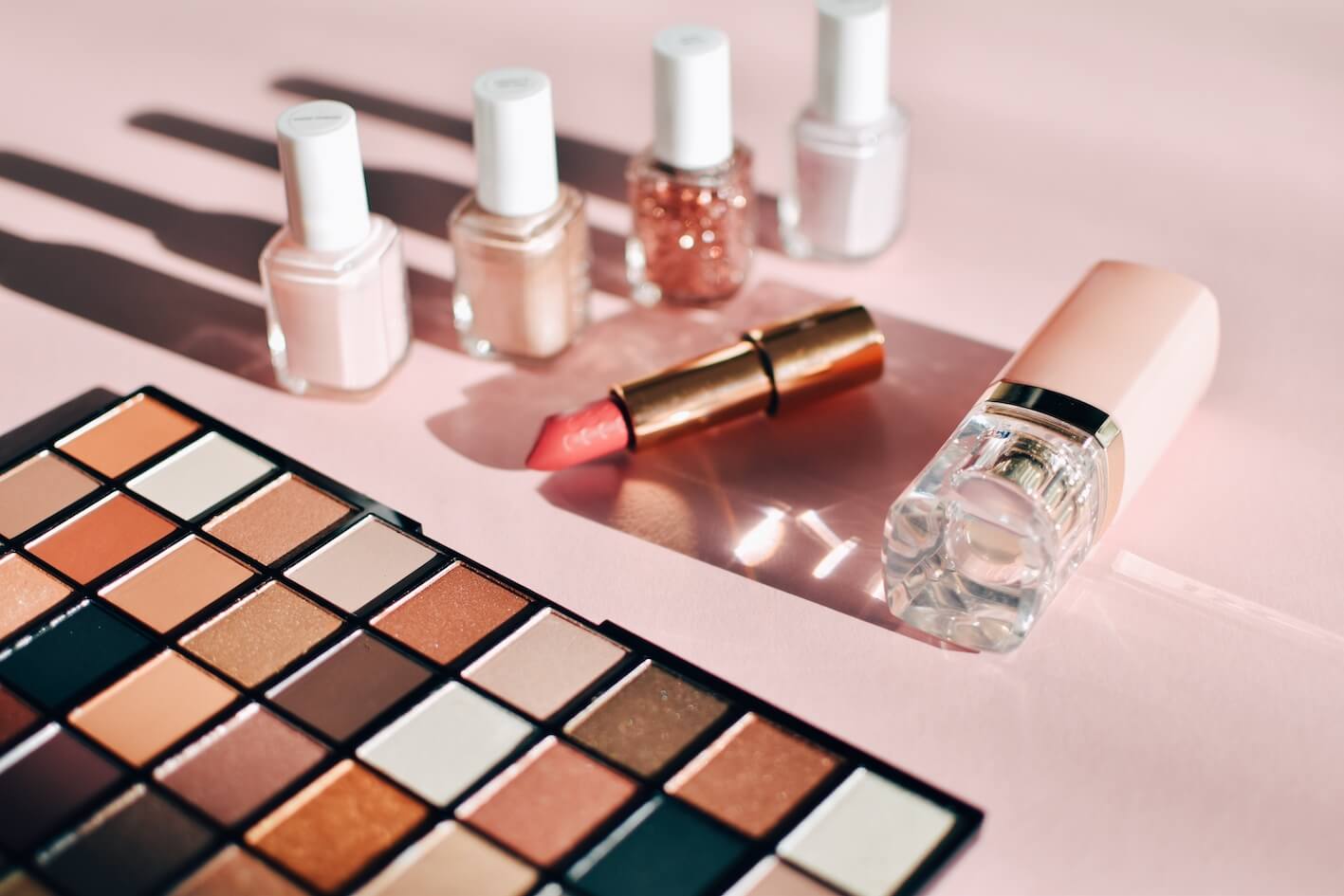
Private label makeup.
Many entrepreneurs start lean by focusing on one “hero product” and gradually expanding their line as sales grow. Planning your budget carefully and getting quotes from multiple manufacturers will help you better estimate your specific costs and avoid surprises along the way.
Do You Need a License to Sell Makeup?
Yes, selling makeup products involves certain legal requirements, although the exact licensing and regulations can vary depending on your country or region. In most cases, you don’t need a special “license” to sell makeup as a brand owner, but you are responsible for ensuring that your products are safe, properly labeled, and compliant with cosmetic regulations in the markets where you sell.
For example, if you’re selling in the European Union, your products must comply with EU Cosmetic Regulation (EC) No 1223/2009, which includes requirements for product safety assessments, ingredient documentation, proper labeling, and registering your products in the Cosmetic Product Notification Portal (CPNP). You will also need to appoint a Responsible Person (RP) within the EU, who ensures that your products meet these legal obligations.
In the United States, the Food and Drug Administration (FDA) regulates cosmetics under the Federal Food, Drug, and Cosmetic Act. While the FDA does not require pre-approval of cosmetic products, you must ensure that your products are safe for use, labeled correctly, and do not contain prohibited ingredients. Claims like “organic” or “hypoallergenic” may require additional documentation.
For other markets like the UK, Australia, Canada, or the Middle East, similar compliance rules apply, often with country-specific requirements for product registration, safety assessments, and labeling.
Even if your products are manufactured by a private label supplier, as the brand owner, you remain legally responsible for product compliance. Reputable private label manufacturers usually provide ingredient lists, safety documentation, and testing results, but it’s important to confirm that these meet your market’s regulations.
Final Thoughts: Why Private Label Makeup is a Smart Way to Launch Your Beauty Brand
Launching a makeup brand through private label manufacturing is a smart, accessible way to bring your beauty vision to life. With lower upfront costs, faster lead times, and scalable production options, private label lets you focus on what matters most, building a beautiful, recognizable brand that connects with your customers.
Whether you’re creating clean beauty essentials, bold color cosmetics, or luxury makeup lines, the right manufacturing partner and brand strategy will set you up for success. If you’re ready to explore private label makeup suppliers, Wonnda connects brands with trusted manufacturers and helps you streamline your sourcing and product development process from samples to launch.
Related articles
Best Clothing Manufacturers in Europe - 2026 Guide by Wonnda
10+ Best Beauty Manufacturers in the US (2026 List)

How to Find a Manufacturer for Your Product (2026 Guide)
European Suppliers: How to find the best EU suppliers in 2026

10 Best European Sourcing Agencies To Find Suppliers & Launch Your Product
How to Start a Premium Private Label Cookware Brand: The Complete Guide
5+ Best Private Label Nonstick Cookware Manufacturers
5+ Best Private Label Cookware Manufacturers in the USA (2026)